When the legendary explorers Meriwether Lewis and William Clark traversed the Great Plains in 1806, they witnessed a spectacle that defied imagination. Endless seas of grass were dominated by millions of American bison, moving in massive, thunderous herds that literally darkened the horizon. Yet, merely seven decades later, these majestic beasts—and the vibrant indigenous societies that relied on them—were pushed to the absolute brink of extinction. This devastating ecological and cultural catastrophe was not an accidental byproduct of progress, but a calculated military strategy championed by General William Tecumseh Sherman. Best known for his destructive March to the Sea during the American Civil War, Sherman redirected his ruthless total war tactics toward the American West, systematically using the annihilation of the buffalo as a geopolitical weapon to force Native Americans into exile on reservations. This dark chapter of American history highlights how environmental warfare was deployed to reshape the geographic and cultural landscape of the United States.
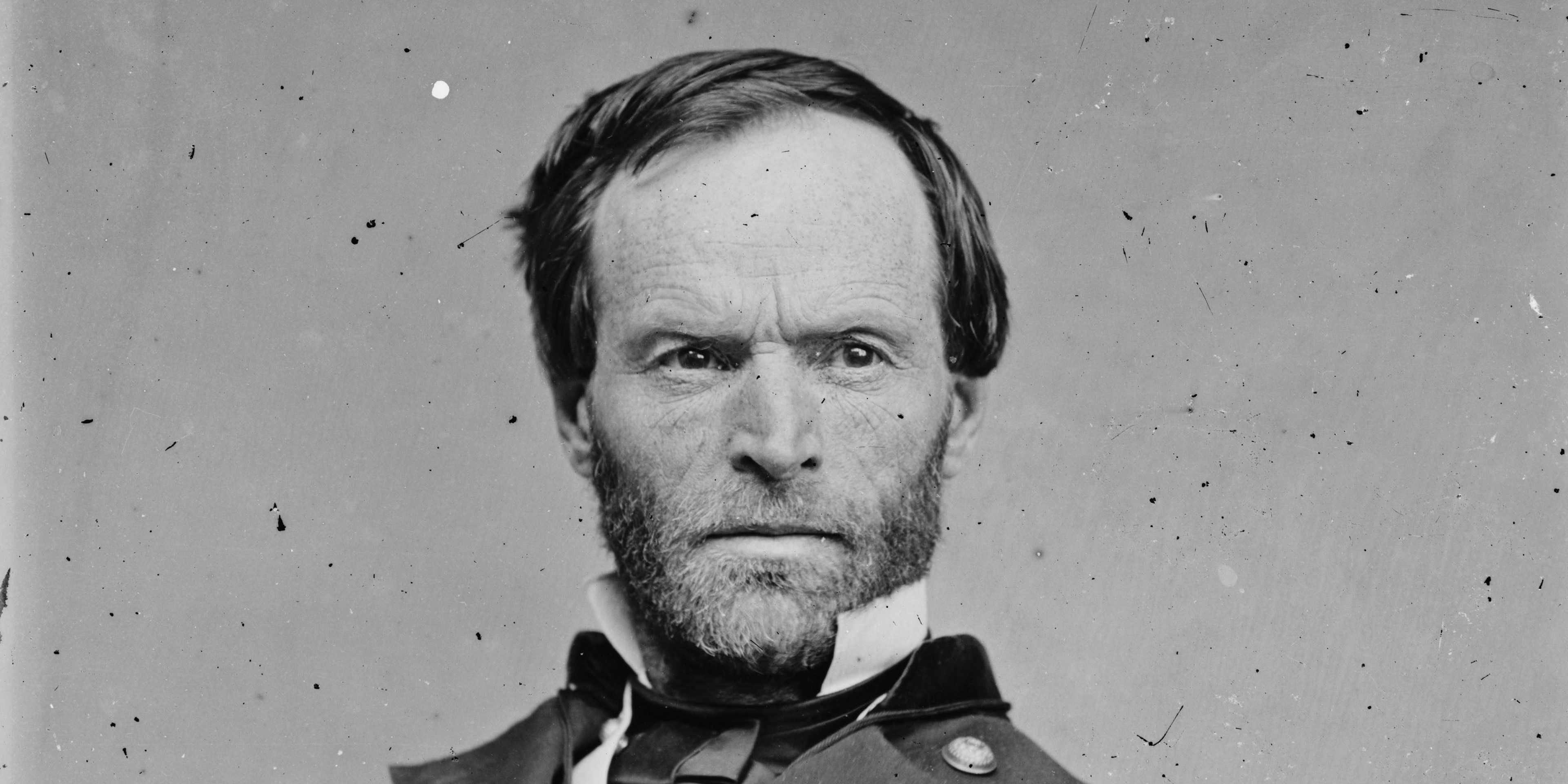
In the aftermath of the Civil War, the United States entered a chaotic period of Reconstruction. While the nation struggled to heal its internal sectional wounds, the federal government simultaneously turned its eyes westward. The ambition of Manifest Destiny burned brighter than ever, fueled by the construction of the transcontinental railroad and the discovery of gold and silver in western territories. However, this vast expanse was far from empty. It was the ancestral homeland of dozens of sovereign Plains nations, including the Lakota Sioux, Cheyenne, Comanche, Kiowa, and Arapaho. To clear the path for incoming settlers and corporate railroad monopolies, the U.S. government sought to exercise absolute sovereignty over these lands. The authority of the federal government was aggressively expanded to pacify what Washington viewed as hostile territories, leading to the appointment of General Sherman as the commander of the Military Division of the Missouri.
The Sacred Lifeline: Plains Indians and the American Bison
To understand why the buffalo became a military target, one must understand its spiritual and practical significance to the Plains tribes. The American bison was not simply a food source; it was the foundation of indigenous civilization. Virtually every part of the animal was utilized. Meat was dried into pemmican for long winters; hides were meticulously tanned to create warm clothing, moccasins, and durable teepee covers; bones were carved into tools, needles, and war clubs; and sinews were used as strong thread and bowstrings. Beyond these survival needs, the buffalo held deep spiritual significance, representing abundance, strength, and the interconnectedness of all life. Historically, Native American resistance against colonial powers had successfully preserved tribal autonomy for centuries, but the post-Civil War military machine recognized that the ultimate way to conquer these resilient nations was to destroy their ecological foundation.
General Sherman’s Scorched-Earth Strategy on the Plains
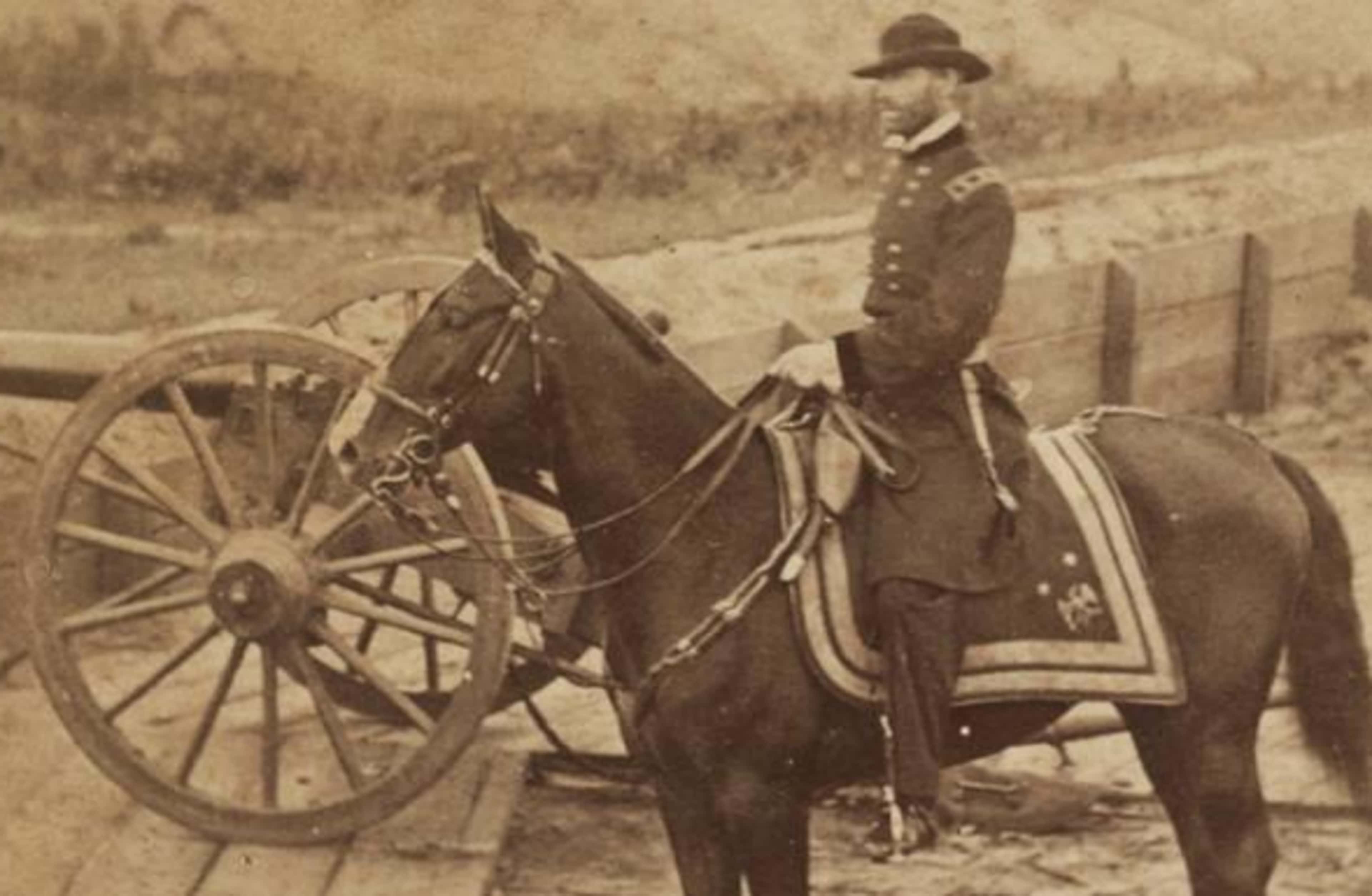
General William Tecumseh Sherman believed in total war—the idea that to defeat an enemy, one must break their economic capacity and collective will to fight. Having successfully applied this doctrine to the Confederacy by burning crops, destroying railroads, and confiscating livestock, he saw no reason to alter his tactics against the Native Americans of the Great Plains. Sherman realized that as long as the buffalo roamed freely, the Plains Indians would remain independent, mobile, and resistant to reservation life. In an 1868 letter to his close ally, General Philip Sheridan, Sherman explicitly suggested organizing grand buffalo hunts for English and American sportsmen to make one grand sweep of them all. By systematically targeting the bison, the U.S. military aimed to starve the tribes into submission.
The Great Slaughter: The Near-Extinction of the Buffalo
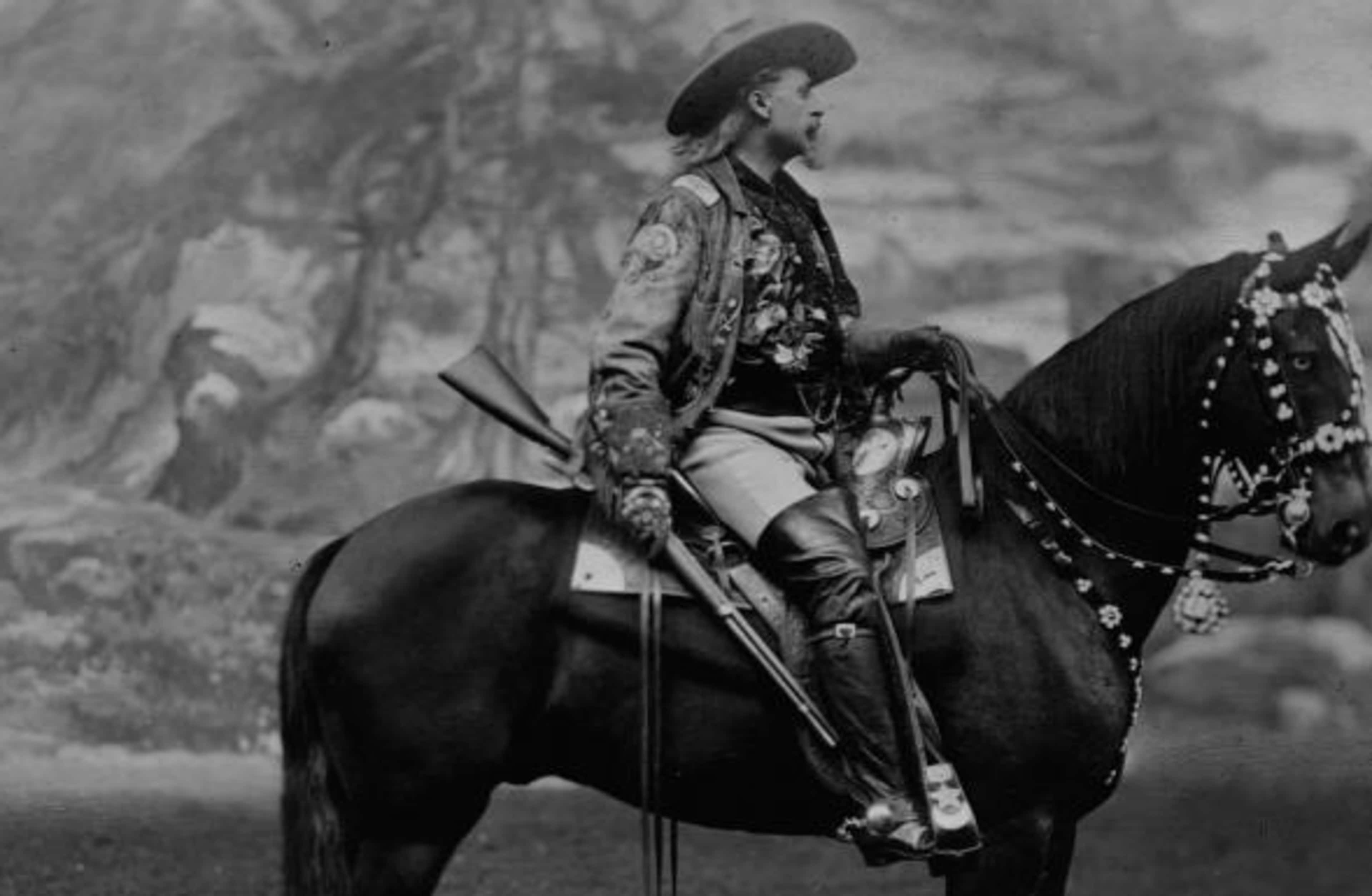
While the U.S. Army rarely participated in direct, organized hunts itself, it actively protected, supplied, and encouraged civilian hunters to slaughter the herds. The military provided free ammunition, logistical support, and protection from tribal retaliation to anyone willing to kill bison. This policy gave rise to the professional hide hunters. Armed with powerful, long-range rifles like the Sharps .50 caliber, hunters killed thousands of animals a day. Prominent figures like William Buffalo Bill Cody became legendary for killing thousands of bison in mere months. Furthermore, the industrial revolution in the East had created a massive demand for industrial leather belts, driving up the price of buffalo hides. By 1873, the southern plains were littered with millions of rotting carcasses. U.S. Army Colonel Richard Irving Dodge wrote of the harrowing scene, describing the plains as a dead, solitary, putrid desert. By the early 20th century, the estimated 30 to 60 million wild buffalo had been reduced to a mere 325 surviving animals.
Timeline of the Western Indian Wars and Buffalo Slaughter
- 1806: The Lewis and Clark expedition documents massive, uninterrupted herds of buffalo spanning the Great Plains.
- 1865: The American Civil War ends, allowing the federal government to redirect military resources and thousands of veterans to the western frontier.
- 1866: General Sherman is appointed commander of the Military Division of the Missouri, initiating aggressive campaigns to protect transcontinental railroad lines.
- 1868: Sherman advocates for the systematic destruction of the buffalo in private correspondence with General Sheridan.
- 1871-1874: The peak era of the commercial buffalo slaughter. Millions of hides are harvested, leaving the plains littered with carcasses.
- 1876: The Great Sioux War peaks, highlighted by the Battle of the Little Bighorn, showcasing strong but ultimately tragic native resistance against an army stripping away their resources.
- 1883: The northern buffalo herds are completely decimated, leaving the remaining Plains tribes facing starvation.
- 1890: The Wounded Knee Massacre occurs, marking the final tragic chapter of the Indian Wars. The native population in America reaches its historic low.
Long-Term Impact on America and Indigenous Peoples
The consequences of Sherman’s environmental warfare were catastrophic. Deprived of their primary food supply, medicine, and shelter, the sovereign nations of the Plains faced a grim choice: starve to death or surrender to the federal government and move onto barren, government-administered reservations. Between 1800 and 1890, the Native American population plummeted from approximately 600,000 to just 248,000. This systematic campaign of ecological starvation succeeded in fracturing traditional tribal structures, eroding cultural practices, and forcing generations of indigenous peoples into a state of forced dependency. This dark legacy of survival, adaptation, and eventual advocacy represents some of the most harrowing yet resilient strides for freedom and civil rights in American history, as tribes continue to fight for their sovereignty, treaty rights, and cultural heritage today.
Lesser-Known Historical Facts About the Buffalo Slaughter
1. The Irony of Sherman’s Namesake
In a striking twist of historical irony, General William Tecumseh Sherman was named by his father after Tecumseh, the famous Shawnee chief and orator who spent his life uniting Native American tribes to resist U.S. territorial expansion during the War of 1812. While Chief Tecumseh fought valiantly to preserve his people’s land and autonomy, General Sherman utilized his military genius to permanently dismantle the sovereignty of Western tribes.
2. The Extravagant Tongues-Only Hunts
Before the hide industry exploded, wealthy aristocrats from Europe and the American East would travel west on specially chartered trains to participate in grand hunting excursions. These tourists would shoot buffalo directly from the windows of moving train cars. Often, the only part of the animal harvested was the tongue, which was considered a culinary delicacy in high-society restaurants. The rest of the massive animal was left to rot on the tracks.
3. The Lucrative Frontier Bone Trade
Following the massive slaughter of the 1870s, the Great Plains were covered in mountains of sun-bleached buffalo bones. Resourceful homesteaders and settlers quickly realized there was a market for these remains. They collected millions of tons of bones and shipped them via the railroad to eastern factories, where they were ground down to be used as fertilizer, phosphorus, and refining agents for sugar, creating a highly lucrative frontier industry born out of ecological devastation.
Why This History Still Matters Today
The story of General Sherman, the buffalo, and the reservation system is not merely a relic of the 19th century; it continues to shape modern conversations about environmental justice, ecological restoration, and tribal sovereignty. In recent decades, a powerful cultural and ecological movement led by indigenous tribes has sought to return the American bison to the Great Plains. Through initiatives like the InterTribal Buffalo Council, native nations are actively reintroducing herds to tribal lands, restoring both the local grassland ecosystems and their historical, spiritual connection to the animal. Understanding this history is crucial for recognizing how environmental destruction can be used as a tool of political subjugation, and how ecological restoration can serve as a powerful form of cultural healing and justice.
People Also Ask
Why did General Sherman want to exterminate the buffalo?
General Sherman recognized that the Great Plains Indians relied almost entirely on the buffalo for their food, shelter, clothing, and cultural practices. By destroying the buffalo, Sherman aimed to eliminate the tribes’ source of independence, forcing them to capitulate to the U.S. government and move onto reservations.
How many buffalo were killed during the 19th century?
At the start of the 19th century, an estimated 30 to 60 million buffalo roamed the American West. By the early 20th century, due to intensive commercial hunting and government-supported extermination policies, only about 325 wild buffalo remained in the entire country.
What was the long-term impact on Native Americans?
The near-extinction of the buffalo led to widespread starvation among Plains tribes, decimating their populations and destroying their traditional way of life. This forced them to accept relocation to reservations, leading to decades of cultural erasure, poverty, and dependence on government rations.
Conclusion
The deliberate annihilation of the American bison stands as one of the most stark examples of ecological warfare in human history. Championed by General William Tecumseh Sherman, this policy shattered the sovereign independence of the Plains Indians and secured the federal government’s control over the American West. Yet, despite the immense trauma and loss, the resilience of Native American nations has endured. Today, as the buffalo slowly returns to the prairies, it serves as a living symbol of survival, reclamation, and the enduring spirit of America’s indigenous peoples.


