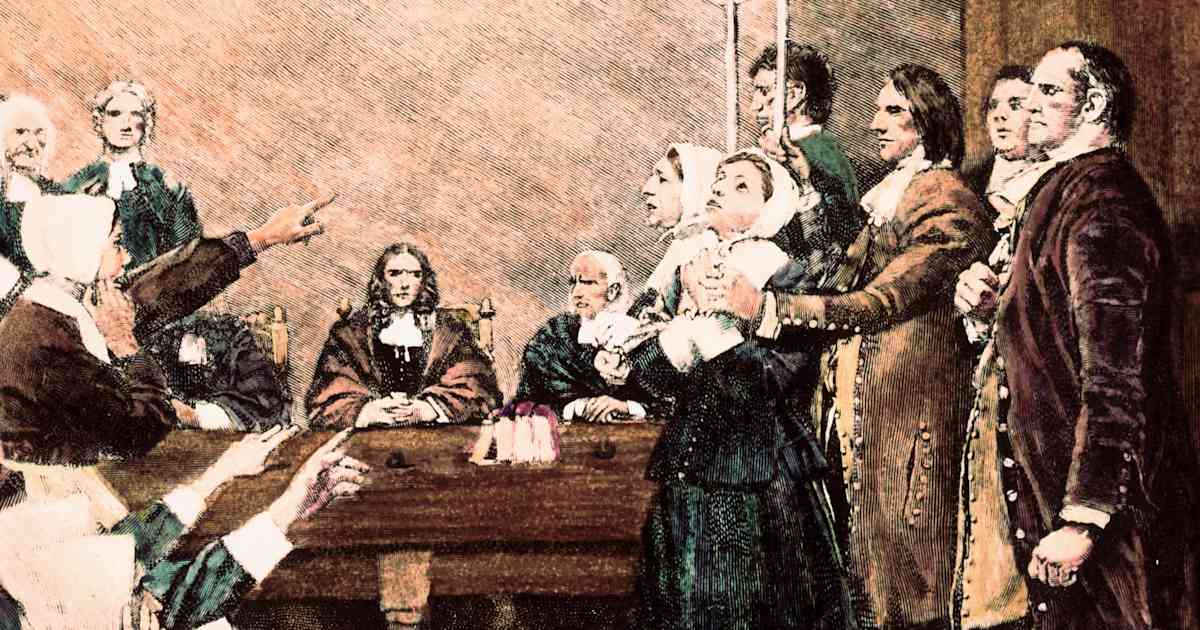
In the bitter winter of 1692, the Salem Witch Trials erupted in the Massachusetts Bay Colony, leaving an indelible stain on early American history. When several young girls in Salem Village began suffering from strange, violent fits, the deeply religious Puritan community quickly attributed their afflictions to demonic possession and witchcraft [14]. What followed was a devastating collapse of civil order, fueled by religious zealotry, land disputes, and systemic paranoia [14]. Close to 200 people were accused of consorting with the devil, and 20 innocent individuals were executed [14]. Among the victims, five courageous, tragic, or vulnerable women became symbols of this dark period. Understanding their lives and the socio-political climate that condemned them offers a profound window into the fragility of justice and the terrifying power of mass hysteria.
Historical Background: A Colony on the Edge
To understand why the Salem Witch Trials occurred, one must look at the immense pressures weighing on the Massachusetts Bay Colony in the late 17th century. The Puritans who settled the region lived under a strict, unforgiving theological worldview where the physical and spiritual realms were intimately intertwined. They believed the devil was an active, literal presence on Earth, plotting the downfall of their holy experiment.
But Salem in 1692 was also physically vulnerable. It had recently lost its original governing charter, creating a period of legal instability. Furthermore, the colony was embroiled in King William’s War against French-allied Native Americans, creating a constant stream of traumatized refugees fleeing violence on the northern frontier. In addition, localized disputes over land, minister salaries, and familial rivalries split Salem Village into hostile factions. Interestingly, the first American witch hunt had already occurred decades prior in Connecticut, proving that New England’s soil was already primed for theological panic.
A Chronological Timeline of the 1692 Panic
To understand the swift escalation of the trials, let us examine the critical milestones of this dark year:
- January 1692: Betty Parris (9) and Abigail Williams (11), daughter and niece of Reverend Samuel Parris, begin exhibiting bizarre behaviors, screaming, and contorting their bodies [14].
- February 1692: A local doctor, William Griggs, diagnoses the girls as ‘under an Evil Hand.’ Under pressure, the girls name their first three tormentors: Tituba, Sarah Good, and Sarah Osborne [14].
- March 1, 1692: Magistrates John Hathorne and Jonathan Corwin conduct public interrogations [14]. Tituba confesses to seeing the devil and signing his book, claiming other witches are among them [14].
- June 2, 1692: The Court of Oyer and Terminer formally convenes under Chief Magistrate William Stoughton to hear the mounting cases.
- June 10, 1692: Bridget Bishop becomes the first person executed by hanging on Proctor’s Ledge [14].
- July 19, 1692: A mass execution takes place, where Sarah Good, Rebecca Nurse, Susannah Martin, Elizabeth Howe, and Sarah Wildes are hanged [14].
- August 19, 1692: Martha Carrier, George Burroughs, John Proctor, John Willard, and George Jacobs Sr. are executed [14].
- September 19, 1692: Giles Corey is pressed to death with heavy stones for refusing to stand trial [14].
- September 22, 1692: The final executions occur, where Martha Corey and seven others are hanged [14].
- October 1692: Governor William Phips, reacting to growing public dissent and accusations reaching high-profile citizens, bans the use of spectral evidence and eventually dissolves the Court of Oyer and Terminer.
Five Notable Women Hanged in the Salem Witch Trials
The victims of the trials were not a monolith. They represented a cross-section of Puritan society, ranging from the destitute and marginalized to the devout and affluent. Here are five of the most notable women who went to the gallows.
1. Bridget Bishop: The Vulnerable Outcast
As the first person tried and executed by the Court of Oyer and Terminer, Bridget Bishop was an easy target for prosecutors [14]. Bishop was a local widow who owned a tavern, wore flashy clothes (such as a scarlet bodice), and possessed a history of marital conflict. She had been accused of witchcraft a decade earlier but was acquitted [14]. In 1692, ten witnesses lined up to testify against her, claiming her specter pinched them, entered their bedrooms, or caused their cattle to die [14]. Her execution on June 10 set a terrifying precedent for the trials, proving that the court would accept ‘spectral evidence’—the claim that a witch’s spirit could leave their body to cause harm—as absolute proof [14].
2. Sarah Good: The Destitute Mother
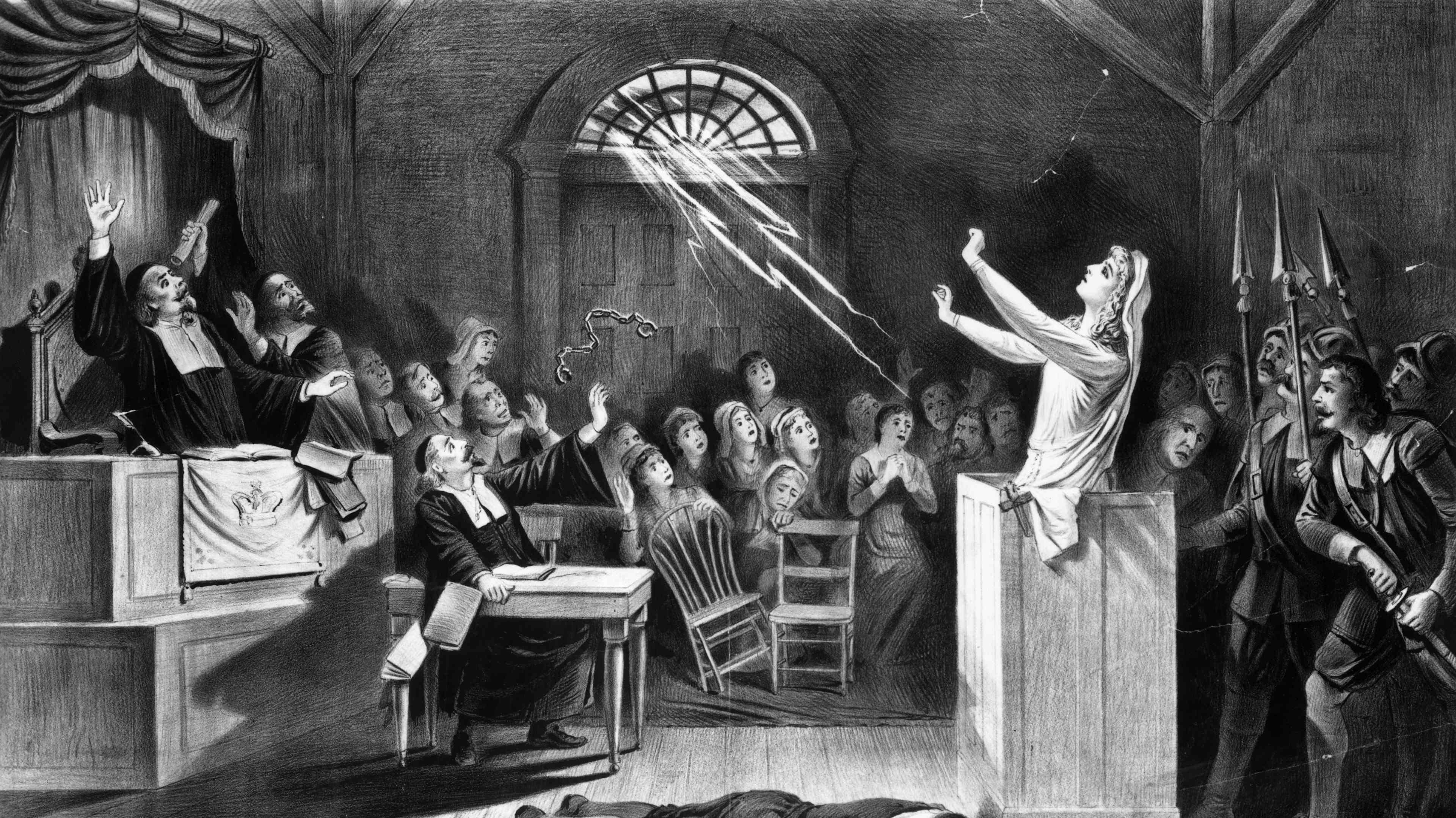
Sarah Good was one of the first three women accused [14]. Homeless, destitute, and pregnant at the time of her arrest, Good was forced to beg for food and shelter throughout Salem Village [14]. Her habit of muttering under her breath when turned away by neighbors was retrospectively interpreted as muttering curses [14]. Good’s four-year-old daughter, Dorothy, was also arrested and interrogated, leaving the child permanently traumatized. Even in her final moments on July 19, Good remained fiercely defiant [14]. When Minister Nicholas Noyes urged her to confess, she famously replied, ‘You are a liar! I am no more a witch than you are a wizard, and if you take away my life God will give you blood to drink!’ [14] Legend has it that Noyes died years later of a cerebral hemorrhage, choking on his own blood.
3. Susannah Martin: The Accused of Amesbury
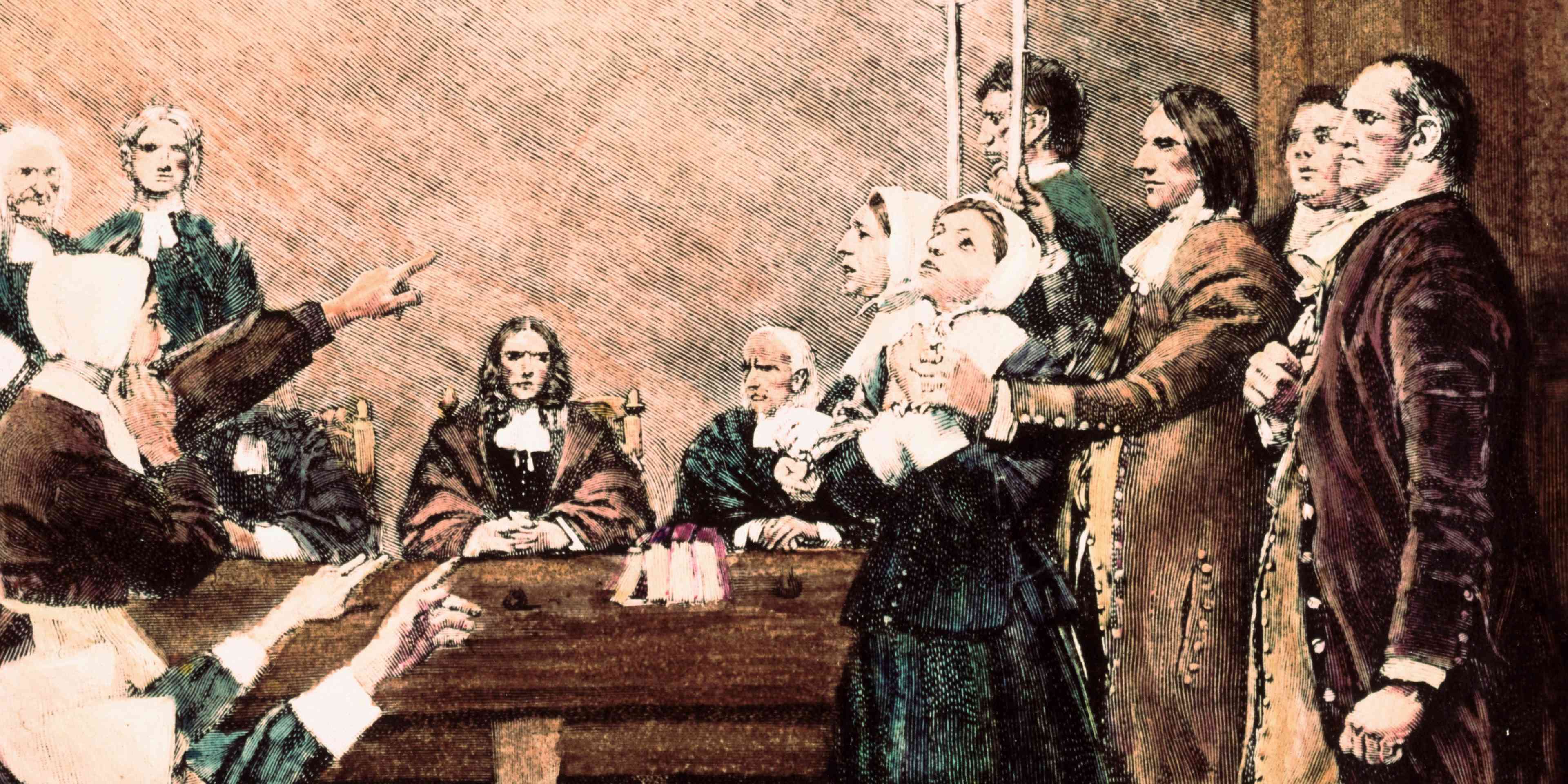
Susannah Martin of Amesbury, Massachusetts, was a widow who had spent years fighting for her deceased father’s estate, which made her a frequent and unpopular figure in the local courts. She had successfully beaten back witchcraft accusations in 1669, but in 1692, the main accusers of the Salem witch trials targeted her from afar [14]. Despite never having met Martin, the afflicted girls claimed her specter attacked them [14]. When asked how they recognized her, they claimed her spirit introduced itself as ‘Goody Martin’ [14]. Her defense was sharp and articulate, but her intelligence and refusal to be intimidated only served to convince her judges of her supernatural defiance. She was hanged alongside Sarah Good on July 19 [14].
4. Martha Carrier: The Alleged Queen of Hell
The town of Andover, Massachusetts, actually saw more accusations than Salem, and Martha Carrier was at the center of that storm [14]. Carrier’s family was highly unpopular and was blamed for bringing a devastating smallpox outbreak to Andover [14]. When she was accused of witchcraft, authorities took the horrific step of torturing her two teenage sons until they confessed to being warlocks and implicated their mother [14]. Cotton Mather, the prominent Boston minister, took a personal interest in her case [14]. In his writings, he labeled Carrier a ‘rampant hag’ and claimed she had been promised the title of ‘Queen of Hell’ by Satan himself [14]. She was hanged on August 19, vocalizing her innocence to the end [14].
5. Martha Corey: The Pious Dissenter
Unlike Bridget Bishop or Sarah Good, Martha Corey was a respected, covenanted member of the Salem church [14]. However, Corey made a fatal mistake: she publicly voiced her skepticism about the legitimacy of the trials, believing the afflicted girls were simply lying [14]. In an effort to prevent her husband, Giles Corey, from participating in the legal circus, she hid his saddle [14]. This act of defiance backfired [14]. The girls soon accused Martha, claiming her specter was blinding them in the courtroom [14]. When Martha stood before the magistrates, she laughed at their absurd questions, which sealed her fate [14]. Her husband, Giles, initially believed the accusations but later recanted, leading to his own horrific death by pressing [14]. Martha was hanged on September 22 [14].
The Turning Point: The Demise of Spectral Evidence
The turning point of the Salem Witch Trials came when the accusations grew too bold, eventually targeting members of the colonial elite. Rumors began circulating that the wife of Governor William Phips and several high-ranking ministers were witches. Increase Mather, a prominent theologian and father of Cotton Mather, published a powerful sermon arguing that ‘It were better that ten suspected witches should escape, than that one innocent person should be condemned.’ This shift in perspective prompted Governor Phips to forbid the use of spectral evidence, rendering the prosecution’s primary tool useless. Without this supernatural hearsay, the remaining cases crumbled, and the madness finally subsided.
The Long-Term Impact on American Law and Culture
The legacy of the Salem Witch Trials profoundly reshaped the legal and cultural landscape of the American colonies. It severely damaged the authority of the Puritan theocracy, accelerating a shift toward secular governance and the eventual separation of church and state.
In the legal realm, the disaster at Salem highlighted the severe danger of assuming guilt before innocence. It spurred the development of crucial American legal doctrines, including the right to legal representation, the exclusion of hearsay and spectral evidence, and the foundational principle of the ‘presumption of innocence.’
Lesser-Known Facts About the Trials
- Animals Were Also Executed: Mass hysteria extended beyond humans. Two dogs were accused of having the ‘evil eye’ and were executed in Salem for witchcraft.
- Tituba Survived: Despite being the catalyst for the confessions, Tituba was never executed [14]. Because she confessed and cooperated with the court, her execution was delayed [14]. She was eventually sold to a new master who paid her jail fees [14].
- No One Was Burned at the Stake: Unlike European witch trials where burning was common under civil law, English law (which governed Massachusetts) treated witchcraft as a felony. Therefore, the convicted in Salem were executed by hanging, with the exception of Giles Corey who was pressed [14].
Why It Still Matters Today
The Salem Witch Trials serve as a timeless cautionary tale. The phrase ‘witch hunt’ remains active in modern political and social discourse, representing situations where fear, bias, and a lack of evidence lead to the persecution of marginalized groups or political opponents. In our digital age, where online mobs can quickly condemn individuals without due process, the lessons of Salem—the need for rational thought, objective evidence, and empathy—are more urgent than ever. For those seeking a deeper literary dive into the primary source accounts can explore these books exploring the Salem witch trials.
People Also Ask (FAQ)
Who was the first person hanged in the Salem Witch Trials?
Bridget Bishop was the first person tried, convicted, and hanged during the Salem Witch Trials on June 10, 1692 [14].
Why did the Salem Witch Trials end?
The trials ended in the fall of 1692 after Governor William Phips banned the use of ‘spectral evidence’ and dissolved the Court of Oyer and Terminer, as accusations began targeting high-profile figures, including the Governor’s own wife.
How many people were executed during the Salem Witch Trials?
A total of 20 people were executed: 19 were hanged on Gallows Hill, and one (Giles Corey) was pressed to death with stones [14]. Several others died while languishing in cold, unsanitary jail cells.
Conclusion
The tragedy of the Salem Witch Trials of 1692 stands as one of the most sobering reminders of what happens when fear overrules reason and legal protections are abandoned. The five women discussed—Bridget Bishop, Sarah Good, Susannah Martin, Martha Carrier, and Martha Corey—were not victims of magic, but of a broken society that weaponized their differences, poverty, independence, and piety against them [14]. By remembering their names and understanding their stories, we honor their memory and reinforce our commitment to justice, reason, and human rights in the modern era.


