For centuries, a diagnosis of leprosy meant an immediate and merciless life sentence of social exile. Long before modern medicine identified the condition as Hansen’s disease—a slow-growing bacterial infection targeting the skin, peripheral nerves, and upper respiratory tract—those afflicted were treated as physical and spiritual outcasts. In the United States, this dread manifested in a policy of absolute, state-sanctioned containment. Stripped of their constitutional rights, separated from their families, and legally forbidden from interacting with healthy society, thousands of Americans were relegated to remote, government-mandated US leprosy colonies. Outposts like the wind-swept Kalaupapa Peninsula on Molokai, Hawaii, and the swampy grounds of the Carville National Leprosarium in Louisiana became the epicenters of this forced isolation. Despite enduring profound prejudice and systematic deprivation of their civil liberties, the patients in these colonies did not merely languish; they built vibrant, self-sustaining communities, fought for their humanity, and eventually helped pioneer the medical breakthroughs that would dismantle centuries of fear. This is the tragic, yet deeply inspiring, history of Hansen’s disease quarantine in America, a narrative that reveals the delicate balance between public safety, human rights, and the enduring strength of the human spirit.
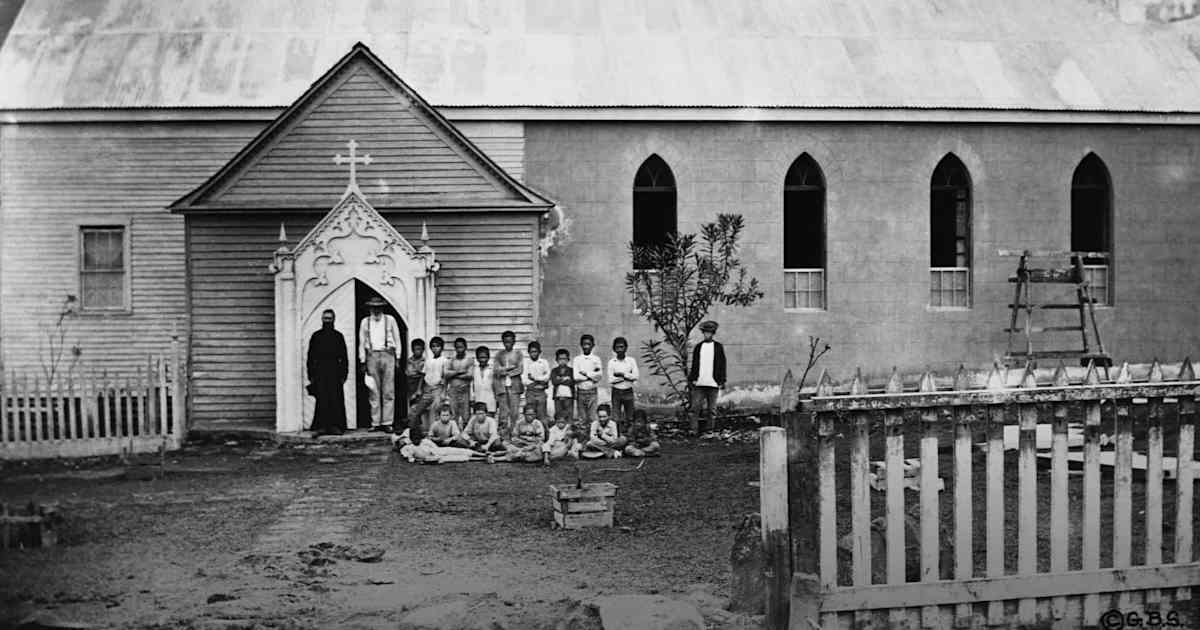
Historical Background: The “Separating Sickness” and the Rise of Isolation
To understand the creation of US leprosy colonies, one must first look at the ancient and deeply ingrained fear surrounding the disease. Historically known as the “separating sickness” or leprosy, the condition is caused by the slow-growing bacterium Mycobacterium leprae. Discovered in 1873 by Norwegian physician Dr. Gerhard Armauer Hansen, this pathogen attacks the body’s peripheral nerves, leading to localized numbness, skin lesions, and muscle weakness. Over time, untreated cases can result in severe physical deformities, blindness, and secondary infections.
Before modern bacteriology, societies frequently responded to misunderstood health crises with extreme containment and panic. This cycle of panic and physical isolation was a recurring theme in early American history, similar to the community banishments and hysteria that marked the first American witch hunt. In both cases, individuals deemed different, bewitched, or “unclean” were cast out, sacrificed to ease the collective anxieties of the public. Because leprosy was erroneously associated with spiritual decay, sexual deviance, and extreme contagiousness, governments rushed to implement draconian policies of forced isolation rather than investigating clinical realities.
The Twin Outposts of Isolation: Kalaupapa and Carville
Creating self-sustaining communities in highly hostile or isolated environments was a daunting challenge. Just as the settlers of various failed North American colonies succumbed to starvation and geographical isolation, early patients dropped off on the Kalaupapa Peninsula faced a brutal struggle for survival. Deprived of federal resources initially, they had to build their own shelters, harvest their own food, and bury their own dead in a beautiful yet treacherous prison.
Kalaupapa Peninsula (Molokai, Hawaii)
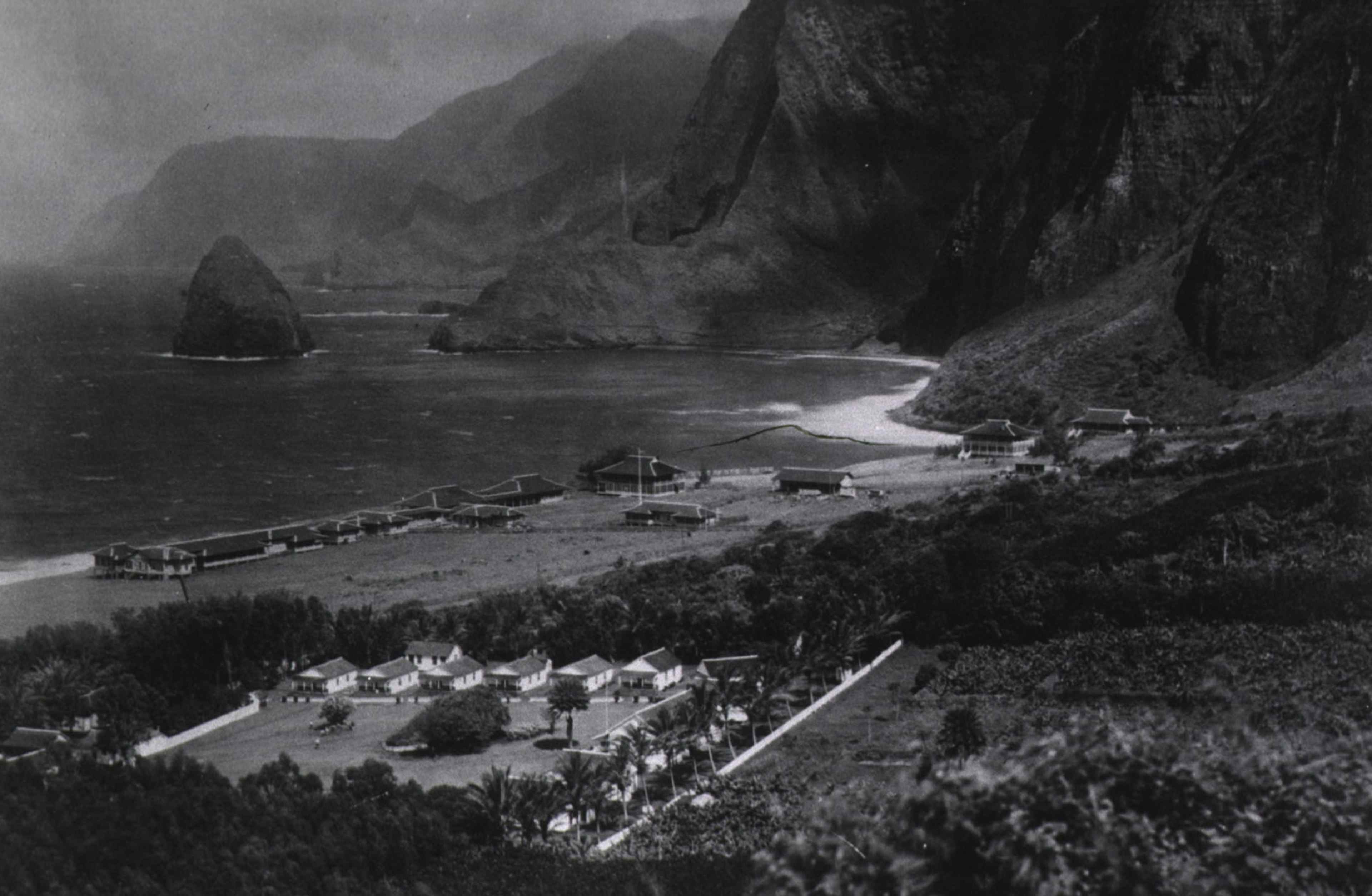
Established in 1866 under the reign of King Kamehameha V, the Kalawao settlement on the Kalaupapa Peninsula was the first major isolation site in what would become the United States. Geographically, the site was a natural prison: bordered on three sides by the turbulent Pacific Ocean and cut off from the rest of Molokai by a vertical, 2,000-foot wall of volcanic cliffs. More than 8,000 people—mostly native Hawaiians—were forcibly relocated to Kalaupapa over its century-long operation. The local Board of Health originally intended for patients to build a self-sufficient agricultural commune, but the physical degradation caused by the disease, combined with a lack of resources, turned the early decades of the colony into a scene of chaotic suffering.
Carville National Leprosarium (Louisiana)
In the continental United States, the epicenter of quarantine was established in 1894 as the Louisiana Leper Home. Located on an abandoned, malaria-infested sugar plantation known as Indian Camp near Carville, Louisiana, the facility initially housed patients in dilapidated, antebellum-era slave cabins. In 1917, the U.S. federal government federalized the site, transforming it into the Carville National Leprosarium (later known as U.S. Marine Hospital No. 66). At Carville, patients were surrounded by high iron fences and subjected to a militaristic regime where interaction between genders was strictly forbidden, escape attempts were punished with confinement in an on-site jail, and arriving individuals were strongly encouraged to adopt pseudonyms to protect their families from social ruin.
Key Events Timeline: From Forced Exile to Medical Freedom
- 1865: King Kamehameha V signs “An Act to Prevent the Spread of Leprosy” in the Kingdom of Hawaii, mandating the isolation of all afflicted individuals.
- 1866: The first twelve patients are dropped off on the isolated Kalaupapa Peninsula on Molokai, marking the beginning of the colony’s tragic history.
- 1873: Dr. Gerhard Armauer Hansen identifies Mycobacterium leprae as the cause of the disease, shifting the global view of leprosy from a curse to a bacterial infection.
- 1873: Father Damien (Jozef De Veuster) arrives in Kalaupapa, initiating profound physical and spiritual reforms for the exiled community.
- 1894: Louisiana establishes the Louisiana Leper Home at the Indian Camp plantation, which would later become the national leprosarium.
- 1896: Four Sisters of the Daughters of Charity of St. Vincent de Paul arrive at Carville to manage nursing care, bringing order and compassion to the facility.
- 1921: The U.S. federal government takes full control of Carville, standardizing federal quarantine policies.
- 1941: Clinical trials of Promin, a breakthrough sulfone drug, begin at Carville under Dr. Guy Faget, yielding the first viable cure for Hansen’s disease.
- 1946: Restored civic awareness allows Carville patients to regain their voting rights.
- 1969: The State of Hawaii officially repeals its mandatory isolation laws, allowing Kalaupapa residents to leave, though many choose to stay in their lifelong home.
- 1999: Carville closes its residential facility, marking the end of federally mandated leprosy quarantine in the continental United States.
Important Figures and Their Heroic Legacies
The bleak history of these colonies is illuminated by the extraordinary individuals who dedicated—and in some cases, sacrificed—their lives to care for the quarantined patients.
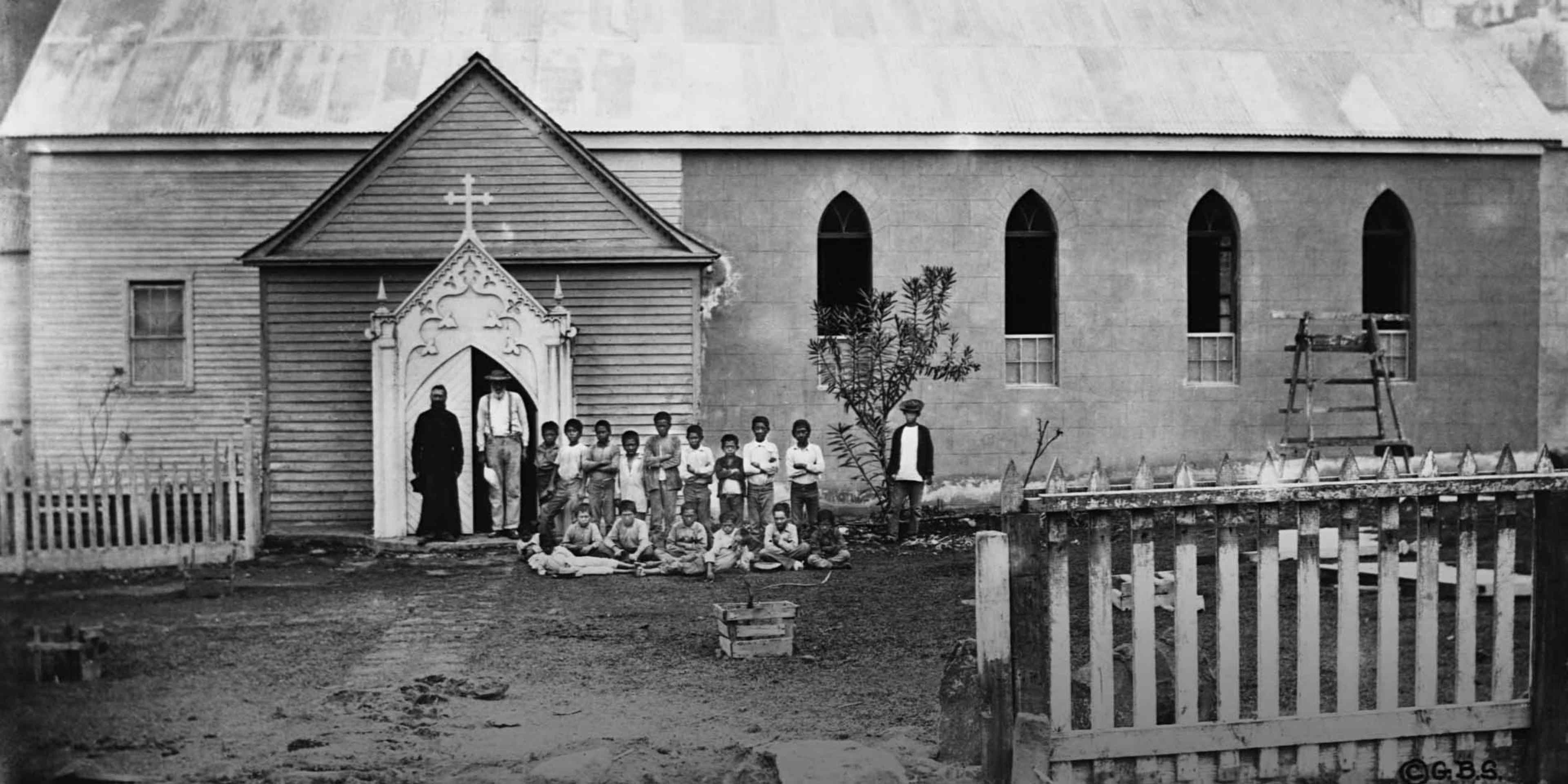
- Father Damien De Veuster (Saint Damien of Molokai): A Belgian missionary priest who arrived at Kalaupapa in 1873. He built houses, constructed a water system, organized music activities, and provided pastoral care. He lived among the patients as one of them, eventually contracting the disease and dying in 1889. He was canonized by the Catholic Church in 2009 for his selfless devotion.
- Mother Marianne Cope (Saint Marianne of Molokai): Leading a group of Franciscan Sisters from New York, Mother Marianne arrived in Hawaii in 1888 to care for the dying Father Damien and continue his work. She introduced rigorous sanitation, established educational facilities for girls, and brought a sense of dignity and beauty to the peninsula. Remarkably, she never contracted the disease and was canonized in 2012.
- Stanley Stein: Admitted to Carville in 1931, Stein became a fierce advocate for patients. He founded The Star, a global magazine written and published by patients, which served as a powerful weapon against the societal stigma of leprosy and advocated for medical and social reform.
Causes, Context, and Sociopolitical Underpinnings
The creation of US leprosy colonies was fueled by a convergence of xenophobia, lack of medical understanding, and historical prejudice. In the late 19th century, as the United States experienced rapid industrialization and waves of immigration, marginalized groups—particularly Chinese, Hawaiian, and African American populations—were frequently scapegoated as vectors of disease. Public health officials, lacking knowledge of the transmission vectors of Mycobacterium leprae, used quarantine as a blunt instrument of social control.
The systematic denial of basic rights within these colonies represents a dark chapter in the evolution of American civic liberty. Since the early days of representative government in Virginia, marked by the establishment of the House of Burgesses, American society had championed self-determination and local representation. Yet, for nearly a century, Hansen’s disease patients were stripped of these exact protections, highlighting a deep hypocrisy in how the state defined personhood. The federal government prioritized collective peace of mind over the civil liberties of the individual, denying patients the right to vote, travel, raise families, or even maintain their legal identities.
Major Turning Points: The Promin Breakthrough and Social Reform
For decades, leprosy was treated with chaulmoogra oil, an ineffective and painful therapy. The true turning point arrived in the 1940s at Carville. Under the leadership of Dr. Guy Faget, clinical trials began on Promin, a sulfone drug. The results were miraculous: the bacteria were halted, lesions healed, and patients were cured. This medical revolution proved that Hansen’s disease was not a hereditary curse or an incurable scourge, but a highly manageable infection.
With the medical cure came social emancipation. Armed with scientific evidence showing that over 95 percent of the human population has a natural immunity to the bacteria, patients and advocates successfully campaigned to ease restrictions. In 1946, patients at Carville voted in federal elections for the first time. The transition from a military-style quarantine facility to a research and rehabilitation center began, though the legacy of stigma kept many patients institutionalized long after they were cured.
Long-Term Impact on America
The history of US leprosy colonies left a lasting imprint on American medical ethics and public health policy. It forced a fundamental reevaluation of quarantine laws, shifting the focus from punitive isolation to patient-centered care and scientific education. Today, the legacy of Kalaupapa is preserved as the Kalaupapa National Historical Park, ensuring that the stories of the thousands who suffered and built lives there are never forgotten. Similarly, the National Hansen’s Disease Museum at Carville preserves the cultural, architectural, and medical history of the continental United States’ struggle against the disease, serving as a monument to human resilience and scientific triumph.
Lesser-Known Facts about US Leprosy Colonies
- The Forced Separation of Infants: One of the most heartbreaking policies in both Kalaupapa and Carville was the immediate and forced removal of newborn babies from mothers who gave birth in the colonies. Fearing the children would contract the disease, authorities placed them in orphanages or with healthy relatives, often preventing parents from ever seeing their children grow up.
- The Secret Identities of Carville: Upon arriving at the Carville National Leprosarium, patients were strongly encouraged to adopt a completely new name. This was done to protect their families from the devastating social stigma, as a single diagnosed relative could ruin a family’s business, social standing, and marriage prospects in the outside world.
- The Armadillo Connection: While Hansen’s disease is primarily spread through prolonged, close contact with untreated respiratory droplets, scientists discovered that the nine-banded armadillo is one of the few other mammals capable of harboring and transmitting the bacteria. Today, most naturally occurring cases in the southern United States are traced back to contact with these animals.
Why It Still Matters Today
The tragic history of US leprosy colonies serves as a critical cautionary tale for modern public health crises. It illustrates the dangers of allowing fear, stigma, and political panic to dictate medical policy. From the early days of the HIV/AIDS epidemic to the quarantine challenges of the COVID-19 pandemic, the lessons of Kalaupapa and Carville remind us that public health policies must always be rooted in sound science and a profound respect for human dignity. When fear overrides compassion, society risks converting medical care into a tool of incarceration, leaving deep institutional scars that take generations to heal.
People Also Ask (FAQ)
What is Hansen’s disease?
Hansen’s disease is the clinical name for leprosy, a chronic infectious disease caused by the bacterium Mycobacterium leprae. It primarily affects the skin, peripheral nerves, mucosal surfaces of the upper respiratory tract, and the eyes.
Why were leprosy patients sent to Kalaupapa?
In 1865, the Hawaiian Kingdom passed forced isolation laws to control what was believed to be an epidemic of leprosy. The remote Kalaupapa Peninsula on Molokai was chosen because its high sea cliffs and surrounding ocean made escape impossible, acting as a natural quarantine barrier.
Is leprosy highly contagious?
No. Leprosy is actually one of the least infectious diseases in the world. Approximately 95 percent of the human population has a natural, genetic immunity to the bacteria. It cannot be contracted through casual contact like shaking hands or sitting next to someone; transmission requires prolonged, close contact with untreated respiratory secretions.
When did the US leprosy colonies officially close?
The mandatory quarantine laws in Hawaii were repealed in 1969, though residents were guaranteed the right to live at Kalaupapa for the rest of their lives. The residential facility at Carville, Louisiana, officially closed in 1999, transitioning into a museum and research hub.
Conclusion: The Triumph of Human Dignity
The history of US leprosy colonies is a complex tapestry of government overreach, societal cruelty, and extraordinary human resilience. In isolated outposts like Kalaupapa and Carville, individuals who were stripped of their names, their families, and their civil rights refused to let their spirits be broken. They built homes, fell in love, established civic groups, and engaged in scientific trials that ultimately cured their disease. Their legacy stands as a powerful testament to the triumph of dignity over fear, reminding us that even in the darkest corners of isolation, the human heart has an extraordinary capacity to find community, hope, and home.


