More than a century and a half before the American Revolution severed ties with the British Crown, a quiet but momentous experiment in self-governance took root in the humid wilderness of Virginia. On July 30, 1619, a group of twenty-two elected settlers gathered inside a modest wooden church in Jamestown to convene the House of Burgesses. Acting as the first democratically elected legislative body in English North America, this assembly served as a monumental milestone that would forever alter the trajectory of the New World. It established a precedent of representative government, proving that colonists could manage their own local affairs rather than blindly relying on distant royal decrees or corporate directives. However, this early model of democracy also carried profound contradictions, existing alongside the devastating displacement of Indigenous populations and laying the legal groundwork for systemic chattel slavery. By understanding the multi-faceted history of the House of Burgesses, we gain deep insight into both the noble ideals of the American republic and the enduring struggles for liberty and equality that define its legacy.
Historical Background: From Martial Law to Representational Governance
To understand why the creation of the House of Burgesses was such a radical departure from the norm, one must first look at the chaotic early years of the Virginia Colony. Founded in 1607 as a private joint-stock venture by the Virginia Company of London, Jamestown initially teetered on the brink of absolute collapse. The settlers faced devastating starvation, rampant diseases, and intense conflicts with the Powhatan Confederacy, who had inhabited and cultivated the fertile coastal plains for centuries prior to English arrival. In a desperate attempt to maintain order, early colonial governors enacted harsh military codes, most notably Dale’s Code under Sir Thomas Dale, which imposed severe capital punishments for minor offenses like stealing food.
By 1618, the leaders of the Virginia Company recognized that strict martial law was stifling the colony’s growth and deterring potential settlers. Sir Edwin Sandys, a prominent anti-royalist shareholder in London who rejected the absolute power of the monarchy, proposed a series of sweeping political and economic reforms. These reforms culminated in the Great Charter of 1618, which abolished military rule, introduced private land ownership via the headright system, and authorized the creation of a general assembly where free male landowners could have a voice in local governance. This visionary structural shift laid the groundwork for a participatory political culture in North America, though it was strictly limited to wealthy white males.
Chronological Timeline of the House of Burgesses
- 1607: Jamestown is established by the Virginia Company of London as a profit-driven enterprise.
- 1618: Sir Edwin Sandys helps draft the Great Charter, authorizing a representative assembly to increase settler buy-in.
- July 30, 1619: The first General Assembly meets at the Jamestown church, consisting of Governor Sir George Yeardley, his council, and 22 elected burgesses representing 11 jurisdictions.
- 1624: King James I dissolves the Virginia Company’s charter due to financial distress and conflict, converting Virginia into a royal colony.
- 1639: King Charles I officially recognizes the assembly’s legislative authority under Governor Sir Francis Wyatt.
- 1643: Governor Sir William Berkeley permits the burgesses to meet separately from the governor’s council, forming the first bicameral legislature in the colonies.
- 1662: The assembly passes legislation declaring that the legal status of children born to enslaved mothers would follow the mother, codifying hereditary slavery.
- 1676: Bacon’s Rebellion erupts, resulting in the burning of Jamestown and highlighting deep class and geographical divisions within the colony.
- 1699: The colonial capital moves from Jamestown to Williamsburg, and the House of Burgesses relocates its chambers.
- 1705: The Virginia Slave Codes are fully revised and systematized, severely restricting the rights of free and enslaved Black people.
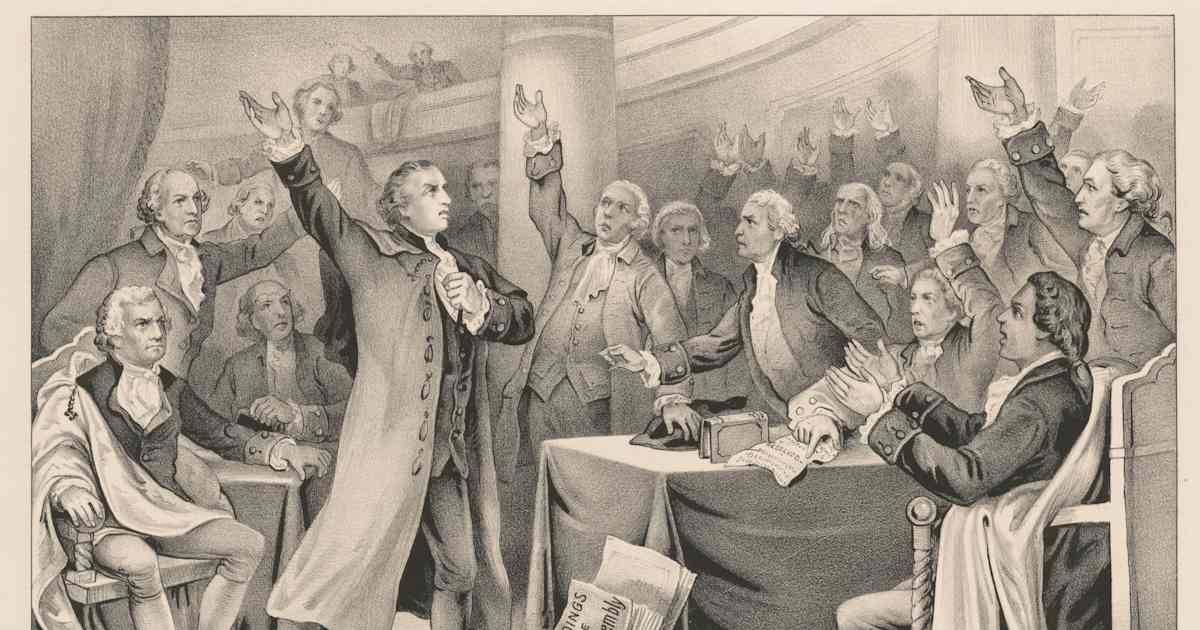
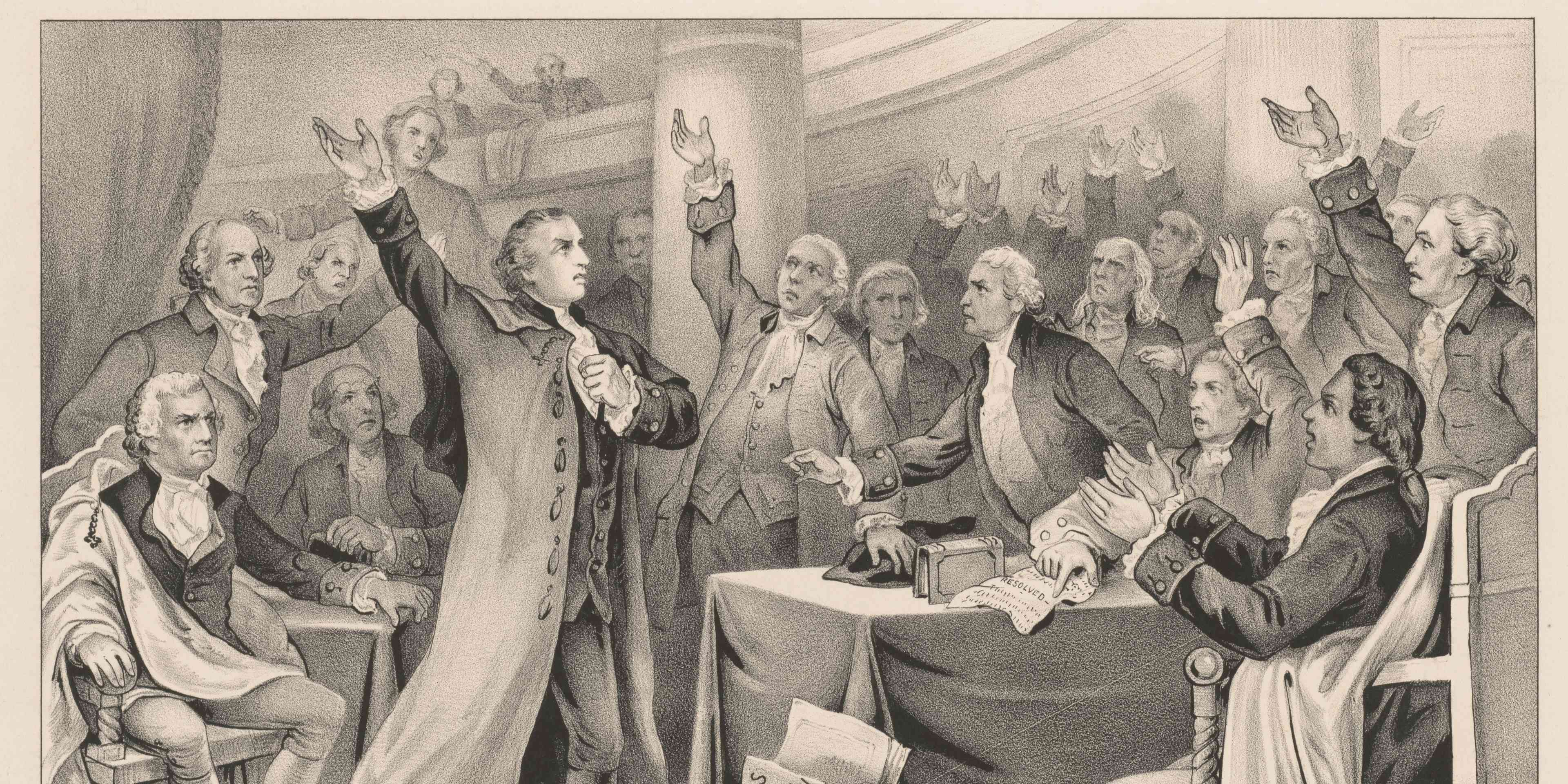
- 1765: Patrick Henry presents his fiery Stamp Act Resolves, challenging the British Parliament’s authority to tax the colonies without representation.
- 1774: Royal Governor Lord Dunmore dissolves the assembly after they protest the British blockade of Boston, prompting the burgesses to meet in secret at Raleigh Tavern.
- May 1776: The final session of the House of Burgesses meets before it is officially succeeded by the Virginia House of Delegates under the new state constitution.
Key Historical Figures and Their Legacies
The story of the House of Burgesses is populated by visionary reformers, colonial administrators, and radical revolutionaries who left an indelible mark on American history:
- Sir Edwin Sandys: Although he never set foot in Virginia, Sandys was the intellectual architect of the assembly. His belief that free men should play a role in crafting the laws they lived under revolutionized colonial administration.
- Sir George Yeardley: As the newly appointed governor who arrived in 1619, Yeardley executed the Great Charter’s instructions and summoned the very first assembly, physically bridging the gap between London’s corporate boardrooms and the realities of the Virginia frontier.
- Patrick Henry: Elected to the assembly in 1765, this brilliant orator used the House of Burgesses as a launchpad for revolution. His fierce opposition to the Stamp Act and his legendary speech galvanized colonial resistance against British overreach.
- George Washington and Thomas Jefferson: Both of these iconic Founding Fathers began their political careers in the House of Burgesses. Washington served starting in 1758, gaining valuable legislative experience, while Jefferson was elected in 1769 at the age of 26, honing the drafting skills that would later produce the Declaration of Independence.
A Dark Contradiction: Liberty and the Codification of Slavery
While the House of Burgesses is celebrated for pioneering representative democracy, a complete historical analysis requires examining its darker, dehumanizing legislation. The very assembly that championed self-determination for white male landowners systematically stripped away the basic human rights of Black and Indigenous peoples. In 1619, the first documented African captives arrived in Virginia. Initially, their legal status was ambiguous, with some serving as indentured servants who could eventually win their freedom.
However, as the tobacco economy boomed, the House of Burgesses took deliberate legislative steps to protect the economic interests of wealthy plantation owners. In 1662, the assembly declared that children born in the colony would hold the status of their mothers, ensuring that slavery would be hereditary. By 1705, the burgesses codified the infamous Virginia Slave Codes. These laws legally defined enslaved people as property, prohibited them from carrying weapons or traveling without permission, and exempted masters from felony charges if an enslaved person died during correction. This stark paradox—cultivating liberty for some while institutionalizing chattel slavery for others—is a foundational tension that shaped the American experiment.
Major Turning Points and the Road to Revolution
The House of Burgesses continually evolved over its 157-year history, gradually transitioning from a local advisory council into a powerful instrument of rebellion. One critical turning point occurred in 1643 when Governor Berkeley split the assembly into two distinct bodies. The governor and his hand-picked councilors became the upper house, while the elected burgesses sat separately as the lower house. This bicameral structure allowed the burgesses to control local taxation, giving them significant leverage over royal officials who relied on colonial taxes for their salaries.
The ultimate turning point came in the 1760s following the French and Indian War. When the British Parliament attempted to pay off its war debt by imposing direct taxes on the colonies—such as the Stamp Act of 1765—the House of Burgesses asserted that only local assemblies had the legal right to tax colonists. When Royal Governor John Murray, Earl of Dunmore, repeatedly dissolved the assembly to suppress their protests, the burgesses refused to be silenced. They moved their meetings to the nearby Raleigh Tavern in Williamsburg, organizing the First Virginia Convention and appointing delegates to the First Continental Congress. Through these defiant acts of self-organization, the burgesses effectively dismantled royal authority in Virginia before a single shot of the Revolutionary War was fired.
Lesser-Known Facts About the House of Burgesses
- Death by Heat Wave: The very first meeting of the assembly in July 1619 took place during a brutal Virginia heat wave. Dressed in heavy wool suits to maintain formal English decorum, several burgesses fell ill, and one representative, Richard Featherstone, tragically died from heatstroke on the third day of the session.
- An Indigenous Perspective: The very first legislative bill introduced in 1619 dealt with relations and trade with Native Americans. Far from being an empty wilderness, the region was governed by the powerful Powhatan Confederacy under Chief Wahunsenacawh, meaning the burgesses’ early laws were heavily influenced by their interactions with local Indigenous tribes. Democratic self-governance in North America did not begin in 1619; Indigenous nations had practiced sophisticated forms of representative and consensus-based governance for centuries.
- Raleigh Tavern as a Secret Senate: After being locked out of the Capitol building by the royal governor in 1774, the burgesses essentially turned a local pub, the Raleigh Tavern, into their legislative chamber. Over pints of ale, they drafted resolutions that helped spark the American Revolution.
Why the House of Burgesses Matters Today
The legacy of the House of Burgesses reverberates deeply in modern American political structures. When the framers of the U.S. Constitution drafted the blueprint for the federal government, they relied heavily on the bicameral legislative model that had been tested and refined in Williamsburg and other colonial capitals. The separation of powers, the concept of local representation, and the power of the purse all have direct historical links to the experiments of 1619.
Furthermore, studying the assembly encourages us to confront the foundational flaws of early American democracy. It reminds us that representative systems are not inherently inclusive and must be continuously expanded to protect the rights of all citizens. By critically examining the House of Burgesses, we appreciate the fragile nature of democratic institutions and the ongoing civic duty required to form a more perfect union.
People Also Ask
Who was allowed to vote for the House of Burgesses?
Initially, all free men were allowed to vote, but as the colony grew, voting rights were restricted. By the late 17th century, only white male landowners who were at least 21 years old and possessed a certain amount of property, known as freeholders, were allowed to vote or run for office.
Why was the House of Burgesses created?
It was created by the Virginia Company of London to replace a failing system of military rule with a representative system. The goal was to make the colony more attractive to potential English settlers, encourage private land ownership, and give the disgruntled colonists a sense of buy-in by allowing them to pass their own local laws.
What was the historical significance of the House of Burgesses?
Its primary significance is that it was the first representative, democratically elected legislative body in British North America. It established a strong precedent of colonial self-governance and served as a crucial political training ground for key American revolutionaries like George Washington, Thomas Jefferson, and Patrick Henry.
Conclusion
From its sweltering inaugural meeting in a Jamestown church to its defiant final sessions in Williamsburg’s taverns, the House of Burgesses was a crucible of the American political identity. It proved that a government by the people was not merely a philosophical theory, but a practical reality. Yet, it also serves as a somber reminder of the historical injustices that accompanied the birth of the nation. By studying this rich and complex institution, we honor the intricate journey of American self-determination—a journey that continues to evolve to this day.


