When most people envision the early European colonization of North America, their minds naturally drift to the vast Spanish missions, the French fur trappers of Canada, the Dutch merchants of New Amsterdam, or the English Puritans of New England. However, nestled quietly in the mid-Atlantic region lies a fascinating and often overlooked chapter of early American history: New Sweden (Nya Sverige). For nearly two decades in the seventeenth century, the Kingdom of Sweden established a vibrant, albeit small, colonial foothold that spanned parts of modern-day Delaware, Pennsylvania, and New Jersey. Despite its brief existence and ultimate absorption by neighboring powers, this Scandinavian outpost left an indelible cultural mark on the American frontier, introducing structural innovations and social customs that would forever shape the physical and cultural landscape of the New World. Understanding New Sweden offers us a valuable window into a highly competitive, multi-national struggle for control over North America long before the British consolidated their grip on the eastern seaboard.
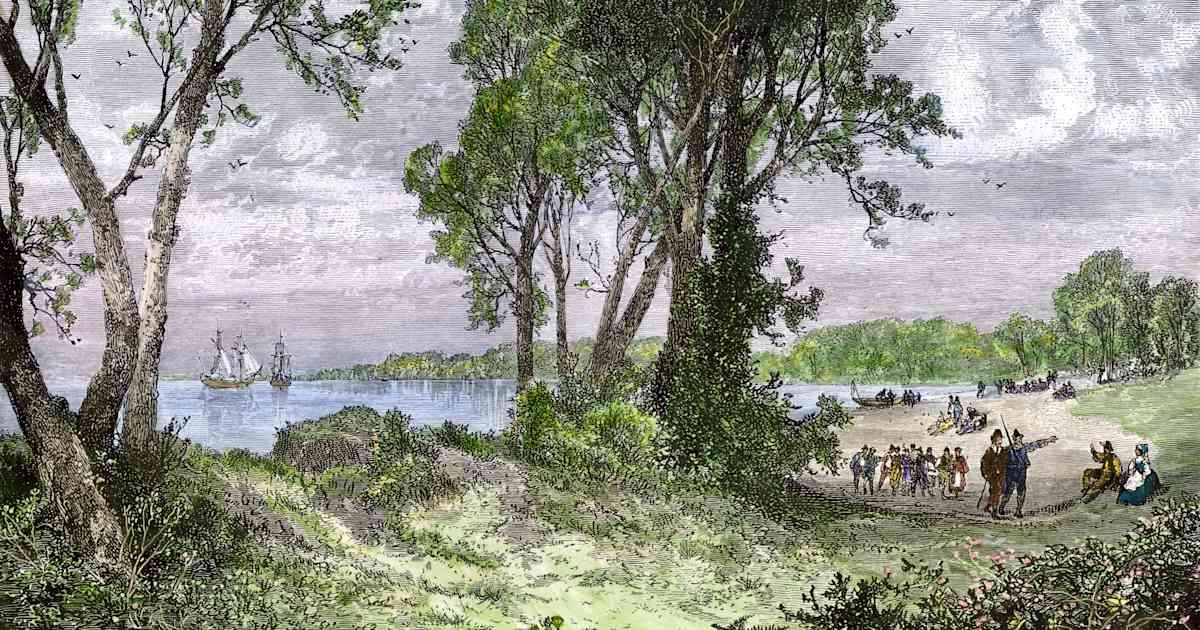
Historical Background: Sweden’s Ascent to Empire
During the early seventeenth century, Sweden was undergoing a dramatic transformation. Under the visionary military leadership of King Gustavus Adolphus, the Scandinavian nation emerged as a formidable European superpower, heavily involved in the Thirty Years War. This newfound geopolitical strength brought with it an ambition to match the maritime and economic successes of rivals like Spain, England, and the Netherlands. Recognizing that global trade was the key to long-term national wealth, Swedish statesmen sought to establish an overseas empire. Following the death of Gustavus Adolphus, the Swedish Chancellor Axel Oxenstierna championed the creation of the New Sweden Company (Söderkompaniet) in the 1630s. The company’s primary objective was to tap into the lucrative fur and tobacco trades of North America, carving out a sovereign territory in an unexplored or sparsely populated region before other European powers could claim it.
A Chronological Timeline of New Sweden (1638–1655)
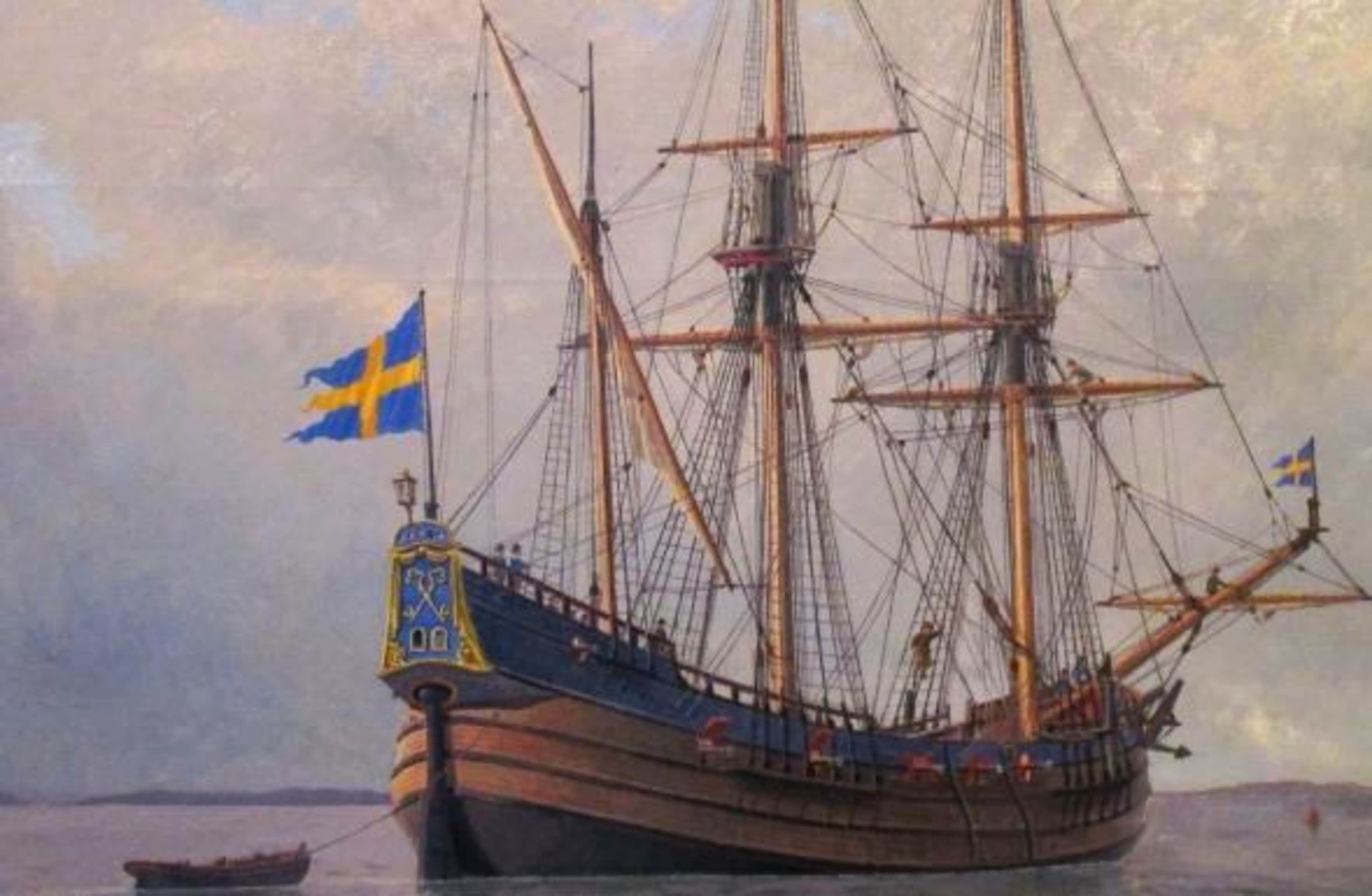
- 1637 (Late Autumn): The first Swedish expedition, consisting of two ships, the Kalmar Nyckel and the Fogel Grip, departs from Gothenburg under the command of Peter Minuit.
- March 1638: The expedition arrives at the Delaware River. Minuit negotiates a land purchase with the local Lenape and Susquehannock leaders, establishing Fort Christina (named after the young Queen Christina of Sweden) near modern-day Wilmington, Delaware.
- August 1638: Peter Minuit tragically dies in a Caribbean hurricane during a return voyage to Sweden, leaving the fledgling colony without its founding leader.
- 1643: Johan Björnsson Printz arrives as governor, dramatically expanding the colony’s footprint and constructing new fortifications, including Fort Elfsborg and Fort New Gothenburg.
- 1651: The Dutch, led by Director-General Peter Stuyvesant, construct Fort Casimir just downstream from the Swedish settlements, escalating geopolitical tensions.
- 1654: The newly arrived Swedish governor, Johan Rising, captures Fort Casimir, renaming it Fort Trinity—a bold move that would prove to be a fatal strategic miscalculation.
- September 1655: Peter Stuyvesant retaliates with an overwhelming military force of seven Dutch armed ships and hundreds of soldiers. Lacking reinforcement from Sweden, Governor Rising is forced to surrender Fort Christina, ending formal Swedish sovereignty in North America.
Key Historical Figures & Their Roles
Peter Minuit: The Dutch Captain Under the Swedish Flag
Perhaps one of the most intriguing characters of the colonial era, Peter Minuit is famous for purchasing Manhattan for the Dutch. However, after falling out of favor with the Dutch West India Company, his expertise was eagerly recruited by the Swedish Crown. Minuit utilized his database of knowledge of the Delaware River Valley—an area the Dutch claimed but had not yet effectively settled—to position New Sweden in a strategic pocket of land. His diplomacy with indigenous leaders secured a peaceful foundation for the colony, though his sudden death in late 1638 deprived the settlement of his administrative genius.
Governor Johan Printz: The Formidable “Big Belly”
Arriving in 1643, Johan Printz was a larger-than-life figure—literally. Weighing roughly 400 pounds, local Native Americans nicknamed him “Big Belly.” Printz was an authoritarian but highly effective leader. He moved the colony’s capital from Fort Christina to Tinicum Island (near modern Philadelphia) and constructed “Printzhof,” a grand, two-story log mansion. Printz prioritized agricultural self-sufficiency, forcing the cultivation of rye, barley, and tobacco, and vigorously defended Swedish trade monopolies along the river. Despite his efforts, the constant lack of supplies and manpower from Sweden eventually wore him down, leading to his resignation in 1653.
Johan Rising: The Overzealous Last Governor
Taking the reins in 1654, Johan Rising sought to revitalize the colony. His immediate, aggressive decision to seize the Dutch outpost of Fort Casimir was intended to secure complete Swedish dominance of the Delaware River. However, Rising completely underestimated the resolve of the Dutch and the vulnerabilities of his own under-populated colony, ultimately precipitating the swift end of New Sweden.
Coexistence and Trade with the Lenape and Susquehannock
In stark contrast to some of the violent encounters that characterized other European settlements, New Sweden maintained remarkably peaceful and cooperative relations with the indigenous populations. The local Lenape (Delaware) and Susquehannock nations valued the Swedes as reliable trading partners. The Swedes bartered European manufactured goods, textiles, and iron tools for valuable beaver pelts and agricultural supplies like corn. Because the Swedish population remained low, they did not pose an immediate existential threat of land encroachment to the native tribes. This mutually beneficial relationship allowed the small colony to survive winter hardships and food shortages that otherwise would have wiped them out, illustrating a unique model of co-existence that stood out in an era often defined by colonial expansionist aggression.
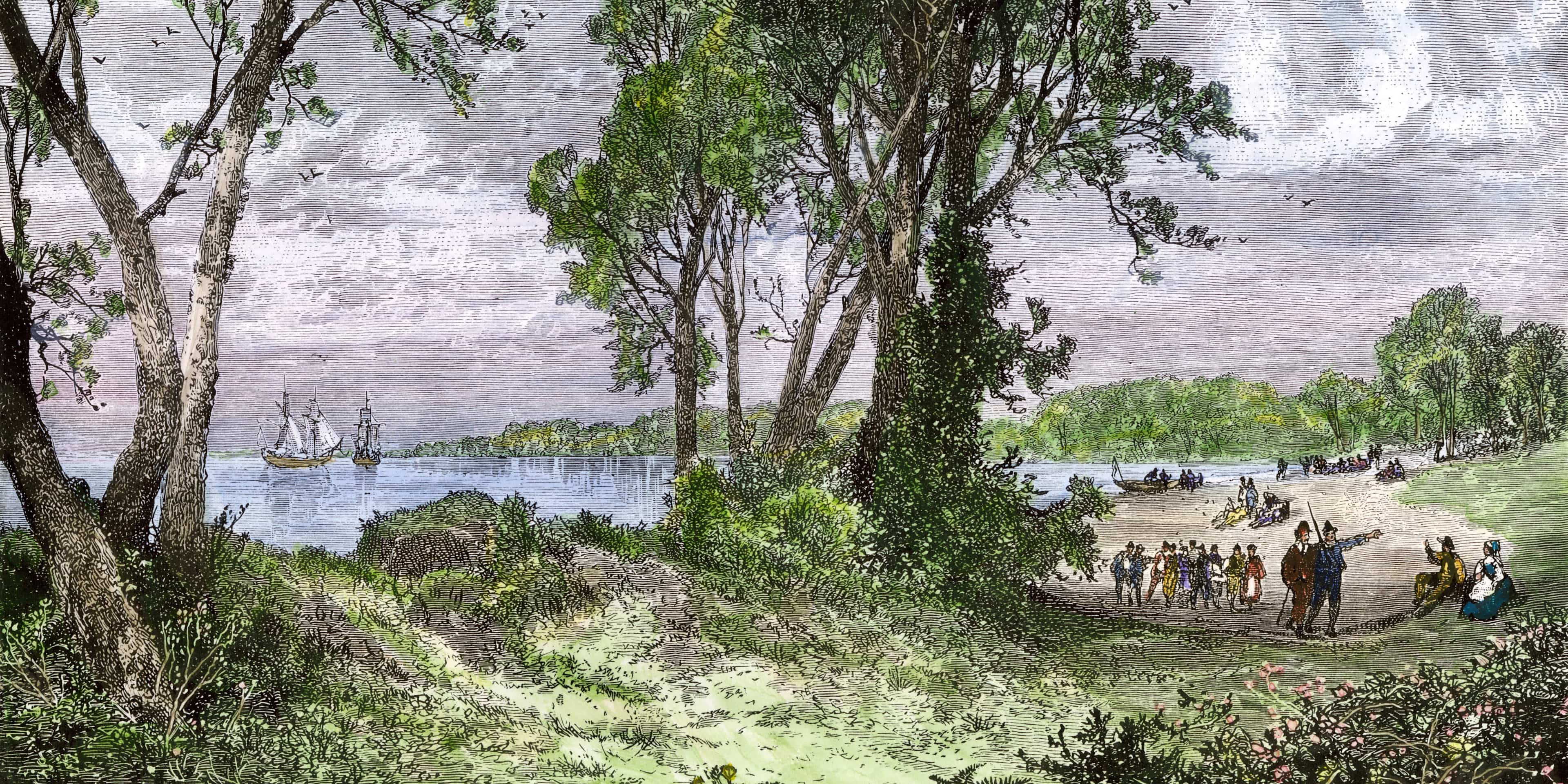
Major Turning Points and the Fall of the Colony
The history of New Sweden was constantly overshadowed by its larger, more populous neighbors. While the English dominated the regions to the north and south, and the Dutch held New Netherland, New Sweden was squeezed into a tight geographical corridor. The colony’s population rarely exceeded 200 to 300 residents at any given time. This lack of demographic weight made it one of several failed North American colonies that struggled to survive against better-funded corporate empires.
The ultimate turning point occurred in 1654 with the capture of Fort Casimir. This aggressive act by Governor Rising gave Peter Stuyvesant the perfect excuse to permanently eliminate the Swedish threat. The Dutch military expedition of 1655 was overwhelming, and without any hope of reinforcements from Stockholm, the Swedish settlers had no choice but to surrender peacefully. While Sweden never again attempted to plant its flag in North America, the peaceful transition of power meant that many Swedish and Finnish settlers chose to remain in their homes, continuing their way of life under Dutch, and later, English rule.
The Cultural Legacy: How New Sweden Shaped America
Though short-lived, New Sweden introduced several cultural elements that became foundational to the American identity. Most notably, the Swedish and Finnish settlers brought their traditional Scandinavian building techniques to the wilderness. They introduced the log cabin—a structure constructed from notched logs that required no nails. This architectural style was perfectly suited for the heavily forested American frontier. It was quickly adopted by later waves of English, German, and Scotch-Irish settlers, eventually becoming the iconic symbol of American pioneer life.
Furthermore, New Sweden introduced Lutheran Christianity to the Mid-Atlantic. Long after the colony fell, Swedish churches continued to serve as community hubs. The Swedish language also persisted in the Delaware Valley well into the late eighteenth century, demonstrating a resilient cultural enclave. These contributions highlight that the cultural landscape of the 13 colonies was far more diverse and complex than English-centric histories often suggest, standing alongside early settlements like St. Augustine, the first permanent European settlement in America, as proof of America’s multi-ethnic beginnings.
Lesser-Known Historical Facts
- The “Forest Finns”: A significant portion of New Sweden’s settlers were actually Finns. During this era, Finland was a part of the Swedish Kingdom. Many of these settlers were “Forest Finns” (Metsäsuomalaiset), who were highly skilled in slash-and-burn agriculture and wilderness survival, making them uniquely equipped to thrive in the dense forests of the New World.
- The Oldest Log Cabin in America: Located in Gibbstown, New Jersey, the C. A. Nothnagle Log House is believed to have been built by Swedish or Finnish settlers around 1638 to 1643. It stands today as the oldest surviving log cabin in the United States and is a testament to the enduring craftsmanship of New Sweden’s pioneers.
- A Colony of “Conscripts”: Because voluntary emigration from Sweden was extremely low, the Swedish government began utilizing New Sweden as a penal colony. Deserters, petty criminals, and debtors were given the choice between prison in Sweden or a new life of labor in the Delaware Valley.
Why New Sweden Matters Today
New Sweden serves as an important reminder that the story of America is a mosaic of different cultures, languages, and heritages. It challenges the simplified historical narrative of a purely Anglo-Saxon foundation of early America. The peaceful coexistence between the Swedes, Finns, and Indigenous peoples offers a fascinating counterpoint to the more destructive colonial narratives of the era. Today, organizations like the Swedish Colonial Society and places like the American Swedish Historical Museum in Philadelphia continue to preserve this unique legacy, ensuring that America’s forgotten Scandinavian roots are never truly lost.
People Also Ask (FAQ)
Where exactly was New Sweden located?
New Sweden was located along the lower Delaware River, spanning parts of modern-day Delaware, New Jersey, and Pennsylvania. Its capital and first settlement, Fort Christina, was situated in what is now Wilmington, Delaware. Other settlements extended up to the Philadelphia area and into southern New Jersey.
Why did New Sweden fail?
New Sweden failed primarily due to a severe lack of demographic and financial support from the Swedish government. With a population that rarely exceeded a few hundred, the colony was geographically vulnerable and easily overwhelmed when the Dutch, led by Peter Stuyvesant, launched a military expedition to claim the territory in 1655.
Did the Swedish settlers leave after the Dutch takeover?
No, most of the Swedish and Finnish settlers chose to remain in the Delaware Valley after the Dutch annexation in 1655. They were permitted to keep their land, practice their Lutheran faith, and speak their native language. They remained a distinct and influential community through the subsequent English takeover of the region in the 1680s.
Conclusion
Though New Sweden existed for only seventeen years as an independent colony, its impact outlasted its sovereign lifespan. From introducing the iconic American log cabin to establishing some of the earliest peaceful relationships with Native American tribes, the Swedish and Finnish pioneers proved that a colony’s significance is not measured solely by its lifespan or population. As we look back on the complex tapestry of American history, the story of Nya Sverige stands as a brilliant testament to the diverse, multi-national forces that shaped the destiny of the United States.


