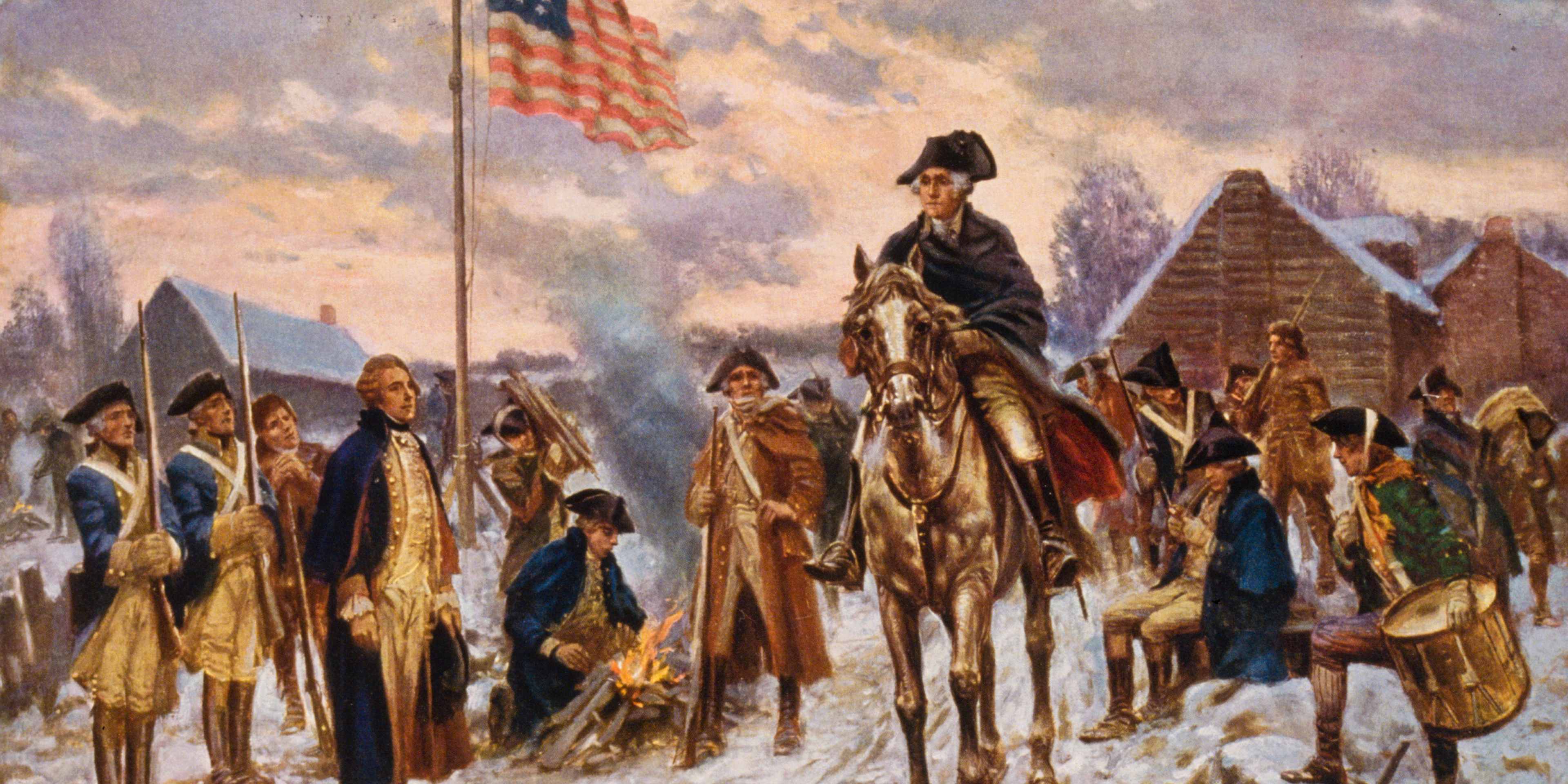
The six-month encampment of the Continental Army at Valley Forge during the winter of 1777–1778 remains one of the most defining chapters in the story of the American Revolutionary War. It was not a place of grand military engagements, but rather a crucible of human endurance, strategic reorganization, and profound transformation. Under the steadfast leadership of General George Washington and the rigorous instruction of the Prussian military officer Friedrich Wilhelm Baron von Steuben, a battered, demoralized, and poorly supplied force was forged into a professional, cohesive army. To truly understand how a loose confederation of colonies won their independence, one must look closely at the frozen hills of Pennsylvania, where the modern American military was born. This historic site, nestled along the banks of the Schuylkill River, served as the ultimate testing ground for the patriot cause, where political intrigue, deadly diseases, and logistical nightmares threatened to unravel the revolution from within.
Historical Background: The Road to Valley Forge
Before Valley Forge became the winter quarters for Washington’s army, the land was a rolling plateau rich in agricultural potential. Long before European settlers arrived, the region was part of the traditional homelands of the Lenape (Delaware) nation, who managed the forests and riverways with deep ecological respect. By the mid-18th century, European colonists had established farms and an iron forge along the Valley Creek, giving the area its name. As the Revolutionary War escalated, this peaceful landscape was swept into the geopolitical storm of the 13 colonies fighting for their independence from the British Crown.
The catalyst for the winter encampment at Valley Forge was a series of disastrous military defeats for the patriots in the autumn of 1777. General William Howe led the British Army in a successful campaign to capture Philadelphia, the revolutionary capital. After defeats at the Battle of Brandywine on September 11 and the Battle of Germantown on October 4, Washington’s forces were exhausted, demoralized, and pushed out of the city. With the onset of winter, Washington needed a strategic location to shelter his troops. He selected Valley Forge, located approximately 20 miles northwest of British-occupied Philadelphia, because its high ground provided a natural defensive position while allowing the Continental Army to monitor British movements and protect the surrounding Pennsylvania countryside from enemy foraging parties.
Key Events Timeline (1777–1778)
- September 18, 1777: The Battle of Valley Forge (a minor British raid on American supply warehouses).
- September 26, 1777: British forces under General Howe occupy Philadelphia.
- December 19, 1777: The Continental Army, numbering roughly 12,000 soldiers, marches into Valley Forge to begin the encampment.
- December 23, 1777: Washington writes his famous letter to the Continental Congress, warning that nearly 3,000 of his men are unfit for duty due to lack of clothing and shoes.
- February 23, 1778: Baron von Steuben arrives at Valley Forge, offering his military expertise.
- Spring 1778: Disease peaks in the camp; nonetheless, systematic military training begins to show dramatic results.
- May 6, 1778: The Continental Army celebrates the alliance with France, boosting morale enormously.
- June 19, 1778: Exactly six months after their arrival, the army marches out of Valley Forge to pursue the retreating British.
- June 28, 1778: The newly trained Continental Army fights the British to a tactical draw at the Battle of Monmouth.
Important Figures of Valley Forge
General George Washington
As the Commander-in-Chief of the Continental Army, George Washington faced immense political and physical pressure at Valley Forge. Not only did he have to keep his suffering troops fed and sheltered, but he also had to fend off the “Conway Cabal”—a political effort by some members of the Continental Congress and rival officers to replace him with General Horatio Gates. Washington’s refusal to abandon his men, his shared hardships, and his political maneuvering ultimately cemented his authority and secured his position as the indispensable leader of the American Revolution.
Friedrich Wilhelm Baron von Steuben
A former Prussian staff officer, Baron von Steuben arrived in America with high recommendations from Benjamin Franklin. Though he spoke almost no English, his energetic personality, military genius, and practical training methods quickly won over the troops. He transformed the camp’s physical organization and designed a highly efficient system of tactics and camp hygiene, acting as the chief drillmaster of the Continental Army.
Alexander Hamilton and Henry “Light Horse Harry” Lee
These young, brilliant officers played vital roles during the Valley Forge campaign. Hamilton, serving as Washington’s trusted aide-de-camp, drafted critical correspondence and helped manage the logistics of the camp. Lee, a highly capable cavalry commander, led successful scouting missions and harassed British supply lines, securing vital intelligence for the American high command.
The Crucible of Winter: Daily Life, Hunger, and Disease
Popular historical memory often depicts Valley Forge as a frozen wasteland of endless snow. While the winter was indeed cold, modern historical analyses suggest the weather was fairly typical for mid-Atlantic winters. The true crisis of Valley Forge was not the weather itself, but the spectacular failure of the Continental Army’s logistical and supply systems. Shortages of clothing, blankets, shoes, and food plagued the camp. Soldiers constructed nearly 2,000 log huts, measuring 14 by 16 feet, to house up to a dozen men each. Lacking adequate blankets, many were forced to sit awake by the fires at night to keep from freezing. To survive, they often had to make use of basic everyday objects of colonial America, improvising tools, utensils, and footwear out of scraps of wood, hide, and canvas.
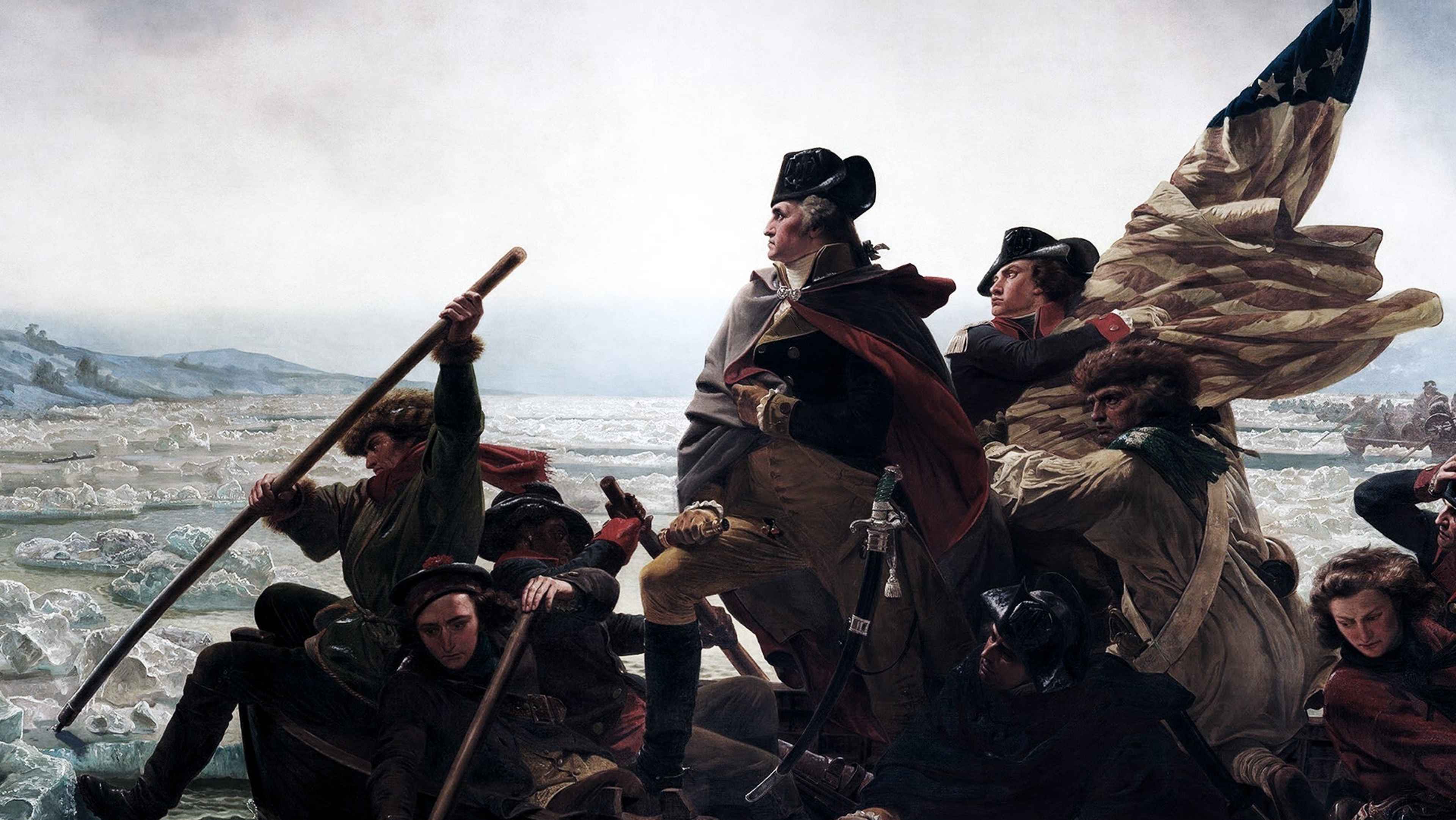
Food shortages reached a critical peak in February 1778. Rations, which theoretically included beef, flour, and salt pork, frequently ran dry, leaving soldiers to subsist on “firecakes”—a flavorless, paste-like mixture of flour and water baked over an open flame. Yet, the deadliest enemy at Valley Forge was not starvation or cold, but disease. Overcrowded huts, poor hygiene, and contaminated water supplies created a breeding ground for typhus, typhoid fever, dysentery, and influenza. Of the approximately 2,000 soldiers who died during the encampment, the vast majority succumbed to these illnesses, particularly during the warmer spring months of March, April, and May, when sanitation issues became exacerbated.
The Reforms of Baron von Steuben and the Birth of a Professional Army
The arrival of Baron von Steuben in late February 1778 marked a critical turning point. Recognizing the chaotic state of the camp, von Steuben immediately set to work restructuring the army’s organization. One of his first and most impactful actions was to revolutionize camp sanitation. He demanded that kitchens and latrines be placed on opposite sides of the camp, with latrines always facing downhill. This simple, common-sense reform dramatically reduced the spread of waterborne diseases and saved countless lives.
Beyond sanitation, von Steuben introduced a standardized system of drills and military tactics. He chose a select group of 100 men to form a “model company” and personally drilled them in Prussian-style maneuvers. Once they mastered the techniques, these men were sent back to their respective regiments to train others. He taught the soldiers how to march in tight columns of four, how to load and fire their muskets rapidly, and, crucially, how to use the bayonet as an offensive weapon rather than a cooking spit. His work was eventually codified in the “Regulations for the Order and Discipline of the Troops of the United States,” commonly known as the “Blue Book,” which served as the official training manual of the U.S. military for generations. This standardized training connected the various units from across the thirteen colonies, creating a unified military culture.
The Battle of Monmouth and the Long-Term Impact of Valley Forge
The true test of Valley Forge’s military transformation came on June 28, 1778, at the Battle of Monmouth in New Jersey. As the British Army evacuated Philadelphia to return to New York, Washington’s revitalized force pursued them. In the sweltering heat of Monmouth, the Continental Army stood toe-to-toe with the finest British regulars. Unlike earlier battles where American lines easily broke under British bayonet charges, Washington’s men stood their ground, launched coordinated counterattacks, and utilized effective artillery fire. While the battle ended in a tactical draw, it proved to the world—and to the soldiers themselves—that the Continental Army was now a professional fighting force capable of defeating the British Empire.
The long-term impact of Valley Forge on American history cannot be overstated. It established the institutional foundations of the United States Army, proving that a democratic republic could field a professional, disciplined standing military without sacrificing its core values. Furthermore, the shared suffering and ultimate triumph of Valley Forge created a powerful national mythos of resilience, unity, and sacrifice that helped bind the young nation together during its post-war developmental years.
Lesser-Known Facts About Valley Forge
- The Camp Followers Played a Vital Role: Valley Forge was not an exclusively male military camp. Up to 400 women and children, often referred to as “camp followers,” lived in the camp. These women, including Martha Washington, provided essential services such as laundering clothes, nursing the sick, and sewing uniforms, keeping the army functioning under dire circumstances.
- It Was Not the Coldest Winter: Despite the popular imagery of feet bleeding in the snow, the winter of 1777–1778 was actually relatively mild compared to other winters of the era, such as the brutal winter at Morristown, New Jersey, in 1779–1780. The suffering at Valley Forge was primarily caused by severe administrative and supply chain failures rather than catastrophic weather.
- Von Steuben’s Colorful Language: Since von Steuben spoke very little English, he relied on translators to shout commands. When he grew frustrated with the soldiers’ mistakes during drills, he would reportedly swear loudly in a mixture of French and German, famously yelling to his translators to “come and curse for me in English!” This colorful, passionate behavior endeared him to the troops.
Why Valley Forge Still Matters Today
Today, Valley Forge National Historical Park stands as a monument to the resilience of the human spirit and the power of strategic leadership. In modern discussions of military history, leadership, and organizational management, Valley Forge is studied as a classic case of crisis management. It reminds us that victory is often won not on the battlefield itself, but in the quiet, agonizing periods of preparation, training, and institutional reform. The legacy of Valley Forge continues to inspire modern Americans as a symbol of overcoming seemingly insurmountable obstacles through unity, discipline, and shared sacrifice.
People Also Ask (FAQ)
Where is Valley Forge located?
Valley Forge is located in southeastern Pennsylvania, approximately 20 miles northwest of Philadelphia, along the western banks of the Schuylkill River.
How many soldiers died during the Valley Forge encampment?
Approximately 2,000 soldiers died during the six-month encampment. The vast majority of these deaths were caused by infectious diseases such as typhus, typhoid fever, dysentery, and influenza, rather than starvation or freezing.
What did Baron von Steuben do to help the Continental Army?
Baron von Steuben served as the chief drillmaster of the Continental Army. He standardized military drills, taught soldiers how to use bayonets effectively, improved camp sanitation by reorganizing the layout of latrines and kitchens, and wrote the “Blue Book,” which remained the military’s official training manual for decades.
Why did George Washington choose Valley Forge?
Washington chose Valley Forge because its elevated plateau provided a natural defensive position against British attacks, while its location was close enough to British-occupied Philadelphia to monitor enemy movements but far enough away to prevent a surprise assault.
Conclusion: The Legacy of Valley Forge
The story of Valley Forge is much more than a tale of winter suffering; it is the story of the birth of the American military. Through the unmatched perseverance of General George Washington and the systematic brilliance of Baron von Steuben, the Continental Army transformed its darkest hour into its finest triumph. When the soldiers marched out of Valley Forge in June 1778, they were no longer a disorganized collection of local militias, but a unified, professional army ready to secure the independence of a new nation.


