The founding of the United States of America is often taught as a glorious quest for liberty, spearheaded by visionary philosophers who dared to challenge the absolute authority of the British Crown. Yet, beneath the soaring rhetoric of the 1776 rebellion lay a profound, unresolved moral contradiction: the widespread practice of chattel slavery. When Thomas Jefferson penned the draft of the nation’s founding document, he included a searing, 168-word condemnation of the transatlantic slave trade, characterizing it as a “cruel war against human nature itself.” This radical passage, however, never made it into the final document signed by the Continental Congress. Understanding why Thomas Jefferson’s anti-slavery passage was removed from the Declaration of Independence is crucial for uncovering the complex negotiations, economic dependencies, and deep-seated compromises that shaped the birth of the American Republic. By analyzing this pivotal deletion, we can see how the young nation prioritized political cohesion and economic preservation over the universal human rights it claimed to champion.
The Historical Context of the 1776 Declaration
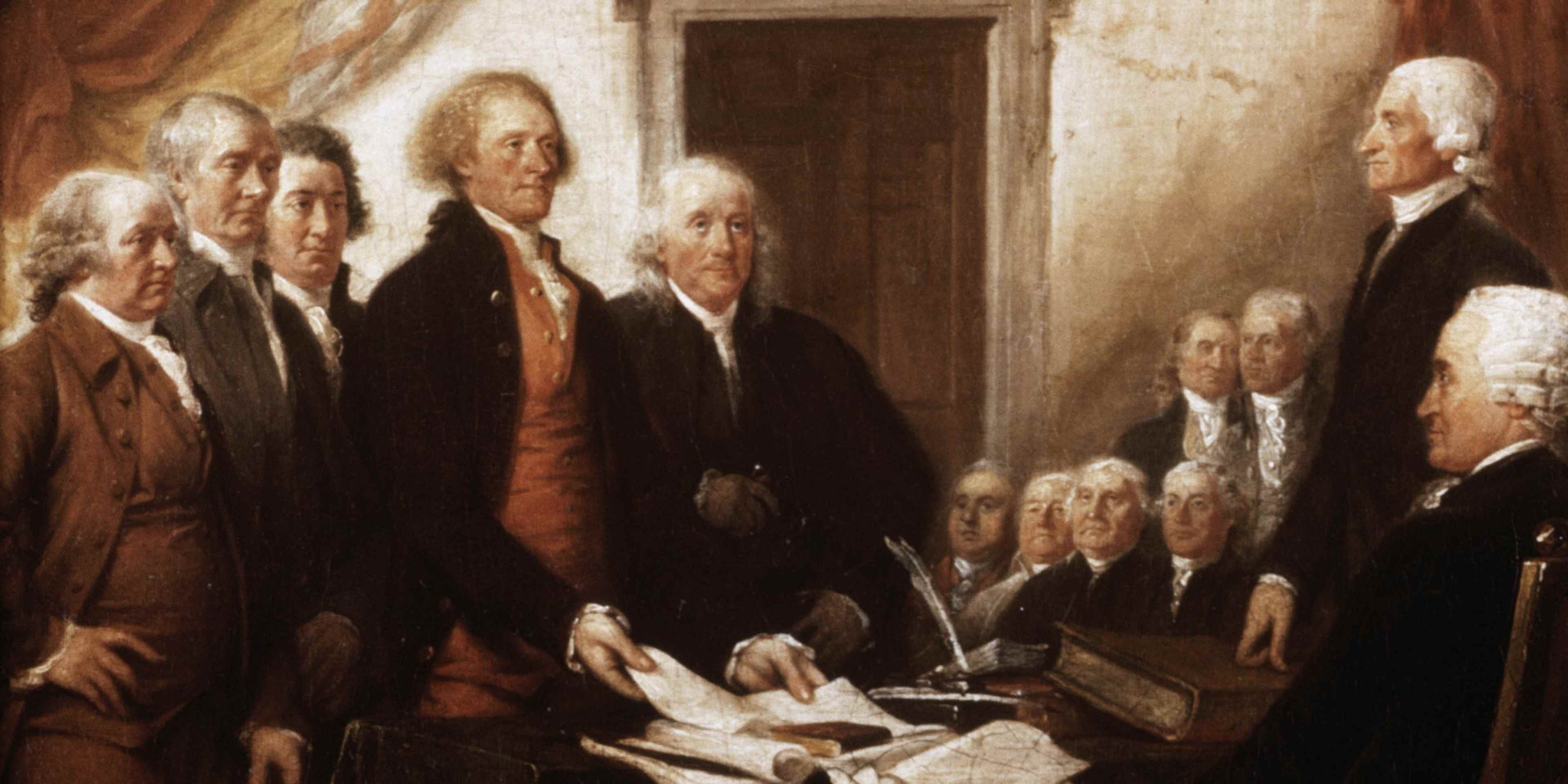
The summer of 1776 was a time of existential crisis for the thirteen American colonies. Confronted with the military might of King George III, the Second Continental Congress met in Philadelphia with a singular purpose: to declare their independence and justify their rebellion to the global stage. While the Declaration of Independence was also a list of grievances cataloging the king’s overreaches—ranging from unjust taxation to military occupation—the draft initially contained a far more explosive charge. Jefferson accused the British monarch of perpetuating the horrific slave trade, asserting that the Crown had forced the brutal institution of slavery onto the reluctant American colonies. This accusation was not merely a philosophical critique but a strategic attempt to shift the moral blame of slavery away from the colonists and onto the British monarchy.
The Timeline of the Deletion
To understand how this critical clause was expunged, we must look at the tight timeline of events during that fateful summer of 1776:
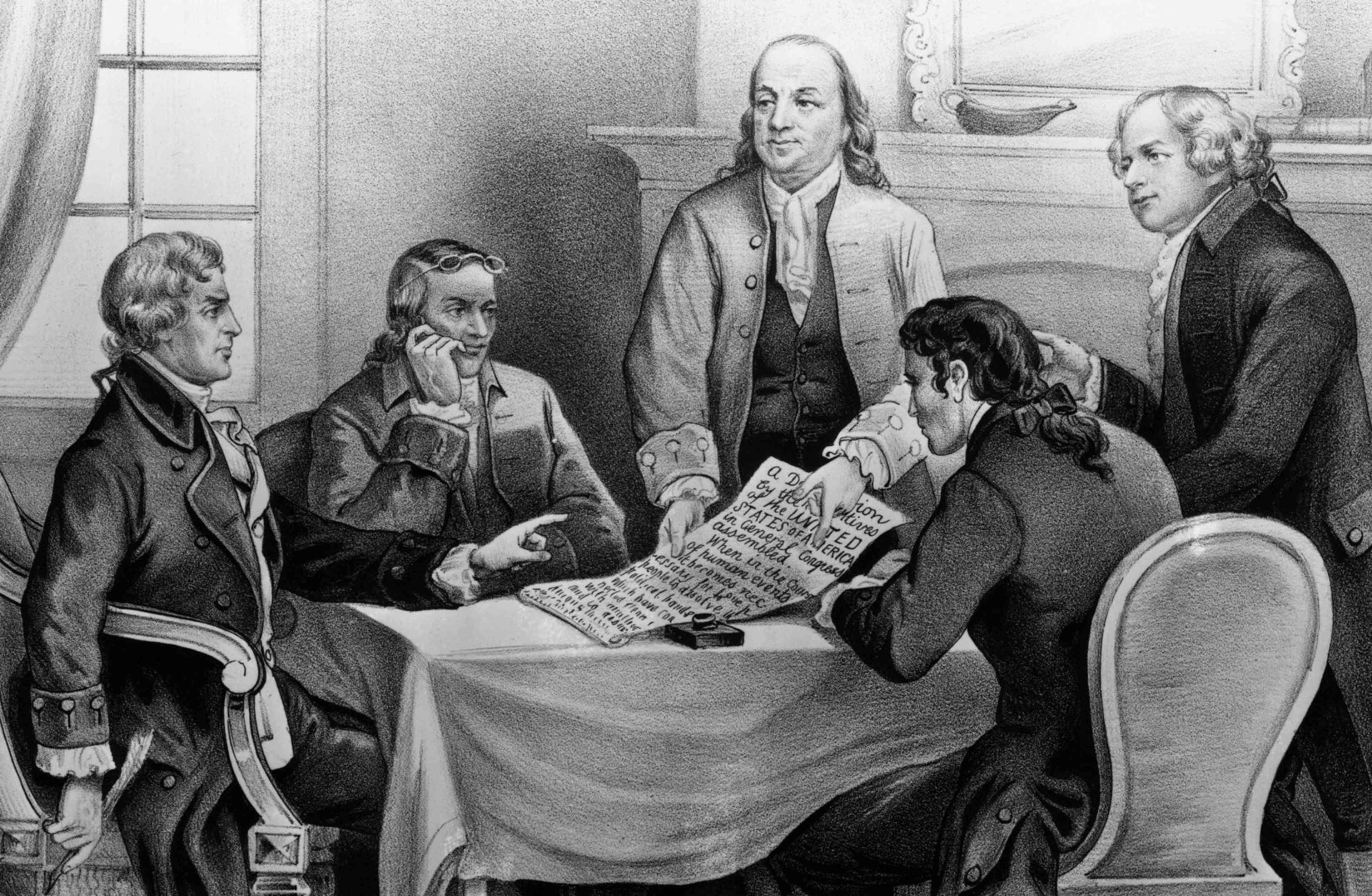
- June 11, 1776: Congress appoints the “Committee of Five”—consisting of Thomas Jefferson, John Adams, Benjamin Franklin, Roger Sherman, and Robert R. Livingston—to draft a formal declaration of independence.
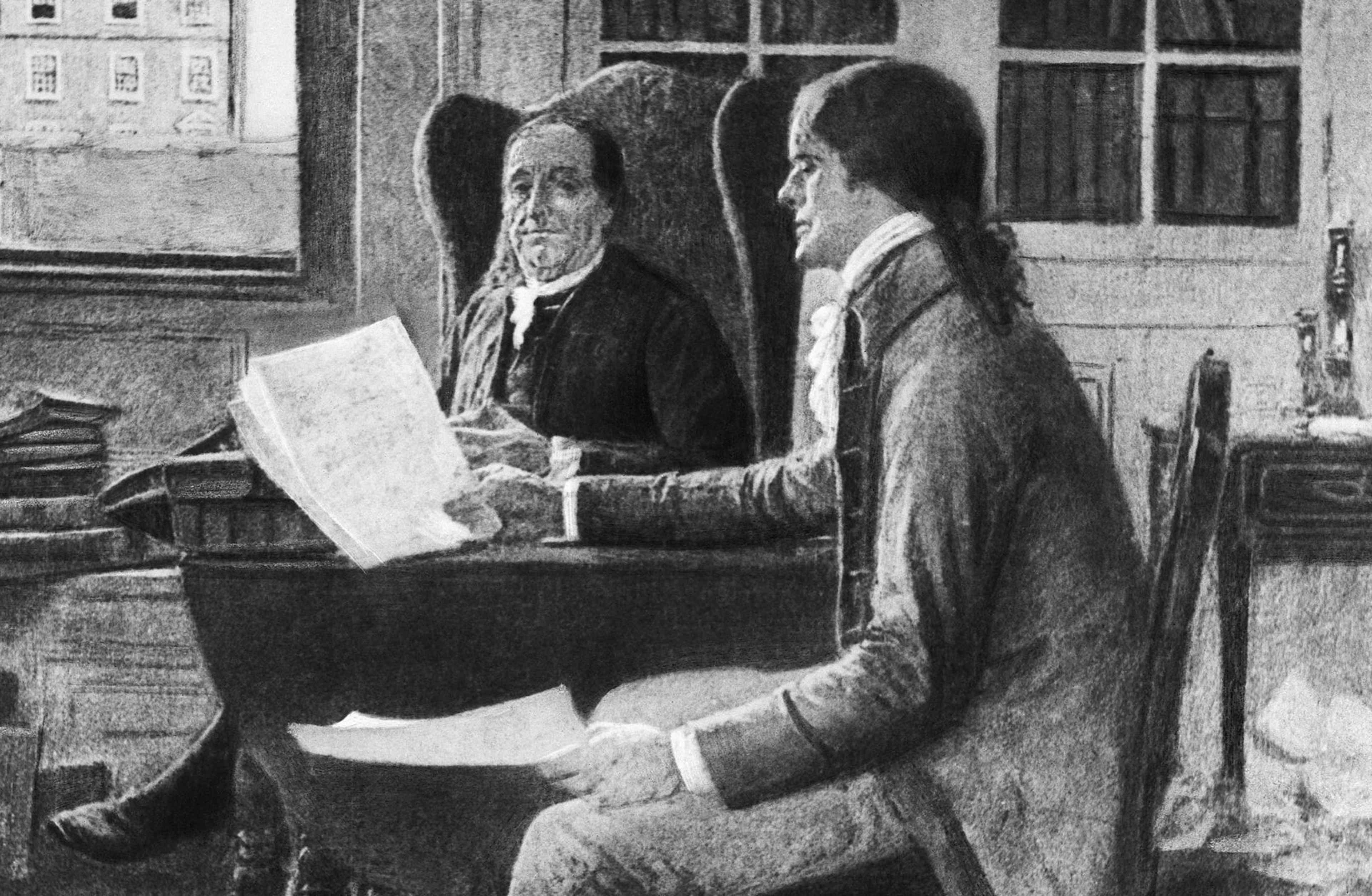
- June 11 – June 28, 1776: Working in his rented lodgings in Philadelphia, the 33-year-old Thomas Jefferson drafts the document, incorporating the 168-word anti-slavery passage.
- June 28, 1776: The committee reviews the rough draft, making minor edits, and presents it to the Continental Congress.
- July 1 – July 3, 1776: Congress debates the document line by line. During these intense sessions, delegates from the deep South strongly object to the anti-slavery language, leading to its complete excision.
- July 4, 1776: The Congress officially adopts the final, edited Declaration of Independence, completely omitting the condemnation of the slave trade.
Key Figures and the Clash of Wills
Several prominent historical figures played central roles in either drafting, defending, or demanding the removal of the anti-slavery clause:
- Thomas Jefferson: The primary author of the Declaration. Despite his lifelong ownership of hundreds of enslaved individuals, Jefferson possessed a deep intellectual abhorrence of the slave trade, calling it an “assemblage of horrors” and “piratical warfare” in his early draft.
- Benjamin Franklin & John Adams: Key members of the drafting committee who supported the initial draft but ultimately accepted the political realities of the deletion to secure the unanimous agreement of all thirteen colonies.
- Edward Rutledge: A young, wealthy delegate from South Carolina who, along with delegates from Georgia, fiercely opposed any condemnation of slavery, arguing that their agrarian economies would collapse without the import of enslaved labor.
Political Compromise and Economic Reality
The removal of the anti-slavery passage was a calculated sacrifice driven by political and economic expediency. The southern colonies, particularly South Carolina and Georgia, had never attempted to curb the importation of slaves. Their highly profitable plantation systems relied entirely on free labor to cultivate labor-intensive cash crops like indigo and rice. However, the South was not alone in its dependency. Northern shipping merchants and financiers were deeply implicated in the transatlantic “Triangle Trade,” actively transporting enslaved Africans and profiting from the trade’s lucrative financial networks. This shared economic complicity created a fragile alliance. The way the early leaders handled this issue illustrates how the Founding Fathers divided power between states and federal governments, frequently letting localized economic interests dictate federal compromises. Rather than risk a splintered coalition that would lose the war against Britain, the northern delegates complied with the South’s demands to strike the clause.
Jefferson’s Paradox and the Legacy of Slavery
The excision of the clause highlighted the painful paradox of Thomas Jefferson himself. While he wrote passionately about the sacred rights of life and liberty, Jefferson remained a lifelong slave owner, enslaving more than 600 people over his lifetime, including his own children with Sally Hemings. He struggled to reconcile his progressive Enlightenment philosophy with his material reality as a wealthy Virginia planter. This tension was not unique to Jefferson; roughly one-third of the signers of the Declaration owned slaves. While some colonial figures sought to eliminate the institution, others actively resisted any challenge to their property rights. However, courageous individuals fought back using the legal system. For instance, the revolutionary atmosphere inspired historic legal battles, such as how Elizabeth Freeman sued for her freedom and won in 1781, demonstrating that the rhetoric of liberty could be turned against the enslavers themselves.
Lesser-Known Historical Facts
- The British Proclamation Connection: Jefferson’s draft specifically criticized the British for “exciting those very people to rise in arms among us.” This was a direct reference to Lord Dunmore’s Proclamation of 1775, which offered freedom to any enslaved person who fled their patriot masters to fight for the British Army. This British strategy terrified southern slaveholders and accelerated their support for independence.
- The Footnote of Domestic Insurrections: In place of the 168-word anti-slavery clause, the signers inserted a much shorter grievance blaming King George for exciting “domestic insurrections amongst us.” Ironically, this meant the finalized document complained about enslaved people seeking their own freedom through rebellion, rather than criticizing the system that kept them in chains.
- The Cost of Silence: By removing the clause, the United States avoided addressing slavery in its founding moral charter, delaying a true national reckoning for nearly a century until the outbreak of the American Civil War.
Why It Still Matters Today
The removal of Thomas Jefferson’s anti-slavery passage remains one of the most significant “what-if” moments in American history. It established a structural precedent where human rights were compromised for political unity and economic gain. This original compromise laid the groundwork for centuries of systemic inequality, legal segregation, and civil rights struggles that continue to shape modern America. Analyzing this moment reminds us that the founding documents were not flawless, divinely inspired scriptures, but rather deeply human compromises. Understanding this history empowers modern citizens to continue the unfinished work of perfecting the union and ensuring that the promise of “all men are created equal” truly applies to every individual.
People Also Ask
Why did Thomas Jefferson write an anti-slavery passage if he owned slaves?
Jefferson was a man of intense contradictions. Philosophically, he was influenced by the European Enlightenment and believed that the transatlantic slave trade was morally abhorrent. However, practically and financially, his wealth and social status depended entirely on the labor of the hundreds of people he enslaved at Monticello. Writing the passage allowed him to intellectually oppose slavery while shifting the blame onto King George III.
Which states were primarily responsible for removing the anti-slavery clause?
In his autobiography, Thomas Jefferson specifically blamed South Carolina and Georgia for leading the opposition to the clause. He also noted that Northern delegates felt “a little tender” because their merchants had actively participated in carrying enslaved people across the Atlantic.
What was the exact wording of the removed passage?
The passage accused the King of waging “cruel war against human nature itself, violating its most sacred rights of life & liberty in the persons of a distant people who never offended him, captivating & carrying them into slavery in another hemisphere.”
Conclusion
The deletion of the anti-slavery passage from the Declaration of Independence was a watershed moment that defined the trajectory of American history. In choosing political expediency over moral clarity, the Founding Fathers preserved a fragile union at the cost of cementing chattel slavery into the fabric of the young nation. This historical omission serves as a powerful reminder of the gap between America’s founding ideals and its historical realities, urging us to continuously strive toward true equality for all.


1 comment