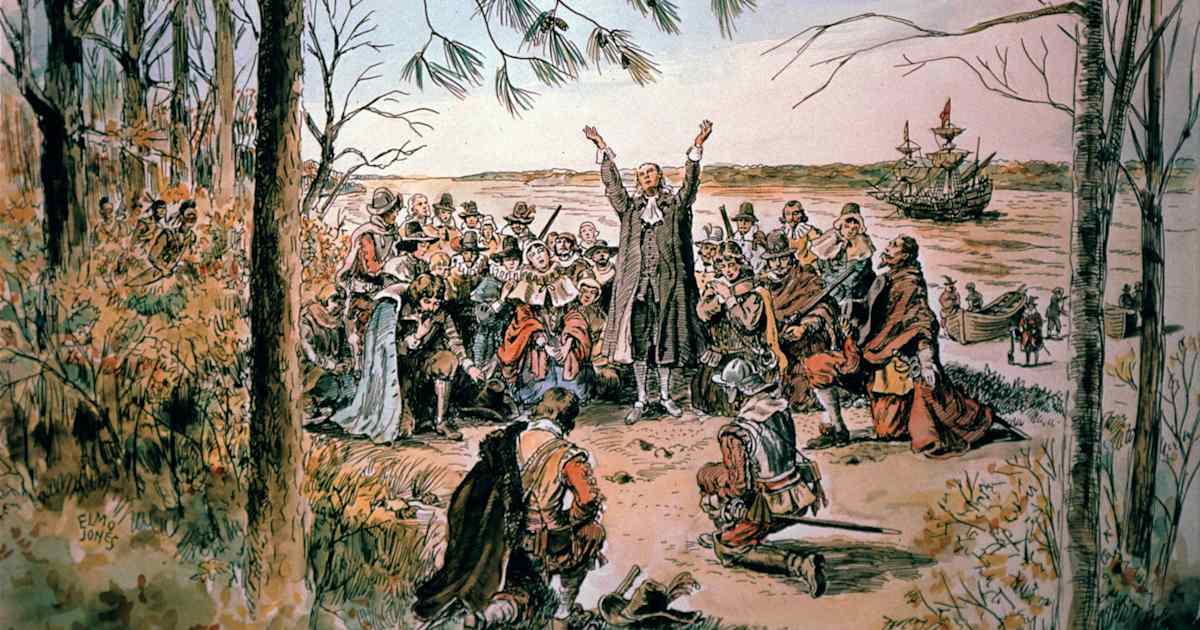
In May 1607, three English ships carrying just over a hundred settlers glided into the James River, establishing Jamestown as the first permanent English settlement in North America. While traditional historical narratives often attribute the devastating mortality rate of this early outpost to famine, conflict with local Indigenous tribes, and disease, a fascinating and grim scientific revelation has emerged: the settlers might have been slowly poisoning themselves with their own drinking water. The infamous winter of 1609–1610, known as the “Starving Time,” pushed the colony to the absolute brink of extinction, reducing its population from hundreds to a mere 60 emaciated survivors. Understanding the intersection of Jamestown’s harsh environment, geopolitical tensions, and subterranean ecology is critical to unlocking the mystery of why so many early Virginians met such a gruesome end, reframing our perspective on the fragile beginnings of the American story.
The Genesis of a Disaster: Historical Background & Context
To understand the sheer magnitude of the tragedy at Jamestown, one must examine the geopolitical and geographic context of its founding. In 1607, the Virginia Company of London dispatched an expedition of entrepreneurs, gentlemen, and laborers to establish a profitable foothold in the New World. Fearing a surprise attack from competing Spanish fleets, the settlers chose a site some 40 miles inland along the James River. This peninsula (which later became an island) was highly defensible against ships but possessed a fatal flaw: it was a low-lying, marshy environment with poor drainage and a lack of fresh, flowing water.
When the English arrived, they stepped into the midst of the powerful Powhatan Confederacy, an alliance of approximately 30 Algonquian-speaking tribes ruled by the formidable leader Wahunsenacawh. While the arduous history of the Jamestown colony was characterized by moments of uneasy cooperation, the ecological realities of the region soon pitted the newcomers against the native inhabitants. A severe, multi-year drought—the worst the region had experienced in nearly eight centuries—was drying up local food and water resources, setting the stage for an inevitable collision between two desperate groups.
The Chronicled Descent: A Timeline of the ‘Starving Time’
The path to the winter of 1609–1610 was marked by a series of compounding crises. Below is the chronological progression of Jamestown’s near-collapse:
- May 1607: The colonists land at Jamestown and construct a triangular wooden fort. Initial diets are supplemented by abundant local wildlife, including massive sturgeon and deer.
- 1608: Captain John Smith assumes leadership, enforcing discipline and establishing vital trade relations with the Powhatan people to secure corn.
- August 1609: A fleet of nine ships arrives from England, carrying hundreds of new, ill-prepared settlers, which severely strains the colony’s limited food stores.
- October 1609: After suffering a severe gunpowder burn, John Smith is forced to return to England for medical treatment. The colony loses its most capable diplomat and disciplinarian.
- November 1609: Recognizing the colonists’ vulnerability and facing their own drought-induced shortages, the Powhatan Confederacy halts all trade and besieges the fort, trapping the settlers inside.
- Winter 1609–1610: The peak of the “Starving Time.” Trapped within the palisades, colonists consume horses, dogs, cats, rats, boots, and eventually resort to cannibalism.
- May 1610: Sir Thomas Gates arrives with two makeshift ships from Bermuda, finding only 60 survivors out of roughly 500 who had been alive the previous autumn.
- June 1610: The survivors abandon Jamestown, but as they sail downriver, they encounter Lord De La Warr’s relief fleet. They are ordered to return, securing the colony’s survival.
Key Historical Figures and Their Roles
Several pivotal individuals shaped the destiny of Jamestown during this horrific era, leaving a lasting impact on early American history:
- Captain John Smith: Known for his strict mandate that “he who does not work shall not eat,” Smith was the pragmatic leader who kept the colony afloat. Captain John Smith and his complex relationship with Chief Powhatan allowed for crucial diplomatic negotiations that kept the colonists fed during the initial years. His departure in 1609 removed the only barrier preventing outright war with the local tribes.
- Chief Powhatan (Wahunsenacawh): The supreme ruler of the Powhatan Confederacy, he understood the strategic threat the English posed. By ordering the siege of the fort, he utilized starvation as a powerful tactical weapon to contain the foreign expansion.
- George Percy: Taking over as governor after Smith’s departure, Percy was a wealthy nobleman ill-suited for the rugged demands of frontier survival. His subsequent writings provide historians with the primary, agonizing eyewitness accounts of the cannibalism and despair that defined the Starving Time.
- Lord De La Warr (Thomas West): Arriving at the absolute nadir of the colony’s fortunes, De La Warr brought fresh provisions, soldiers, and a harsh military code that transformed Jamestown from a failing trading outpost into a permanent, fortified settlement.
The Silent Killer: Was the Water Supply to Blame?
While historic accounts lay the blame for the high mortality rate on starvation and Indigenous arrows, modern scientific research presents a far more insidious culprit: the drinking water. Geologists Gregory Hancock and Jim Kaste from the College of William & Mary have conducted extensive hydrological studies on the groundwater and sediment of Jamestown Island, revealing that the colonists’ water supply was catastrophically toxic.
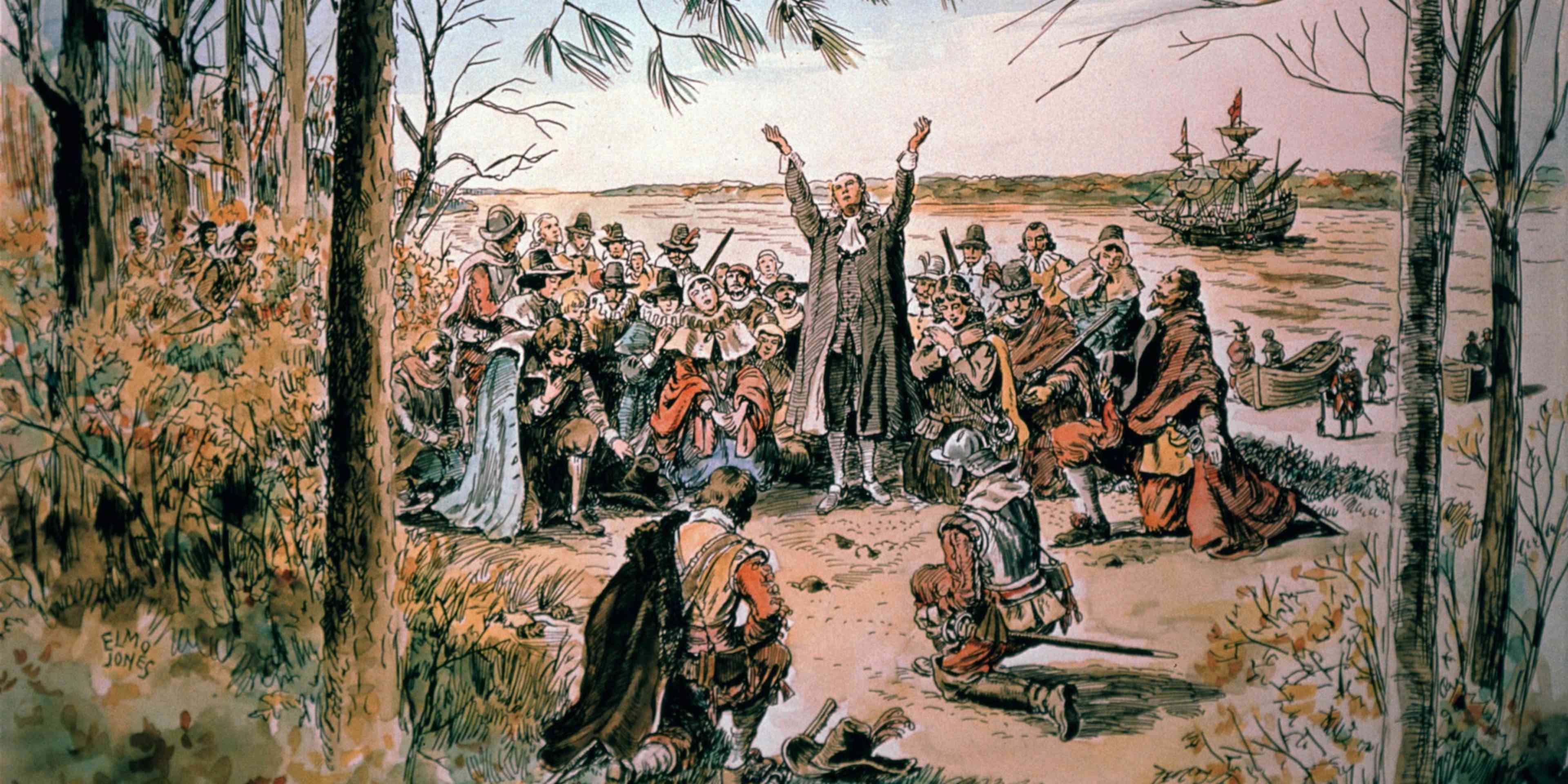
First, the issue of salinity. Jamestown is situated in an estuarine zone of the James River where freshwater and saltwater mix. During the hot summer months, and particularly during the historic drought of the early 17th century, freshwater flow decreased dramatically, allowing saltwater from the Atlantic to seep heavily into the local aquifer. The water the colonists drew from their shallow wells was highly brackish. Drinking water with such high sodium levels leads to severe salt toxicity, which causes chronic dehydration, kidney damage, extreme lethargy, and psychological irritability—symptoms widely recorded in early colonial journals.
Second, the problem of biological contamination. To get a sense of what daily life was like in early Jamestown, one must picture a cramped, unhygienic fort. The colonists dug shallow wells in close proximity to their outhouses and waste pits. Hancock and Kaste’s research indicates that human waste easily percolated down through the sandy soil into the shallow aquifer. This created a closed-loop system of contamination, enabling waterborne pathogens like Salmonella typhi (typhoid) and Shigella (dysentery) to circulate endlessly among the weakened population.
Finally, the geological analysis revealed surprisingly high levels of naturally occurring arsenic in the groundwater near the fort. During the 17th century, some suspected that Spanish spies had poisoned the wells with arsenic to destroy the English venture. However, modern scientific evidence demonstrates that the arsenic was not introduced by human saboteurs but was naturally mobilized from the iron-rich sediment during periods of low water tables and changing oxygen levels. Combined, brackish water, fecal contamination, and natural arsenic formed a lethal cocktail that likely claimed more lives than actual starvation.
A Pivotal Turning Point: From Near-Extinction to Royal Colony
The Starving Time served as a harsh wake-up call for the Virginia Company. The near-abandonment of Jamestown forced a complete overhaul of the colony’s administration. The introduction of strict martial law under the “Laws Divine, Moral and Martial” brought rigid order to the settlement. More importantly, the arrival of John Rolfe in 1610 introduced a sweet strain of West Indian tobacco, which flourished in the rich Virginia soil. This “brown gold” finally gave Jamestown the economic viability it had lacked, shifting the colony’s focus from a desperate search for gold to agrarian expansion. This transition ultimately led to the establishment of the House of Burgesses in 1619, representing the first assembly of elected representatives in the New World.
Lesser-Known Historical Facts
- The Giant Sturgeon: During the early days of the colony, the James River was teeming with sturgeon so massive—frequently exceeding eight feet in length—that colonists could wade into the water and harvest them with axes. However, once the Powhatan siege began, the colonists could no longer access the river to harvest this abundant protein source.
- The Fecal Proxy: Since all organic human waste from the 17th century has long since decomposed, modern geologists measuring historical water contamination had to find a proxy. They analyzed current groundwater for fecal coliform and used modern goose droppings to understand how pathogens migrate through Jamestown’s unique sandy soil.
- The “Jane” Discovery: In 2012, archaeologists from Preservation Virginia excavated a refuse pit from the Starving Time and discovered the skeletal remains of a 14-year-old English girl, whom they named “Jane.” Forensic analysis of her skull and tibia confirmed that she had been cannibalized after her death, providing the first physical, undeniable evidence of the desperate acts recorded by George Percy.
The Long-Term Impact on American Legacy
The survival of Jamestown, despite its near-destruction, set the structural and cultural template for the colonization of North America. Had the colony been permanently abandoned in June 1610, the English crown might have ceded the mid-Atlantic region to the Spanish Empire, altering the geopolitical trajectory of the western hemisphere. The lessons learned about agriculture, community defense, and resource management at Jamestown paved the way for the establishment of the neighboring colonies. Sadly, the success of the tobacco economy also solidified the plantation system, which led directly to the introduction of chattel slavery to Virginia in 1619 and the systematic displacement of Indigenous populations across the continent.
Why It Still Matters Today
The story of Jamestown’s toxic water supply serves as an early, sobering lesson in environmental science and public health. It highlights the critical importance of clean water infrastructure, resource management, and ecological sustainability. In an era where modern societies face threats from aquifer depletion, saltwater intrusion due to rising sea levels, and industrial contamination, the fate of Jamestown is a historic warning. It reminds us that no matter how advanced or determined a society is, its survival is ultimately bound to the health of its natural environment.
People Also Ask
Did the Jamestown colonists really drink themselves to death?
Indirectly, yes. While they did not drink alcohol to excess, they did consume highly brackish, contaminated groundwater from their shallow wells. This water caused salt poisoning, typhoid, and dysentery, which proved fatal to hundreds of settlers during the Starving Time.
What actually caused the Starving Time in Jamestown?
The Starving Time was caused by a combination of factors: a severe regional drought, a breakdown in trade relations with the Powhatan Confederacy, a military siege that trapped colonists inside their fort, poor administrative leadership, and the consumption of highly contaminated well water.
Was there cannibalism in Jamestown?
Yes. Historical accounts by Governor George Percy detail that the colonists dug up graves and consumed the deceased. In 2012, physical forensic evidence confirmed these accounts when the butchered bones of a 14-year-old girl, known to historians as “Jane,” were discovered in a Jamestown waste pit.
Conclusion
The tragedy of Jamestown’s Starving Time was not merely a story of empty larders and hostile arrows. It was a complex ecological disaster where the settlers’ own water supply became their silent executioner. By blending historical narratives with cutting-edge geological science, we gain a deeper, more accurate understanding of the monumental hardships faced by those who laid the foundations of modern America. Their struggle underscores a timeless truth: the success of human civilization is forever tethered to the quality of the water we drink.


