In May 1607, three small ships—the Susan Constant, the Godspeed, and the Discovery—slipped into the Chesapeake Bay, carrying 104 English men and boys who dreamed of gold, glory, and a quick passage to the Orient. Instead of finding a paradise of effortless riches, these settlers stepped into a crucible of disease, famine, and violent conflict that would nearly wipe them off the map. This was the birth of the Jamestown Colony, the first permanent English settlement in North America, and a place whose brutal struggles and complex legacies would go on to shape the very foundations of the United States. From the horrific desperation of the “Starving Time” to the introduction of representative government and chattel slavery, the story of Jamestown is a dark, gripping epic of human survival and societal transformation.
Historical Background: The Desperate Race for the New World
At the turn of the 17th century, England was eager to challenge Spanish dominance in the Americas. In 1606, King James I granted a charter to the Virginia Company of London, a joint-stock enterprise funded by wealthy investors who expected quick returns on their capital. The company’s goals were clear: locate precious metals, find the elusive Northwest Passage to Asia, and establish a permanent English presence to secure geopolitical dominance.
The site chosen for the settlement—a swampy peninsula on the banks of the James River—seemed strategically sound. It was easily defensible against Spanish warships and unoccupied by the local Indigenous population. However, what the settlers did not realize was that they had built their fort on malaria-infested wetlands, adjacent to brackish water, and right in the middle of a powerful Native American empire. This initial geographical oversight would set the stage for a series of environmental and human catastrophes.
Key Events Timeline: The Rise, Fall, and Rebirth of Jamestown
- April 1607: The English fleet arrives in Virginia, exploring the Chesapeake Bay before selecting the site for Jamestown.
- May 14, 1607: Settlers disembark and begin constructing a triangular wooden fort, naming the settlement in honor of King James I.
- Winter 1609–1610: The infamous Starving Time decimates the colony, reducing the population from roughly 500 to just 60 survivors.
- June 1610: Just as the survivors are abandoning the colony, Lord De La Warr arrives with fresh supplies and new settlers, forcing them to turn back.
- 1612: John Rolfe successfully cultivates a sweet strain of Caribbean tobacco, creating the colony’s first highly lucrative export.
- 1619: A momentous year featuring the establishment of the House of Burgesses (the first representative assembly in English America) and the arrival of the first recorded enslaved Africans.
- 1622: The Powhatan Uprising, led by Chief Opechancanough, results in the deaths of over 300 colonists, triggering decades of warfare.
- 1624: King James I revokes the Virginia Company’s charter, officially making Virginia a royal colony.
The Crucial Figures of the Jamestown Colony
The survival and ultimate success of Jamestown rested on the shoulders of several highly influential figures, whose interactions shaped the cultural and political landscape of early America.
Captain John Smith
An experienced soldier and explorer, Captain John Smith took control of the colony in 1608 when it was on the verge of collapse. Recognizing that many of the early settlers were gentlemen who refused to perform manual labor, Smith instituted a strict martial policy: “He that will not work shall not eat.” He mapped the Chesapeake region and negotiated crucial trade relations with the local Indigenous populations before returning to England in 1609 due to a gunpowder accident.
Chief Powhatan (Wahunsenacawh)
As the leader of the powerful Powhatan Confederacy, which united over 30 Algonquian-speaking tribes, Wahunsenacawh was a masterful strategist. He initially sought to incorporate the English into his empire as trade allies. When the colonists grew increasingly aggressive and demanding, Powhatan cut off food supplies, initiating a devastating blockade that crippled the settlement.
Pocahontas
The daughter of Chief Powhatan, Pocahontas played an essential role as a cultural emissary. Though popular mythology portrays a romance between her and John Smith, historical evidence suggests she was a child who served as an envoy. Later captured by the English, she converted to Christianity, took the name Rebecca, and married planter John Rolfe, temporarily ushering in a period of peace known as the “Peace of Pocahontas.”

John Rolfe
An English businessman, John Rolfe fundamentally changed the economic destiny of North America. By crossing local Virginia tobacco with sweet Caribbean seeds, he created a mild, high-quality product that became a massive sensation in Europe. Rolfe’s tobacco crop transformed the Jamestown Colony from a failing military outpost into a thriving agricultural enterprise.
Causes and Context: Why Jamestown Struggled
The early failures of Jamestown cannot be attributed to bad luck alone; they were deeply rooted in the sociopolitical and economic structures of the time. First, the Virginia Company of London was a commercial enterprise driven by short-term profits. Investors did not prepare the colony for long-term agricultural sustainability, instead sending goldsmiths, jewelers, and gentlemen rather than farmers, carpenters, and blacksmiths.
Furthermore, global climate data reveals that the settlers arrived in North America during the worst regional drought in nearly 800 years. This extreme weather event ruined local corn crops, poisoned the water supply, and pushed the Powhatan Confederacy and the English settlers into violent competition for scarce food resources.
Major Turning Points: From Failure to Empire
The Starving Time (1609–1610)
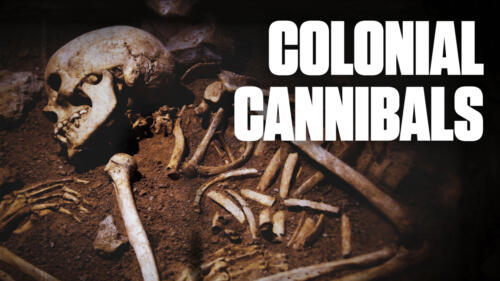
When Captain John Smith departed in late 1609, Powhatan warriors immediately laid siege to the fort. Trapped inside, the colonists quickly ran out of food. They ate their horses, followed by dogs, cats, rats, and mice. When even those were gone, they turned to shoe leather and, ultimately, the dead. Modern archaeological excavations have confirmed instances of survival cannibalism, notably documented in the remains of a 14-year-old girl dubbed “Jane,” whose bones bear the telltale marks of post-mortem butchery.
The Tobacco Revolution
Before 1612, the colony had no viable export. John Rolfe’s successful introduction of sweet tobacco completely altered this. Tobacco required massive amounts of land and labor, driving the expansion of English territory deeper into Indigenous lands and permanently changing the geographic layout of Virginia.
The Dual Legacies of 1619
In July 1619, the General Assembly—later known as the House of Burgesses—met in the Jamestown church, establishing the first representative legislative body in the Western Hemisphere. However, just weeks later, a privateer ship arrived carrying more than twenty kidnapped Africans. This dual occurrence marked the simultaneous birth of American democratic institutions and institutionalized racial slavery, a paradox that would define American history for centuries.
Long-Term Impact on America
The historical significance of Jamestown cannot be overstated. It proved that English colonization of North America was viable, laying the groundwork for subsequent settlements like Plymouth and Massachusetts Bay. Jamestown also established the plantation-style, cash-crop agricultural model that would dominate the Southern economy for generations. Tragically, it also solidified a devastating template for European-Indigenous relations, characterized by land displacement, broken treaties, and warfare.
Lesser-Known Facts About Jamestown
- Did Bad Drinking Water Kill the Settlers? While starvation was rampant, geologists have discovered that the wells dug by the early colonists were severely contaminated. The combination of prolonged drought, saltwater intrusion from the James River, and fecal contamination from their own latrines likely caused widespread salt poisoning, dysentery, and arsenic poisoning.
- Hard Cider as Currency: Due to a severe lack of metallic coinage in the early colonial era, settlers frequently used hard apple cider and tobacco as a primary form of payment for goods, services, and labor.
- The Shipwreck that Inspired Shakespeare: In 1609, a relief fleet headed for Jamestown was scattered by a massive hurricane. The flagship, the Sea Venture, shipwrecked on the uninhabited reefs of Bermuda. The survival story of its crew is widely believed to have inspired William Shakespeare’s famous play, The Tempest.
Why Jamestown Still Matters Today
Jamestown is not just a collection of old ruins; it is the origin point of the modern American experiment. In the soil of this tiny Virginian peninsula, we find the roots of capitalism, the birth of American democracy, the tragic beginnings of racial slavery, and the complicated, often violent collision of European and Indigenous cultures. Understanding Jamestown allows us to examine the profound contradictions that continue to shape social, economic, and political discussions in America today.
People Also Ask
Did cannibalism actually happen in Jamestown?
Yes. Historical accounts from survivors had long suggested that settlers resorted to cannibalism during the winter of 1609–1610. In 2012, forensic anthropologists from the Smithsonian Institution discovered physical proof: the skull and shinbone of a 14-year-old girl (“Jane”) displaying clear marks of butchery, confirming survival cannibalism occurred as a desperate last resort.
Why did the Jamestown Colony almost fail?
Jamestown almost failed due to a combination of poor geographic placement (swampy land with bad water), a severe multi-year drought, lack of farming expertise among the initial settlers, and a devastating siege by the Powhatan Confederacy that cut off trade and food.
What was the relationship between Pocahontas and John Smith?
Contrary to popular movies, there was no romantic relationship between Pocahontas and John Smith. Pocahontas was around 10 or 11 years old when they met, serving as a peaceful liaison between her father, Chief Powhatan, and the English. She later married another Englishman, John Rolfe.
Conclusion: The Ultimate Takeaway
Ultimately, the story of the Jamestown Colony is a testament to human resilience in the face of insurmountable odds. Though founded on fragile, speculative corporate dreams, it evolved into the bedrock of a new empire. By confronting both the harrowing survival stories and the deeply painful institutional legacies of Jamestown, we gain a truer, more complete understanding of American history.


