Ambrose Powell Hill, famously known as General A.P. Hill, stands as one of the most enigmatic, brilliant, yet controversial military commanders of the American Civil War. As the leader of the legendary “Light Division,” Hill’s rapid tactical movements and fierce battlefield aggression earned him early renown and the deep trust of General Robert E. Lee. His story is not just a tale of tactical triumphs, such as his dramatic, eleventh-hour rescue of the Confederate lines at the Battle of Antietam, but also a complex study of human conflict, physical frailty, and volatile relationships. Hill’s life reflects the deep fractures of a nation torn apart, where West Point classmates became mortal enemies on the battlefield and personal rivalries dictated the fates of thousands of soldiers. Understanding Hill’s meteoric rise, his explosive feuds with fellow generals, and his eventual tragic death on the cusp of peace offers critical insight into the chaotic nature of command during America’s bloodiest era. His legacy remains a vital window into the military strategy and human tragedy of the war.
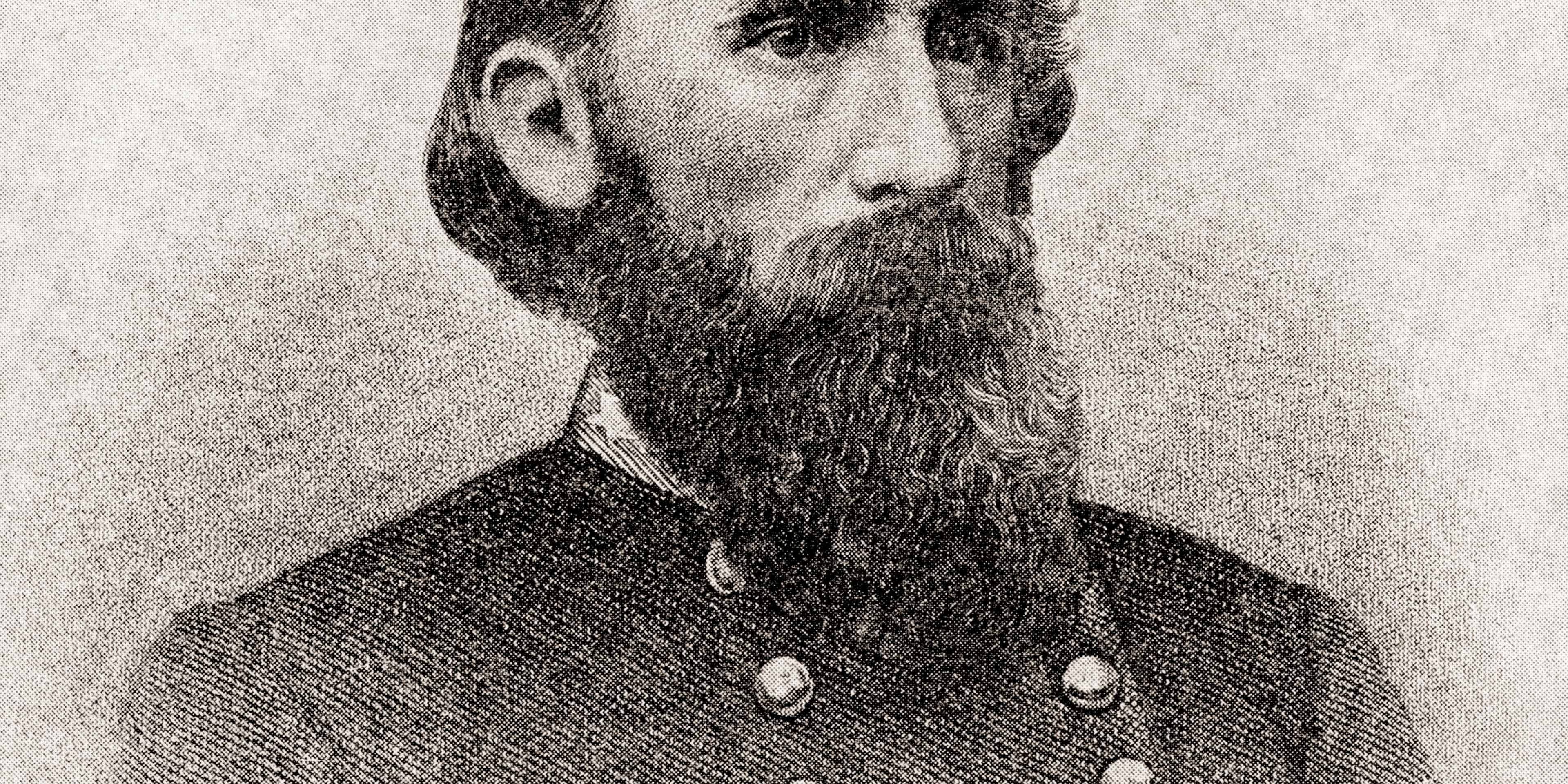
Historical Background & Context: A Nation Divided (1861-1865)
The American Civil War erupted from a decades-long struggle over states’ rights, economic disparities, and the central issue of slavery. To understand the backdrop of A.P. Hill’s career, one must trace the deep-seated divisions that emerged from the clashing political philosophies of early America, which ultimately fractured the Union. Born on November 9, 1825, in Culpeper, Virginia, Ambrose Powell Hill entered a world of elite Southern society. His father was a prominent politician and merchant, which helped him secure an appointment to West Point in 1842. Despite repeating a year due to severe illness—a harbinger of the chronic health issues that would plague him throughout his life—Hill graduated in 1847. When Virginia seceded in March 1861, Hill resigned his commission in the United States Army to join the newly formed Confederate States of America, setting the stage for his rapid ascension through the military ranks.
A.P. Hill’s Key Events Timeline
- 1842: Enters the United States Military Academy at West Point, befriending future Union General George B. McClellan.
- 1847: Graduates 15th in his class and is commissioned into the 1st U.S. Artillery, serving in the Mexican-American War and Seminole Wars.
- March 1861: Resigns from the U.S. Army and joins the Confederacy as a colonel of the 13th Virginia Infantry.
- May 1862: Promoted to Major General and forms his legendary “Light Division.”
- September 17, 1862: Marches his division 17 miles from Harpers Ferry to save Robert E. Lee’s army at the Battle of Antietam.
- May 1863: Promoted to Lieutenant General and assumes command of the newly created Third Corps after the death of Stonewall Jackson.
- July 1-3, 1863: Commands the Third Corps during the pivotal Battle of Gettysburg, sparking criticism for engaging too early.
- October 1863: Suffers a devastating defeat at the Battle of Bristoe Station, losing over 1,300 men in a Union ambush.
- April 2, 1865: Mortally wounded by a Union soldier during the breakthrough at the Third Battle of Petersburg, dying just one week before Lee’s surrender at Appomattox.
Key Figures in Hill’s World
Several prominent historical figures shaped A.P. Hill’s destiny. Chief among them was Robert E. Lee, the commander of the Army of Northern Virginia, who recognized Hill’s aggressive fighting style but also managed his volatile temperament. Another critical figure was Thomas “Stonewall” Jackson, under whom Hill served. Their relationship was highly toxic, characterized by public arguments, arrests, and mutual distrust, yet they formed an incredibly lethal tactical partnership. On the Union side, Hill’s former West Point roommate, George B. McClellan, served as a primary antagonist. Their pre-war friendship and rivalry over the love of Ellen Mary Marcy translated into intense combat during the Peninsula Campaign and Antietam. These interactions shaped the broader trajectory of the Eastern Theater of the war.
Major Turning Points & Tactical Exploits
Hill’s career is defined by breathtaking highs and crushing lows. His finest hour occurred at the Battle of Antietam. On September 17, 1862, as Union General Ambrose Burnside’s forces threatened to collapse the Confederate right flank, Hill’s “Light Division” arrived after a grueling, blistering 17-mile forced march from Harpers Ferry. Clad in his signature red flannel “battle shirt,” Hill immediately launched an aggressive counterattack, driving back the Union forces and saving Lee’s army from total destruction.
However, after Jackson’s death at Chancellorsville, Hill’s promotion to Lieutenant General and commander of the Third Corps exposed his limitations in managing large-scale organizational logistics. At Gettysburg, Hill’s decision to send Henry Heth’s division into the town on July 1, 1863—violating Lee’s orders not to bring on a general engagement before the army was concentrated—escalated into a bloody, three-day struggle that turned the tide of the war. Later that year, at Bristoe Station, his headlong aggression led his corps directly into a deadly Union ambush, resulting in a disastrous defeat.
The Toll of Poor Health and His Tragic End
Throughout the latter half of the war, Hill was severely incapacitated by a mystery illness. Modern historians believe he suffered from chronic uremic complications arising from gonorrhea, which he had contracted during his West Point years. During the grueling Siege of Petersburg, Hill’s health deteriorated to the point where he was frequently bedridden. On April 2, 1865, as Union lines broke through the Petersburg defenses, a defiant Hill rode to the front to rally his troops. He encountered two Union soldiers and was shot through the heart, dying at the age of 39. His death occurred only a week before Lee’s historic surrender, marking a tragic end to a tumultuous life.
Long-Term Impact on America
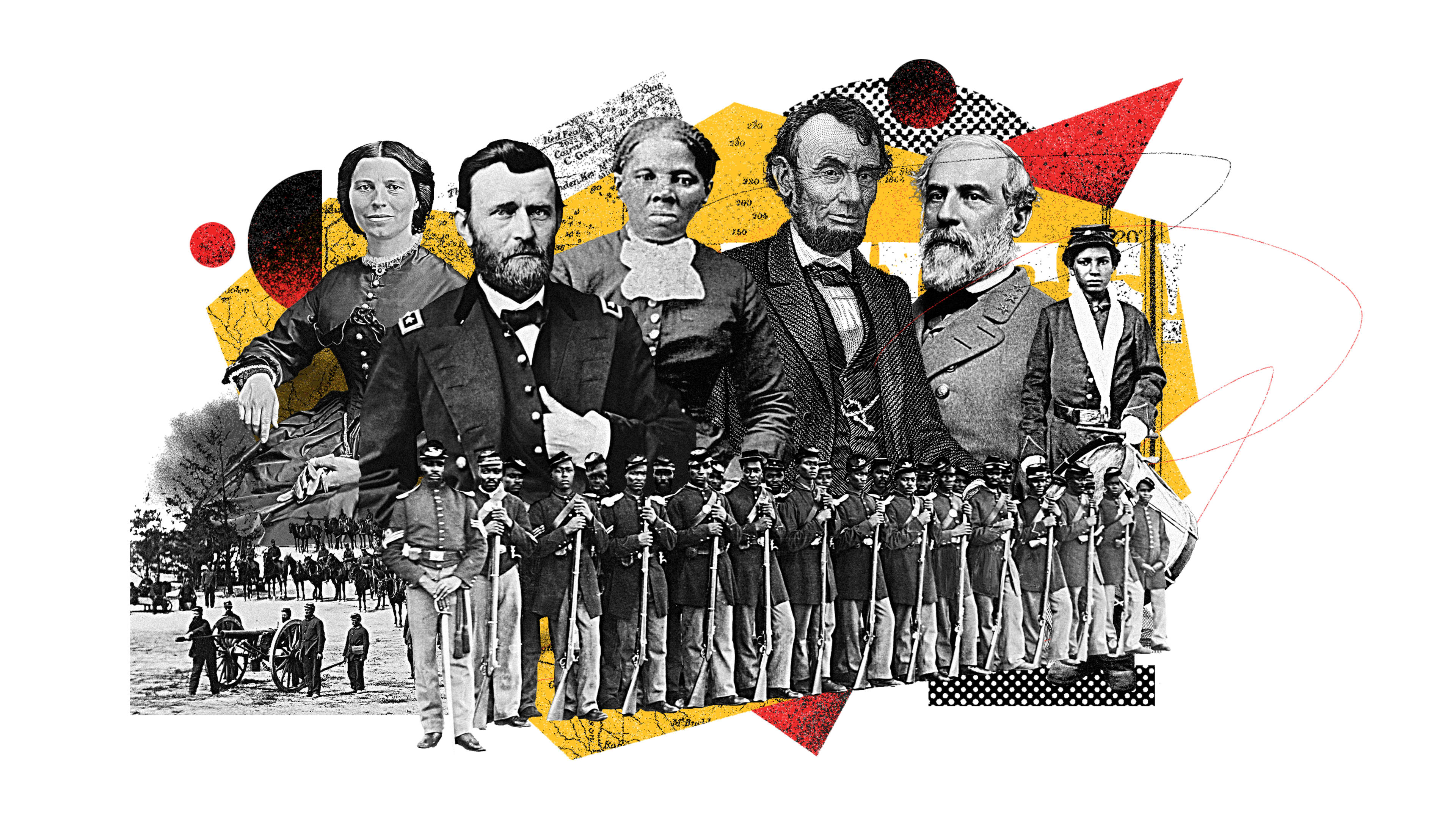
A.P. Hill’s career influenced post-war military theory and the memory of the Civil War. His aggressive tactics with the Light Division became a model for rapid infantry deployment. Following the war, during the Reconstruction era, the nation grappled with the legacy of Confederate commanders. While some received forgiveness through the evolving presidential pardon power, the division created deep societal scars that persisted for generations. Furthermore, the role of Southern commanders in the “Lost Cause” mythology often romanticized leaders like Hill, obscuring the harsh realities of secession and slavery. It is also important to recognize that the Civil War’s military legacy is rich and diverse, extending to the vital contributions of minority soldiers, which is explored in the history of African Americans in the armed forces.
Lesser-Known Facts and Anecdotes
- The Battle for Ellen’s Hand: Before fighting each other in the Civil War, A.P. Hill and George McClellan competed for the affection of Ellen Mary Marcy. McClellan won her hand, marrying her in 1860, which added a deeply personal dimension to their subsequent military encounters.
- The Red “Battle Shirt”: Hill was famous for wearing a bright red flannel shirt during engagements. Whenever his men saw him don the garment, they knew a fierce battle was imminent and coined it his “battle shirt.”
- Deathbed Utterances: Both Stonewall Jackson and Robert E. Lee called out for A.P. Hill in their final, delirious moments on their deathbeds. Jackson muttered, “Order A.P. Hill to prepare for action!” while Lee’s last words were reported to be, “Tell Hill he must come up.”
Why It Still Matters Today
The study of A.P. Hill goes beyond mere military tactics; it speaks to the enduring questions of leadership under pressure, the impact of personal health on decision-making, and the deep wounds of a nation divided. In modern military academies, Hill’s campaigns are analyzed to understand the balance between aggressive execution and strategic restraint. Moreover, as America continues to debate the public commemoration of Confederate figures, Hill’s legacy sits at the center of discussions about historical memory, reconciliation, and how a nation honors its complex past.
People Also Ask
Why was A.P. Hill’s division called the “Light Division”?
Despite being one of the largest divisions in the Army of Northern Virginia, Hill named it the “Light Division” to emphasize the speed, minimal baggage, and rapid marching capabilities of his men.
What killed A.P. Hill?
Hill was killed in action on April 2, 1865, near Petersburg, Virginia, when he was shot through the heart by Union Corporal John W. Mauk after refusing to surrender.
What disease did A.P. Hill suffer from?
Modern medical historians believe Hill suffered from chronic complications, including urethral strictures, resulting from a case of gonorrhea contracted during his time at West Point. This chronic illness caused him severe pain and frequent absence from command during critical battles.
Conclusion
Ambrose Powell Hill was a complex warrior whose military brilliance was often overshadowed by his volatile temper and failing health. From the fast-marching triumphs of the Light Division to the tragic final days of the Petersburg siege, Hill’s life was a microcosm of the Confederate war effort—marked by audacity, internal discord, and ultimate devastation. His story remains a crucial piece of the American historical puzzle, illustrating how personal relationships and physical limitations can alter the course of nations.


