The sacred grounds of Arlington National Cemetery, where hundreds of thousands of America’s fallen military heroes rest under pristine, uniform white headstones, were once the private estate of the Confederacy’s most famous general, Robert E. Lee. This remarkable transformation from a grand Southern plantation into the nation’s most revered military burial ground is a poignant tale of wartime strategic necessity, deeply personal vengeance, and a landmark legal battle that reached the highest court in the United States. To understand how Robert E. Lee’s home became Arlington National Cemetery is to look directly into the raw, painful wounds of the American Civil War, discovering how the Union sought to forever bind the legacy of Confederate rebellion to the ultimate sacrifices made to preserve the nation.
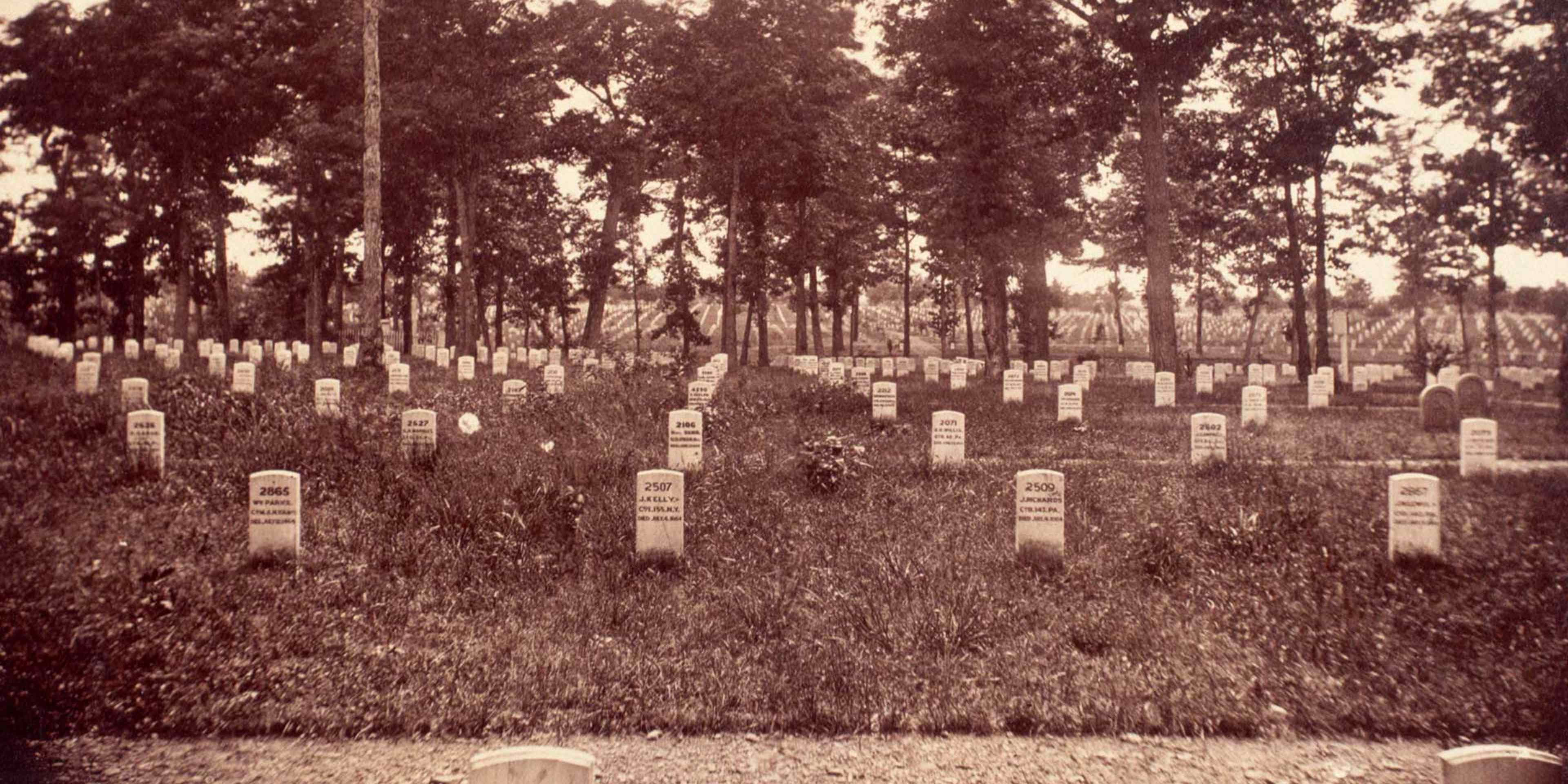
The Historical Background: From Presidential Legacy to Confederate Defection
Long before it was a cemetery, the estate was known as Arlington House. Built on a prominent high bluff overlooking the Potomac River and Washington, D.C., the mansion was constructed between 1802 and 1818 by George Washington Parke Custis. Custis was the step-grandson and adopted son of George Washington, and he designed the Greek Revival home as a living tribute to the first president, filling it with invaluable family heirlooms, portraitures, and treasures that celebrated the legacy of the American Revolution.
In 1831, a young U.S. Army lieutenant named Robert E. Lee married Mary Anna Randolph Custis, the only surviving child of George Washington Parke Custis. Upon her father’s death in 1857, Mary inherited the 1,100-acre estate, and it became the primary home where the couple raised their children. However, as sectional tensions over slavery and states’ rights pushed the nation to the brink of collapse in early 1861, Arlington’s peaceful setting was shattered.
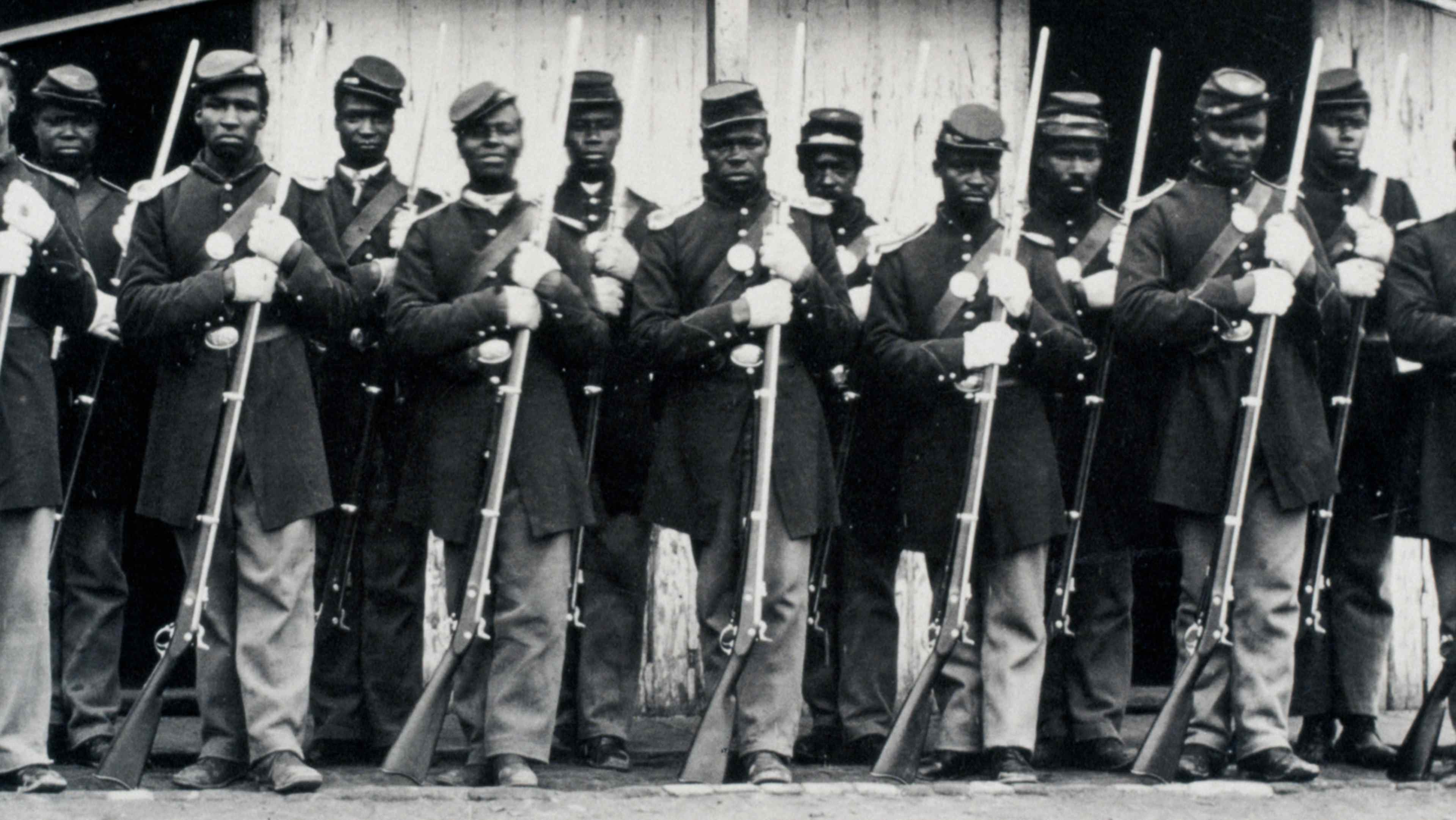
Following the bombardment of Fort Sumter, President Abraham Lincoln offered Lee command of the Union forces. Lee, a native Virginian who deeply opposed secession but could not bring himself to raise his sword against his home state, spent a torturous night pacing the floors of Arlington House. On April 20, 1861, Lee made his fateful decision: he resigned his commission in the U.S. Army. Two days later, he departed for Richmond to command the military forces of Virginia, leaving his wife behind with instructions to secure their belongings and vacate the property before the inevitable march of federal troops.
Timeline of Arlington’s Transformation
- April 20, 1861: Robert E. Lee resigns his commission in the United States Army.
- May 24, 1861: Under the cover of night, Union forces cross the Potomac River and occupy the strategically vital Arlington Heights, seizing the Lee family estate.
- May 13, 1864: Private William Henry Christman of Pennsylvania is buried on the property, marking the first official military interment at Arlington.
- June 15, 1864: Secretary of War Edwin Stanton officially designates 200 acres of the estate as a national military cemetery.
- September 1866: The Tomb of the Civil War Unknowns is dedicated in Mrs. Lee’s former rose garden, sealing the property’s status as a burial ground.
- December 1882: The United States Supreme Court rules that the government’s wartime seizure of Arlington was illegal, leading to a financial settlement with the Lee family.
The Strategic Seizure and Key Historical Figures
The occupation of Arlington was driven by immediate military necessity. Standing atop the Arlington hills, one could peer directly down into the White House, the Capitol, and the federal buildings of Washington, D.C. Had Confederate forces managed to place artillery on these heights, they could have easily bombarded the capital into submission. Recognizing this threat, Union troops crossed the Potomac on May 24, 1861, and fortified the high ground, turning the Greek Revival mansion into a military headquarters.
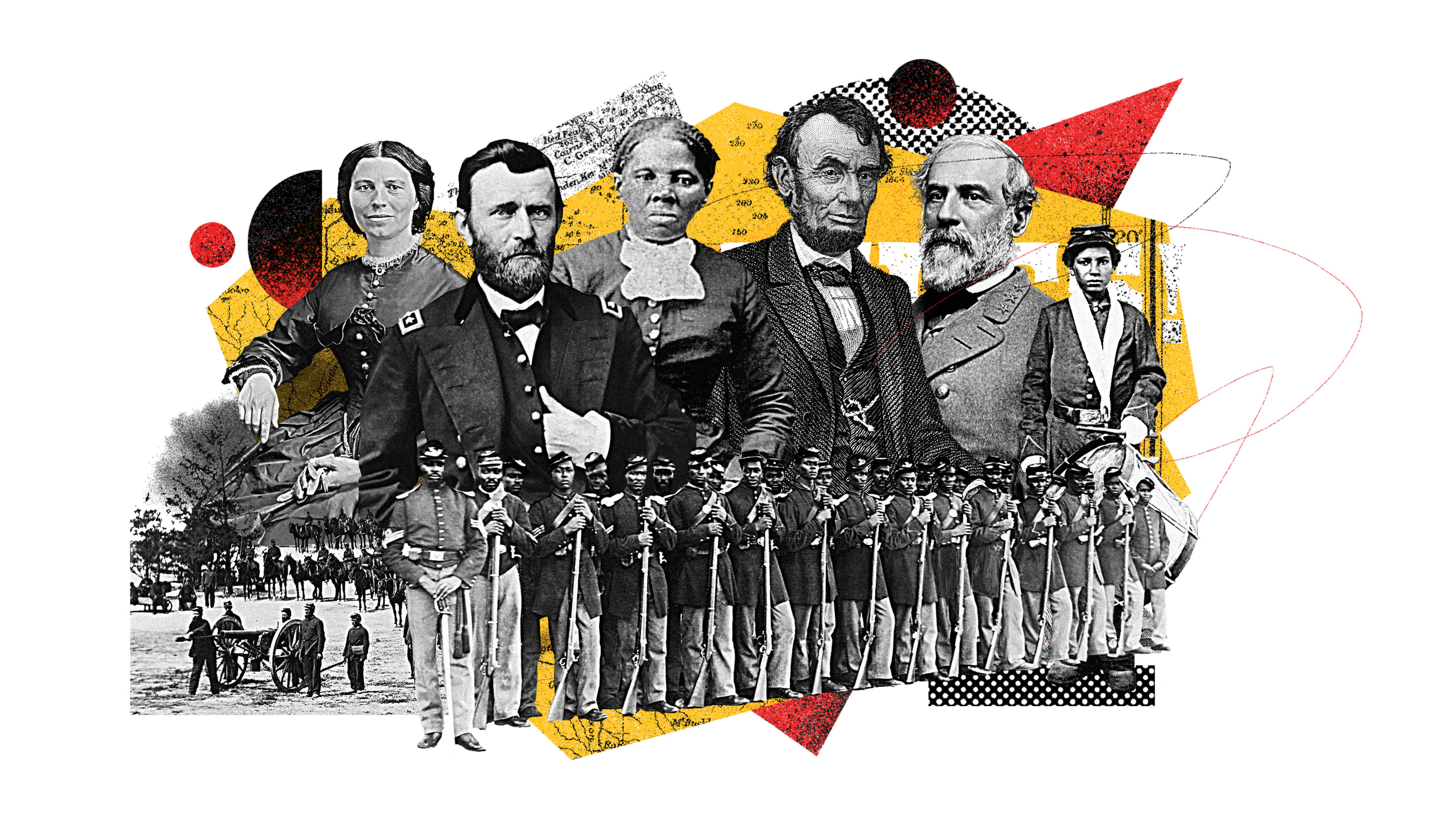
While the generals planned their defenses, the daily preservation of the estate fell into the hands of Selina Gray, an enslaved housekeeper. Before Mary Lee fled the home, she left the keys and the care of the historic Washington heirlooms to Gray. When Union soldiers began looting and vandalizing the property, Gray bravely confronted the officers, demanding they respect the artifacts of the nation’s first president. Her intervention saved irreplaceable pieces of early American history and highlights the critical, often overlooked contributions of Black Americans during this chaotic era. Exploring stories like Gray’s adds a vital dimension to the broader canvas of African American military history and wartime resilience.
The man most responsible for turning the estate into a permanent cemetery was Brigadier General Montgomery C. Meigs, the Quartermaster General of the Union Army. Meigs, a native of Georgia who remained fiercely loyal to the Union, viewed Robert E. Lee’s defection as an unforgivable act of treason. As casualties from the brutal Wilderness Campaign began to overwhelm the municipal cemeteries of Washington and Alexandria in 1864, Meigs saw a dual opportunity: solve the military’s desperate burial shortage and ensure that the


