The Treaty of Paris of 1783 represents the definitive turning point in American history, marking the official end of the American Revolutionary War and the birth of a sovereign, independent United States of America. On September 3, 1783, amidst the grand diplomatic stages of Europe, representatives of the newly formed American republic and the British Crown signed a historic peace agreement that formally shattered colonial ties. Far from a simple cessation of hostilities, this treaty was a masterclass in international diplomacy that redrew the map of North America, doubling the nation’s size and charting a course for westward expansion. However, the path to peace was fraught with geopolitical intrigue, complex global alliances, and severe territorial disputes. By analyzing the causes, major turning points, key figures, and lasting consequences of the treaty, we uncover not only the strategic brilliance of America’s early diplomats but also the profound, sometimes tragic, impact these negotiations had on the continent’s Indigenous populations. This is the complete story of how a single document permanently redefined the global balance of power and laid the groundwork for the modern United States.
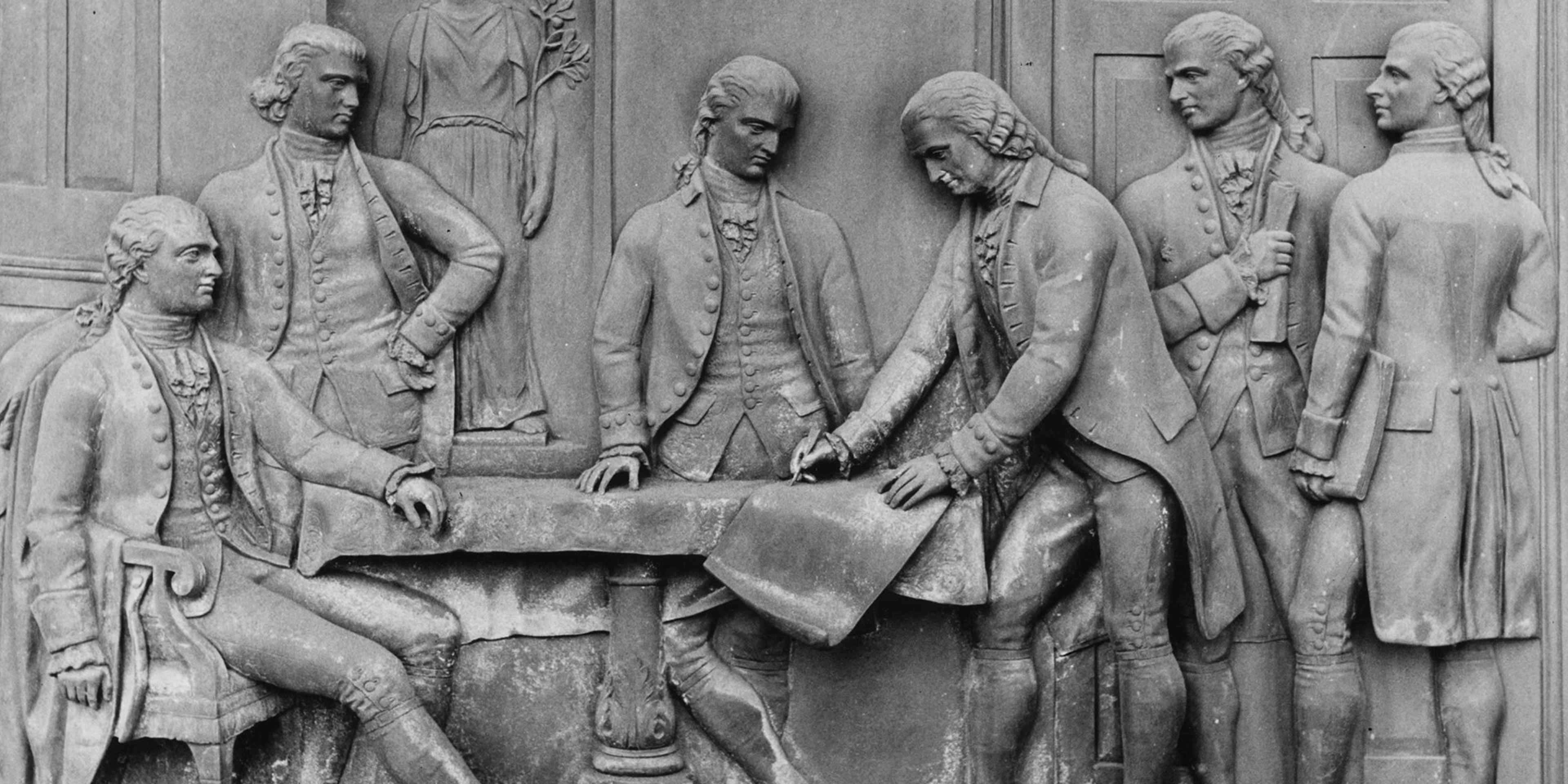
Geopolitical Crucible: Historical Background of the Peace of 1783
In the late 18th century, the American Revolutionary War was no longer a localized rebellion of thirteen colonies; it had spiraled into a sprawling global conflict. Great Britain found itself beleaguered on multiple fronts, facing not only the Continental Army but also the formidable forces of France, Spain, and the Dutch Republic. For the British Empire, the war was becoming financially ruinous and politically unsustainable. The formal alliance between France and the United States, cemented in 1778, proved to be the ultimate game-changer. Exploring 5 ways the French helped win the American Revolution reveals how French naval power, troops, and supplies turned the tide against Britain. Following the devastating British defeat at Yorktown in late 1781, public support in England collapsed, forcing the resignation of Prime Minister Lord North. The subsequent administration, eventually led by the pro-peace Prime Minister Lord Shelburne, recognized that continuing the war was futile. Thus, the stage was set in Paris for a series of delicate, high-stakes negotiations that would formally define the geopolitical map of North America.
A Chronological Timeline of the Peace Negotiations
The path to the Treaty of Paris was a slow, deliberate chess match of global diplomacy. Key dates and milestones highlight this arduous journey:
- October 19, 1781: The Siege of Yorktown ends with the surrender of British General Charles Cornwallis, effectively halting major military operations in North America.
- March 20, 1782: Prime Minister Lord North resigns, paving the way for a British government willing to negotiate peace.
- April 1782: Informal peace talks begin in Paris, with British representative Richard Oswald meeting with American commissioner Benjamin Franklin.
- September 1782: John Adams and John Jay join Franklin in Paris, establishing a formidable three-man negotiating team.
- November 30, 1782: The preliminary articles of peace are drafted and signed by the American and British commissioners.
- January 20, 1783: Preliminary peace treaties are signed between Great Britain, France, and Spain, suspending active warfare.
- September 3, 1783: The definitive Treaty of Paris is signed at the Hotel d’York, formally ending the Revolutionary War.
- January 14, 1784: The Continental Congress ratifies the treaty, officially cementing American sovereignty.
The American Negotiators and Their Masterful Diplomacy
The success of the Treaty of Paris rested on the shoulders of three exceptional American statesmen: Benjamin Franklin, John Adams, and John Jay. While the Continental Congress had also appointed Thomas Jefferson and Henry Laurens, Jefferson was unable to leave America in time, and Laurens was captured by the British and held in the Tower of London. Each of the three remaining commissioners brought a unique set of skills and temperaments to the negotiating table.
Benjamin Franklin: The Elder Statesman
Franklin, who had served as America’s first ambassador to France, was highly revered in Paris. His deep understanding of French court politics and his immense popularity made him the public face of the American delegation. However, Franklin was initially inclined to work closely with the French foreign minister, the Comte de Vergennes, which raised suspicions among his colleagues.
John Jay: The Astute Strategist
John Jay, a brilliant lawyer from New York, was highly suspicious of French and Spanish motives. Fearing that France would sacrifice American territorial interests to appease Spain (which wanted control over the Mississippi River and Florida), Jay took a daring diplomatic risk. He initiated secret, direct negotiations with British representatives, bypassing the French court entirely. This bold move ultimately secured incredibly generous borders for the new nation.
John Adams: The Defender of New England Interests
Adams joined the negotiations after securing a massive loan from the Dutch. Known for his stubbornness and principles, Adams fiercely advocated for New England’s economic interests, particularly securing invaluable fishing rights in the rich waters off the coast of Newfoundland and Canada. The diplomacy of these three men was shaped by the immense financial strain of the war, a challenge shared by many Founding Fathers whose finances shaped the American Revolution and forced them to prioritize stable, lucrative trade agreements.
Major Turning Points: From Espionage to Political Realignment
The Treaty of Paris was made possible by crucial military and political shifts. While the battlefield victory at Yorktown is often celebrated, the underlying intelligence network played an indispensable role. Understanding how George Washington used spies to win the American Revolution explains how the Continental Army was able to outmaneuver British forces, setting the stage for the final siege.
Another major turning point was the death of British Prime Minister Lord Rockingham in July 1782, which elevated Lord Shelburne to the premiership. Shelburne believed that a prosperous, independent United States would be a far more valuable trading partner for Britain than a rebellious colony that required massive military expenditures to police. Consequently, Shelburne’s administration was willing to offer highly favorable terms, hoping to detach the United States from its alliance with France.
Key Terms of the Treaty of Paris of 1783
The definitive agreement contained ten crucial articles that reshaped global geography and law:
- Formal Recognition of Independence: Great Britain acknowledged the United States as a free, sovereign, and independent nation, relinquishing all claims to its government, property, and territorial rights.
- Generous Boundary Lines: The treaty established the boundaries of the United States, extending west to the Mississippi River, north to the Great Lakes and Canada, and south to Spanish Florida. This effectively doubled the land area of the young republic.
- The Northwest Territory: The British ceded a vast, fertile region that would eventually become the states of Ohio, Indiana, Illinois, Michigan, Wisconsin, and parts of Minnesota, laying the groundwork for westward expansion.
- Fishing Rights: American fishermen secured the right to fish in the fertile waters off the Grand Banks of Newfoundland and the Gulf of Saint Lawrence.
- Mississippi River Navigation: The river was declared open for free navigation by citizens of both the United States and Great Britain.
- Loyalist Property and Debts: The treaty recommended that the Continental Congress encourage individual states to restore confiscated property to British Loyalists and allowed British creditors to collect valid pre-war debts.
A Silenced Voice: The Tragedy of Indigenous Sovereignty
While the Treaty of Paris was a monumental triumph for the United States, it was a devastating betrayal for the Indigenous nations of North America. During the Revolutionary War, many tribes, including the Haudenosaunee (Iroquois) Confederacy, the Shawnee, and the Cherokee, allied with either the British or the patriots to protect their ancestral lands. Yet, no Native American representatives were invited to the negotiations in Paris.
In signing the treaty, Great Britain ceded vast territories east of the Mississippi River—lands inhabited, managed, and defended by sovereign Indigenous nations for millennia—without their consent. The British transfer of the Northwest Territory to the United States completely ignored the existing treaties and boundaries established with the tribes. This catastrophic omission set the stage for decades of violent conflict, forced displacement, and treaty violations as the young American republic pushed relentlessly westward, treating Native lands as empty wilderness.
Lesser-Known Facts About the Treaty
The Unfinished Masterpiece
To commemorate the historic peace, the renowned American artist Benjamin West attempted to paint a grand portrait of the signing. He captured the American delegation—John Adams, Benjamin Franklin, John Jay, Henry Laurens, and Temple Franklin—in exquisite detail. However, the British representative, David Hartley, and his secretary refused to sit for the painting out of deep humiliation. As a result, the famous painting remains forever unfinished, leaving a stark, blank space where the British negotiators should have been.
Imprisoned in the Tower of London
Henry Laurens, one of the appointed American peace commissioners, was captured at sea by a British warship in 1780 while on a diplomatic mission to the Netherlands. He was imprisoned in the notorious Tower of London under suspicion of high treason. In December 1781, he was finally released in a high-profile prisoner exchange for British General Charles Cornwallis, who had been captured at Yorktown. Though Laurens arrived in Paris late, he was able to sign the preliminary treaty.
The Holy Trinity Preamble
Despite the secular nature of the United States Constitution and the revolutionary shift away from state-mandated religion, the very first line of the Treaty of Paris of 1783 opens with a profoundly religious invocation: “In the Name of the most Holy & undivided Trinity.” This traditional diplomatic opening was utilized to solemnize the treaty under international law.
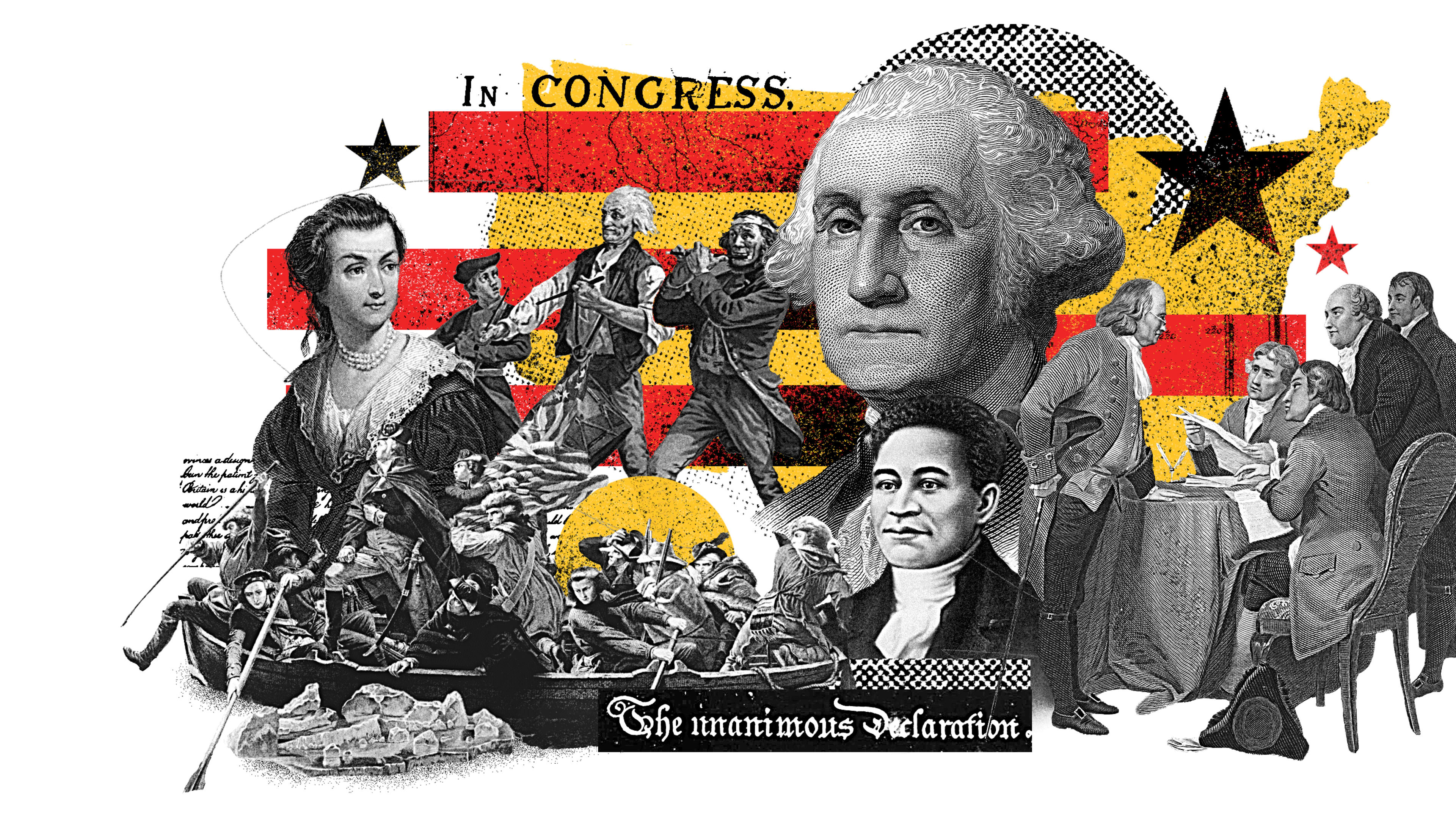
Why the Treaty of Paris Still Matters Today
The legacy of the Treaty of Paris reverberates through the modern world. It established the world’s longest undefended international border between the United States and Canada, defining the geopolitical boundaries of North America. Furthermore, the unresolved issues of the 1783 treaty—including Britain’s refusal to abandon its military forts in the Northwest Territory and disputes over Loyalist compensation—directly necessitated the Jay Treaty of 1795 and ultimately fueled the tensions that sparked the War of 1812.
Today, the treaty is also a focal point in discussions about historical justice and Indigenous land rights, serving as a reminder of how the foundations of modern nations were built upon the exclusion of native populations.
People Also Ask (FAQ)
Who signed the Treaty of Paris of 1783?
The treaty was signed by American commissioners Benjamin Franklin, John Adams, and John Jay, and by British representative David Hartley, who acted on behalf of King George III.
What territory did the United States gain in the Treaty of Paris?
The United States gained all British territory east of the Mississippi River, north of Florida, and south of Canada, including the massive Northwest Territory which doubled the nation’s size.
Did the Treaty of Paris resolve all conflicts between the US and Britain?
No. Several issues remained unresolved, such as the British evacuation of western forts and the treatment of Loyalists, which caused ongoing friction and eventually contributed to the War of 1812.
Conclusion: The Foundations of a New Republic
The Treaty of Paris of 1783 was far more than a simple end to a military conflict; it was the formal diplomatic birth certificate of the United States. Through the strategic, independent maneuvering of Franklin, Adams, and Jay, the young republic secured boundaries and concessions that exceeded all expectations. While this triumph paved the way for American prosperity, it also initiated a tragic era of displacement for Indigenous nations. Ultimately, understanding the Treaty of Paris is essential to understanding the complex, dual legacy of liberty and expansion that shapes American identity to this day.


