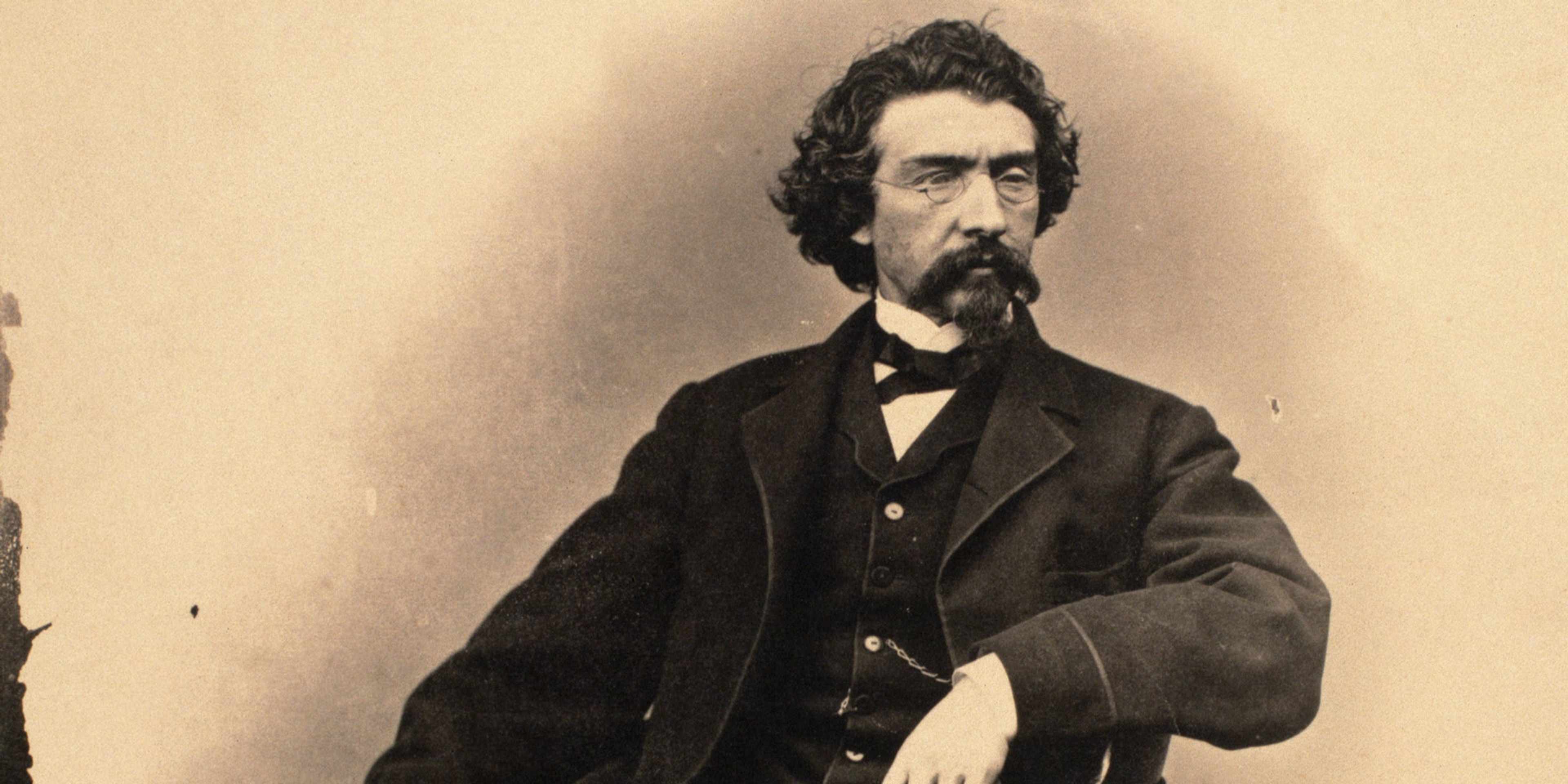
Mathew Brady remains one of the most influential figures in American visual history, fundamentally changing how humanity witnesses, records, and remembers the horrors of war. Long before the first artillery shells battered Fort Sumter in 1861, Brady had established himself as the premier portraitist of the mid-nineteenth century, capturing the faces of presidents, innovators, and everyday citizens in his lavish galleries. When the nation fractured during the American Civil War, Brady risked his financial stability, his reputation, and his personal safety to document the conflict directly from the front lines. This comprehensive study of the Mathew Brady biography and facts explores his pioneering technology, his complex relationships with battlefield photographers, his artistic legacy, and how his haunting images forever altered the American consciousness. By bringing the grim, unvarnished realities of the battlefield into public galleries, Brady essentially birthed the medium of modern photojournalism, leaving behind an archive that serves as an invaluable window into a defining era.
Historical Background: The Dawn of American Photography
The era of early American photography was born during a period of intense technological innovation and rapid industrial transformation. Mathew Brady was born around 1823 or 1824 in Warren County, New York, near the picturesque shores of Lake George. Raised in a modest household by Irish immigrant parents, Brady made a pivotal move to New York City around 1839. This year proved incredibly serendipitous for the young Brady, as it coincided with French inventor Louis Jacques Mandé Daguerre unveiling the daguerreotype to the world—the first practical and commercially viable photographic process.
In New York, Brady studied the intricate chemical and mechanical processes of this new medium under the tutelage of inventor Samuel F.B. Morse. Morse, widely celebrated for developing the electromagnetic telegraph, had personally met Daguerre in Paris and helped introduce the daguerreotype to America. Recognizing the immense artistic and commercial potential of the medium, Brady opened his first "Daguerrean Miniature Gallery" on Broadway in 1844. Through clever self-promotion and an uncompromising eye for quality, Brady quickly set himself apart from dozens of local competitors, earning top honors at the American Institute’s annual fair and establishing a loyal clientele among the city’s elite class.
Chronological Timeline of Mathew Brady’s Life and Career
To understand Brady’s professional trajectory and his impact on American history, we must trace his career through a series of defining milestones:
- 1844: Brady opens his prestigious "Daguerrean Miniature Gallery" on Broadway, New York, establishing his reputation as a master portraitist.
- 1849: Recognizing the power of political celebrity, Brady opens a secondary gallery in Washington, D.C., to capture portraits of the nation’s elite leaders and legislators.
- 1850s: Brady spearheads the transition from the singular daguerreotype process to the glass plate negative wet-collodion process, allowing for the mass reproduction of photographs.
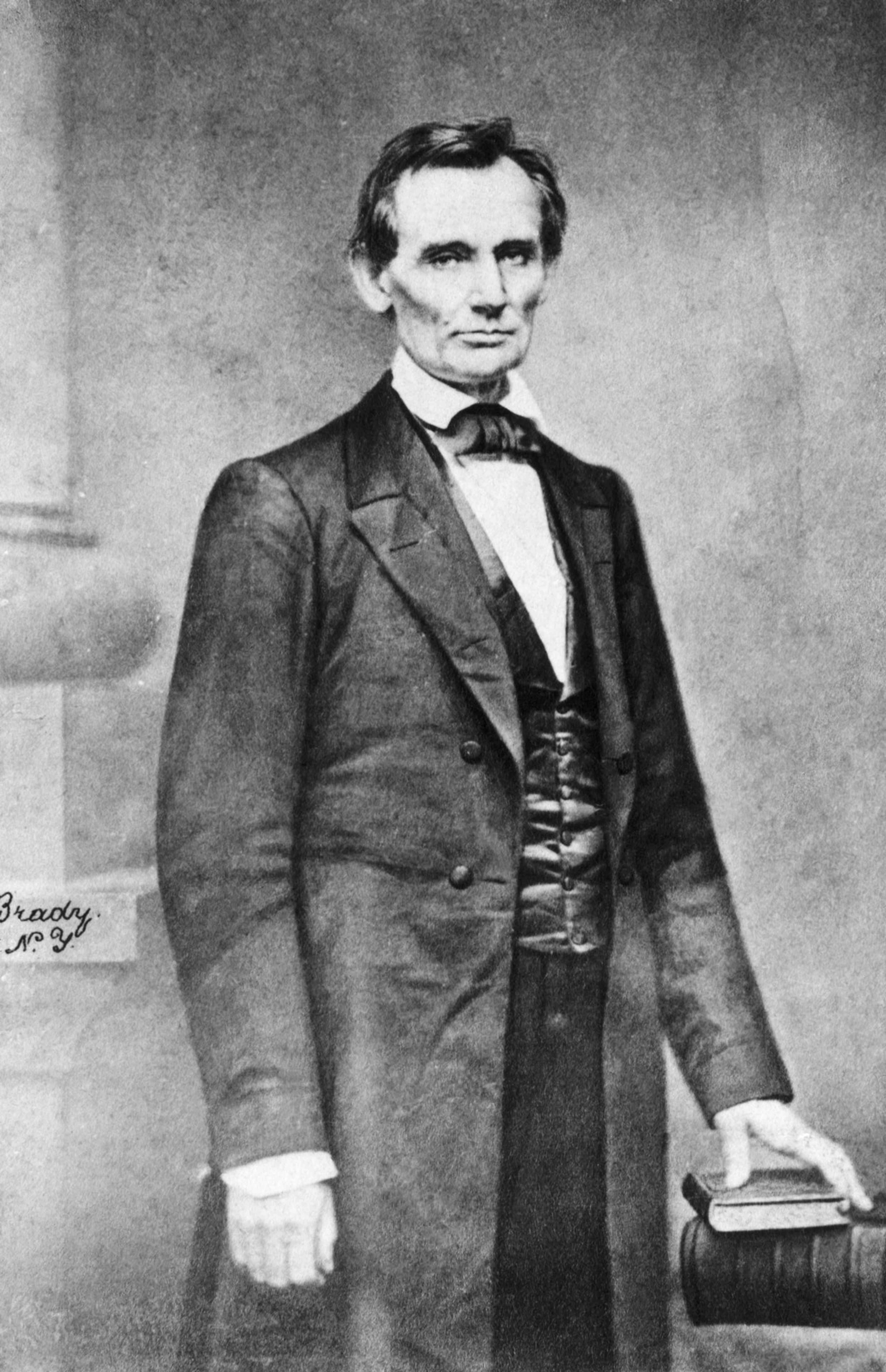
- February 1860: Rising political figure Abraham Lincoln visits Brady’s New York gallery. The resulting "Cooper Union" portrait is widely credited with helping Lincoln win the presidency.
- July 1861: Driven by a divine artistic impulse, Brady travels to the Virginia front lines during the First Battle of Bull Run, barely escaping the chaotic Union retreat.
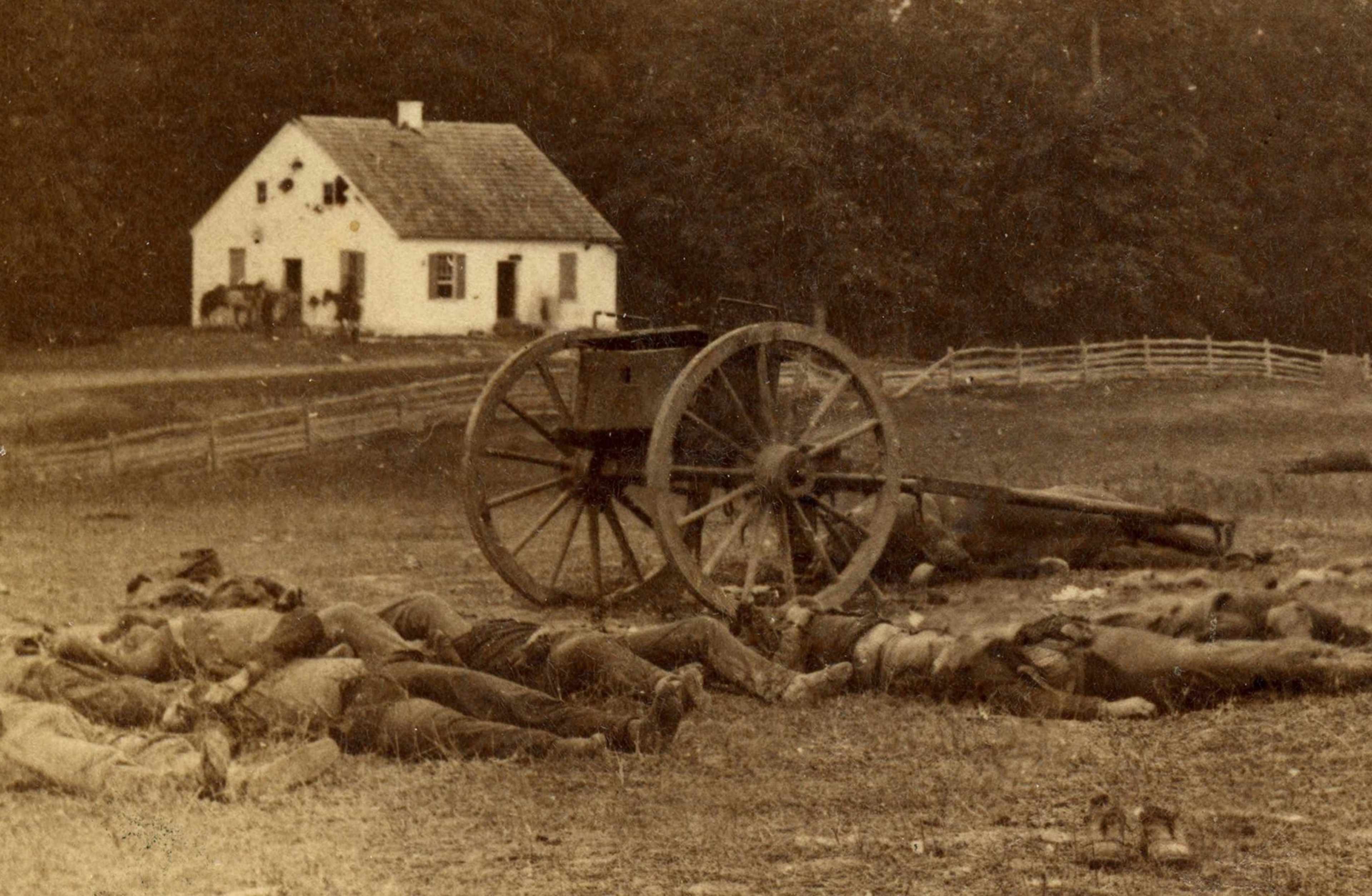
- September 1862: Under Brady’s employment, photographer Alexander Gardner captures the devastating aftermath of the Battle of Antietam. The subsequent exhibition, "The Dead of Antietam," shocks the nation.
- May 1863: Financial disputes and creative differences prompt Alexander Gardner to leave Brady’s studio, taking several talented operators and invaluable negatives with him.
- April 1865: Days after the Confederate surrender, Brady secures permission to photograph General Robert E. Lee at his home in Richmond, Virginia.
- 1875: Impoverished and burdened by wartime debt, Brady sells a major collection of his Civil War negatives to the U.S. government for $25,000.
- January 15, 1896: Following a period of declining health and a tragic accident, Brady passes away in New York City and is later buried in Congressional Cemetery in Washington, D.C.
Important Figures in Brady’s Photographic Empire
While Mathew Brady’s name is synonymous with Civil War photography, his grand enterprise relied heavily on a network of immensely talented individuals, creating a collaborative legacy that shaped early American visual culture:
- Mathew Brady: The visionary director, entrepreneur, and promoter. Despite suffering from deteriorating eyesight, Brady acted as the chief orchestrator of his studios, securing access to high-profile military leaders, financing battlefield expeditions, and curating the visual legacy of the war.
- Alexander Gardner: A brilliant Scottish photographer who managed Brady’s Washington, D.C. gallery. Gardner’s stark, unflinching photographs of the dead at Antietam redefined the boundaries of war reporting. He later established his own rival studio due to Brady’s practice of claiming all studio works under his own name.
- Timothy O’Sullivan: A daring assistant photographer who captured some of the war’s most iconic landscapes and post-battle scenes, including "The Harvest of Death" at Gettysburg. O’Sullivan’s work helped preserve vital historical memories, serving as a template for future generations looking back at these events. These visual records acted as a bridge to future generations, forming one of the earliest and most vital historical time capsules of the nineteenth century.
- Abraham Lincoln: The 16th President of the United States, whose political career was intimately intertwined with Brady’s camera. Lincoln famously remarked that Brady’s portraits played a central role in his successful presidential campaign.
Causes, Context, and Technical Evolution of Brady’s War Project
The American Civil War was the first major conflict in human history to be extensively documented through the lens of a camera. The catalyst for Brady’s massive undertaking was his deep-seated belief that history must be preserved visually. When the secession crisis boiled over into armed conflict, Brady felt a profound moral obligation to document the struggle, declaring that "a spirit in my feet said go, and I went." This decision was highly controversial among his family and business partners, who feared the move would bankrupt his lucrative commercial portrait business, which had successfully expanded into the mass-market production of cartes de visite.
To capture these images, Brady and his staff utilized the cutting-edge technology of the era: the wet-collodion process. This method required photographers to coat a glass plate negative with a chemical mixture, sensitize it in a darkroom, expose it inside a heavy wooden camera while still wet, and immediately develop it. This painstaking process required a mobile darkroom wagon—which soldiers nicknamed the "What-is-it" wagon. Because exposure times lasted several seconds, capturing action shots of actual combat was impossible. Instead, photographers focused on the immediate aftermath of battles, camp life, and formal portraits of officers and soldiers. Beyond military commanders, these photographic archives also captured the diverse faces of the conflict, representing thousands of everyday soldiers, including the brave contributions of Black soldiers in US military history who fought for their liberation.
Major Turning Points: The Brutal Reality of Antietam
For the first year of the Civil War, the public primarily saw idealized drawings and heroic paintings of the conflict. The turning point in war photojournalism occurred in October 1862, when Brady displayed Alexander Gardner’s photographs of the Battle of Antietam at his New York City gallery. The exhibition, titled "The Dead of Antietam," marked the first time the civilian public saw the gruesome reality of war without sugarcoating. Visitors were confronted with images of bloated corpses, shattered landscapes, and the quiet, terrible stillness of fallen soldiers lying along the Sunken Road.
The effect was immediate and profound. A reviewer for the New York Times wrote that Brady had not brought bodies and laid them in our dooryards, but he had done "something very like it." The visual reality of dead soldiers lying on the field at Antietam dismantled the romantic myth of glorious combat, laying the early cultural groundwork for future anti-war sentiments in American society. This shift marked a permanent transformation in how the press, the public, and the government interacted with the realities of armed conflict.
Long-Term Impact on America and the Photographic Legacy
The long-term impact of Mathew Brady’s work cannot be overstated. He established the precedent that photographic documentation is vital to public accountability and historical preservation. Before Brady, history was recorded almost exclusively through written words and artistic interpretations. Brady’s vast archive of over 10,000 negatives provided an objective, visual index of the war, preserving the physical reality of a nation undergoing its greatest trial.
Unfortunately, Brady’s dedication to his historical mission came at an immense personal and financial cost. He poured his life savings into equipping his photographic teams, confidently expecting that the federal government would purchase his collection at a premium after the war. However, a war-weary public and a cash-strapped Congress showed little interest in reliving the trauma of the conflict. Brady was forced into bankruptcy. Though Congress eventually purchased a portion of his negatives in 1875 for $25,000, the sum was far too little to rescue him from poverty. Nevertheless, this acquisition ensured that his invaluable plates would be preserved forever in the National Archives and the Library of Congress, securing his legacy as America’s premier visual historian.
Lesser-Known Facts About Mathew Brady
Beyond his famous war images, Brady’s life and work feature several fascinating, lesser-known details:
- The ‘Spielberg’ of the 19th Century: Historians often debate how many photos Brady actually snapped himself. Because of his severe myopia, Brady rarely operated the heavy cameras during the war. Instead, he acted as a high-level producer, director, and financier, hiring talent like Gardner, O’Sullivan, and Egbert Guy Fowx, while branding all output as "Brady" photographs.
- Posing in His Own History: Brady was incredibly conscious of his own legacy. To ensure his place in history, he inserted himself directly into the frame, posing in at least 30 different photographs alongside Union officers and on battlefields.
- The President Maker: Abraham Lincoln’s famous Cooper Union speech in 1860 was accompanied by a Brady portrait that softened Lincoln’s harsh facial features and made him look statesmanlike. Lincoln widely distributed this portrait on campaign pins and flyers, later declaring that Brady’s camera was instrumental in his election.
Why Mathew Brady’s Work Matters Today
In our modern, media-saturated digital age, the pioneering work of Mathew Brady is more relevant than ever. Every time a photojournalist risks their life to document a conflict in a faraway land, they are walking in the footsteps of Brady and his courageous crew. Brady’s photographs taught us that images hold an unparalleled power to shape public opinion, spark political reform, and preserve the raw truth of the human condition. His legacy reminds us that history is not merely a collection of dates and names on a page, but a lived, human experience that must be captured, examined, and respected by future generations.
People Also Ask
Did Mathew Brady actually take the Civil War photos?
While Mathew Brady financed, organized, and directed the photographic expeditions, he did not physically take the majority of the Civil War photographs. Due to failing eyesight, Brady relied heavily on a team of skilled operators—including Alexander Gardner, Timothy O’Sullivan, and James Gibson—to operate the cameras and develop the glass plates in the field. However, Brady’s role as the creative director, coordinator, and publisher was essential to the creation of the archive.
How did Mathew Brady die?
Mathew Brady died in poverty on January 15, 1896, at Presbyterian Hospital in New York City. His health had declined rapidly after he was struck by a horse-drawn streetcar in Washington, D.C., in 1895, which resulted in a broken ankle from which he never fully recovered. He was buried in the Congressional Cemetery in Washington, D.C., with his funeral expenses paid for by veterans of the Union Army’s 7th New York Regiment.
What photographic process did Mathew Brady use?
Brady began his career utilizing the daguerreotype process, which produced unique, non-reproducible images on silver-plated copper sheets. By the mid-1850s, he transitioned to the wet-plate collodion process. This advanced method used glass plate negatives to produce highly detailed, easily reproducible prints, enabling the mass marketing of photographs for the first time in history.
Conclusion
Mathew Brady was more than just a photographer; he was a visionary who understood the power of the camera to freeze history in time. By capturing both the dignified faces of leadership and the horrific realities of the battlefield, Brady bridged the gap between political theater and human sacrifice. Though he died in poverty, unrecognized by the nation he helped document, his work remains a cornerstone of American identity. Through the lens of his gallery, we continue to look back at the Civil War not as a distant myth, but as an intimate, painful, and profoundly human struggle that shaped the modern United States.


