The American Civil War was a watershed moment that permanently fractured the traditional boundaries of Victorian society. Before the first shots were fired in 1861, American women were bound by the strict constraints of the “Cult of True Womanhood,” which dictated that their influence should begin and end within the quiet sanctuary of the domestic home. However, the sheer scale and brutality of the conflict shattered this rigid ideology. For over four years, thousands of women stepped forward to serve as nurses, scouts, organized relief workers, and even covert spies. Strikingly, more than 400 women successfully disguised themselves as men to take up arms on the front lines of both the Union and Confederate armies. This article explores how these brave women redefined their place in society, profoundly shaping the course of American history and laying the groundwork for future generations of female leadership and civil rights advocacy.
The Victorian Prelude: The Cult of True Womanhood
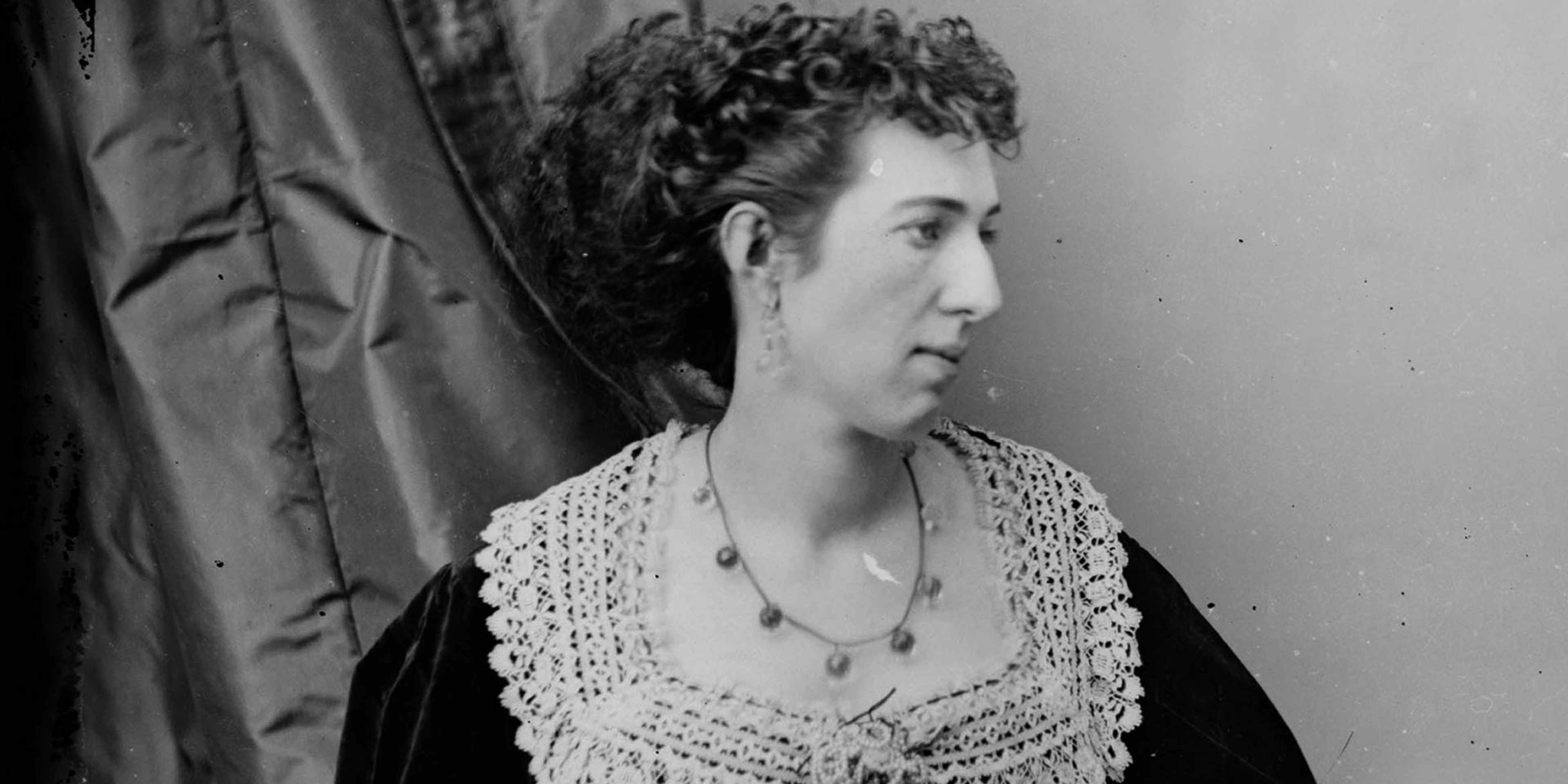
To understand the profound transformation that occurred during the Civil War, one must examine the antebellum social landscape. In the decades leading up to the conflict, middle- and upper-class American women were governed by a rigid set of ideals known as the “Cult of True Womanhood” (or the cult of domesticity). This ideology arose alongside the Industrial Revolution. As men’s labor transitioned out of the home and into factories, offices, and shops, the household evolved into a separate, feminized domestic sphere. Women were expected to be the guardians of morality, piety, purity, and submissiveness, creating a nurturing “haven in a heartless world” for their husbands and children.
For working-class women and enslaved African American women, this idealized standard was completely out of reach. Enslaved women, stripped of their bodily autonomy and legal rights, were forced into intense agricultural and domestic labor under brutal conditions. However, when the war broke out in April 1861, the luxury of domestic isolation vanished for white women as well. The insatiable demands of a total war forced women from all socioeconomic backgrounds into public life, permanently expanding the definition of what women could achieve.
Key Events and Timeline of Women’s Involvement
The mobilization of women during the Civil War occurred rapidly, evolving from localized charity efforts to highly organized federal operations. Here is a chronological breakdown of the major milestones:
- April 1861: The Civil War begins. Women in both the North and South immediately organize local ladies’ aid societies to sew uniforms, knit socks, and gather supplies for soldiers.
- June 1861: The federal government establishes the United States Sanitary Commission (USSC). This organization improves hygiene, diet, and medical care in Union army camps, largely funded and operated by female volunteers.
- June 1861: Dorothea Dix is appointed Superintendent of Army Nurses for the Union, establishing the first professional nursing corps in U.S. history.
- 1862: Clara Barton begins independent relief work on the battlefields, bringing critical supplies directly to the front lines.
- June 1863: Harriet Tubman plans and guides the Combahee River Raid in South Carolina, freeing more than 700 enslaved people.
- April 1865: The war ends, but the societal expectations surrounding women have been permanently altered.
Angels of the Battlefield: The Rise of Professional Nursing
Before 1861, professional nursing was virtually nonexistent in the United States; most medical care in hospitals was administered by male orderlies. The catastrophic casualties of early battles quickly overwhelmed military medical systems, prompting women to demand a role in caring for the wounded. Just as the heroic women of the American Revolution had stepped up to defend their homes and support the cause of liberty decades prior, these Civil War figures defied societal limits to provide vital care on the front lines.
The Union government turned to Dorothea Dix, a renowned mental health reformer, to organize its nursing efforts. Dix was notoriously strict, recruiting mature, “plain-looking” women over the age of thirty to avoid romantic distractions in the wards. Despite these rigid criteria, over 3,000 middle-class white women served as official Union nurses, working alongside thousands of working-class white women and free Black women who served as laundresses, cooks, and matrons. Among these famous nurses was Louisa May Alcott, who later immortalized her experiences in her book Hospital Sketches.
Meanwhile, in the South, female volunteers faced even harsher shortages of medical supplies. Lacking the centralized funding of the North, Southern women transformed their homes, churches, and local halls into makeshift hospitals. They worked tirelessly as untrained nurses, comforting dying soldiers and managing complex logistics with extremely limited resources.
Spies in Petticoats: Espionage Behind Enemy Lines
The Civil War was also a war of intelligence, and women proved to be incredibly effective secret agents. Because Victorian men generally assumed women were non-political and intellectually incapable of complex espionage, female spies easily slipped across battle lines undetected, carrying blueprints, troop movements, and tactical secrets hidden inside their petticoats, corsets, and hair.
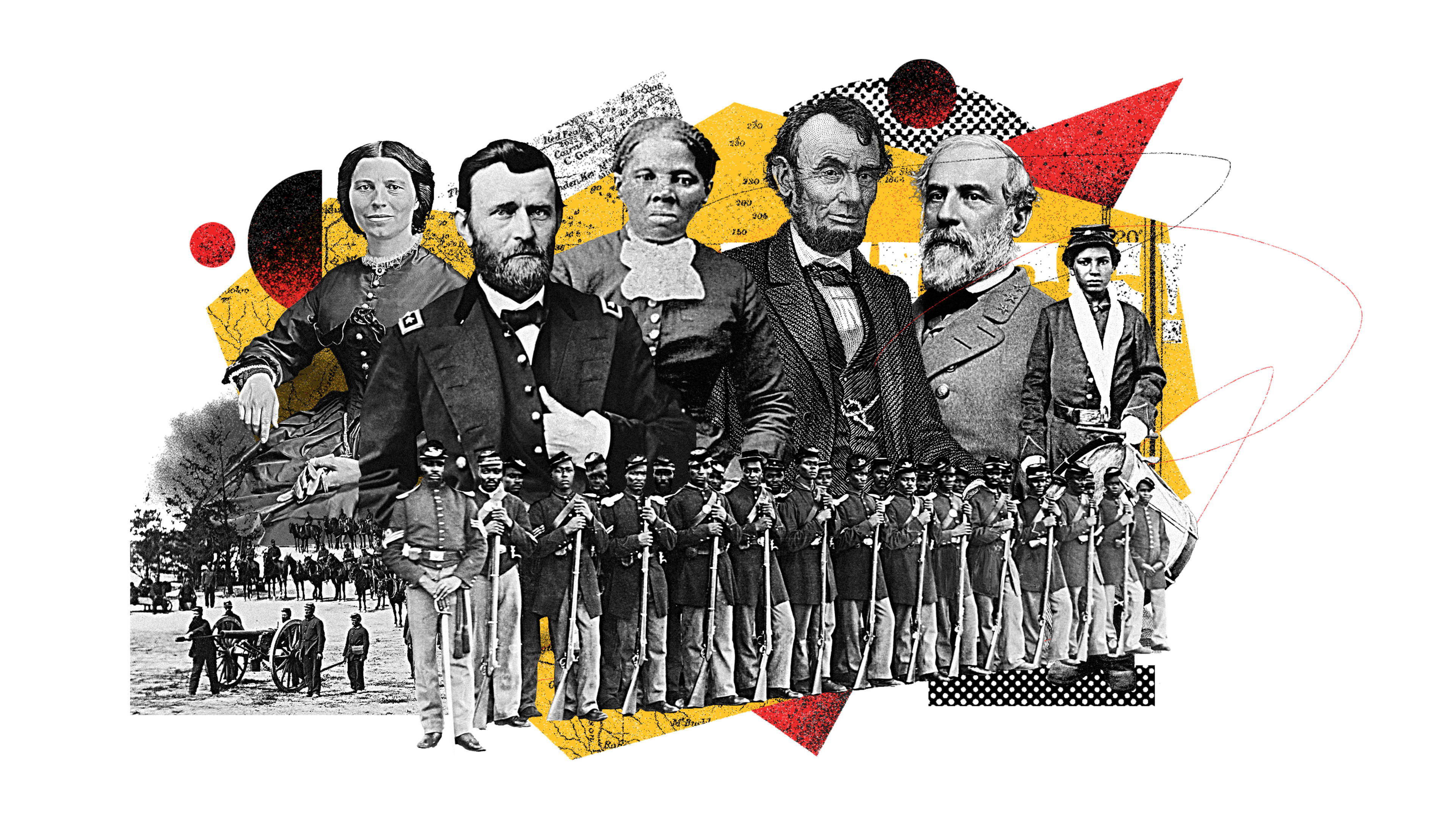
One of the most legendary Union operatives was Harriet Tubman. Already famous for her heroic rescues on the Underground Railroad, Tubman penetrated deep into Confederate territory to recruit scouts, map waterways, and gather critical intelligence. Her extraordinary military contributions solidified her legacy, earning her a permanent place among the most celebrated Black heroes throughout U.S. military history. On the Confederate side, Rose O’Neal Greenhow utilized her high-society connections in Washington, D.C., to gather vital intelligence for Southern generals, which proved decisive in the Confederate victory at the First Battle of Bull Run.
Disguised in Uniform: The Secret Soldiers
Perhaps the most shocking aspect of women’s wartime involvement was the hundreds of women who chose to fight as active soldiers. Scholars estimate that over 400 women disguised themselves as men, took on masculine aliases, and enlisted in both the Union and Confederate infantries. They bound their breasts, cut their hair, and successfully blended in with their male counterparts, aided by the loose-fitting wool uniforms of the era and the fact that most physical examinations for recruits were superficial at best.
Among these disguised soldiers was Sarah Emma Edmonds, who enlisted in the 2nd Michigan Infantry under the alias “Franklin Thompson.” Edmonds fought in major battles, worked as a mail carrier, and even operated as a spy before contracting malaria and deserting to avoid discovery. Decades after the war, her fellow soldiers supported her petition to have her desertion charge cleared, and she was granted an honorable discharge and a military pension.
The Double Burden of Enslaved and Working-Class Women
While wealthy and middle-class women experienced the war as a dramatic shift from domestic leisure to public duty, working-class and enslaved women faced immediate survival challenges. For enslaved African American women, the war brought both a desperate hope for freedom and an immense increase in labor. As slaveholders fled approaching Union troops or marched enslaved men off to perform military construction, enslaved women were left behind to manage plantations under increasingly harsh and desperate conditions.
For working-class white women in both the North and South, the departure of male family members to the front lines meant they had to become the sole breadwinners overnight. Many took dangerous jobs in munitions factories, where accidental explosions were common, or worked long hours in textile mills to support their children. In the South, hyperinflation and food shortages eventually drove desperate working-class women to lead the famous Bread Riots of 1863, demanding affordable food from Confederate authorities at gunpoint.
Lesser-Known Facts About Women in the Civil War
- The Soldier Who Gave Birth: In 1863, a Union soldier fighting under the name “Bill” was discovered to be a woman only after she unexpectedly gave birth in camp. Her identity had gone unnoticed by her fellow soldiers for months.
- The First Female Army Raid Leader: Harriet Tubman became the first woman in U.S. military history to plan and lead an armed assault when she guided Union gunboats during the Combahee River Raid, liberating hundreds of enslaved people in a single night.
- A Spy Honored by a President: Elizabeth Van Lew, a wealthy Unionist living in Richmond, Virginia, ran a highly sophisticated spy ring that included her former slave, Mary Bowser, who worked inside the Confederate White House. After the war, President Ulysses S. Grant personally thanked Van Lew for her invaluable services.
The Long-Term Impact and Legacy
The Civil War fundamentally altered the trajectory of women’s rights in America. By demonstrating their organizational capacity, physical resilience, and intellect under the most grueling circumstances, women dismantled the myth of female fragility. The post-war era saw a massive surge in women’s education, the professionalization of nursing, and the rapid expansion of women’s reform organizations.
Crucially, many of the leading figures in the post-war women’s suffrage movement—including Susan B. Anthony, Elizabeth Cady Stanton, and Clara Barton—honed their organizational skills during the war. The fight for the right to vote was directly energized by the patriotic contributions of women who argued that if they could help save the nation, they deserved a say in governing it.
Why It Still Matters Today
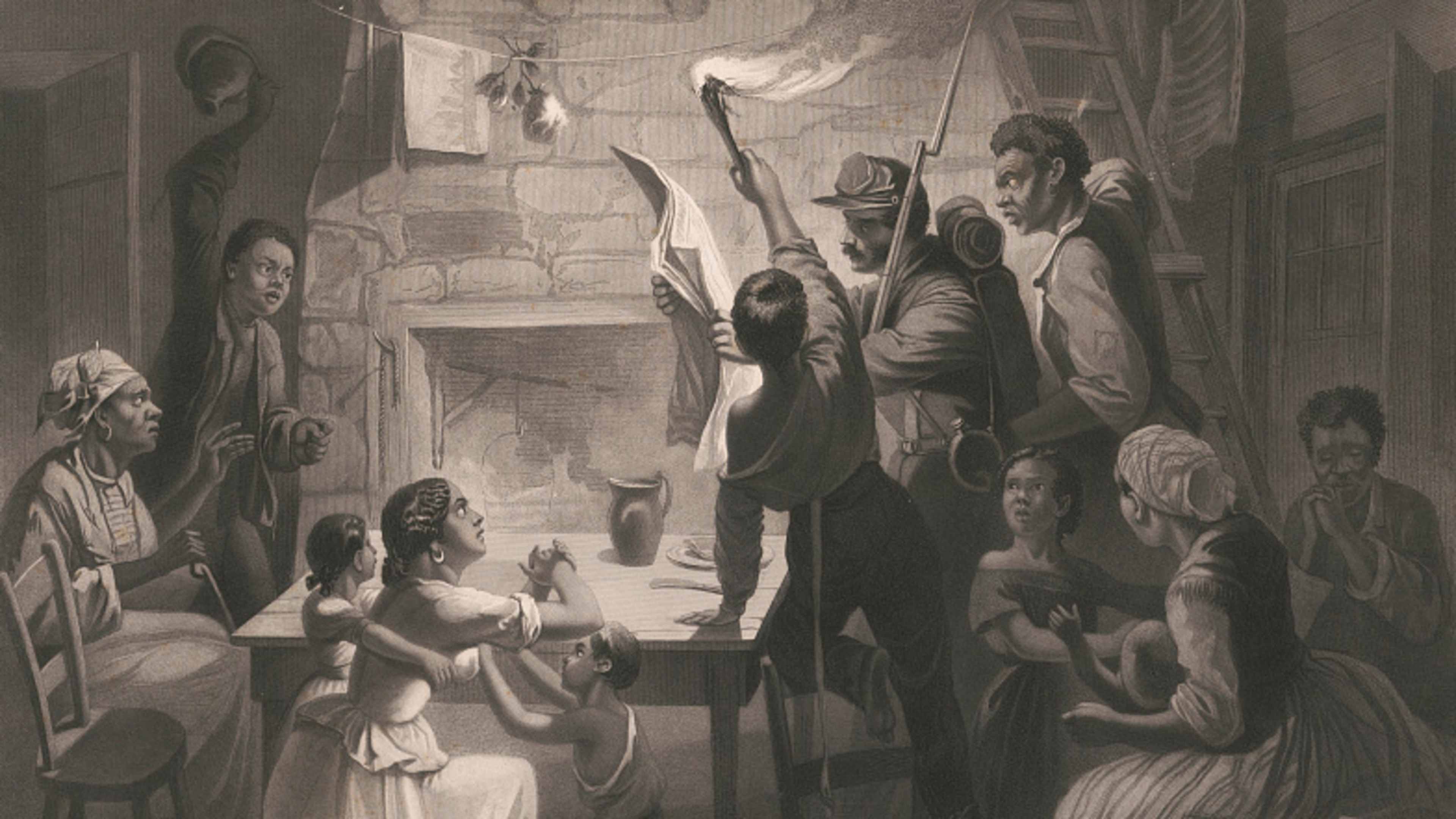
The legacy of Civil War women resonates in modern discussions surrounding gender equality, military service, and civil rights. The battle-tested efforts of Clara Barton paved the way for modern disaster relief agencies, while the covert operations of Harriet Tubman and Rose O’Neal Greenhow anticipated the integration of women into modern intelligence and military combat units. Understanding their struggles and victories reminds us that American progress has always been driven by those who dared to step outside their prescribed boundaries to serve a greater cause.
People Also Ask (FAQ)
How did women disguise themselves to fight in the Civil War?
Women cut their hair short, wore loose-fitting wool uniforms, and adopted masculine names. Because the military physical exams of the 1860s were rudimentary—often only checking if a recruit had enough teeth to bite open a gunpowder cartridge—women easily passed undetected until they were wounded or fell ill.
Who was the most famous female spy in the Civil War?
Harriet Tubman (for the Union) and Rose O’Neal Greenhow (for the Confederacy) are among the most famous. Tubman operated a highly successful intelligence network in the South, while Greenhow used her high-society connections in Washington, D.C., to send encrypted messages to Confederate generals.
What was the United States Sanitary Commission?
The United States Sanitary Commission (USSC) was a private relief agency created in June 1861 to support sick and wounded soldiers of the Union Army. It was heavily supported by female volunteers who raised millions of dollars, distributed medical supplies, and improved hygiene in military camps.
Conclusion
The American Civil War was fought on battlefields from Gettysburg to Vicksburg, but it was also fought in the hospitals, the printing presses, the espionage networks, and the factories managed by women. By stepping out of the domestic sphere and into the crucible of war, these women reshaped their own destinies and the future of the United States. Their courage, resourcefulness, and patriotism remain a foundational chapter in the ongoing story of American liberty and equality.


