On the morning of September 17, 1862, near the quiet town of Sharpsburg, Maryland, the rolling hills and agricultural fields became the stage for the most cataclysmic day in American military history. The Battle of Antietam, also known as the Battle of Sharpsburg, was not merely a clash of massive armies; it was a profound crucible that fundamentally redefined the trajectory of the American Civil War and the very fabric of the nation. For twelve relentless hours, the Union Army of the Potomac clashed with the Confederate Army of Northern Virginia, leaving an indelible mark of tragedy and transformation. To understand modern America, one must understand how this single, bloodstained day altered the country’s political, social, and global standing forever.
The Historical Background and the Road to Sharpsburg
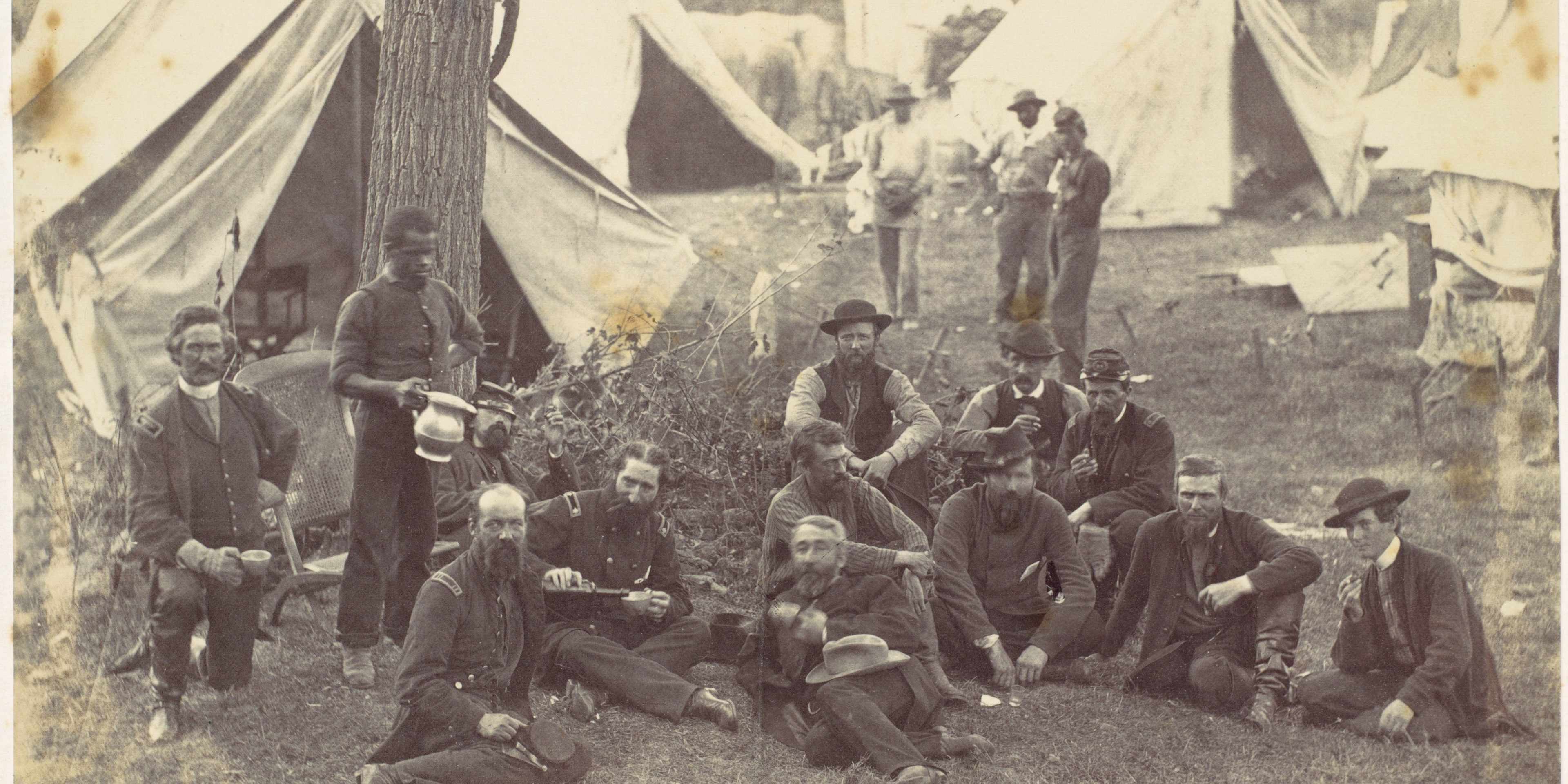
In the late summer of 1862, the Confederate States of America were riding a wave of military momentum. Having secured a stunning victory at the Second Battle of Bull Run, General Robert E. Lee sought to capitalize on Union disarray. Lee made the bold decision to cross the Potomac River and launch his first invasion of the North, entering Maryland on September 3, 1862. The Confederate strategy was multi-pronged: relieve pressure on war-torn Virginia, forage the fertile Northern countryside for supplies, influence the upcoming Northern midterm elections, and demonstrate to European powers that the Confederacy was a viable nation worthy of official diplomatic recognition. As Southern soldiers marched onto Union soil, singing patriotic anthems like “Maryland, My Maryland,” they believed victory was within grasp.
Opposing them was Major General George B. McClellan and the rebuilt Army of the Potomac. McClellan, though a superb organizer, was notoriously cautious and plagued by a persistent belief that he was always heavily outnumbered. However, a stroke of incredible luck favored the Union when two soldiers discovered a mislaid copy of Lee’s detailed campaign plans—the famous “Special Order 191″—wrapped around three cigars. Armed with this priceless intelligence, McClellan had a golden opportunity to destroy Lee’s divided forces in detail. Yet, true to his nature, McClellan moved slowly, allowing Lee to concentrate his forces along the banks of Antietam Creek near Sharpsburg.
A Chronological Timeline of the Bloodiest Day
The battle erupted at dawn on September 17, 1862, and raged across three distinct phases, each defined by unspeakable carnage and tactical stalemates:
- The Morning Phase (6:00 AM – 9:00 AM): The fighting commenced in the northern sector of the battlefield. Union forces under Major General Joseph Hooker assaulted the Confederate left flank commanded by Stonewall Jackson. The conflict centered around the now-infamous 30-acre Cornfield and the West Woods. In less than three hours, the Cornfield was cut to the ground as if harvested by a scythe, changing hands multiple times and resulting in over 8,000 casualties.
- The Midday Phase (9:30 AM – 1:00 PM): The focus shifted to the Confederate center, where Southern defenders had entrenched themselves in a sunken farm road. For hours, Union divisions launched waves of frontal assaults. When the Union finally breached the position, they looked down upon a trench piled deep with dead and wounded, earning the road the haunting moniker “Bloody Lane.” Despite a gaping hole in Lee’s center, McClellan declined to commit his reserve forces to exploit the breakthrough.
- The Afternoon Phase (1:00 PM – 5:30 PM): On the Confederate right flank, Union Major General Ambrose Burnside struggled for hours to cross a narrow stone bridge over Antietam Creek, held by a small but dug-in force of Georgia sharpshooters. After finally securing the crossing (now known as Burnside’s Bridge), Burnside’s men advanced toward Sharpsburg, threatening to cut off Lee’s retreat. However, at the eleventh hour, Confederate General A.P. Hill’s Light Division arrived from a grueling march from Harpers Ferry and launched a devastating counterattack, saving Lee’s army from total destruction.
Important Figures and Their Crucial Roles
Several pivotal figures shaped the outcome and the lasting legacy of the Battle of Antietam:
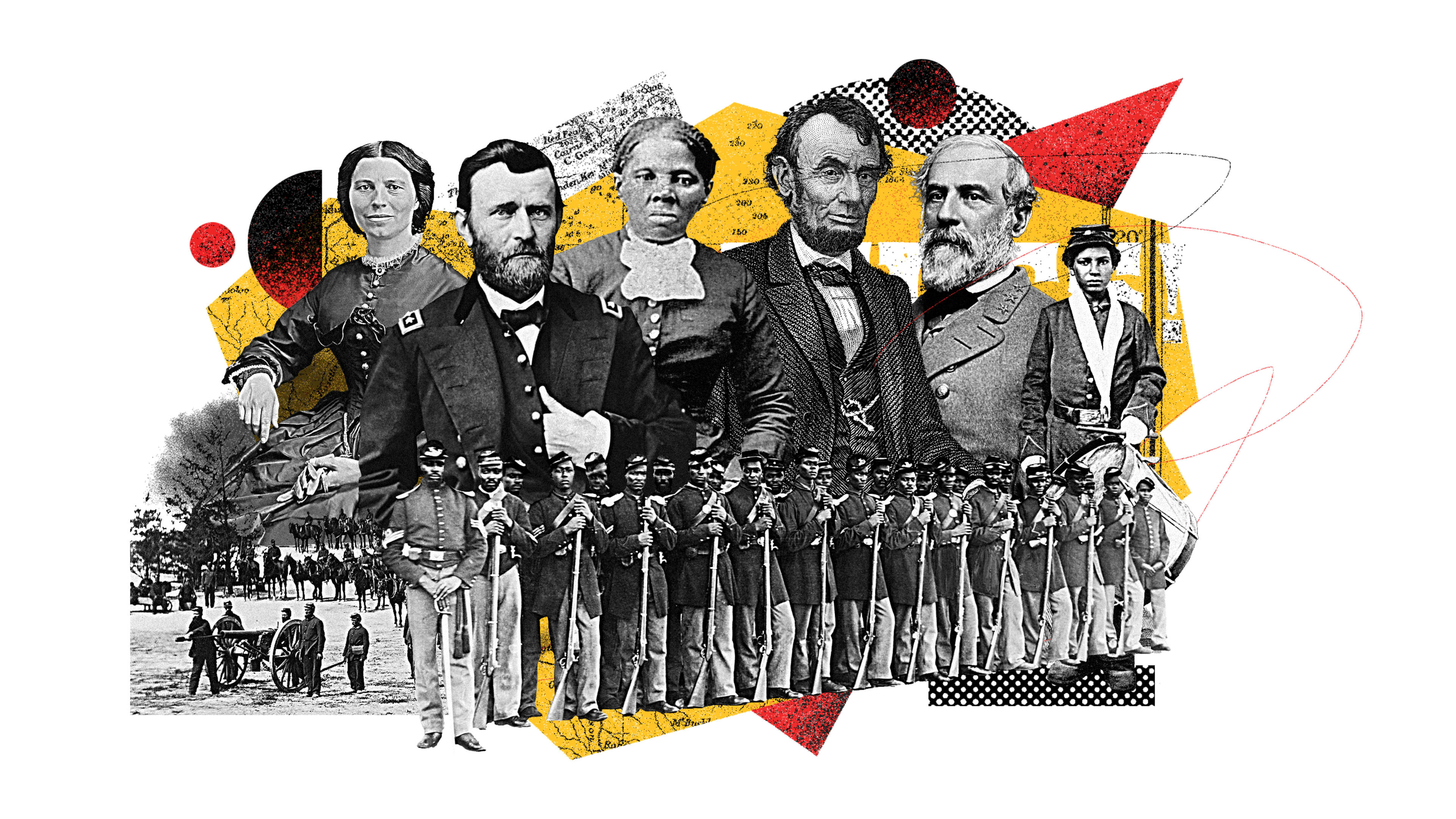
- President Abraham Lincoln: Desperately seeking a military success to justify his policy shift, Lincoln utilized the strategic Union victory at Antietam to change the moral objective of the war from merely preserving the Union to actively destroying slavery.
- General Robert E. Lee: The mastermind behind the Confederate invasion, Lee demonstrated extraordinary tactical flexibility, shifting his outnumbered troops to meet every Union assault, though his retreat back to Virginia marked the failure of his Maryland campaign.
- General George B. McClellan: The Union commander who successfully organized the defenses but failed to deliver a decisive blow, eventually leading to his permanent removal from command by an exasperated President Lincoln.
- Clara Barton: Known as the “Angel of the Battlefield,” Barton personally brought wagonloads of medical supplies to the front lines during the worst of the fighting at Antietam, nursing wounded soldiers and laying the groundwork for her eventual founding of the American Red Cross.
7 Ways the Battle of Antietam Changed America Forever
1. The Emancipation Proclamation Was Unleashed
For months, President Abraham Lincoln had kept a draft of the preliminary Emancipation Proclamation locked in his desk. He knew that issuing it during a string of Union defeats would look like a desperate, final measure. Antietam provided the necessary victory to announce this revolutionary decree on September 22, 1862. It declared that all enslaved people in Confederate-held territories would be “then, thenceforward, and forever free” starting January 1, 1863. This effectively transformed the war into a crusade for human rights, re-evaluating the foundational compromise over human bondage, which had persisted since the early days of the republic when debates raged over why Thomas Jefferson’s anti-slavery passage was removed from the Declaration of Independence.
2. The Abolition of Slavery Transformed the Military
By shifting the war’s purpose, the Emancipation Proclamation authorized the enlistment of African American soldiers. This military-political shift paved the way for the official recruitment of the United States Colored Troops (USCT), a vital milestone in the broader legacy of black heroes throughout US military history. Over 180,000 black soldiers eventually served, reinforcing the Union’s depleted ranks and playing an indispensable role in securing eventual victory.
3. European Powers Withdrew Diplomatic Recognition
Prior to Antietam, Great Britain and France were on the verge of recognizing the Confederacy and mediating a peace treaty to restore the supply of Southern cotton. However, the combination of Lee’s retreat and Lincoln’s Emancipation Proclamation made foreign intervention politically impossible. European citizens, who strongly opposed slavery, would not tolerate their governments supporting a state fighting to preserve human bondage. Thus, Antietam permanently closed the door on Confederate diplomatic hopes.
4. It Rescued Union Political Prospects in the Midterms
With critical midterm elections looming in the autumn of 1862, Northern morale was at a historic low. Democrats, campaigning on a platform of negotiating a peace with the Confederacy, seemed poised to sweep Congress. A sweeping Democratic victory would have paralyzed Lincoln’s administration. Thanks to the success at Antietam, Republicans retained majorities in both the House and the Senate, securing the legislative power needed to continue the war effort. The electoral victory limited the power of Peace Democrats—often called Copperheads—who were vocal proponents of immediately ending the conflict, a group central to the history of anti-war movements in America.
5. The Brutal Reality of War Entered American Living Rooms
Just two days after the guns fell silent, pioneering photographer Alexander Gardner arrived at Sharpsburg. He captured the horrific aftermath of the battle, photographing bloated corpses strewn across the fields. When Matthew Brady displayed these images in his New York City gallery under the title “The Dead of Antietam,” the public was shocked. For the first time, stereographs brought three-dimensional, gruesome depictions of war directly into northern parlors. The romantic illusion of war was shattered forever, replaced by its devastating, raw truth.
6. The Fall of George B. McClellan
Although McClellan had successfully pushed Lee out of Maryland, his refusal to pursue and destroy the retreating Confederate army infuriated Lincoln. In early November 1862, Lincoln finally relieved McClellan of command. This major leadership shakeup set off a chain of command changes in the Army of the Potomac, eventually leading to the rise of leaders like Ulysses S. Grant, who possessed the aggressive determination required to defeat Lee.
7. Revolutionary Breakthroughs in Military Medicine
The staggering casualties at Antietam—over 22,000 in a single day—overwhelmed existing medical services. In response, Dr. Jonathan Letterman implemented a revolutionary system of triage, field dressing stations, and a dedicated ambulance corps. This “Letterman System” saved thousands of lives and became the structural blueprint for modern emergency military medicine, forever changing how field casualties are treated.
Lesser-Known Facts About the Battle of Antietam
While Antietam is famously studied, some lesser-known details highlight the unique tragedy of the day. First, the incredible discovery of Lee’s Special Order 191 by Corporal Barton W. Mitchell of the 27th Indiana Volunteers is one of the most famous intelligence coups in military history, yet the Union’s slow response limited its potential. Second, the heavy casualties were compounded by outdated military tactics; soldiers were still marching in dense, Napoleonic lines against modernized, rifled muskets and devastating artillery. Third, the battle did not take place on a single battlefield but across several distinct, disconnected farms, leading to isolated struggles that made overall coordination nearly impossible for both sides.
Why Antietam Matters Today
The legacy of Antietam remains highly relevant in contemporary discussions of American identity, federal authority, and human rights. It represents the defining moment when the United States transitionally committed to ending slavery rather than merely containing it. The constitutional amendments that followed the war—abolishing slavery and establishing equal protection under the law—can trace their practical origins directly to the fields of Sharpsburg. Furthermore, the battle reminds us of the immense human cost of political division and the enduring necessity of national unity.
People Also Ask
Who officially won the Battle of Antietam?
Tactically, the battle was a draw, as both sides suffered immense casualties and Lee’s lines remained intact. However, it was a major strategic Union victory because Lee was forced to abandon his invasion of the North and retreat back into Virginia, giving President Lincoln the political victory he needed.
Why was the Battle of Antietam so deadly?
The extreme casualty rate was due to a combination of modernized, highly lethal weaponry—such as rifled muskets and advanced artillery—paired with obsolete tactical formations where soldiers stood close together in open fields. The fighting was also characterized by close-quarters combat in confined areas like the Cornfield and the Sunken Road.
Did the Emancipation Proclamation free all slaves?
No. The preliminary Emancipation Proclamation issued after Antietam only applied to enslaved people in territories currently in rebellion against the United States. It did not apply to loyal border states like Maryland, Missouri, Kentucky, or Delaware, nor did it apply to areas already under Union military control.
Conclusion
The Battle of Antietam stands as a monumental watershed in the American saga. It was the day the Civil War changed from a struggle to preserve the Union into a revolutionary fight to redefine freedom. Through the blood of thousands, the foreign diplomacy of European empires was neutralized, the military was permanently altered by the inclusion of African American heroes, and the grim reality of conflict was forever etched into the national psyche. Today, the peaceful fields of Sharpsburg remain a solemn monument to the ultimate cost of freedom and the enduring resilience of the United States.


