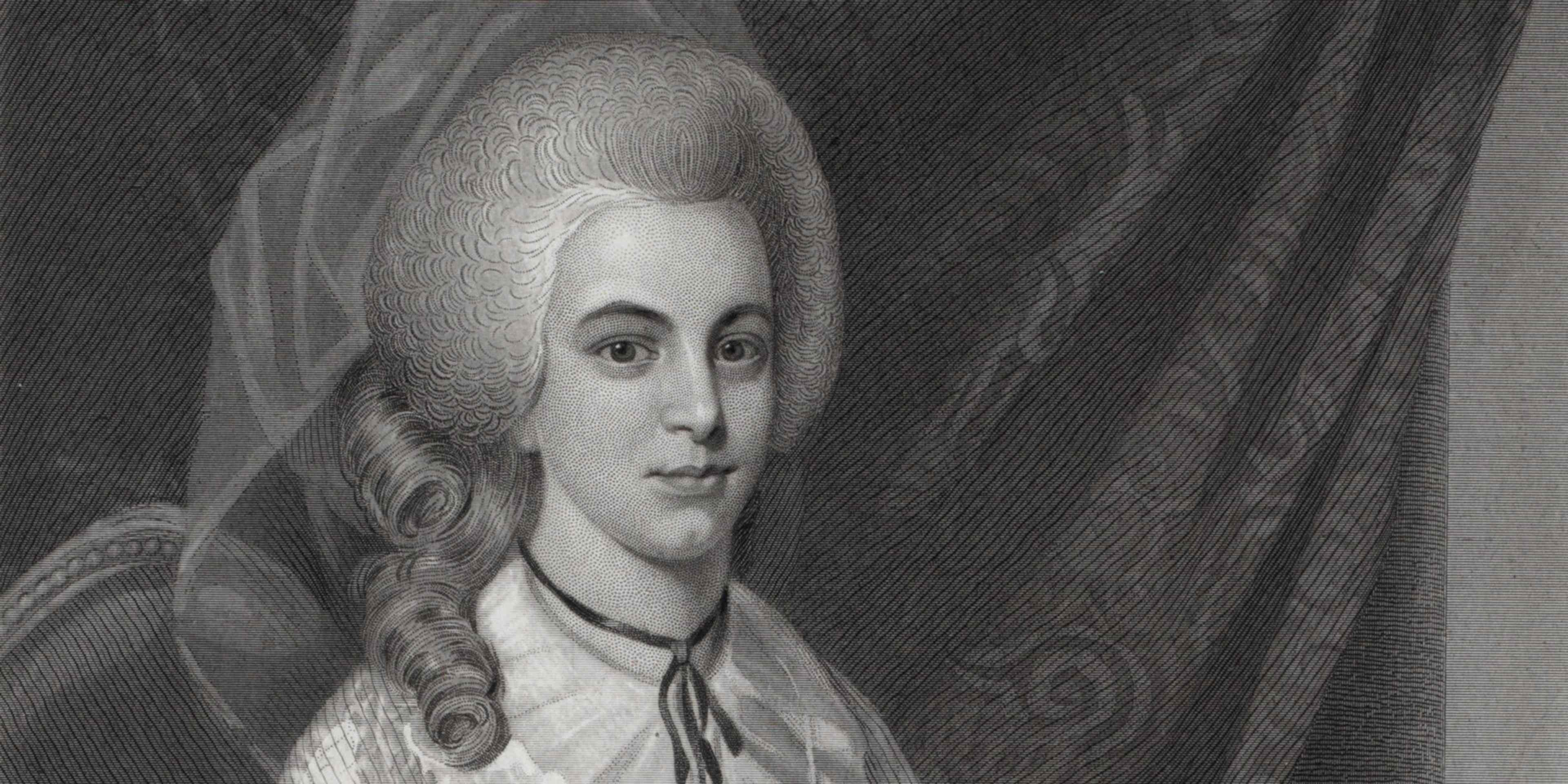
Elizabeth Schuyler Hamilton, affectionately known as Eliza, is often remembered in popular culture through the towering shadow of her brilliant husband, Alexander Hamilton. Yet, her own life story is a monument of resilience, social reform, and philanthropy that permanently transformed early nineteenth-century New York. Following the tragic death of her husband in the infamous 1804 duel with Vice President Aaron Burr, Eliza was left with seven children, massive debts, and a broken heart. Instead of retreating into quiet despair, she channeled her profound grief into a lifetime of public service, laying the groundwork for social welfare systems that still exist today. This comprehensive history explores the Eliza Hamilton legacy, detailing how she overcame personal tragedy to establish New York’s first private orphanage and free schools, demonstrating that her contribution to the American story was just as vital and enduring as her husband’s.
Historical Background: A Partnership of Intellect and Tragedy
Born into the wealthy and politically powerful Schuyler family of Albany, New York, in 1757, Elizabeth Schuyler grew up amidst the tumult of the American Revolution. Her father, Philip Schuyler, was a Revolutionary War general and a U.S. Senator, providing Eliza with an early education in leadership and civic duty. In 1780, she married Alexander Hamilton, the brilliant but penniless military aide to George Washington. Their union was a profound partnership of intellect and devotion. Eliza assisted Alexander with his prolific political writings, including portions of the Federalist Papers and Washington’s Farewell Address. However, Alexander’s humble beginnings as an impoverished, self-taught orphan always informed their shared worldview. To understand the geopolitical forces that shaped Alexander’s childhood, one can look at the critical role of the Caribbean, which served as both a trading hub and a crucible for the early American economy. His struggles there deeply influenced Eliza’s later commitment to helping children of similarly disadvantaged backgrounds.
The Turning Point: Surviving Tragedy and Financial Ruin
The defining tragedy of Eliza’s life occurred on July 11, 1804, when Alexander Hamilton was mortally wounded in a duel with his political rival, Aaron Burr. Following his death the next day, Eliza’s world was shattered. She was not only grieving a husband but also facing immense financial catastrophe. Alexander, despite his high positions, died with substantial debts and a heavy mortgage on their newly built home, The Grange, located in what is now Harlem, New York. To save Eliza from immediate ruin, a group of Alexander’s wealthy and influential friends secretly pooled their money. They purchased The Grange for thirty thousand five hundred dollars and sold it back to Eliza for a heavily discounted fifteen thousand dollars, allowing her and her children to remain in their home for a time. Nevertheless, by 1813, the high cost of maintenance forced her to sell the beloved estate and move to humbler quarters in downtown Manhattan. This personal encounter with financial vulnerability deepened her empathy for the impoverished working families of New York. During this period, the concept of public education was virtually nonexistent, which contrasted sharply with the older, localized colonial schooling structures. For historical context on these early learning environments, readers can learn about what schooling and education in early America was like, which highlights the absence of standardized, free educational institutions for the poor.
The Hamilton Free School: Educating Manhattan’s Youth
Determined to make a difference in the lives of impoverished children, Eliza set her sights on northern Manhattan, which was then an isolated rural area. The local families could not afford private academy tuitions, leaving their children without any avenue for literacy. Driven by her deep religious faith and her conviction that all children should learn to read the Bible, Eliza took action. Around 1818, she partnered with several wealthy local women to petition the New York State Legislature to incorporate a free school. Despite her own financial constraints, her organizing efforts succeeded, securing four hundred dollars in state funding alongside a modest annual city stipend. By May 1818, the coalition established a one-room, one thousand fifty-square-foot schoolhouse on Broadway, between present-day 187th and 189th streets. Known as the Hamilton Free School, it accommodated between forty and sixty students. Operating on a shoestring budget, the school could afford only one teacher, who also acted as the building’s custodian. Students studied arithmetic using handheld slates and learned spelling from Webster’s Elementary Spelling Book. Eliza was not merely a passive patron; she regularly visited the schoolhouse, observed classes, and personally distributed academic prizes, cementing her connection to the neighborhood’s youth.
The Orphan Asylum Society: A Sanctuary for the Fatherless
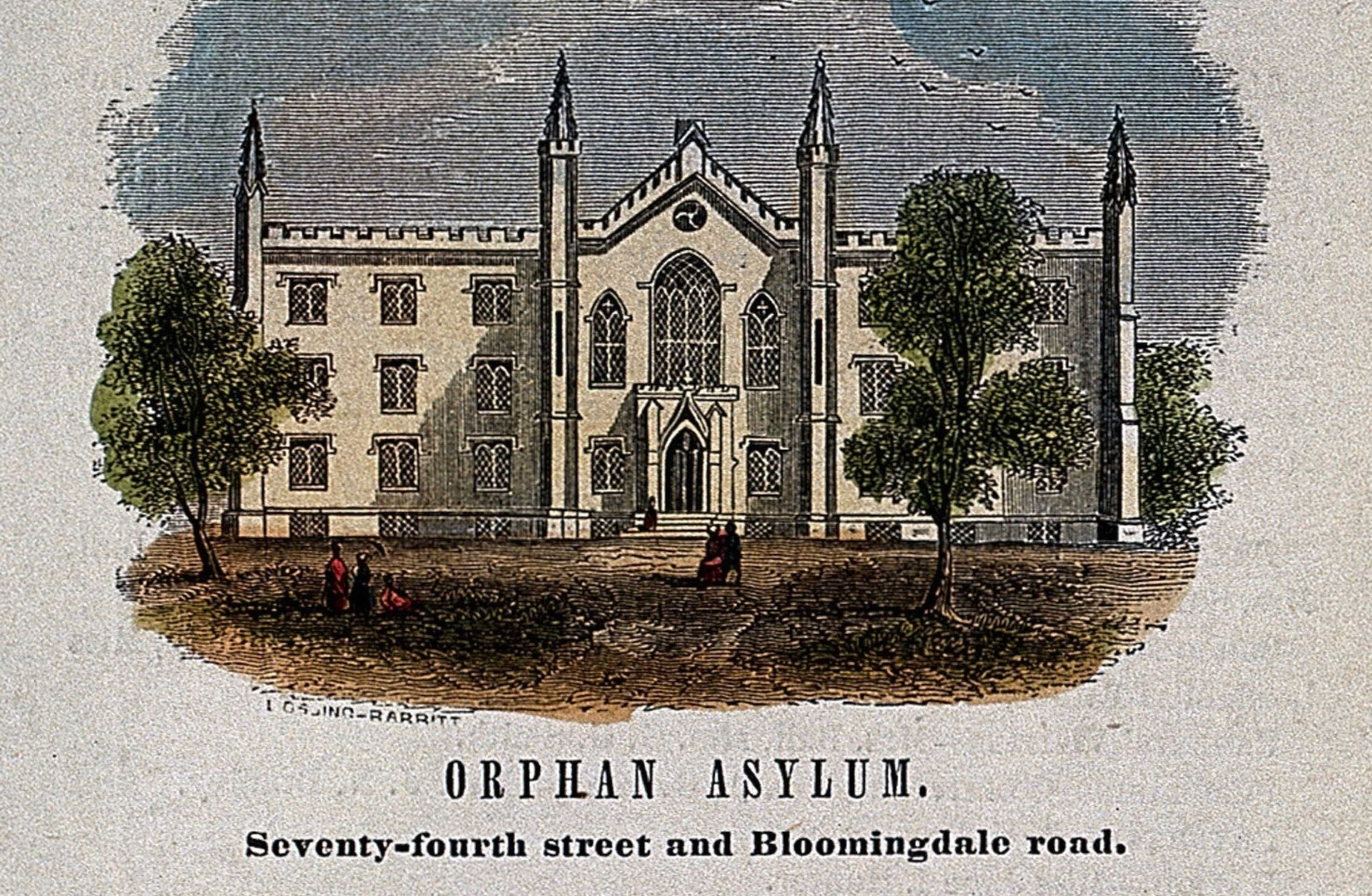
Even before establishing the free school, Eliza had begun her most famous philanthropic endeavor: co-founding New York City’s first private orphanage. In 1806, she was approached by social activists Isabella Graham and Sarah Hoffman, who had discovered several young children weeping over their mother’s body in a crowded slum. Recognizing the desperate need for a dedicated refuge for parentless children, the women leased a small house on Raisin Street in Greenwich Village. This marked the founding of the Orphan Asylum Society. Eliza threw herself into the work, serving as a key administrator and fundraiser. The demand was overwhelming; in their first year alone, they admitted twenty children but had to turn away nearly two hundred due to lack of space. Refusing to accept this limitation, Eliza personally walked the streets of New York, soliciting donations from wealthy citizens. Her efforts, combined with a ten thousand dollar grant from the state legislature, raised the necessary twenty-five thousand dollars to construct a large, three-story brick orphanage on Bank Street. Eliza went on to serve as the society’s Directress for several decades, overseeing the care, education, and placement of thousands of destitute children, ensuring they received the support her husband had once desperately needed during his own youth in the West Indies.
Preserving the Writings: Her Fight for Historical Justice
In addition to her immense charitable undertakings, Eliza dedicated the final decades of her long life to preserving Alexander Hamilton’s historical legacy. Following his death, his political rivals—most notably Thomas Jefferson and James Madison—sought to minimize his contributions to the founding of the United States. Eliza was fiercely determined to prevent her husband’s name from being erased from history. She spent nearly fifty years collecting, organizing, and transcribing Alexander’s massive collection of personal letters, economic essays, and political treatises. Working alongside her son, John Church Hamilton, she meticulously edited these documents to ensure they would be published for future generations. Her relentless advocacy eventually led the United States government to purchase his papers in 1848, preserving them in the Library of Congress. Without Eliza’s unwavering devotion to historical preservation, much of what we know today about the early federal government’s economic foundation and the drafting of the Constitution would have been lost to time.
A Chronological Timeline of Eliza’s Life and Legacy
- 1757: Elizabeth Schuyler is born in Albany, New York, to a wealthy and influential Dutch-American family.
- 1780: She marries Alexander Hamilton, cementing a lifelong romantic and intellectual partnership.
- 1804: Alexander is mortally wounded in a duel with Aaron Burr, leaving Eliza a widowed mother of seven children with mounting debts.
- 1806: Eliza co-founds the Orphan Asylum Society, New York’s first private orphanage, alongside social activists Isabella Graham and Sarah Hoffman.
- 1818: Eliza establishes the Hamilton Free School in northern Manhattan to provide free education to low-income children.
- 1848: At age ninety-one, Eliza moves to Washington, D.C., to live with her daughter, where she continues her advocacy for historical preservation and social welfare.
- 1854: Eliza Hamilton passes away at the age of ninety-seven, outliving her husband by half a century and leaving behind an extraordinary legacy of public service.
Lesser-Known Facts About Eliza Hamilton
First, despite her own serious financial difficulties after Alexander’s death, Eliza frequently opened her home to foster children, raising them alongside her own biological children. She believed deeply in the power of family and refused to let poverty separate siblings or leave children completely destitute. Second, during her final years in Washington, D.C., Eliza was treated as a revered national treasure. She was a guest of honor at numerous White House dinners, befriended several U.S. Presidents, and actively raised funds to construct the Washington Monument. Finally, the school building she founded was destroyed by a fire in 1857, but its spirit lived on; its trustees converted the remains into the neighborhood’s first lending library, which later evolved into the Dyckman Institute.
Why It Still Matters Today: From the 19th Century to the Modern Era
The legacy of Elizabeth Schuyler Hamilton is not just a chapter in a history book; it is an active force in contemporary society. The Orphan Asylum Society she co-founded in 1806 still exists today under the name Graham Windham. This prominent non-profit social services agency helps over five thousand at-risk children and families in New York City every year, providing parenting support, foster care, and mental health treatment. Furthermore, the Hamilton Free School eventually evolved into a scholarship fund administered by the Dyckman Institute, which continues to help young students from the Washington Heights and Inwood neighborhoods of Manhattan attend Columbia University. Eliza’s life reminds us that the foundation of a nation is built not only by military generals and politicians on battlefields, but also by the tireless reformers who build schools, orphanages, and community networks to support the vulnerable.

People Also Ask
What happened to Eliza Hamilton after Alexander’s death?
After Alexander’s death, Eliza struggled with immense debt but managed to keep her home, The Grange, for a few years with the financial help of her husband’s friends. She eventually sold the estate in 1813 and moved downtown, where she spent her remaining decades founding schools, running an orphanage, and cataloging her husband’s papers.
Did Eliza Hamilton start New York’s first orphanage?
Yes, in 1806, Eliza Hamilton, along with Isabella Graham and Sarah Hoffman, co-founded the Orphan Asylum Society, which was New York City’s very first private orphanage. Eliza served as its Directress for many years.
How long did Eliza Hamilton live?
Eliza Hamilton lived an extraordinarily long life, passing away in November 1854 at the age of ninety-seven. She outlived her husband, Alexander, by fifty years.
Conclusion: The Enduring Impact of a Founding Mother
Elizabeth Schuyler Hamilton’s life was defined by a remarkable capacity to transform grief into grace. In an era when women were largely excluded from public and political life, she carved out an influential role as a pioneer of American social reform. Through her tireless leadership of the Orphan Asylum Society and the Hamilton Free School, she established a model of institutional philanthropy that recognized the inherent worth and potential of every child. Her work preserved not only the historical writings of her husband but also the lives of thousands of forgotten children. Today, as organizations like Graham Windham continue her vital mission, Eliza Hamilton’s legacy stands as a powerful testament to the enduring strength of the human spirit and the transformative power of civic duty.


