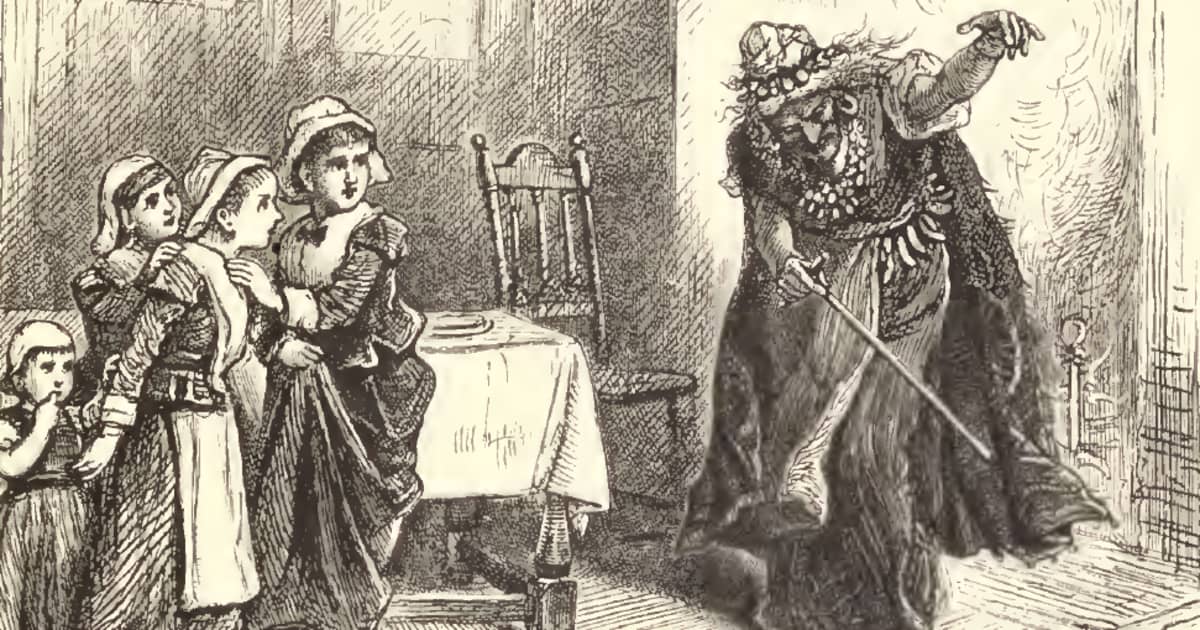
In the chilly winter of 1692, a dark cloud descended over the small, deeply religious settlement of Salem Village, Massachusetts. What began as the mysterious physical afflictions of two young girls quickly spiraled into one of the most terrifying moral panics in human history. At the absolute center of this storm was Tituba, an enslaved woman of color who served in the household of the local Puritan minister, Reverend Samuel Parris. Accused of casting spells, Tituba became the first person to confess to witchcraft during the Salem crisis, providing explosive testimony that validated the colony’s deepest, most paranoid fears. While the panic she inadvertently catalyzed is often regarded as unique, New England had experienced similar anxieties decades prior, with the first American witch hunt occurring long before the infamous trials of 1692. Today, Tituba stands as a deeply complex figure—part historical enigma, part tragic scapegoat—whose forced confession transformed a localized family crisis into an unprecedented legal and humanitarian disaster that forever altered the landscape of American justice.
Historical Background and the Fractured World of Salem
To understand how a single household could ignite a colony-wide panic, one must examine the highly volatile sociopolitical climate of late 17th-century Massachusetts. In 1692, Salem Village (modern-day Danvers, Massachusetts) was a community on the brink. The settlement was deeply divided by bitter factionalism, land disputes, and intense class conflicts between the agrarian villagers and the wealthy merchants of neighboring Salem Town. Furthermore, New England was gripped by severe anxieties stemming from King William’s War, a bloody conflict with French colonists and their Native American allies on the northern frontier. Refugees from the frontier flooded into Salem, bringing terrifying stories of sudden raids and massacres, which intensified the colonists’ belief that the devil was actively working to destroy their holy Puritan commonwealth.
It was into this pressure cooker of fear and religious extremism that Reverend Samuel Parris arrived as the village’s new minister. Parris was a rigid, uncompromising figure whose demanding nature only exacerbated local tensions. In his household was Tituba, an enslaved woman whom Parris had purchased in Barbados. Historical evidence indicates that Tituba was an Indigenous Central American, likely captured as a child in her homeland and brought to the Caribbean slave markets. In Massachusetts, she occupied the lowest rung of the social hierarchy—an enslaved person of color in a society that viewed non-white individuals with deep suspicion, often associating them with the wilderness and “Satanic” forces.
The Spark: Fits, Fortune-Telling, and the Witchcake
The crisis began in the parsonage of Reverend Parris during the cold winter of 1691–1692. Parris’s nine-year-old daughter, Betty, and his eleven-year-old niece, Abigail Williams, began exhibiting bizarre behavioral symptoms. They screamed, barked like dogs, crawled under furniture, twisted their bodies into unnatural positions, and complained of being pinched and pricked by invisible pins. Soon, other local girls began displaying similar symptoms, fueling a desperate search for a spiritual cause. Under intense questioning by adult authorities, the girls eventually pointed fingers at three marginalized women: Sarah Good, Sarah Osborne, and Tituba.
Historically, the girls had been engaging in a folk magic game known as a Venus glass, where an egg white was dropped into a glass of water to predict the occupation of their future husbands. When the egg white allegedly formed the shape of a coffin, the girls were overcome with terror. Desperate to help her suffering charges, Tituba, along with her husband John Indian, was instructed by a neighbor named Mary Sibley to bake a traditional English folk remedy known as a “witchcake.” This cake, made from rye meal mixed with the afflicted girls’ urine, was fed to a dog in the belief that the animal, as a familiar, would reveal the identity of the witch. When Reverend Parris discovered this act of counter-magic, he viewed it as a blasphemous pact with the devil and brutally beat Tituba until she agreed to confess.
Chronological Timeline of the 1692 Witch Trials
- 1680: Reverend Samuel Parris purchases Tituba in Barbados and transports her to Massachusetts to serve his family.
- January–February 1692: Betty Parris and Abigail Williams display inexplicable physical fits, prompting local physicians to declare them under an “evil hand.”
- Late February 1692: At Mary Sibley’s suggestion, Tituba bakes the urine-infused witchcake, which Parris denounces as demonic. Under physical coercion, Tituba is pressured to confess.
- March 1, 1692: Magistrates John Hathorne and Jonathan Corwin arrive in Salem to interrogate the accused. Tituba delivers a dramatic, multi-day confession, confirming the existence of a grand witch conspiracy.
- May 1692: Governor William Phips establishes the Special Court of Oyer and Terminer to try the rapidly growing number of accused citizens, led by the testimonies of the main accusers during the Salem witch trials.
- June–September 1692: The court relies heavily on spectral evidence. Nineteen individuals are hanged at Gallows Hill, and Giles Corey is pressed to death under heavy stones.
- May 1693: Following the banning of spectral evidence and the dissolution of the court, Governor Phips issues a general pardon. Tituba is released from prison after her jail fees are paid by an anonymous buyer.
The Anatomy of a Forced Confession
Tituba’s testimony on March 1, 1692, is widely regarded by historians as a masterclass in survival under extreme duress. In the Puritan legal framework, a suspected witch who stubbornly maintained their innocence was almost guaranteed to be convicted and executed, as their denial was viewed as unrepentant pride. Conversely, those who confessed, expressed deep remorse, and named other “accomplices” were typically spared execution so they could assist the court in rooting out the rest of the coven. Recognizing this dynamic, and bearing the physical bruises of Parris’s wrath, Tituba chose to tell the magistrates exactly what they wanted to hear.
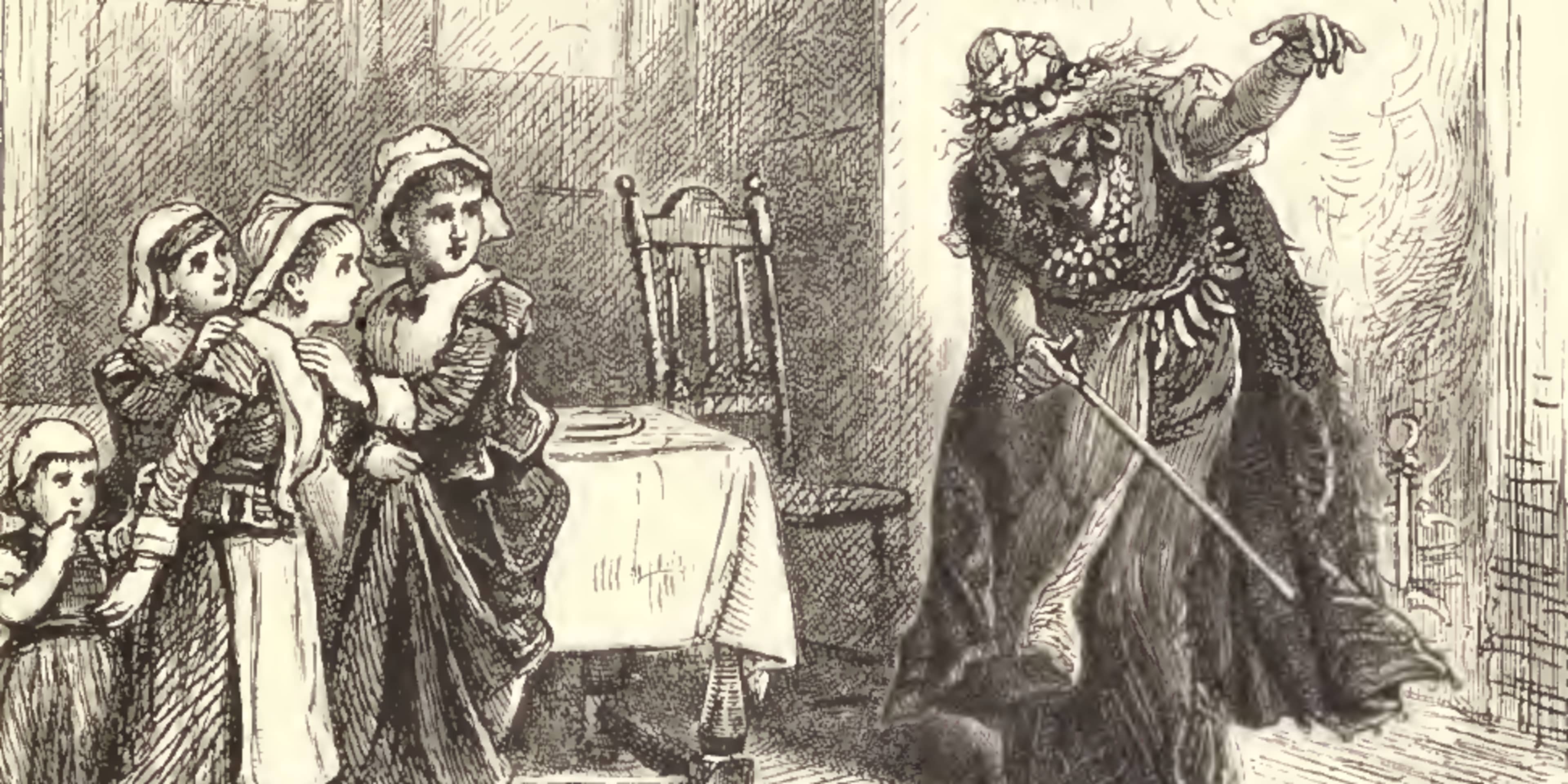
She did not merely admit to witchcraft; she built an elaborate, captivating narrative that perfectly mirrored European folklore and Puritan anxieties. Tituba told of a “tall man from Boston” who wore black clothes and forced her to sign a mysterious red book. She described riding on sticks through the air, encountering red cats, black dogs, and yellow birds that served as demonic familiars. She claimed that these spirits ordered her to pinch and torment the young Parris girls. By painting a picture of an active, highly organized demonic conspiracy operating within Salem, Tituba successfully shifted her role from a primary perpetrator to a vital witness for the state, ensuring her survival while inadvertently fueling a massive, uncontrollable wave of hysteria.
The Vulnerability of the Socially Marginalized
The initial arrests in Salem highlighted how easily a fearful society turns on its most vulnerable members. Alongside Tituba, the two other women arrested on March 1, 1692, were Sarah Good and Sarah Osborne. Sarah Good was a homeless, destitute beggar who survived by asking neighbors for food and shelter. Her cantankerous demeanor and tendency to mumble under her breath when turned away made her an easy target for accusations of cursing. Sarah Osborne, on the other hand, was an elderly, bedridden widow who had scandalized the village by cohabiting with an Irish indentured servant before marrying him, and she was embroiled in a bitter legal battle over her late husband’s estate.
Neither Good nor Osborne had any social standing or political capital to defend themselves. When Tituba confessed and pointedly mentioned that there were other witches in the village whose names she did not know, it validated the accusations against Good and Osborne. While Good was ultimately hanged and Osborne died in the cold confines of a Boston jail, Tituba’s status as an enslaved woman of color made her the ultimate scapegoat. Her ethnic background made it easy for the community to project their deep-seated fears of the “foreign” and the “savage” onto her, linking her cultural differences to occult practices.
How the Salem Tragedy Reshaped American Law
The devastation of the Salem witch trials, which resulted in the deaths of over twenty innocent people, left a permanent scar on the American consciousness. However, the sheer horror of the event ultimately drove profound structural changes in the American legal system. The primary catalyst for the end of the trials was the official rejection of spectral evidence—the legal practice of allowing witnesses to testify that they saw the “specter” or spirit of an accused person attacking them in dreams or visions. When the colonial government finally realized how easily spectral evidence could be fabricated, they banned its use, leading to the immediate collapse of the prosecution’s cases.
This critical shift established a fundamental precedent in American jurisprudence: the absolute necessity of tangible, verifiable evidence and the presumption of innocence until proven guilty. The Salem trials served as a stark historical warning against the dangers of mob justice, religious interference in secular law, and the erosion of due process. Today, scholars and writers continue to examine this pivotal era through various books exploring the Salem witch trials, highlighting how the tragedy forced early Americans to construct a more rational, objective, and fair judicial framework.
Intriguing and Lesser-Known Facts
- She Was Not African: While subsequent literature and historical fiction (including Arthur Miller’s famous play The Crucible) have frequently depicted Tituba as a woman of African descent practicing Caribbean voodoo, contemporary court records consistently refer to her as an “Indian,” indicating she was of Indigenous American heritage.
- The Witchcake Was Not Her Idea: Despite popular myths portraying Tituba as an active practitioner of dark magic who initiated occult rituals with the local girls, she only baked the infamous “witchcake” because she was instructed to do so by Mary Sibley, a white English member of the Salem congregation.
- She Disappeared Into History: After languishing in a freezing Boston jail for thirteen months because Samuel Parris refused to pay her prison fees, an anonymous person paid her bail and purchased her from Parris. From that point forward, she vanished completely from the historical record, leaving her ultimate fate a mystery.
Why Tituba’s Story Resonates Today
The story of Tituba and the Salem witch trials remains deeply relevant in the modern era as a cautionary tale about the power of fear to override reason. In times of profound societal crisis—whether driven by economic instability, health emergencies, or geopolitical tensions—communities often seek out simplified explanations and find convenient scapegoats. The modern term “witch hunt” is frequently invoked to describe political and social campaigns designed to target marginalized groups or dissenting voices. Tituba’s experiences remind us of the terrifying ease with which prejudice, coercive interrogation, and mass hysteria can destroy human lives. By studying her history, modern society is reminded of the fragile nature of civil liberties and the enduring duty to protect the vulnerable from collective panic.
People Also Ask (FAQ)
Was Tituba actually practicing witchcraft?
No. There is no historical evidence that Tituba practiced witchcraft. The “witchcake” she baked was a well-known English folk remedy suggested by a white neighbor. Her subsequent confession of serving the devil and signing his book was entirely coerced through physical beatings inflicted by her owner, Reverend Samuel Parris.
Did Tituba survive the Salem witch trials?
Yes, Tituba survived. Unlike many of the accused who maintained their innocence and were hanged, Tituba’s confession spared her from execution under the legal practices of the time. She was released from jail in April 1693 after an unknown buyer paid her fees and acquired her from Parris.
What was Tituba’s true ethnic background?
Historical documents from 1692 refer to Tituba as an “Indian” woman. Modern historians believe she was an Indigenous South or Central American, likely captured in her youth in the region of modern-day Venezuela or Guyana, before being transported and enslaved in Barbados and later Massachusetts.
The Enduring Legacy of Tituba
Tituba’s journey from an enslaved teenager in the West Indies to the central figure of the Salem witch trials represents one of the most haunting chapters in American history. As a woman of color with no legal rights, she navigated a deadly Puritan court system using the only weapon available to her: a highly convincing, culturally tailored confession. While her testimony spared her life, it unleashed a wave of terror that devastated Salem. Ultimately, Tituba’s story is not one of witchcraft, but of survival, reminding us of the human cost of systematic oppression, scapegoating, and the fragile nature of justice in the face of fear.


