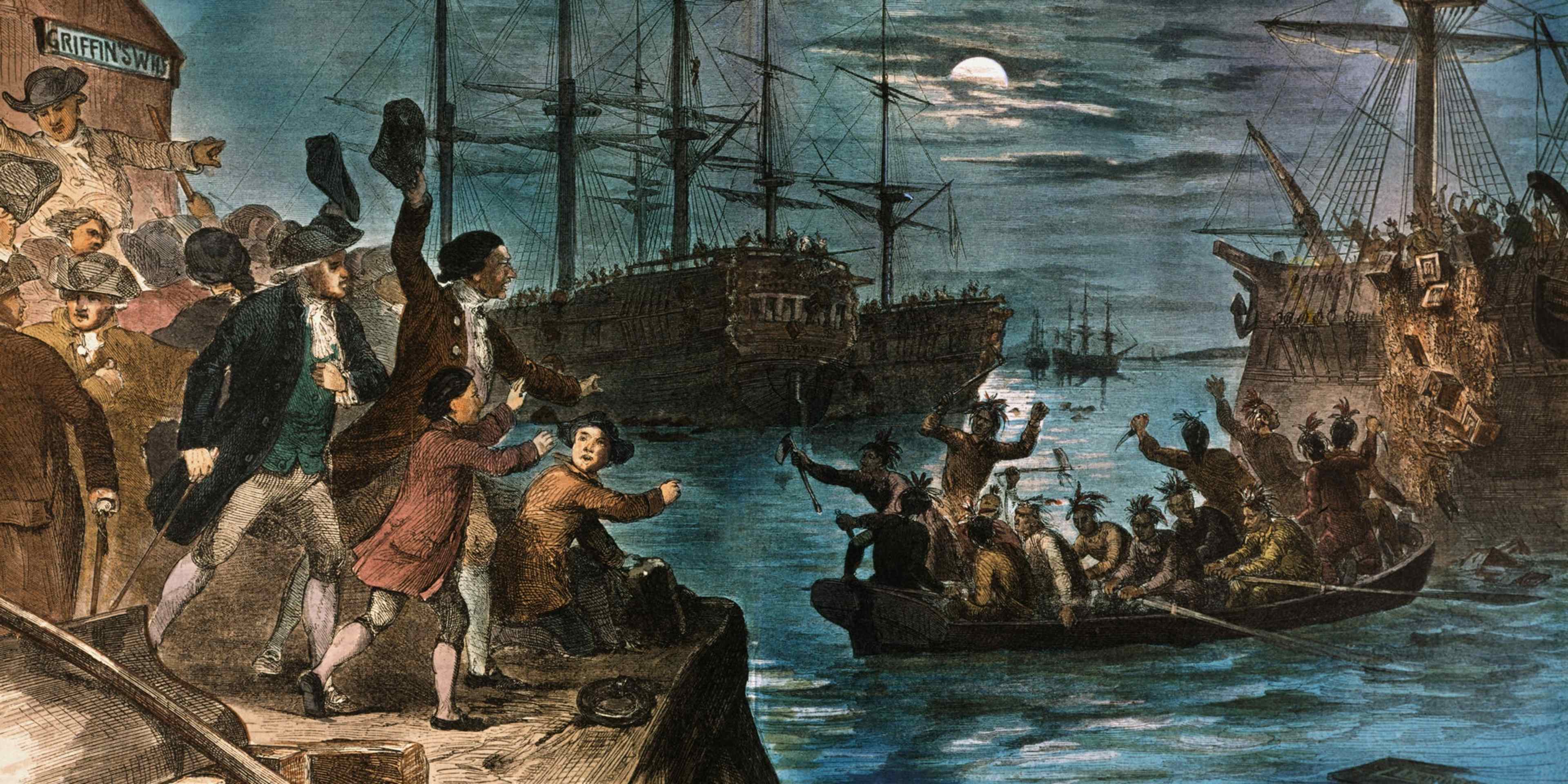
On a cold December night in 1773, a group of colonial patriots disguised themselves and boarded three merchant ships in Boston Harbor, executing one of the most famous acts of political defiance in human history: the Boston Tea Party. This iconic protest was not merely a spontaneous outburst over high taxes, but a highly coordinated, principled stand against imperial overreach, corporate monopolies, and the denial of democratic self-governance. By dumping 342 chests of British East India Company tea into the freezing waters, the participants set in motion a chain of events that would forever alter the course of North America, shifting the colonial struggle from peaceful protest to armed revolution. Understanding the deep economic, social, and political currents of this event reveals how a dispute over a beloved caffeinated beverage became the ultimate catalyst for the birth of a new nation.
The Historical Background: Contextualizing Colonial Resistance
To fully grasp the magnitude of the Boston Tea Party on December 16, 1773, one must look back at the aftermath of the French and Indian War (1754–1763). Although Great Britain emerged victorious, the conflict left the empire with a staggering national debt. To replenish its treasury, the British Parliament turned its gaze toward the American colonies, arguing that the colonists should pay for the military protection they had received. What followed was a series of controversial legislative acts—including the Stamp Act of 1765 and the Townshend Acts of 1767—designed to extract revenue from the colonies.
These measures sparked immediate and fierce resistance. The colonists, drawing on deep-seated traditions of English common law and local self-governance, argued that they could not be legally taxed by a legislative body in which they had no elected representatives. This sentiment was crystallized in the immortal rallying cry: ‘No taxation without representation.’ While Parliament eventually repealed most of the Townshend duties due to successful colonial boycotts, they deliberately left a symbolic three-pence-per-pound tax on tea in place to assert their absolute right to tax the colonies. This simmering tension laid the foundation for an explosive confrontation as the intricate history of the 13 colonies began to shift from quiet resentment to open rebellion.
The True Economics Behind the Protest: A Corporate Bailout
Contrary to popular belief, the Tea Act enacted by Parliament in May 1773 did not raise taxes on tea in America. In fact, it actually lowered them. The legislation was primarily a government bailout designed to rescue the flailing East India Company (EIC), which was on the verge of financial collapse due to corruption, mismanagement, and massive surpluses of unsold tea rotting in its London warehouses. In modern terms, the British government viewed the EIC as ‘too big to fail.’
The Tea Act allowed the East India Company to export its tea directly to the colonies without paying the heavy duties normally levied in England, and it bypassed colonial merchants as middle-men. This granted the EIC a virtual monopoly on the American tea trade, enabling it to sell tea at half the price paid by British consumers in London and undercutting the price of smuggled Dutch tea. While this meant cheaper tea for the average colonist, it directly threatened the commercial livelihoods of wealthy colonial merchants and prominent smugglers, such as John Hancock. More importantly, it was seen as an insidious trap: if the colonists bought the cheap tea, they would implicitly validate Parliament’s right to tax them without representation.
A Chronological Timeline of the Tea Crisis
The escalation from legislative policy to historical rebellion was a gradual, highly calculated process. Below is the key chronological sequence of events that culminated in the fateful night of December 16, 1773, and its immediate aftermath:
- May 10, 1773: The British Parliament passes the Tea Act, granting the East India Company a monopoly on tea sales in America.
- October 1773: Colonists in Philadelphia and New York organize successful resistance, forcing EIC tea agents to resign and turning back tea-laden ships.
- November 28, 1773: The merchant ship Dartmouth arrives in Boston Harbor carrying 114 chests of EIC tea. Under British law, the ship has 20 days to unload its cargo and pay the duties, or face seizure by customs officials.
- December 2–15, 1773: Two more ships, the Eleanor and the Beaver, arrive in Boston. Massive public gatherings are held at the Old South Meeting House, led by the Sons of Liberty. They demand that the ship owners return the cargo to England without paying the tax, but Royal Governor Thomas Hutchinson flatly refuses to grant them clearance to sail.
- December 16, 1773: On the final night before the Dartmouth’s cargo is legally subject to seizure, over 5,000 citizens gather at the Old South Meeting House. When word arrives that Governor Hutchinson will not back down, Samuel Adams gives a coded signal. A group of men, disguised in Mohawk-inspired attire, march to Griffin’s Wharf, board the three ships, and dump 342 chests of tea into the harbor over the course of three hours.
- March 1774: Bostonians conduct a lesser-known second ‘tea party,’ boarding the ship Fortune and dumping another 30 chests of tea.
- June 1774: In retaliation, the British Parliament passes the Coercive Acts (known in America as the Intolerable Acts), closing the Port of Boston and effectively suspending Massachusetts’ local self-government.
Pivotal Figures and Their Lasting Impact
The Boston Tea Party was not a disorganized riot; it was a carefully orchestrated political action guided by several influential figures who would go on to shape the future of American democracy:

Samuel Adams: The Mastermind
Often remembered as the ultimate firebrand of the American Revolution, Samuel Adams was a key leader of the Boston Sons of Liberty. While historians debate whether he directly ordered the destruction of the tea, he was undeniably the strategic force behind the massive public assemblies at the Old South Meeting House. His ability to mobilize public sentiment and frame the tea crisis in terms of natural rights and constitutional liberty was instrumental in uniting the townspeople behind the protest.
John Hancock: The Financial Backer
One of the wealthiest merchants in New England, John Hancock had a significant personal and financial stake in resisting the Tea Act. As a major importer—and frequent smuggler—of Dutch tea, Hancock’s business was directly threatened by the East India Company’s monopoly. He used his immense wealth to fund patriotic pamphlets, support the Sons of Liberty, and coordinate resistance alongside Samuel Adams, cementing his legacy as a central figure in the early revolutionary movement.
George Washington: The Dissenter
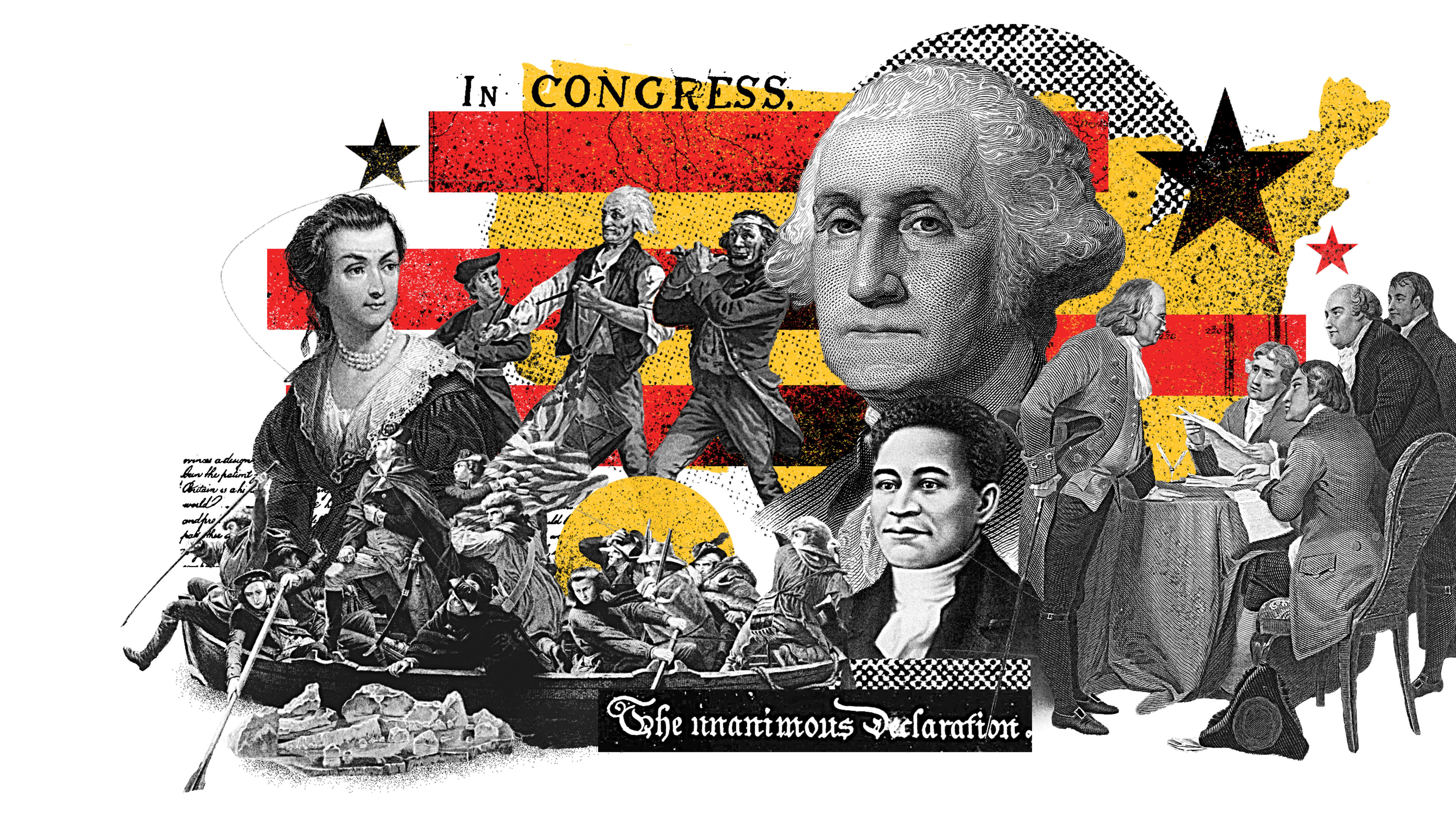
While George Washington would eventually accept the supreme command of the Continental Army to fight for American independence, his initial reaction to the Boston Tea Party was highly critical. Like many other wealthy colonial elites, Washington believed that private property was sacrosanct. He strongly disapproved of the ‘wanton destruction’ of private property and argued that the perpetrators should compensate the East India Company for their financial losses. Washington’s nuanced stance highlights the deep ideological divisions that existed even among the most ardent patriots during the early stages of the imperial crisis.
Major Turning Points and the British Backlash
The destruction of 92,000 pounds of tea was a severe insult to British imperial authority, and the response from London was swift and uncompromising. King George III and Prime Minister Lord North believed that if they did not punish Boston, they would lose control over the entire American empire. In the spring of 1774, Parliament passed the Coercive Acts, designed specifically to isolate and chastise Massachusetts.
Rather than isolating Boston as the British government had hoped, these harsh punishments had the opposite effect. They galvanized the other twelve colonies to rally in solidarity with Massachusetts. Food, supplies, and monetary donations poured into Boston from across the continent, transforming a localized Massachusetts dispute into a unified continental movement. This newfound unity led directly to the convening of the First Continental Congress in Philadelphia in September 1774, where representatives from across the map of the 13 colonies met to coordinate their resistance, setting the stage for the outbreak of military hostilities at Lexington and Concord in April 1775.
Lesser-Known Facts You May Not Know About the Boston Tea Party
While the image of colonists dumping tea in Indian disguises is iconic, several fascinating details of the event are often omitted from history textbooks:
- The Native American Disguises Were Symbolic: The protesters who boarded the ships wore blankets, soot, and feathers to resemble Mohawk Indians. This was not meant to mock indigenous peoples, nor was it a highly convincing disguise. Instead, it was a deeply symbolic choice. By dressing as Native Americans, the colonists were signaling that they identified as ‘Americans’ rather than British subjects. It also provided a practical cover to shield their identities from legal prosecution.
- It Wasn’t Called the ‘Boston Tea Party’ until 1826: For decades after the event, Bostonians avoided speaking of the protest in public. The wanton destruction of private property was viewed by many elites as a shameful act of mob violence. It was only after the passing of the revolutionary generation that the moniker ‘Boston Tea Party’ first appeared in print in 1826, eventually being popularized in the 1830s by books that celebrated the participants as national heroes.
- Only One Man Was Injured: Despite the destruction of over $1 million worth of property in modern value, the protest was remarkably disciplined. No ships were damaged, no crew members were harmed, and nothing was stolen—with one minor exception. A colonist who tried to stuff his pockets with loose tea was severely reprimanded and chased off. The only physical casualty of the night was John Crane, a local carpenter who was knocked unconscious by a falling tea crate in the ship’s hold. Believing he was dead, his compatriots hid him under wood shavings in a nearby carpenter’s shop, but Crane remarkably woke up a few hours later with only a severe headache. He went on to become a distinguished officer in the Continental Army.
Why the Boston Tea Party Still Matters Today
The legacy of the Boston Tea Party reverberates through modern history as a powerful symbol of citizen activism and democratic protest. It raised enduring questions about the nature of civil disobedience: When is the destruction of property justified in the pursuit of liberty? How does a citizens’ movement effectively challenge entrenched corporate and state power? From the anti-tax movements of the late 20th century to modern debates over representation and economic inequality, the spirit of Griffin’s Wharf remains a cornerstone of American political identity, reminding us that democracy is not a passive inheritance, but an active, ongoing struggle.
People Also Ask
Why did the colonists dump the tea instead of selling or drinking it?
The colonists dumped the tea because allowing it to be landed and sold would mean paying the Townshend tax. Paying the tax would establish a legal precedent that Parliament had the right to tax the colonies without their consent. Boycotting and destroying the tea was the only definitive way to prevent the tax from being paid.
How much would the destroyed tea be worth in today’s currency?
The 342 chests of tea contained roughly 92,000 pounds of tea, which was valued at £9,659 at the time. In today’s currency, taking inflation and purchasing power into account, the value of the destroyed tea is estimated to be between $1 million and $1.7 million USD.
Did the Boston Tea Party directly cause the American Revolutionary War?
While it did not immediately start the war, the Boston Tea Party was the critical catalyst. The British government’s retaliatory measures—the Intolerable Acts—united the previously divided colonies, led to the formation of the First Continental Congress, and made armed conflict virtually inevitable.
Conclusion: The Ultimate Historical Takeaway
The Boston Tea Party remains a defining chapter in the American story, demonstrating how a small, disciplined group of citizens could challenge the mightiest empire on Earth. It was not merely a protest against a tax, but a profound defense of self-determination, representation, and individual liberty. By choosing to throw the tea into the harbor, the patriots of Boston took an irreversible step on the road to independence, showing that when the fundamental rights of citizens are ignored, even the most cherished traditions can be swept away in the tide of revolution.


