The story of the United States begins not as a single, unified nation, but as a fractured mosaic of thirteen distinct British colonies hugging the Atlantic coast of North America [1]. From the chilly harbors of New England to the sun-drenched, marshy fields of the Deep South, these settlements were established under a complex array of royal charters, religious visions, and commercial dreams [1]. Far from being a homogeneous group of pioneers, the early colonists represented a diverse cross-section of cultures, faiths, and social classes—often holding views and economic interests that clashed with one another [1]. Beneath the surface of their collective rebellion against the British Crown in 1776 lay a rich, complicated history of cooperation, conflict, industry, and profound human struggle [1]. Understanding this colonial era is essential, as it laid the foundational blueprints for the American Constitution, defined regional economic dynamics, and set in motion the deeply entrenched social patterns that continue to shape modern American life [1].
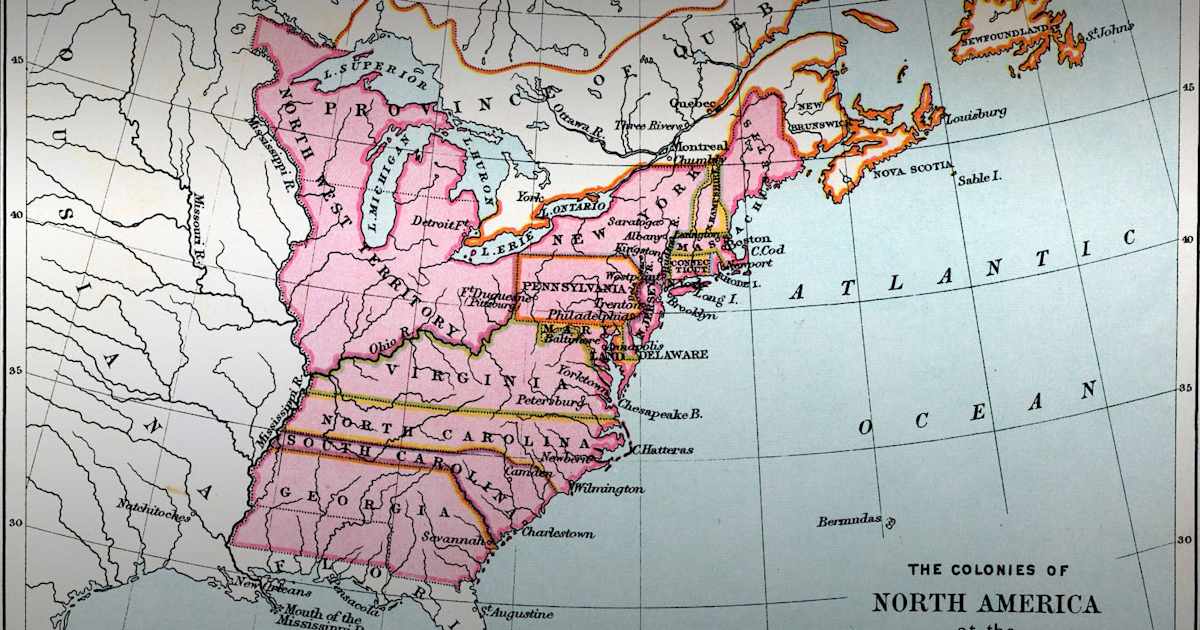
From Wilderness to Wealth: The Diverse Beginnings of the 13 British Colonies
Historically, the establishment of the 13 British colonies occurred over a span of more than a century, starting with the founding of Jamestown in 1607 and culminating with Georgia in 1732 [1]. During this period, European powers, particularly Great Britain, sought to expand their global empires and exploit the vast resources of the New World. Crucially, this expansion came at a devastating cost to the Indigenous peoples who had inhabited these lands for millennia [1]. Native American tribes, including the Powhatan, Wampanoag, and Iroquois, saw their ancestral territories seized, their populations decimated by European diseases, and their cultures disrupted by colonial encroachment.
As the colonies grew, they developed highly distinct characters based on their founding motivations [1]. Some, like Virginia and the Carolinas, were launched as joint-stock companies or proprietary grants aimed at generating immense wealth [1]. Others, like Massachusetts, Maryland, and Pennsylvania, were established as havens from religious persecution [1]. By the eve of the American Revolutionary War, the colonial population had swelled to an estimated 2.5 million inhabitants, including English, Scottish, Irish, German, and Dutch settlers, alongside a massive population of enslaved Africans who were forcibly brought to the shores of the New World [1].
A Chronological Tapestry: Key Colonial Milestones
The evolution of colonial America was marked by pivotal dates and historic developments that gradually pulled these disparate territories toward a shared identity [1]:
- 1607: The Virginia Company establishes Jamestown, the first permanent English settlement in North America, initiating a tumultuous era of colonization.
- 1620: The Pilgrims land at Plymouth, Massachusetts, signing the Mayflower Compact and establishing a colony based on religious covenant.
- 1634: Leonard Calvert leads English Catholic settlers on the Ark and the Dove to land on St. Clement’s Island, founding the colony of Maryland [1].
- 1639: The settlements of Windsor, Hartford, and Wethersfield adopt the Fundamental Orders of Connecticut, widely recognized as one of the first written constitutions in colonial history [1].
- 1644: John Winthrop Jr. establishes the Saugus Iron Works in Massachusetts, marking the birth of the colonial iron industry.
- 1681: King Charles II grants a royal charter to William Penn, initiating the Quaker “Holy Experiment” in Pennsylvania [1].
- 1712: The vast territory of Carolina officially splits into North Carolina and South Carolina due to governance struggles [1].
- 1732: James Oglethorpe receives a royal charter to establish Georgia, envisioned as a philanthropic haven for London’s working class and debtors [1].
- 1776: Delaware formally approves its Separation Resolution, severing political bonds with both Pennsylvania and the British Crown, on the eve of the American Revolutionary War [1].
Pioneers, Visionaries, and Entrepreneurs: Important Figures of the Era
The trajectory of colonial history was heavily dictated by ambitious, sometimes eccentric figures who left an indelible stamp on the American legacy [1]:
John Rolfe: The Tobacco Catalyst
Arriving in Virginia during its darkest early years, John Rolfe recognized that the colony’s survival depended on a viable export [1]. Experimenting with seeds from the West Indies in the 1610s, Rolfe successfully cultivated a sweeter variety of tobacco that appealed to European smokers [1]. This breakthrough transformed Virginia’s economy into a lucrative powerhouse, though it ultimately fueled an insatiable demand for land and labor, driving the rapid expansion of the transatlantic slave trade [1].
William Penn: The Champion of Tolerance
An aristocratic convert to the Quaker faith, William Penn utilized a massive royal debt owed to his late father to secure a charter for Pennsylvania in 1681 [1]. Penn envisioned a “Holy Experiment” anchored in religious freedom, representative government, and fair judicial systems [1]. Remarkably, Penn insisted on purchasing land fairly from local Delaware (Lenni Lenape) tribes, fostering a period of peace and mutual respect that was rare in colonial history.
Eliza Lucas Pinckney: The Agricultural Innovator
At just sixteen years old, Eliza Lucas Pinckney was left to manage three South Carolina plantations on behalf of her absent father. Demonstrating incredible grit and an advanced understanding of botany, Eliza experimented with indigo seeds sent from Antigua. By 1744, she perfected the cultivation and processing of the delicate plant, transforming indigo into South Carolina’s second-most profitable export, which provided blue dye to the booming British textile industry.
James Oglethorpe: The Philanthropic Reformer
A retired British army officer, James Oglethorpe sought to address the systemic poverty and debtor crisis plaguing 18th-century London [1]. In 1732, he and a group of trustees established Georgia as a charitable endeavor, initially banning both slavery and large landholdings to prevent extreme wealth inequality [1]. While the colonists eventually rejected these paternalistic rules, Oglethorpe’s experiment stood out as a unique social reform effort in the colonies [1].
John Winthrop Jr.: The Industrial Trailblazer
The scientifically minded son of the Massachusetts governor, John Winthrop Jr. was obsessed with metallurgy and colonial self-sufficiency. In the 1640s, he successfully courted English investors to build the Saugus Iron Works. Although his initial efforts faced financial hurdles, the facility laid the bedrock of the colonial iron industry, proving that the colonies could manufacture high-quality goods independently of Britain.
Regional Economic Engines and the Crucial Role of Slave Labor
The economic models of the 13 colonies varied wildly by geography [1]. New England, blessed with deep-water harbors but plagued by rocky soil, focused heavily on shipbuilding, timber, and maritime commerce [1]. The Middle Colonies, often called the “breadbasket” of America, grew massive quantities of wheat and corn. Meanwhile, the Southern Colonies relied on cash crops like tobacco, rice, and indigo, which required vast expanses of fertile soil [1].
Despite these differences, a dark and unifying thread connected all thirteen colonies: a deep, systemic reliance on the transatlantic slave trade and enslaved labor [1]. While the plantation economies of the South were built entirely on the backs of enslaved African Americans, northern merchants and port cities were deeply complicit [1]. For example, Rhode Island became a primary hub for the slave trade, orchestrating triangular trade routes that exchanged New England rum for African captives, who were then traded in the West Indies for sugar and molasses to fuel New England’s distilleries [1].
As the colonies grew economically self-sufficient, the British government sought to assert control [1]. Laws like the Hat Act of 1732 and the Molasses Act of 1733 were designed to suppress colonial manufacturing and protect British markets [1]. Rather than compliance, these restrictive trade policies bred a culture of smuggling, tax evasion, and a shared, growing resentment against imperial overreach, setting the stage for political revolution [1].
Turning Points: From Imperial Subjects to Revolutionary Patriots
The transition from loyal British subjects to active revolutionaries did not happen overnight; it was forged through decades of rising tension and critical turning points. One of the earliest precursors to civil unrest was Bacon’s Rebellion in 1676, a violent uprising in Virginia that highlighted the deep social divides between wealthy coastal elites and impoverished inland settlers, while dramatically escalating violence against Native American tribes [1]. The rebellion also accelerated the shift from indentured servitude to racialized chattel slavery as the primary colonial labor force.
However, the definitive turning point was the conclusion of the French and Indian War in 1763 [1]. While Britain’s victory drove France out of North America, it left the British Empire with astronomical war debts. To recoup these losses, Parliament abandoned its policy of “salutary neglect” and began directly taxing the colonies through measures like the Stamp Act and Townshend Acts. Suddenly, the regional differences that had long divided the colonies faded as they united under a single, powerful rallying cry: “No taxation without representation.”

Hidden Histories: Lesser-Known Facts of the Colonial Era
Behind the standard textbook narratives of the 13 colonies lie fascinating stories that are rarely told in detail [1]:
- The One-Ear-of-Corn Rent: In 1762, New Hampshire Governor Benning Wentworth sought to aggressively populate the colony [1]. He granted lands to settlers with a bizarrely specific requirement: they were to pay an annual rent of exactly “one ear of Indian corn” on Christmas Day, if lawfully demanded, alongside a nominal shilling tax [1].
- The Feudal Dream of the Carolinas: The Lords Proprietors, who held the royal charter for the Carolinas, originally envisioned a bizarre, medieval-style feudal society [1]. They drafted a constitution that would have created an absolute ruling class of landgraves and caciques, complete with hereditary serfs bound to the soil [1]. This highly unworkable plan was quickly rejected by practical-minded settlers [1].
- Maryland’s Early Haven of Toleration: Founded as a refuge for Catholics, Maryland passed the landmark Maryland Toleration Act in 1649 [1]. While it only extended religious freedom to Christian believers and carried harsh penalties for non-Christians, it represented one of the earliest legal protections for religious plurality in the western hemisphere [1].
- The Royal Naming of New Jersey: In 1664, King Charles II granted the territory between the Connecticut and Delaware Rivers to his brother James, the Duke of York [1]. James promptly sent a fleet to expel the Dutch and leased a portion of this land to Lord John Berkeley and Sir George Carteret [1]. In honor of Carteret’s valiant defense of the Isle of Jersey during the English Civil Wars, James decreed that this new domain be called New Jersey, or alternatively, New Caesarea—the ancient Roman name for the island of Jersey [1].
- Delaware’s Search for Sea Access: Delaware began as a Swedish colony founded by Peter Minuit in 1638, was conquered by the Dutch, and was later seized by the British [1]. In 1682, the Duke of York gifted Delaware to William Penn because Penn desperately needed sea access for his landlocked Pennsylvania colony [1]. However, the three lower counties of Delaware never fully integrated with Pennsylvania, leading to their own separate assembly in 1704 and eventual complete independence as a state in 1776 [1].
Why Colonial History Still Matters Today
The legacy of the 13 colonies continues to pulse through the veins of modern American society and governance [1]. The foundational structure of the United States—a federal system that balances the authority of individual states with a centralized national government—is a direct result of the colonies’ historical insistence on preserving their unique regional identities [1]. The fierce debates surrounding state sovereignty versus federal oversight can be traced straight back to the diverse charters of the colonial era [1].
Furthermore, the colonial struggle for religious freedom established the conceptual framework for the First Amendment of the U.S. Constitution [1]. However, the period also forged America’s original sins: the systemic dispossession of Indigenous lands and the institutionalized brutality of slavery [1]. By examining this complex dual legacy, modern citizens can better comprehend the ongoing struggle to achieve equality, justice, and true representation in the United States today [1].
People Also Ask
What were the main differences between the New England, Middle, and Southern colonies?
The differences were primarily economic, religious, and geographic [1]. New England had rocky soil and cold winters, leading to an economy based on shipbuilding, fishing, and commerce, heavily influenced by Puritan values [1]. The Middle Colonies had fertile soil and a moderate climate, producing grains (“the breadbasket”) and maintaining a highly diverse, tolerant population [1]. The Southern Colonies featured warm climates and long growing seasons, building an economy around labor-intensive cash crops like tobacco and rice, heavily reliant on enslaved labor [1].
What was the Saugus Iron Works and why was it important?
The Saugus Iron Works, established in Massachusetts in the 1640s, was the first integrated ironworks in North America. It utilized advanced technology to produce cast iron and pig iron, laying the groundwork for the colonial iron industry. Although it ultimately suffered financial ruin, it demonstrated that the colonies possessed the natural resources and skilled labor to foster an independent industrial sector.
How did the transatlantic slave trade impact the northern colonies?
While the plantation system was concentrated in the South, northern colonies like Rhode Island and Massachusetts were deeply integrated into the slave trade [1]. Northern merchants built and financed slave ships, distilled molasses imported from West Indian slave plantations into rum, and used the profits to fuel their maritime commerce, making the entire colonial economy deeply complicit in the institution of slavery [1].
Conclusion: From Many, One
The history of the 13 colonies is a powerful testament to the complexity of human society [1]. What began as a series of disconnected, often rival settlements—divided by theology, economy, and culture—was ultimately welded together by shared economic grievances and a collective desire for self-determination [1]. From Connecticut’s pioneering Fundamental Orders to Pennsylvania’s commitment to religious tolerance, the progressive ideas born during this era helped shape the democratic foundations of the United States [1]. Yet, this progress was deeply entangled with the tragedy of indigenous displacement and the horrors of slavery [1]. By looking back at the raw truths of this colonial mosaic, we gain a clearer, more honest understanding of the triumphs and trials that continue to define the American experiment.


