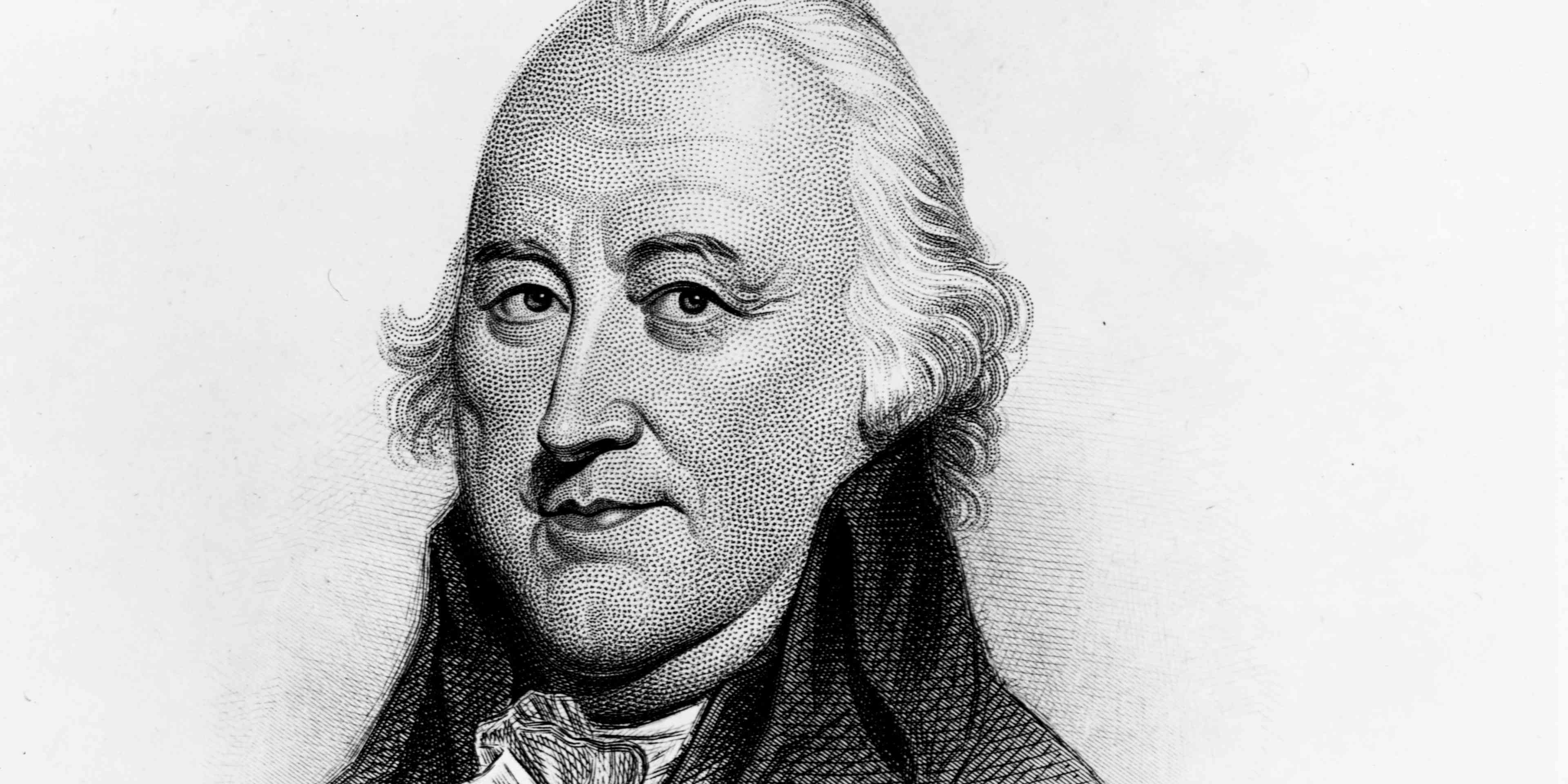
When we visualize the dawn of the American Revolutionary War, we instinctively picture General George Washington standing proudly on the battlefield or crossing the icy Delaware. However, before Washington was appointed commander-in-chief in July 1775, a different military leader held the reins of the colonial forces during the intense Siege of Boston. That man was Massachusetts General Artemas Ward. While Washington is immortalized in monuments, textbooks, and currency, Ward was the tactical architect who organized a chaotic assembly of local militias into the continent’s first unified fighting force. Understanding who commanded the Continental Army before Washington is not just a trivia answer; it is a critical window into how the early rebellion survived its most fragile months. Without Ward’s initial leadership during the explosive aftermath of Lexington and Concord, there might not have been a cohesive army left for Washington to inherit. This is the untold story of General Artemas Ward, the forgotten patriot who stood at the helm when the spark of revolution first caught fire.
The Historical Background: A Judge, a Soldier, and a Sovereign Conflict
The transition from loyal British subjects to armed rebels did not happen overnight. In the mid-18th century, the American colonies were deeply integrated into the British Empire. Artemas Ward, born in Shrewsbury, Massachusetts, in 1727, epitomized the colonial elite. Armed with two degrees from Harvard College, Ward was a devoutly religious family man, a successful merchant, and a respected local judge in the Worcester County Court of Common Pleas. Yet, like many of his peers, he grew increasingly disillusioned with British colonial policies, particularly under the heavy-handed administration of Royal Governor Francis Bernard.
Ward’s alliance with the fiery patriot Samuel Adams positioned him at the center of the Whig political movement, which advocated for local representation and resisted the overreach of the British crown. Ward was not merely a philosopher of liberty; he was also an experienced officer. He had served as a lieutenant colonel in the provincial militia during the French and Indian War, learning firsthand the logistics of military campaigns and the complexities of commanding colonial forces. When the Massachusetts Provincial Congress began preparing for a potential armed conflict in late 1774, they appointed Ward as a brigadier general, signaling their profound trust in his civic virtue and military experience.
During this era, politics and community gatherings were deeply interconnected. Local militias were organized through local towns, and even early colonial elections and political campaigns were lively community events where political ideologies were fiercely debated. It was within this highly charged, democratically active environment that Ward built his reputation as a trusted public servant.
Causes and Context: The Outbreak of Rebellion
By early 1775, Boston had become a powder keg. The British military occupation of the city, aimed at enforcing the Coercive Acts, had isolated the port and turned the surrounding countryside into an armed camp. The colonial response was the formation of the “Minutemen” and the stockpiling of gunpowder and weapons. When British troops marched toward Concord on April 19, 1775, to seize these supplies, they triggered the Battles of Lexington and Concord—the historic “shot heard round the world.”
The British retreat back to Boston was a disaster for the Crown, as thousands of angry, uncoordinated militia members poured out of the Massachusetts hillsides to harass the retreating regulars. However, once the British were bottled up inside the Boston peninsula, the colonists faced an existential crisis: they had surrounded a professional army, but they had no centralized command, no supply lines, and no official military structure. It was at this critical moment that Ward stepped into the breach to shape the destiny of the rebellion.
Key Events Timeline: The Rise and Eclipse of Artemas Ward
- November 26, 1727: Artemas Ward is born in Shrewsbury, Massachusetts, to a prominent colonial family.
- 1748–1751: Ward graduates from Harvard College with a Bachelor of Arts, followed later by a Master of Arts.
- 1755–1758: Serves as a major and later lieutenant colonel in the provincial army during the French and Indian War.
- October 1774: Appointed Brigadier General by the Massachusetts Provincial Congress as colonial tensions reach a boiling point.
- April 20, 1775: The day after Lexington and Concord, Ward rides to Cambridge to assume active command of the besieging colonial forces, holding the revolution’s first war council.
- May 19, 1775: The Massachusetts Provincial Congress officially commissions Ward as the Commander-in-Chief of the Massachusetts forces.
- June 17, 1775: Ward oversees the Battle of Bunker Hill, ordering the fortification of the Charlestown peninsula, which results in a pyrrhic British victory.
- June 17, 1775: Simultaneously, the Continental Congress in Philadelphia appoints George Washington as Commander-in-Chief and names Ward as the first Major General, making him second in seniority.
- July 3, 1775: George Washington arrives in Cambridge to officially take command of the newly christened Continental Army.
- March 1776: Ward commands the right wing of the army during the fortification of Dorchester Heights, forcing the British to evacuate Boston.
- March 1777: Due to failing health, Ward resigns from active military duty but continues to oversee the defense of New England.
- October 28, 1800: Ward passes away in Shrewsbury, Massachusetts, his military legacy largely overshadowed by Washington’s soaring fame.
Major Turning Points: The Siege of Boston and Bunker Hill
When Artemas Ward arrived in Cambridge on April 20, 1775, he faced an unimaginable task. Over 15,000 militia members from Massachusetts, Connecticut, New Hampshire, and Rhode Island had gathered around Boston. They were passionate but entirely untrained, lacking standardized uniforms, proper sanitation, and a centralized chain of command. Boston, one of the crucial hubs that dictated how 3 colonial towns shaped the course of US history, was completely cut off by land, and Ward had to maintain this delicate siege without letting his volunteer force dissolve out of boredom or disease.
Ward immediately established a headquarters and held the first war council. He began organizing the men into regiments, establishing camp guards, and managing the logistical nightmare of feeding and housing thousands of troops. His leadership style was cautious and consensus-driven. Rather than ruling by dictatorial decree, Ward sought the counsel of fellow officers, a trait that kept the fragile coalition of New England colonies united but sometimes drew criticism for a lack of military decisiveness.
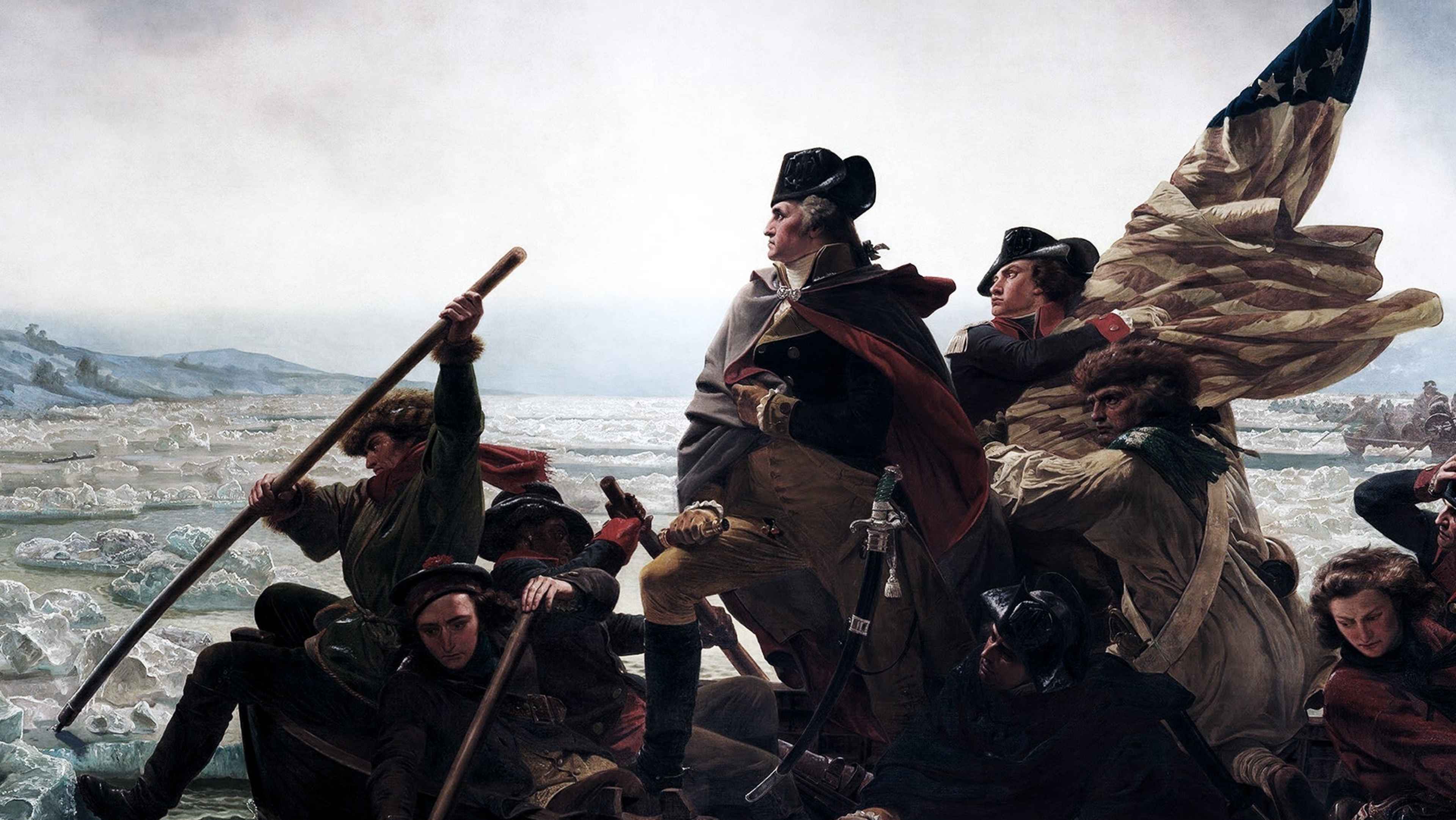
The ultimate test of Ward’s command came on June 17, 1775, at the Battle of Bunker Hill. Upon learning that the British planned to seize the hills overlooking Boston, Ward authorized the fortification of Bunker Hill. The resulting engagement was one of the bloodiest of the war. Under Ward’s overall command, colonial troops held off three consecutive British assaults before running out of ammunition and retreating. While the battle was technically a British victory, it inflicted massive casualties on the Crown’s forces and proved that the colonial militia could stand toe-to-toe with the world’s finest infantry. However, Ward faced harsh criticism from some political quarters for his perceived slowness in reinforcing the troops on the peninsula, a controversy that began to erode his military standing.
Important Figures and Their Intersecting Legacies
- General Artemas Ward: The first commander of the revolutionary forces besieging Boston. He established the organizational framework, defensive fortifications, and administrative order that preserved the army in its infancy.
- General George Washington: Appointed by the Continental Congress to lead the newly formed Continental Army. Washington’s appointment was highly political; delegates wanted a Southerner to unite the 13 colonies and their early boundaries under a single cause. When Washington arrived, he quickly overshadowed Ward, leading to a cool and strained relationship between the two men.
- Samuel Adams: The Massachusetts patriot-provocateur who partnered with Ward in the early days of political resistance against British colonial administrators, helping to align the conservative Ward with the radical independence movement.
- General Henry Knox: Serving under the strategic sphere of Ward’s command during the later stages of the Siege of Boston, Knox successfully transported heavy artillery from Fort Ticonderoga to Dorchester Heights, a move that secured the American victory in Boston.
Lesser-Known Facts About Artemas Ward
The Identity Crisis with an Amusing Showman
By the late 19th century, Artemas Ward’s name had been almost entirely erased from popular consciousness. In fact, when a bronze statue of the general was proposed for Washington, D.C., in the 1930s, many local residents and journalists were baffled, demanding to know why the city was honoring a 19th-century comedian. They had confused the Revolutionary War general with Charles Farrar Browne, a famous humorist who wrote under the pen name “Artemus Ward” and was a favorite of Abraham Lincoln. To this day, the general remains one of the least recognized figures to have a major traffic circle named after him in the nation’s capital.
Facing Down Shays’ Rebellion
Ward’s dedication to the rule of law was demonstrated long after the Revolutionary War ended. During Shays’ Rebellion in 1786, when armed, struggling farmers and veterans shut down courts across Massachusetts, Ward was serving as the chief justice of the Worcester County Court of Common Pleas. Despite his personal sympathy for the plight of the veterans, Ward stood resolutely on the courthouse steps, physically blocking a mob of armed insurgents. For nearly two hours, he lectured the crowd on the importance of constitutional law and peaceful petition, demonstrating a level of personal bravery that rivaled his wartime service.
The Silent Death of a Founding Father
When Artemas Ward died on October 28, 1800, his passing went almost completely unnoticed by the national press. Unlike the national mourning that accompanied the death of George Washington a year earlier, Ward’s death was marked by only a few brief lines in local Massachusetts papers. His strained relationship with Washington and his quiet, unpretentious nature meant that he faded into the historical background, leaving his descendants to spend decades fighting to restore his place in the annals of American history.
Long-Term Impact on America
Though largely forgotten, Artemas Ward’s contributions had a profound and lasting impact on the trajectory of the United States. By successfully holding the line at Boston, Ward prevented the British from crushing the rebellion in its cradle. Had the colonial forces dispersed or been defeated in April or May of 1775, there would have been no army for George Washington to command, and the American Revolution might have ended as a minor colonial insurrection.
Furthermore, Ward’s willingness to step aside and accept the second-in-command role under Washington established an early, vital precedent of military subordination to civil authority. His transition from military commander to a distinguished civilian career—serving as a U.S. Congressman and state legislator—helped cement the republican ideal of the “citizen-soldier” which became a cornerstone of American civic identity.
Why It Still Matters Today
In contemporary discussions of leadership and history, Artemas Ward’s story serves as an essential reminder that great historical movements are never the work of a single individual. While history books often focus on legendary figures like George Washington, the success of the American experiment relied heavily on quiet, dedicated administrators who built the foundations of our institutions behind the scenes.
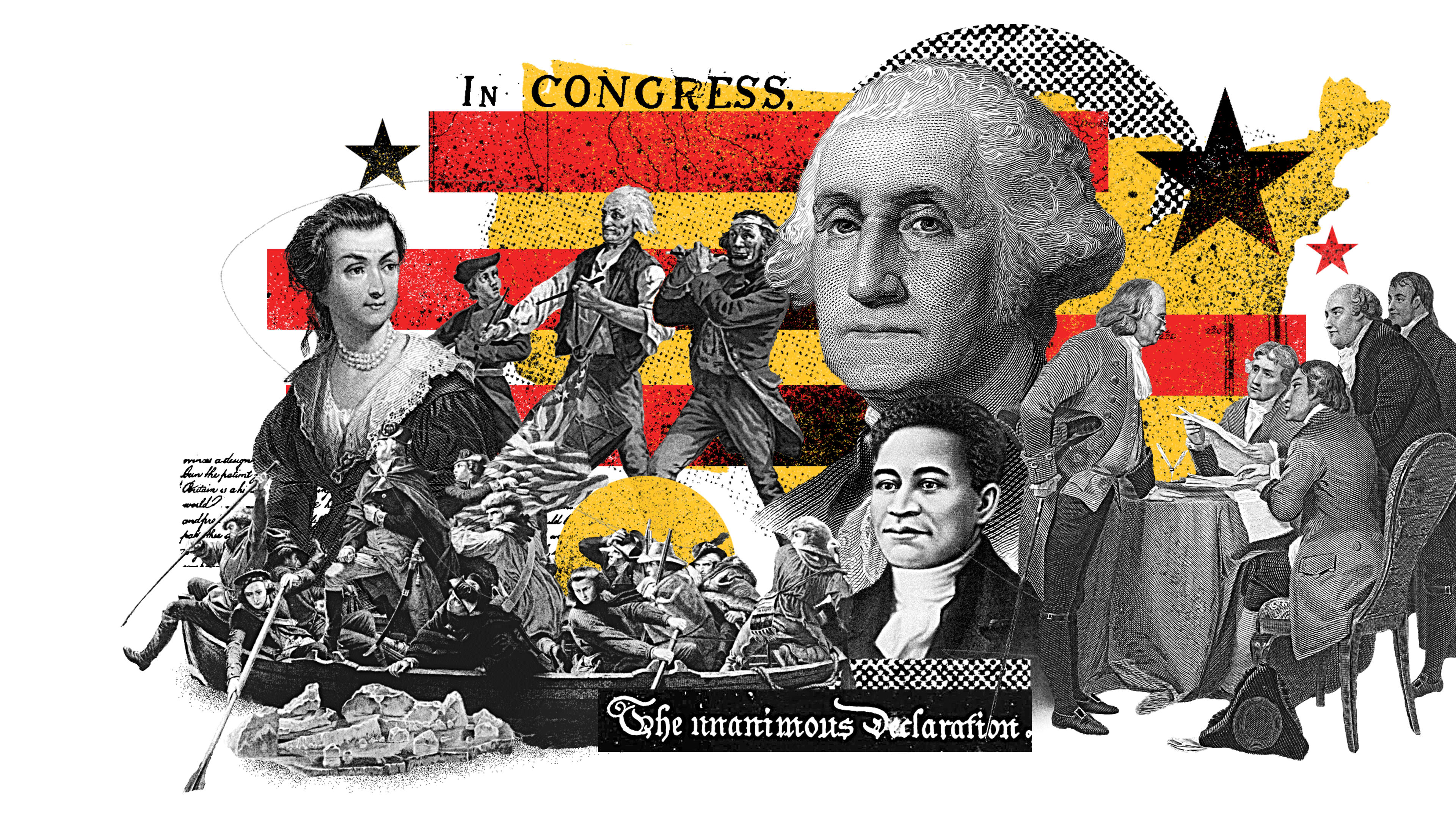
Ward’s legacy encourages us to look beyond the surface of popular mythology to appreciate the organizational, logistical, and civic groundwork required to build a nation. His life challenges us to consider the value of duty, sacrifice, and civic responsibility, even when our efforts are destined to be overshadowed by others.
People Also Ask
Who was in charge of the army before George Washington?
General Artemas Ward of Massachusetts was the commander-in-chief of the New England forces besieging Boston before George Washington was appointed by the Continental Congress to lead the newly formed Continental Army in July 1775.
Why did George Washington replace Artemas Ward?
The decision to appoint George Washington was largely political. The Continental Congress wanted to project national unity by selecting a commander from the South (Virginia) to lead an army that, at the time, consisted almost entirely of New Englanders. Additionally, Ward was struggling with chronic health issues and was perceived by some as lacking the aggressive military decisiveness needed for a long campaign.
Did Artemas Ward fight in the Revolutionary War?
Yes, Artemas Ward served as a major general in the Continental Army. He commanded the forces during the early Siege of Boston and the Battle of Bunker Hill. He later commanded the Eastern Department, securing New England’s defenses until his resignation due to health problems in 1777.
Conclusion
Artemas Ward may not have the name recognition of George Washington, but his contributions to the birth of the United States are undeniable. As the first commander of the revolutionary forces, he brought order to chaos, stood firm during the perilous Siege of Boston, and laid the physical and organizational foundation of the Continental Army. His transition from the battlefield to the halls of Congress and the courthouse steps reflects the true spirit of the American founding: a steadfast commitment to liberty, law, and public service. By remembering Artemas Ward, we enrich our understanding of the American Revolution, honoring a quiet giant who helped secure the freedom we enjoy today.


1 comment