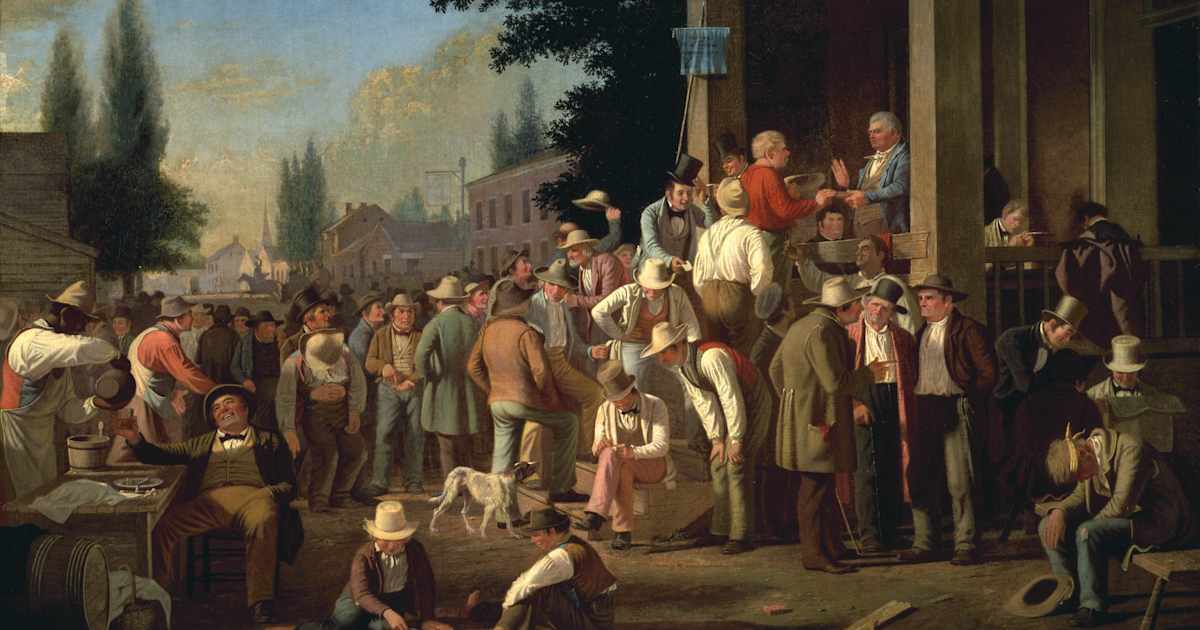
Long before the era of quiet voting booths, digital ballots, and strict campaign finance laws, Colonial America elections were massive, boisterous, and highly social celebrations. In the 17th and 18th centuries, cast-your-vote events were not solemn civic duties performed in silence; they were communal festivals complete with roaring parades, physical brawls, and an astonishing amount of free-flowing alcohol. To modern eyes, the spectacle of candidates plying voters with rum, punch, and hard cider might look like blatant political corruption. However, in the pre-Revolutionary era, this practice—affectionately known as ‘treating’—was a deeply ingrained social contract and an expected ritual of gentlemanly campaign trail behavior. Understanding how early Americans voted reveals a fascinating, rowdy reality that laid the foundations of the nation’s democratic processes, highlighting a time when political mobilization was literally fueled by the barrel. It represents a colorful chapter of American history where the lines between civic responsibility and public revelry were beautifully, and sometimes violently, blurred.
The Historical Background of Early American Voting
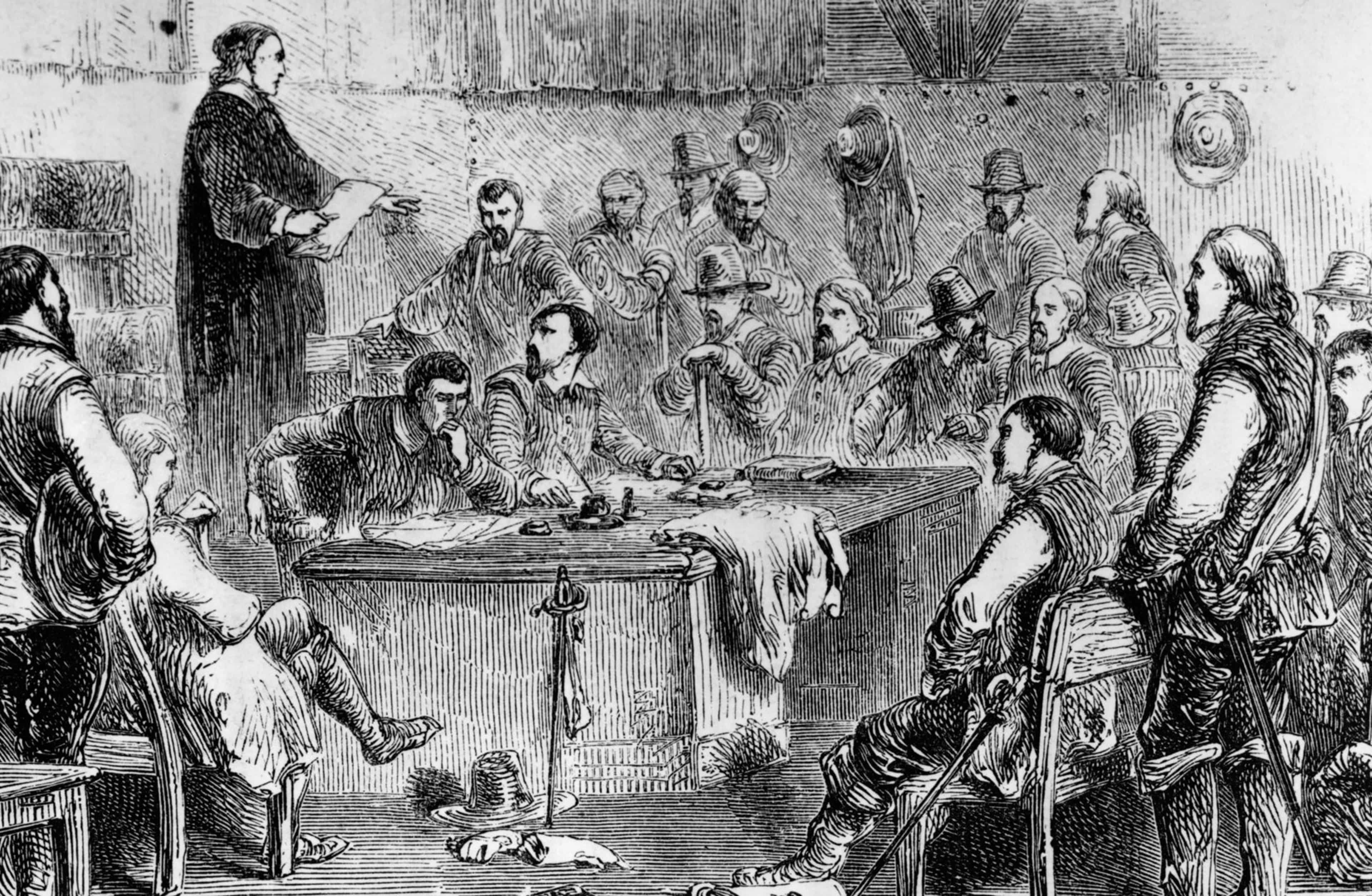
To understand the wild nature of elections in early America, one must first look at the sociopolitical landscape of the British colonies. During the 17th and 18th centuries, voting was far from universal. The franchise was strictly limited to wealthy, property-owning Protestant men. Because the electorate was relatively small and highly localized, voting was an intensely personal and social affair.
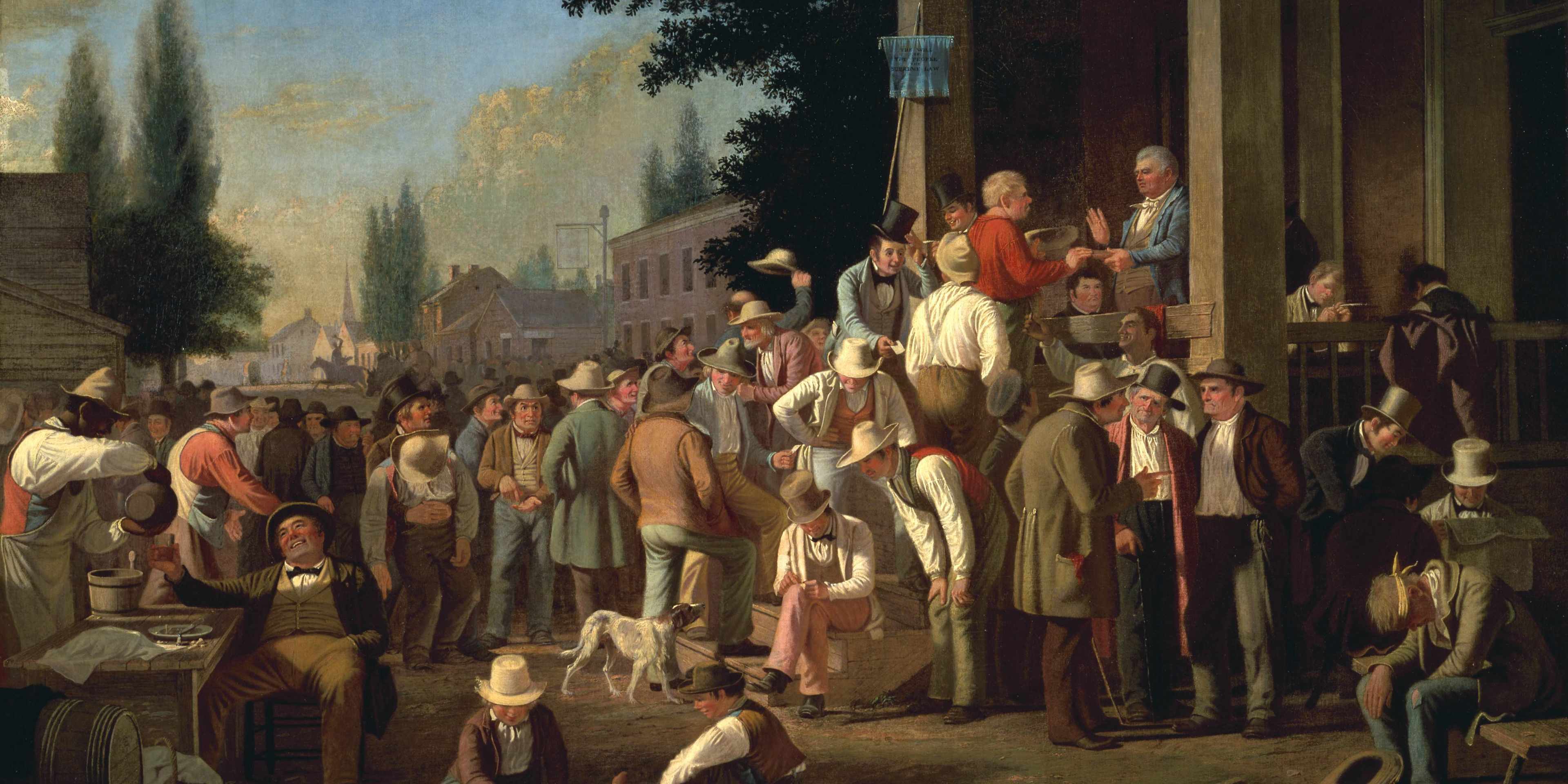
There was no secret ballot. Instead, voters often gathered at a central county courthouse or local green to declare their choices aloud—a system known as viva voce (voice voting). This public display of political allegiance meant that candidates and their supporters could see exactly who voted for whom. To secure these public declarations of loyalty, candidates relied heavily on a practice brought over from Great Britain: ‘treating’ the electorate. This was not viewed as bribery, but rather as a necessary act of hospitality and respect toward the ‘freeholders’ who held the power to elect them.
Key Events and Historical Timeline
The evolution of electoral traditions in early America can be traced through several key milestones:
- 1619: The establishment of the Virginia House of Burgesses in Jamestown, marking the first elected legislative assembly in English America.
- 1741: The earliest recorded occurrence of Negro Election Day in Salem, Massachusetts, showcasing an early and unique form of Black civic self-governance.
- 1742: The infamous Bloody Election of Philadelphia, where tensions between Quakers and Anglicans erupted into a violent courthouse riot.
- 1758: A young militia colonel named George Washington runs for the Virginia House of Burgesses, spending his entire campaign budget on alcohol to secure victory.
- 1764: Artist Henry Dawkins publishes one of the earliest satirical cartoons depicting the highly contested and chaotic Pennsylvania elections.
- 1777: James Madison attempts a ‘dry’ campaign for the Virginia House of Delegates and suffers a stinging defeat, proving the enduring power of alcohol in politics.
Key Figures and Their Electoral Legacies
George Washington
Before he was the Commander-in-Chief of the Continental Army or the first President of the United States, George Washington was a young, ambitious planter. In 1755, Washington ran for a seat in the House of Burgesses and lost miserably, receiving only a handful of votes. He attributed this failure to his refusal to provide drinks to the voters. In 1758, he ran again. This time, his campaign agent distributed a staggering 160 gallons of alcohol—including rum punch, wine, beer, and hard cider—to just 391 voters. That amounted to more than a half-gallon of booze per voter! Washington won the election in a landslide, cementing his understanding of ‘swilling the planters with bumbo.’
James Madison
As the primary architect of the U.S. Constitution, James Madison was deeply principled but perhaps too idealistic for his own good early in his career. In 1777, when running for the Virginia House of Delegates, Madison decided to take a moral stand against the ‘corrupting influence of spirituous liquors.’ He refused to purchase any alcohol for the voters, believing they should choose him based solely on his merits and intellect. The voters, insulted by his lack of hospitality, roundly rejected him in favor of a candidate who happily kept the drinks flowing. Madison later admitted that his refusal to ‘treat’ the electorate was the primary cause of his defeat.
Isaac Norris II and William Allen
During the mid-18th century, Pennsylvania’s political arena was a battleground between the pacifist Quaker faction, led by Isaac Norris II, and the Anglican-dominated Proprietary Party, led by William Allen. Norris championed the rights of German immigrants to gain political footing, while Allen represented the wealthy English elite. Their fierce rivalry culminated in the physical clashes of 1742, demonstrating that early American elections could turn dangerously volatile when political dominance was at stake.
King Pompey and Negro Election Day Leaders
Though stripped of legal voting rights in colonial New England, enslaved and free Black Americans carved out their own democratic traditions. Figures like King Pompey, an enslaved African man who became a property owner in Massachusetts, and Nero Brewster played critical roles in Negro Election Day. Enslaved populations would elect their own ‘kings’ or ‘governors’ who acted as crucial intermediaries between the Black community and white colonial authorities. These celebrations incorporated West African dances, music, and feasts, preserving a vital sense of community and self-determination.
Causes, Context, and the Custom of ‘Bumbo’
Why did colonial elections revolve so heavily around alcohol and rowdy parties? The answer lies in the deep-seated cultural expectations of the era. The practice of ‘treating’ was inherited from the British political system, where it was customary for wealthy elites to win over the working class with feasts. In the colonies, this was commonly referred to as ‘swilling the planters with bumbo’ (bumbo being a popular, potent cocktail made of rum, water, sugar, and nutmeg).
Travel in the 18th century was also notoriously difficult. Freeholders often had to travel many miles over rough roads to reach the county seat to cast their voice votes. Candidates were expected to compensate these voters for their time, effort, and travel expenses by providing lodging, food, and plenty of refreshments. To neglect this custom was seen as an insult to the voters’ dignity and independence. Thus, taverns became the primary campaign headquarters, transformed into boisterous party hubs where political alliances were forged over tankards of ale.
Major Turning Points: From Rowdy Greens to Silent Booths
The boisterous, alcohol-fueled nature of elections began to shift in the early 19th century as the United States expanded and democratized. The transition from public voice voting to printed paper ballots was a major turning point. As the secret ballot was gradually adopted, the intimate, face-to-face nature of voting began to disappear. Reformers of the Temperance Movement also targeted the influence of alcohol in politics, arguing that ‘treating’ was a form of bribery that corrupted the democratic process. By the mid-19th century, laws were enacted to close saloons on election days and forbid candidates from distributing liquor near polling places, slowly transforming Election Day from a wild public festival into a quiet, sober, and bureaucratic civic duty.
Long-Term Impact on American Society
The legacy of colonial voting traditions continues to shape modern American political culture. While the elimination of alcohol-soaked campaigns improved the integrity of the vote, it also coincided with a dramatic drop in voter turnout. During the 19th century, when elections were still highly festive affairs with brass bands and community feasts, voter turnout regularly topped 80 to 85 percent of the eligible electorate. Today, as voting has become increasingly institutionalized, reformers often look back at the celebratory spirit of colonial elections as a potential solution to modern voter apathy. This historical context has sparked contemporary movements to make Election Day a national federal holiday, aiming to recapture the sense of shared community and civic celebration that once defined early American democracy.
Lesser-Known Facts and Historical Anecdotes
- The ‘Bloody Election’ of 1742: In Philadelphia, the Proprietary Party hired a mob of armed sailors to attack Quaker voters at the courthouse. Despite the ensuing riot, where clubs and fists flew freely, the pacifist Quakers actually won the election because their German allies refused to be intimidated.
- Hartford Election Cake: Election Day was so festive that it inspired its own unique culinary tradition. Election Cake—a massive, spice-filled yeast cake packed with raisins and figs—was baked by the dozens to feed hungry voters who traveled to Connecticut’s capital. It became America’s very first civic cake recipe!
- The Origin of the Campaign BBQ: The colonial tradition of treating voters evolved into massive 19th-century campaign barbecues. In 1876, Brooklyn Republicans paraded two giant oxen through the streets before roasting them whole to feed thousands of prospective voters.
Why This History Matters Today
Studying the festive, rowdy atmosphere of early American elections challenges our modern assumptions about political engagement. Today, we often view voting as an individual, private, and highly serious act. However, our ancestors viewed it as a vibrant, collective community ritual. By examining the social dynamics of the colonial polling place, we can better understand the delicate balance between civic accessibility, hospitality, and electoral integrity. It reminds us that democracy does not have to be a sterile, administrative chore—it can be a celebration of self-governance that brings communities together.
People Also Ask (FAQs)
What was ‘swilling the planters with bumbo’?
‘Swilling the planters with bumbo’ was a slang term used in colonial America to describe the practice of political candidates buying alcoholic drinks—specifically ‘bumbo,’ a popular rum-based cocktail—for eligible voters to win their favor on election day.
Did George Washington really buy votes with alcohol?
Yes. During his 1758 run for the Virginia House of Burgesses, George Washington provided 160 gallons of rum, wine, beer, and cider to 391 voters. This was a standard, expected campaign practice of the time, rather than a form of illegal bribery as we define it today.
What was Negro Election Day?
Negro Election Day was an annual festival celebrated by enslaved and free Black Americans in New England starting in 1741. It allowed Black communities to practice self-governance by electing their own leaders, who served as vital liaisons to white colonial officials, while celebrating with African dances, food, and music.
Why did early American elections have so much violence?
Because voting was done in public, out loud (viva voce), and often fueled by vast quantities of free alcohol. Factions could easily see how people were voting, which frequently led to intimidation, brawls, and events like the Philadelphia Election Riot of 1742.
Conclusion
Ultimately, the history of Colonial America elections reminds us that the American democratic experiment has always been dynamic, colorful, and deeply human. From George Washington’s rum-soaked victory to the resilient self-governance of Negro Election Day, early elections were central to the social fabric of the colonies. While we have thankfully traded the violence and bribery of the past for a more secure and equitable ballot box, we can still learn from the energy, passion, and communal joy that once defined the early American vote.


