Before the United States expanded from coast to coast, life in the early settlements was defined by hard labor, resourcefulness, and specialized trades. Within the 13 colonies, everyday citizens, indentured servants, and enslaved laborers worked tirelessly to construct a new society from the ground up. While wealthy aristocrats and colonial governors occupied the highest social tiers, the true engine of the colonial economy was its diverse workforce. From the wigmakers crafting high-status hairpieces for the elite, to the printers laying the ideological foundations of the American Revolution, and the tavern keepers providing vital centers for public life, these early tradesmen and women served as the backbone of colonial society. Understanding these common professions provides a fascinating window into the economic realities, social stratification, and daily struggles of early Americans. It illustrates how simple manual trades evolved into powerful vehicles for political defiance and economic independence, ultimately setting the stage for a new, self-reliant nation.
Historical Background: Labor and Economy in the 13 Colonies
During the 17th and 18th centuries, the 13 British colonies in North America operated under a system of mercantilism. Under this economic model, the colonies existed primarily to enrich the British Empire by exporting valuable raw materials—such as timber, tobacco, and indigo—and importing finished manufactured goods from London. However, as the colonial population grew and spread, the demand for local services, specialized craftsmanship, and regional manufacturing skyrocketed. This shift gave rise to a vibrant class of local artisans, merchants, and tradespeople who operated in both rural villages and rapidly growing urban centers like Boston, Philadelphia, and Williamsburg.
This economic landscape was highly stratified. In the early days of colonization, the most prestigious, high-paying jobs were reserved for wealthy white men who secured crown appointments as governors, judges, and military officers. Meanwhile, the vast majority of the population engaged in agricultural work. Beneath the surface of this agrarian society lay a network of skilled and semi-skilled workers whose labor made daily life possible. For many marginalized groups, including free Black individuals, women, and native peoples, labor was a complex negotiation of survival. Notably, Benjamin Banneker, a free Black man born in Maryland in 1731, excelled as a self-taught mathematician, astronomer, and farmer, later helping survey the land that would become Washington, D.C. Similarly, Elizabeth Freeman, an enslaved woman who won her freedom in a landmark 1781 Massachusetts court case, supported herself and her community by working as a highly respected midwife and nurse.
The Sociopolitical Context of Colonial Trades
To understand the labor market of colonial America, one must examine the socio-economic conditions of the era. Many skilled trades were regulated through a strict apprenticeship system. Young boys, often around the age of twelve to fourteen, would be bound to a master craftsman for a period of seven years to learn a trade. In exchange for their labor, the apprentice received food, lodging, basic education, and training. Once their apprenticeship concluded, they became journeymen, earning wages until they could afford to open their own shops as independent masters.
For women, occupational opportunities were legally and socially constrained by the custom of coverture, which folded a woman’s legal identity into that of her husband. However, out of sheer necessity, many colonial women operated businesses, particularly if they became widows. They managed farms, ran print shops, and controlled taverns. On the darker side of this economy, much of the domestic and agricultural wealth was generated through the brutal exploitation of enslaved African laborers and indentured servants, who possessed virtually no labor rights or personal autonomy.
6 Common Jobs of the Colonial Era
1. The Wigmaker (Perukemaker)
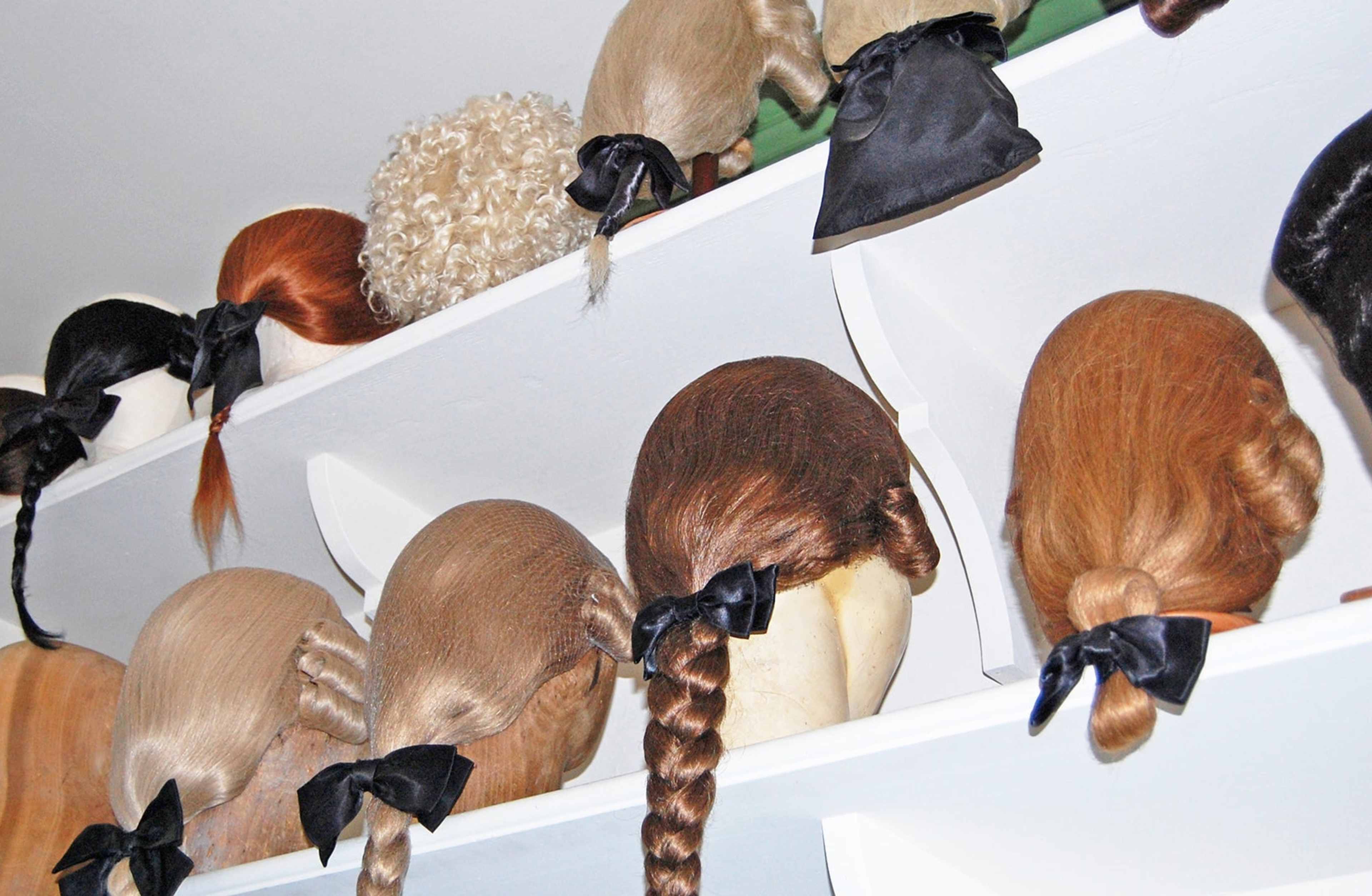
In the 18th century, wigs—known historically as perukes—were far more than a simple fashion statement; they were an essential indicator of class, wealth, and authority. Wealthy men, particularly colonial governors, military leaders, and successful merchants, wore elaborate, powdered wigs to distinguish themselves from the working classes. Wigmakers were highly skilled artisans who designed, crafted, and maintained these intricate headpieces. While some wigs were made of human hair, many wigmakers used horsehair imported from China or goat hair to build heavy, structured designs.
Interestingly, the trade did not survive long after the colonial era. Wigs began falling out of fashion around the time of the American Revolution, as the newly independent citizens rejected British aristocratic symbols in favor of republican simplicity. While many people believe that General George Washington wore a wig, he actually did not; his iconic portrait displays his real hair, which he carefully grew, powdered, and styled to match the prevailing fashion of the day.
2. The Apothecary
The colonial apothecary served as a modern drugstore owner, general practitioner, and surgeon all in one. Because specialized medical doctors were rare in the colonies, citizens relied on apothecaries to diagnose illnesses, perform minor surgeries, pull teeth, and formulate medicines. Their shops were filled with mysterious drawers and jars containing imported herbs, chemical compounds, and native plants.
Apothecaries combined scientific knowledge with folk remedies. For instance, a customer suffering from a severe headache might be prescribed roasted coffee beans, as caffeine was recognized for its pain-relieving qualities. For patients suffering from malaria—a common and deadly disease in the southern colonies—apothecaries prescribed “Peruvian bark”. This remedy, sourced from the South American cinchona tree, contained quinine, which remained the most effective treatment for malaria for centuries. Despite their vital role, many apothecary treatments relied on bloodletting, leeches, and purging, which often did more harm than good to the patient.
3. The Printer
Printers were the gatekeepers of information, literature, and political thought in colonial America. They operated heavy wooden printing presses to publish weekly newspapers, pamphlets, books, and legal documents. The most famous printer of the era was undoubtedly Benjamin Franklin, who began his career as an apprentice in Boston before establishing a highly successful printing business in Philadelphia, where he published his legendary Poor Richard’s Almanack.
The role of the printer evolved from a commercial trade into a powerful political tool as tensions with Great Britain mounted. To understand how the media landscape evolved, one can look at America’s first successful newspaper, the Boston News-Letter, which was heavily subsidized by the British government and focused primarily on European news. In contrast, independent printers like Benjamin Edes and John Gill of the Boston Gazette used their presses to criticize British taxes, mobilize public outrage, and advocate openly for American independence. Without the printing press, the widespread coordination of the American Revolution would have been virtually impossible.
4. The Tavern Keeper
Colonial taverns were the social, political, and economic hearts of early American communities. They were far more than places to consume alcohol; they functioned as town halls, post offices, traveler lodges, and business hubs where merchants negotiated contracts. Because of their central role, tavern licenses were highly regulated by colonial governments.
Many tavern keepers were white women, particularly widows who were granted licenses by local courts to ensure they could support themselves without relying on public charity. To learn more about the overnight experience in these bustling hubs, historians often examine what it was like to stay in a colonial-era inn, where travelers frequently shared cramped beds with strangers and dined on simple, communal stews. Despite their cozy reputation, taverns had a dark side: many tavern keepers owned and exploited enslaved workers, and some taverns even served as physical sites for slave auctions, deeply tying the trade to the institution of human bondage.
5. The Shoemaker and Cobbler
Footwear was a critical commodity in the rugged environment of the New World. In the colonial labor hierarchy, there was a strict division between cordwainers—leatherworkers who crafted brand-new shoes from raw hides—and cobblers, who specialized in repairing worn-out shoes. Because leather was expensive, shoes were worn until they completely fell apart, making the cobbler’s repair services highly valuable.
In the decades leading up to the Revolutionary War, the shoemaking trade became highly politicized. As colonists organized boycotts of imported British manufactured goods, purchasing domestic shoes became a badge of patriotism. In 1765, a Philadelphia shoemaker took out a famous newspaper advertisement encouraging colonial women to show their patriotism by purchasing his locally made worsted and wool shoes, proving that everyday purchasing decisions were being transformed into acts of political defiance.
6. The Saddler and Harness Maker
In an era before steam engines or automobiles, horses were the primary mode of overland transportation and agricultural power. However, horses were incredibly expensive to purchase and maintain, meaning they were generally owned by wealthy families and successful merchants. Consequently, the saddler’s trade was highly lucrative, catering to an elite clientele who demanded high-quality leather goods.
Saddlers were masters of leatherwork, crafting specialized gear based on their clients’ specific needs. For example, they used durable hog skin for hunting saddles because its texture helped riders maintain their grip when chasing game, whereas standard steer hide became slick over time. Saddlers also crafted sidesaddles for wealthy women, allowing them to ride comfortably while wearing heavy dresses, as well as lightweight racing saddles for early American horse racing enthusiasts.
Chronological Timeline of Colonial Labor and Economic Shifts
- 1607: The founding of Jamestown, Virginia, establishing the first permanent English settlement and introducing early European trade labor to North America.
- 1704: The Boston News-Letter begins publication, establishing a formal printing industry in the colonies.
- 1731: Benjamin Banneker is born, embarking on a life that would challenge racial barriers through scientific and agricultural achievements.
- 1732: Benjamin Franklin publishes the first edition of Poor Richard’s Almanack, demonstrating the massive commercial potential of printing.
- 1765: The passage of the Stamp Act sparks colonial boycotts of British goods, transforming local trades like shoemaking into acts of patriotic resistance.
- 1781: Elizabeth Freeman wins her freedom in court, transitioning to a lifelong career as a prominent local nurse and midwife.
Turning Points: How Everyday Trades Sparked a Revolution
The turning point in the history of colonial labor occurred during the 1760s and 1770s with the introduction of the Non-Importation Agreements. Frustrated by British taxation without representation, colonial merchants and citizens united to boycott imported British products. Suddenly, the work of local blacksmiths, weavers, tailors, and shoemakers was no longer just a matter of daily survival; it became a powerful political statement. Domestic manufacturing, once discouraged by the British Crown, became a symbol of American liberty and self-sufficiency, paving the way for the industrial independence of the future United States.
Long-Term Impact on American Society
The legacy of colonial trades continues to shape modern America. The apprentice system laid the historical foundation for vocational education, labor unions, and specialized technical training. Furthermore, the early printers’ fight against British censorship directly inspired the inclusion of the First Amendment (protecting freedom of speech and the press) in the United States Constitution. Ultimately, the resourcefulness, work ethic, and adaptability of colonial artisans helped forge a distinct cultural identity rooted in entrepreneurship and self-reliance.
Lesser-Known Historical Facts
- Washington’s Hair Secret: Despite popular belief, George Washington never wore a wig. He kept his natural hair long, styled it carefully, and whitened it with hair powder to match the high-status aesthetic of the day.
- Apothecaries and Quinine: The use of “Peruvian bark” by colonial apothecaries was one of the earliest successful treatments for malaria in the colonies, showcasing how global trade routes influenced early American medicine.
- The Double Life of Taverns: Many historic taverns served as the secret meeting locations for revolutionary groups like the Sons of Liberty, proving that the local pub was the cradle of the American Revolution.
Why It Still Matters Today
Studying the trades of colonial America reminds us that nations are not built solely by politicians and generals, but by the hands of everyday working people. The economic struggles, the pursuit of self-sufficiency, and the fight for labor dignity during the colonial era mirror modern discussions around local manufacturing, fair wages, and the preservation of skilled manual labor. By understanding how early Americans worked, we gain a deeper appreciation for the complex human effort that constructed the foundation of modern society.
People Also Ask (FAQ)
What was the most common job in colonial America?
While skilled trades were vital in towns and cities, the vast majority of colonists—over 90 percent—worked in agriculture as small-scale farmers, providing food and resources for their families and local markets.
Could women hold professional jobs in the 13 colonies?
Yes. Although legal and social restrictions were severe, women worked as midwives, ran successful taverns, operated printing presses, and managed large agricultural properties, particularly after the death of a husband.
How did the British government view colonial manufacturing?
The British government heavily discouraged colonial manufacturing, wanting the colonies to remain dependent on British imports. This economic control was a major catalyst for the American Revolution.
Conclusion
From the precise handiwork of the wigmaker to the revolutionary ink of the printer, the common jobs of colonial America formed the economic and social scaffolding of a developing nation. These diverse tradesmen and women—regardless of their social standing, race, or gender—negotiated a harsh and rapidly changing world, transforming simple raw materials into a thriving, independent economy. Their legacy of craftsmanship, resilience, and political activism remains deeply woven into the fabric of the American story today.


