The standard textbook narrative of colonial America often conjures a homogeneous image: stern, black-clad Puritans boarding the Mayflower, or Quaker settlers under a treaty elm, all seeking a pristine sanctuary to practice their distinct brands of Protestantism. While English Protestants certainly made up the numerical majority, the real story of religious diversity in America’s 13 colonies is far more complex, vibrant, and contested than popular myths suggest. Long before the United States was forged in the fires of revolution, the Eastern seaboard was already a spiritual kaleidoscope. It was a place where European émigrés—including Sephardic Jews, French Huguenots, and Roman Catholics—rubbed shoulders with various Protestant sects, while millions of Indigenous peoples practiced ancient earth-centered faiths and enslaved Africans preserved rich, diverse cosmologies ranging from polytheistic animism to Islam. Understanding this intricate mosaic is not merely an academic exercise; it reveals how a collection of deeply sectarian colonies, each initially striving for religious uniformity, ultimately laid the groundwork for a nation with a deeply religious foundation but a fundamentally secular soul.
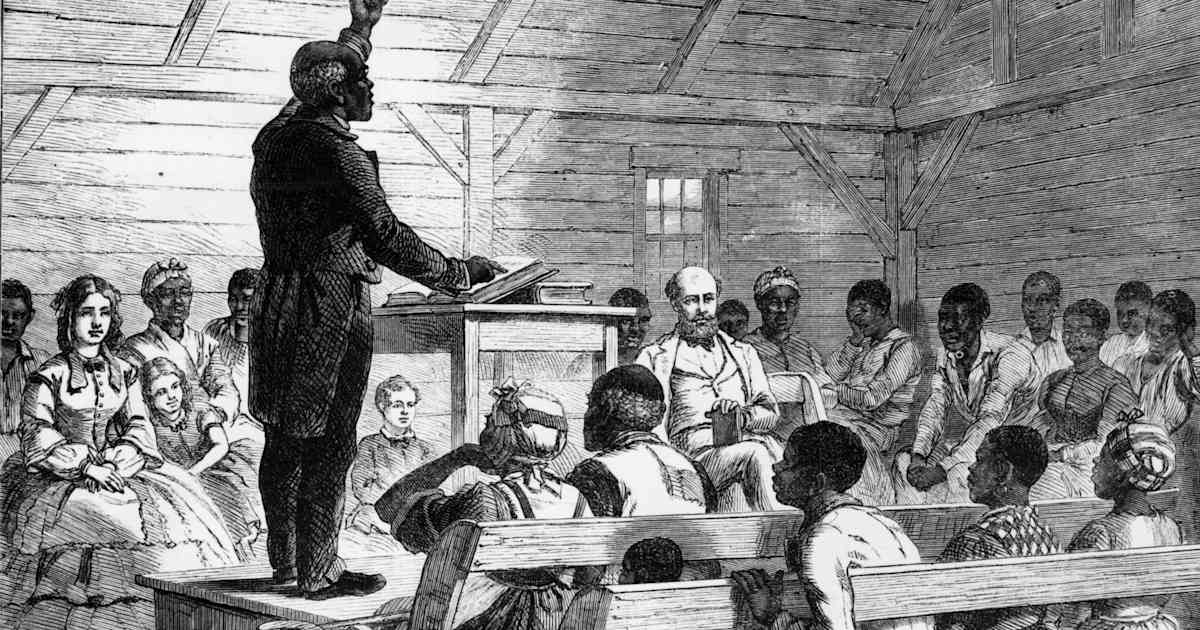
Historical Background: The Quest for Spiritual Monopoly
In the early 17th century, the concept of religious tolerance was largely foreign to the European mind. Most European nations operated under the principle of cuius regio, eius religio (whose realm, his religion), believing that social cohesion and political stability required absolute spiritual conformity. When English colonizers crossed the Atlantic, they brought this mentality with them, seeking to establish their own versions of state-mandated churches in the wilderness.
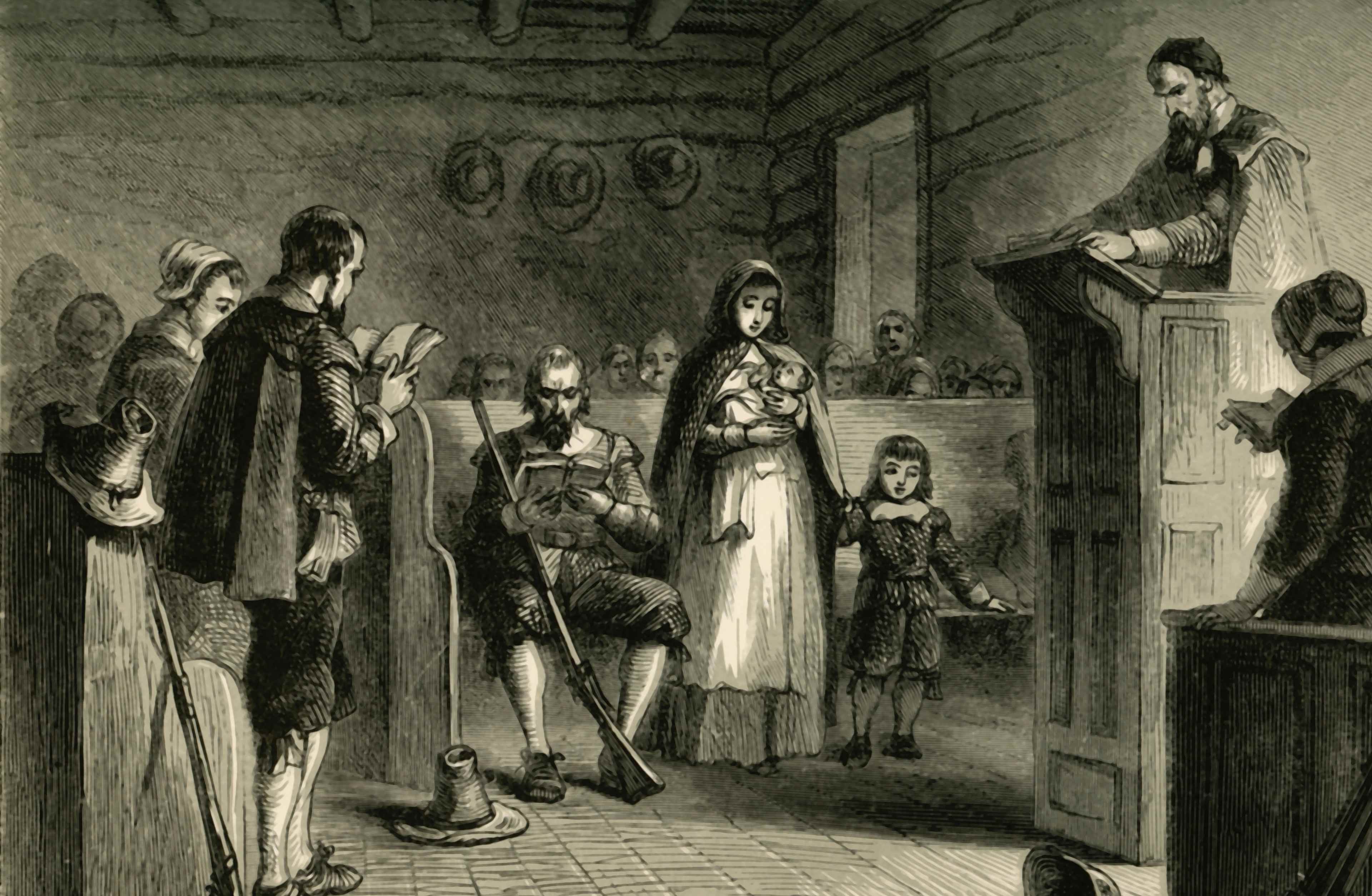
In 1619, the Virginia House of Burgesses convened for the first time in Jamestown. Among their very first legislative acts was the establishment of the Church of England (the Anglican Church) as the official state religion, making church attendance mandatory and taxing citizens to support Anglican ministers. Meanwhile, further north, the Puritans who settled the Massachusetts Bay Colony in the 1630s had a similarly exclusive vision. Led by the charismatic lawyer John Winthrop, they sought to build a ‘city upon a hill’—a model Christian commonwealth that would shine as a beacon of pure Calvinist theology back to a corrupt Europe. However, this ‘city’ had no room for dissenters. Those who questioned Puritan orthodoxy, such as Roger Williams or Anne Hutchinson, were promptly banished into the wilderness.
The Spiritual Landscape: A Timeline of Colonial Devotion (1607–1791)
To understand how this rigid search for uniformity dissolved into unprecedented pluralism, it is helpful to trace the chronological milestones that defined the colonial spiritual landscape:
- 1607: The founding of Jamestown, Virginia, establishing the dominance of the Anglican Church in the Southern colonies.
- 1620: The Pilgrims arrive at Plymouth, bringing Separatist Congregationalist theology to New England.
- 1634: Maryland is founded by Cecil Calvert (Lord Baltimore) as a rare refuge for English Roman Catholics fleeing persecution.
- 1636: Roger Williams, banished from Massachusetts, establishes Providence, Rhode Island, creating the first colony explicitly dedicated to liberty of conscience and the separation of church and state.
- 1654: The first group of Sephardic Jews arrives in New Amsterdam (later New York), fleeing the Portuguese Inquisition in Brazil.
- 1681: William Penn receives a charter for Pennsylvania, establishing a ‘Holy Experiment’ anchored in Quaker principles of pacifism, equality, and broad religious tolerance.
- 1730s–1740s: The Great Awakening sweeps through the colonies, led by fiery evangelists like George Whitefield and Jonathan Edwards, democratizing religious practice and fracturing traditional church hierarchies.
- 1763: The Touro Synagogue is dedicated in Newport, Rhode Island, standing today as the oldest surviving Jewish house of worship in North America.
- 1786: Thomas Jefferson drafts the Virginia Statute for Religious Freedom, dismantling the Anglican establishment and paving the way for federal constitutional protections.
- 1791: The ratification of the Bill of Rights, with the First Amendment permanently forbidding the federal government from establishing a state religion or prohibiting the free exercise thereof.
Key Figures Who Reshaped American Faith
The evolution of colonial religious life was driven by extraordinary individuals whose radical ideas challenged the status quo and permanently altered the course of American history:
John Winthrop (1588–1649)
As the first governor of the Massachusetts Bay Colony, Winthrop envisioned a tightly knit covenant community where individual liberties were subordinated to the common spiritual good. His famous sermon, ‘A Model of Christian Charity,’ laid the cultural groundwork for American exceptionalism, though his insistence on rigid religious conformity sparked the very rebellions that would birth religious liberty elsewhere.
Roger Williams (1603–1683)
A brilliant theologian and seeker, Williams argued that forcing citizens to worship against their conscience was ‘spiritual rape.’ After his banishment from Massachusetts, he founded Rhode Island on land purchased from the Narragansett people. Williams coined the phrase ‘wall of separation’ between the garden of the church and the wilderness of the world, arguing that state interference corrupts pure faith.
William Penn (1644–1718)
A convert to the highly persecuted Society of Friends (Quakers), Penn used his vast land grant to create Pennsylvania. He designed Philadelphia as a ‘City of Brotherly Love’ and welcomed not only fellow Quakers but also German Lutherans, Mennonites, Amish, Huguenots, and Catholics, proving that economic prosperity and social harmony could thrive under a banner of absolute tolerance.
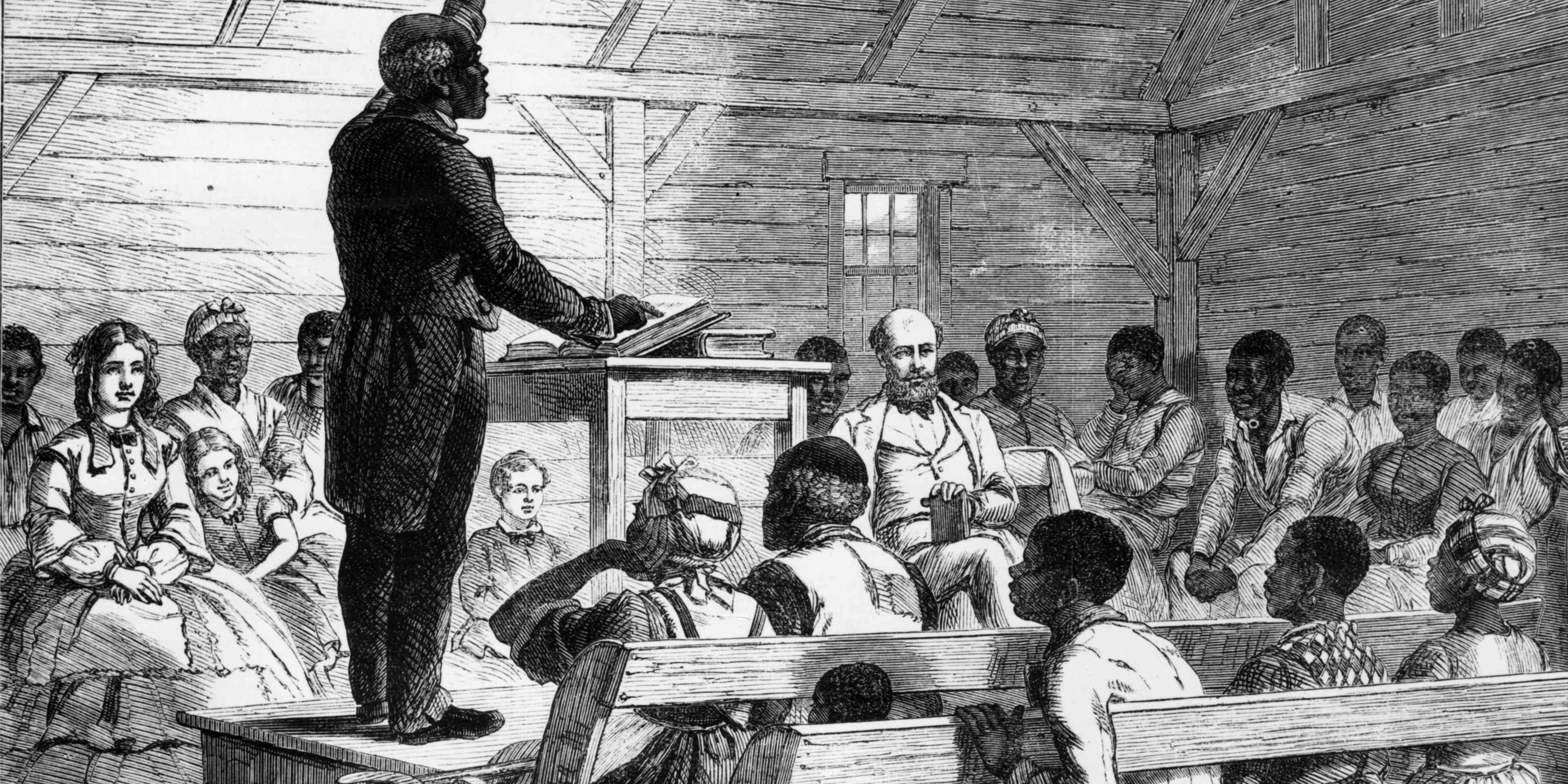
George Whitefield (1714–1770)
An Anglican priest with the charisma of a theater actor, Whitefield was the undisputed superstar of the Great Awakening. Traveling the length of the colonies, his dramatic open-air sermons drew crowds of tens of thousands, emphasizing personal rebirth and salvation over formal church doctrine. His ministry bridged geographic, denominational, and social divides, creating a shared inter-colonial experience.
The Unseen Tapestry: Indigenous and African Spiritualities
The standard colonial narrative often overlooks the rich spiritual traditions of non-European populations, yet their beliefs were central to the daily reality of the colonies. Indigenous nations along the Eastern seaboard—such as the Wampanoag, the Powhatan, and the Haudenosaunee—maintained sophisticated cosmologies. These traditions did not separate the sacred from the secular; rather, they emphasized a profound reciprocity between the living, the ancestral departed, and the natural world, viewing the land not as a commodity to be conquered, but as a sacred relative to be respected.
Similarly, the brutal machinery of the transatlantic slave trade transported millions of African people to the colonies, but it could not erase their spiritual identities. Enslaved Africans brought a rich multiplicity of religious practices. Many adhered to traditional West African religions, which were often polytheistic and animist, centering on ancestor veneration, spiritual possession, and healing arts. Others were devout Muslims, particularly those captured from the Senegambia region and the upper reaches of sub-Saharan Africa. Historical evidence, such as runaway slave advertisements in South Carolina, frequently listed individuals with Islamic names like ‘Moosa’ (Moses) or ‘Sambo,’ and described runaways using terms like ‘Moorish’ or ‘Fullah’. Over generations, as the Great Awakening swept the South, many of these traditions dynamically fused with Christian teachings, creating unique, resilient variants of African-American Protestantism that served as vital survival mechanisms against the horrors of chattel slavery.
Turning Points: The Great Awakening and the Democratization of Choice
By the mid-18th century, the old established churches were losing their grip on the colonial population. The catalyst for this shift was the Great Awakening, a series of evangelical revivals that permanently disrupted traditional religious life. Prior to this movement, the norm was communal conformity: everyone in a town attended the local parish church, listened to a highly educated minister read a prepared sermon, and accepted the civic hierarchy.
The revivalists turned this model upside down. Itinerant preachers bypassed the established pulpits, speaking directly to ordinary people in fields, barns, and marketplaces. They emphasized a highly personal, emotional experience of salvation—often called being ‘born again.’ This message was deeply democratic: if salvation depended on a personal relationship with God, then the authority of elite, state-sanctioned ministers was severely diminished. The Great Awakening led to an explosion of new Protestant denominations, particularly Baptists and Methodists, and encouraged individuals to make their own spiritual choices. This newfound religious autonomy directly prepared the colonial mind to question political authority, setting the psychological stage for the American Revolution.
The Secular Soul: Long-Term Impact on the American Republic
On the eve of the American Revolution in 1775, the religious landscape was unrecognizable from a century prior. No single denomination could claim dominance; even the once-powerful Anglican Church was in steep decline. When the Founders gathered to draft the nation’s founding documents, they recognized that establishing a single national religion would trigger immediate civil strife among the highly diverse states.
Consequently, the U.S. Constitution emerged as a profoundly secular document. Neither the word ‘God’ nor ‘Christ’ appears in its text, and Article VI explicitly bans any religious test as a qualification for holding public office. When Thomas Jefferson wrote the Declaration of Independence, he invoked ‘Nature’s God’ and the ‘Creator’—broad, Deistic terms that resonated with Enlightenment thinkers who viewed God as a rational cosmic architect rather than an active intervener in human affairs. By separating the institutions of church and state, the Founders did not seek to destroy religion; rather, they sought to protect it from state corruption, ensuring that the new republic would have a highly pluralistic spiritual foundation guided by a secular legal framework.
Lesser-Known Historical Facts About Colonial Religion
- The Pacifist Colony Without a Defense: Because William Penn’s Pennsylvania was founded on Quaker principles of absolute pacifism, the colony famously refused to establish a militia or fund military defense for decades, even during times of frontier conflict, causing immense political tension with neighboring colonies.
- The Hebrew Congregation of Newport: In 1790, President George Washington wrote a historic letter to the Touro Synagogue in Newport, Rhode Island, declaring that the new United States government would give ‘to bigotry no sanction, to persecution no assistance,’ cementing religious freedom for Jewish citizens at the highest level of government.
- Enslaved Muslims in the Lowcountry: Historians estimate that up to 15% to 30% of enslaved Africans brought to the American South were Muslims. Some managed to keep their faith alive under slavery by writing portions of the Quran from memory, maintaining dietary laws where possible, and performing silent daily prayers.
Why Colonial Religious History Still Matters Today
The debates that raged in the 13 colonies over the boundaries of faith, law, and conscience are far from settled. Today, the United States continues to grapple with the exact meaning of the First Amendment’s Establishment Clause. From debates over prayer in public schools to legal battles concerning religious exemptions for businesses, modern American life is still deeply shaped by the tension between Winthrop’s vision of a unified Christian commonwealth and Williams’s vision of absolute separation of church and state. By looking back at the rich, messy, and diverse realities of our colonial origins, we find a powerful reminder that America’s strength has never been rooted in forced uniformity, but in its capacity to let diverse consciences coexist in peace.
People Also Ask
Which of the 13 colonies was founded for religious freedom?
While several colonies offered degrees of religious freedom, Rhode Island (founded by Roger Williams in 1636) and Pennsylvania (founded by William Penn in 1681) were the only colonies explicitly established on the principles of total liberty of conscience and the separation of church and state for all residents.
Were there Catholics and Jews in the 13 colonies?
Yes. Maryland was originally founded in 1634 as a haven for English Roman Catholics, though they quickly became a minority there. Sephardic Jewish communities established permanent roots starting in the mid-17th century, building vibrant communities in port cities like New York, Philadelphia, Charleston, Savannah, and Newport.
What role did religion play in the daily life of the colonies?
In most colonies, religion was deeply intertwined with the local culture, law, and social hierarchy. In New England and the South, established churches dictated laws, mandated attendance, and collected taxes. However, the Great Awakening of the 1730s and 1740s democratized spiritual life, shifting the focus from communal obligation to personal, individual choice.
Conclusion: The Mosaic of the American Soul
Ultimately, the story of religion in the 13 colonies is a narrative of transition. What began as a series of isolated, highly exclusionary experiments in Protestant uniformity transformed, through migration, revivalism, and radical philosophy, into a dynamic laboratory of religious pluralism. By acknowledging the contributions of marginalized groups, including Indigenous peoples, enslaved Africans, and religious minorities, we gain a truer, richer understanding of how the American republic developed its unique ‘secular soul’—a constitutional framework designed to protect the infinite diversity of its people’s faiths.


