The American South is a region steeped in complex history, rich traditions, and deeply contested symbols. Among its most enduring yet controversial monikers is the term “Dixie.” For generations, this single word has conjured vivid imagery of the antebellum landscape, romanticized narratives of the old South, and the bitter divisions of the American Civil War. Yet, despite its deep integration into the cultural lexicon of the United States, the exact origins of the term remain shrouded in mystery, folklore, and historical debate. To truly understand why the South became known as Dixie, we must peel back the layers of 19th-century popular music, regional currency, colonial boundary lines, and the deep-seated political tensions that ultimately tore the nation apart.
The Historical Landscape of Pre-Civil War America
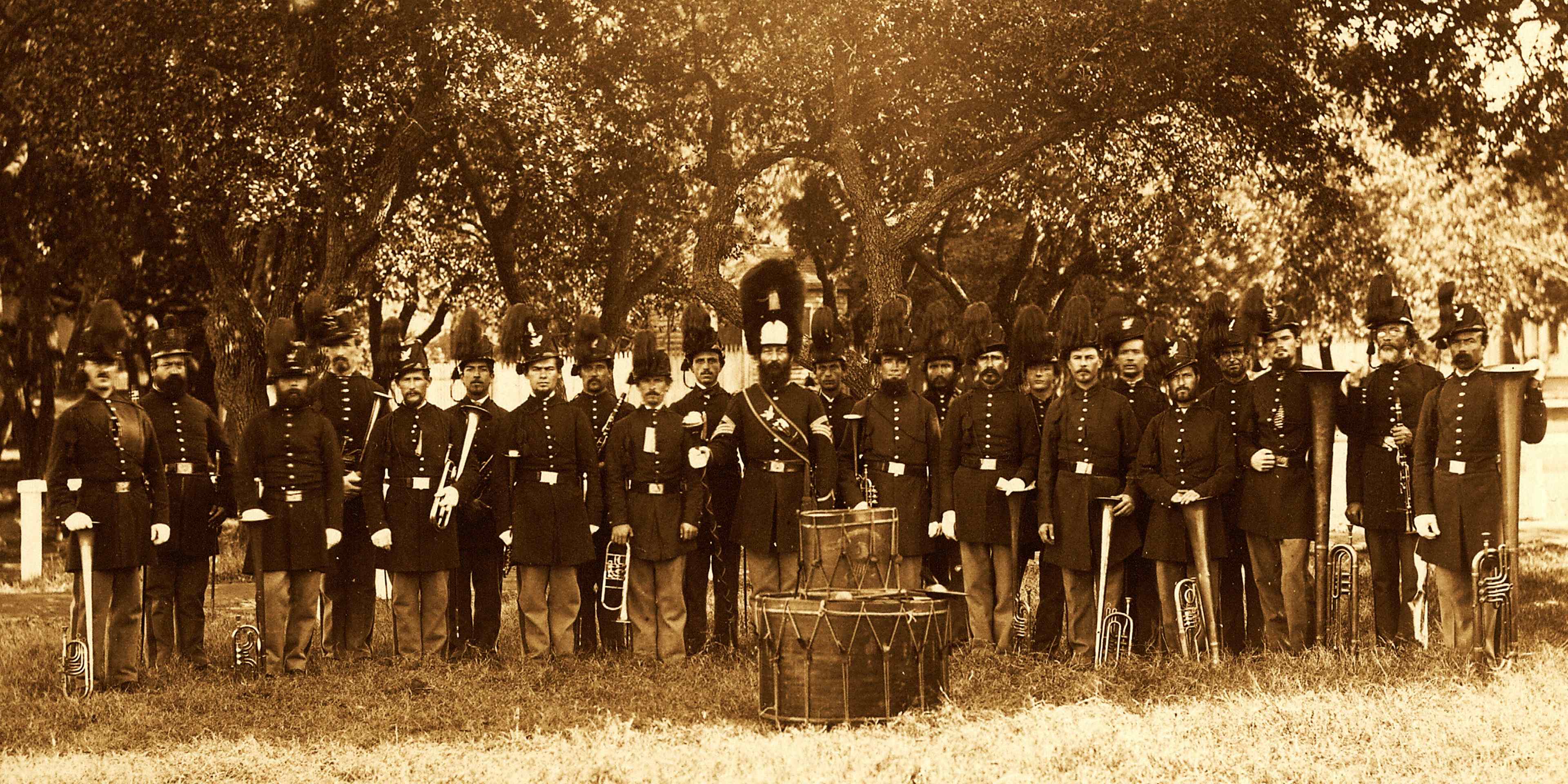
To grasp the emergence of “Dixie,” one must look at the decades leading up to the Civil War, a period characterized by sharp regional polarization. Economically, the North was rapidly industrializing, while the South remained an agrarian society heavily reliant on the horrific institution of chattel slavery. These socio-cultural differences deep-seated in regional economics eventually challenged how the Founding Fathers divided power between states and federal governments, leading to a fierce defense of “states’ rights” and regional identity among Southern elites. Amidst this rising sectionalism, the term “Dixie” evolved from obscure slang into a powerful cultural identifier, popularized by minstrel shows that traveled the country, spreading idealized, highly distorted portrayals of plantation life.
The Three Competing Theories of Origin
Historians generally point to three distinct theories to explain how the word “Dixie” came to define the Southern states. While some are more historically grounded than others, each offers a unique window into early American life.
Theory 1: The Mason-Dixon Line
The most straightforward and widely accepted explanation connects the term to the famous Mason-Dixon Line. Drawn between 1763 and 1767 by English astronomers Charles Mason and Jeremiah Dixon, this boundary was originally established to settle a violent border dispute between the colonies of Pennsylvania and Maryland. Originally commissioned to resolve a border dispute, this line would define regional cartography and reshape our understanding of the 13 colonies. Over time, as the moral and political gulf between the North and South widened, the Mason-Dixon Line evolved into the unofficial dividing line between free states and slave states. Consequently, the land south of Jeremiah Dixon’s line became colloquially referred to as “Dixon’s Land,” which was easily shortened over decades of oral tradition into “Dixieland” and eventually “Dixie.”
Theory 2: The Louisiana Ten-Dollar Note (“Dix”)
Another compelling theory takes us to the vibrant, multicultural port of New Orleans, Louisiana. In the early 19th century, New Orleans was a bustling economic hub where French and English cultures continuously mingled. Prior to the establishment of a standardized federal currency, the Citizens’ Bank of Louisiana issued its own ten-dollar bank notes. Because of the city’s large French-speaking Creole population, these notes featured the French word for ten, “dix,” printed prominently on the reverse side. Northern merchants and travelers along the Mississippi River began referring to these popular, reliable bills as “Dixies.” Soon after, Louisiana, and eventually the broader cotton-producing South, became known as the land of the “Dixies,” morphing into the geographical shorthand we know today.
Theory 3: The Myth of the Manhattan Plantation
The third, and now largely debunked, explanation involves a wealthy Manhattan landowner named Dix (or Dixy). According to 19th-century folklore, Mr. Dix ran a large farm in New York and was known for treating his enslaved laborers with unusual kindness. When some of these enslaved individuals were sold to Southern plantations, they allegedly looked back on their time in New York with longing, wishing they were back in “Dixy’s Land.” While this paternalistic myth circulated in newspapers during the 1860s, contemporary historians dismiss it as an idealized pro-slavery narrative designed to paint northern slavery as benign and Southern bondage as a place where enslaved people constantly longed for past masters.
Daniel Decatur Emmett and the Song That Defined an Era
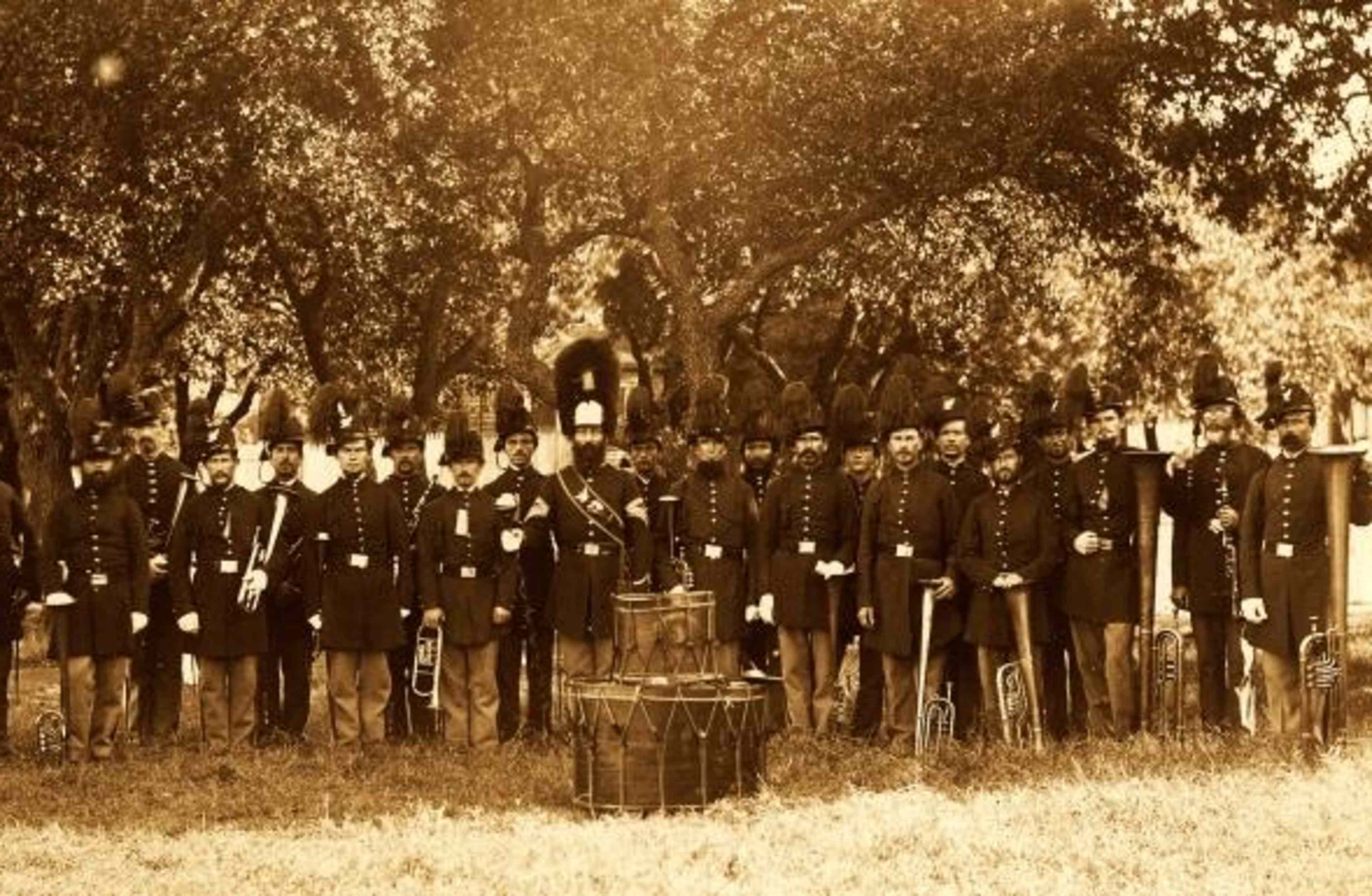
While the word itself existed prior to the mid-19th century, it was a single musical composition that launched “Dixie” into the global consciousness. In 1859, a Northern-born musician and blackface minstrel performer named Daniel Decatur Emmett composed the song “Dixie” (originally titled “I Wish I Was in Dixie’s Land”) for Bryant’s Minstrels in New York City. The song, written from the perspective of an enslaved person longing for the plantation South, became an overnight sensation.
Ironically, the song was written by an Ohioan while shivering through a cold New York winter, yet its catchy, upbeat rhythm resonated deeply with audiences nationwide. This irony highlights the complex national identity of the region; while the South spearheaded secession, historic efforts like how the South helped win the American Revolution proved that Southern identity was once inextricably tied to the birth of the United States. Even President Abraham Lincoln was a massive fan of Emmett’s ditty, famously calling it “one of the best tunes I have ever heard.”
When the Civil War erupted in 1861, Confederate forces quickly adopted Emmett’s song as their de facto national anthem. Jefferson Davis, the President of the Confederacy, even had it played at his inauguration in Montgomery, Alabama. This wartime adoption forever cemented the term “Dixie” as a political and cultural synonym for the seceding Southern states.
Chronological Timeline of Dixie’s History
- 1767: English surveyors Charles Mason and Jeremiah Dixon complete their boundary survey, establishing the Mason-Dixon Line.
- 1830s-1850s: The Citizens’ Bank of Louisiana issues ten-dollar notes bearing the French word “dix,” popularizing the slang term “Dixies” along Southern waterways.
- 1859: Ohio-born composer Daniel Decatur Emmett writes and performs “Dixie” in New York City, igniting a national musical craze.
- 1861: The Confederate States of America adopt the song “Dixie” as their unofficial national anthem at the onset of the Civil War.
- April 10, 1865: Following the Confederate surrender at Appomattox, President Abraham Lincoln requests a Union military band to play “Dixie” at the White House, claiming the song was now “fair prize” of the Union.
- 2020: Prominent Southern-themed musical groups and brands, such as the country band “The Dixie Chicks” (now “The Chicks”), drop “Dixie” from their names to distance themselves from Confederate connotations.
Key Historical Figures and Their Roles
Jeremiah Dixon (1733–1779)
An English surveyor and astronomer whose surname unknowingly became the primary candidate for the linguistic origin of the American South. His precision in mapping colonial borders inadvertently drew the line that would geographically polarize America.
Daniel Decatur Emmett (1815–1904)
An Ohio native and minstrel performer who wrote the song “Dixie.” Emmett was reportedly dismayed that his lighthearted stage tune was co-opted by secessionists as a battle cry, as he was a staunch supporter of the Union.
Abraham Lincoln (1809–1865)
The 16th President of the United States who recognized the unifying power of music. By reclaiming “Dixie” for the Union at the close of the war, Lincoln attempted to use the song as a tool for national reconciliation and healing.
Lesser-Known Facts About Dixie
- A Northern Lament: The song “Dixie” was actually composed in the North by a Northerner. Emmett reportedly conceived the lyrics on a cold, rainy Sunday in New York City, muttering, “I wish I was in Dixie,” simply meaning he wished he was out of the freezing northern weather.
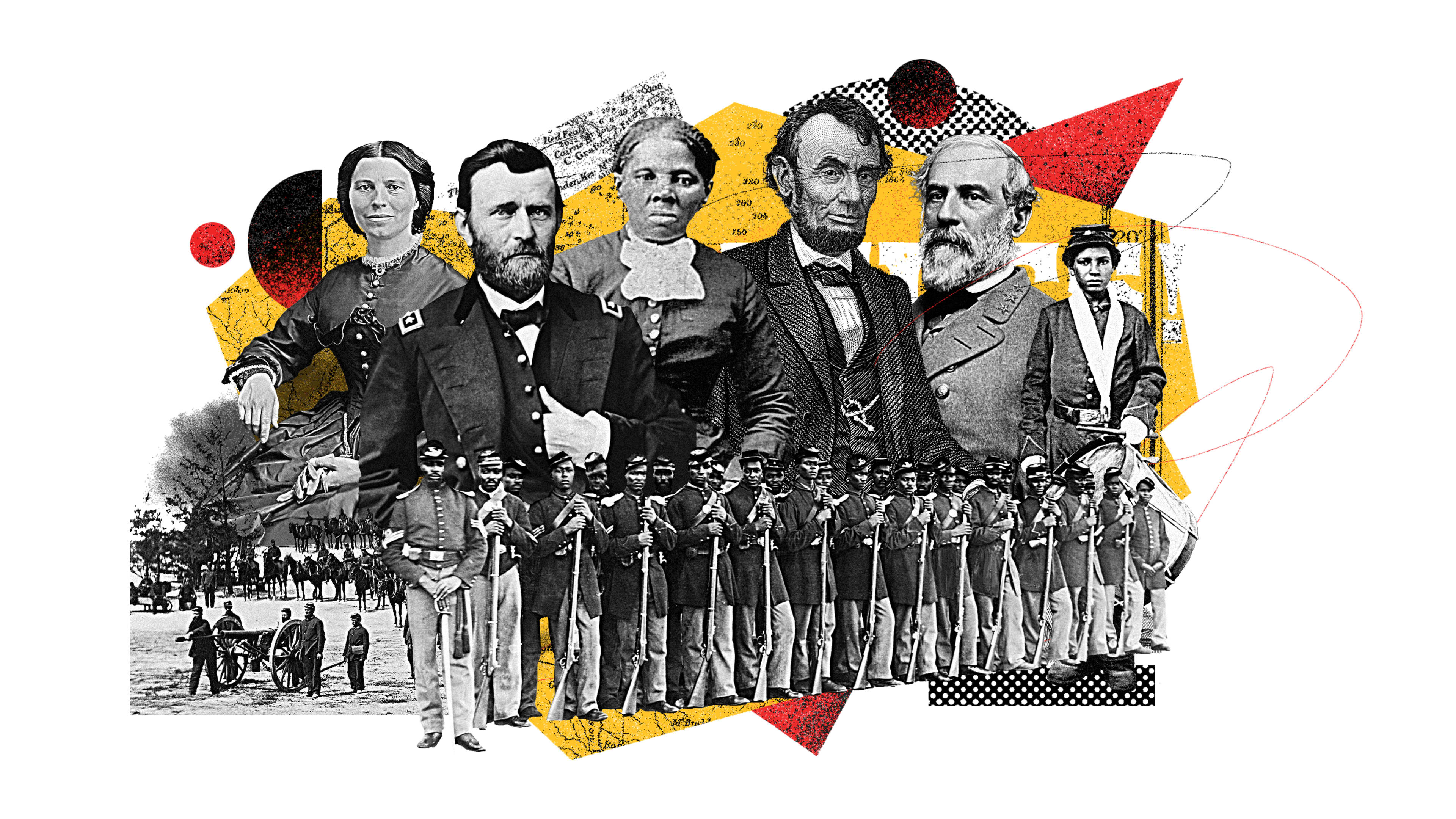
- Lincoln’s Clemenza: On the day after Robert E. Lee’s surrender in 1865, a large crowd gathered outside the White House. Rather than delivering a triumphant speech of conquest, Lincoln asked the band to play “Dixie,” stating that the Attorney General had assured him the song now belonged to the United States as captured war contraband.
- The French Connection: If the Louisiana banknote theory is correct, the nickname of the American South is fundamentally rooted in the French language, reflecting the deep colonial roots of French Louisiana before the 1803 Louisiana Purchase.
Why Dixie Matters Today
Today, the term “Dixie” is no longer viewed as a simple, nostalgic geographical shorthand. Instead, it sits at the heart of America’s ongoing reckoning with its historical memory. To many, “Dixie” represents a cherished regional heritage, Southern hospitality, and a distinct cultural identity. To many others, however, the term is inextricably linked to the pain of slavery, the oppression of Jim Crow, and the violent defense of white supremacy represented by the Confederacy. This modern tension has prompted universities, corporations, and musical artists to phase out the term in an effort to foster inclusivity. Understanding the history of Dixie allows us to appreciate how language, music, and geography can merge to shape national identity, reflecting both the triumphs and the deep scars of the American story.
People Also Ask
Is Dixie a real geographical place?
No, Dixie is not an official geographical territory or administrative division. It is a cultural and informal nickname traditionally used to refer to the southern states of the United States, particularly those that formed the Confederate States of America during the Civil War.
Why did the country band Dixie Chicks change their name?
In June 2020, the band officially changed their name to “The Chicks.” They made the decision to drop the word “Dixie” due to its historical associations with the Confederate era and the institution of slavery, stating they wanted to align themselves with contemporary social justice movements.
What is the relationship between Dixie and the Mason-Dixon Line?
Many historians believe “Dixie” is a direct linguistic derivative of the Mason-Dixon Line, specifically named after English surveyor Jeremiah Dixon. Because the line served as the boundary between free states and slave states, the land to the south naturally became known as “Dixon’s Land,” which eventually evolved into “Dixie.”
Conclusion
Ultimately, the story of “Dixie” is a microcosm of the American experience itself—complex, contradictory, and deeply emotional. Whether its true origin lies in the rigorous surveys of Jeremiah Dixon, the bilingual commerce of antebellum New Orleans, or the catchy hum of a Northern minstrel performer, “Dixie” remains one of the most powerful regional signifiers in the world. By examining its origins and its evolution, we gain a deeper appreciation of how cultural symbols are born, how they are weaponized in times of conflict, and how they continue to challenge our collective memory in the modern era.


