The American Civil War was not a sudden explosion, but rather the tragic culmination of decades of systemic friction, political compromises, and moral reckoning. At the heart of this national division lay deeply polarized views on slavery, states’ rights, and federal authority. To understand how the United States—a nation founded on the ideals of liberty—fractured into a bloody brother-against-brother conflict, one must trace the timeline of key structural breakdowns. The road to secession was paved with bitter legislative battles, sensationalist literature, Supreme Court rulings that stripped human beings of their basic dignity, and outbreaks of localized violence. By dissecting these foundational moments, we gain a profound perspective on how regional tensions transformed into an all-out war for the soul of the country. This exploration of the events leading up to the war is critical to understanding the modern socio-political landscape of the United States.
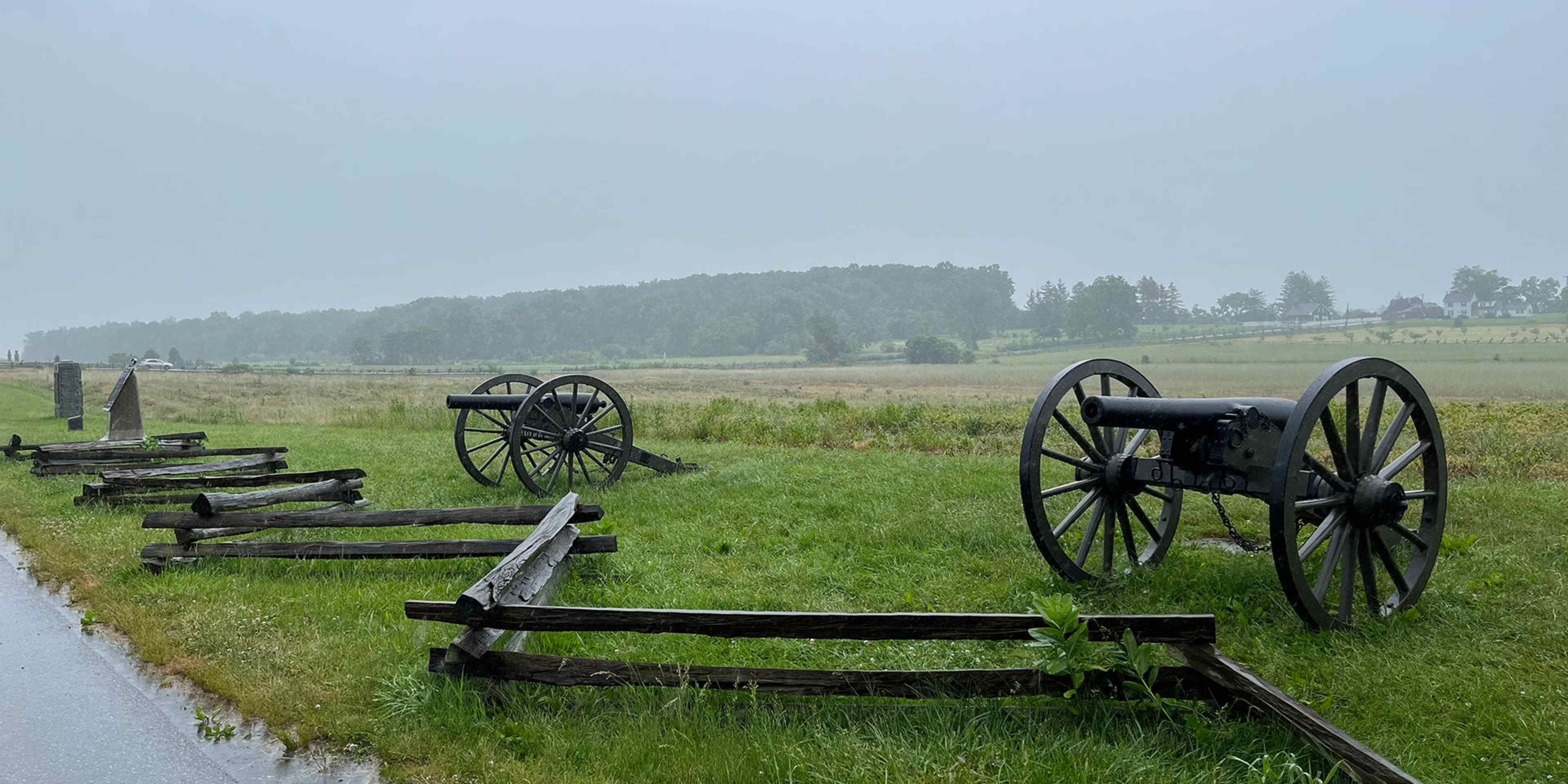
Historical Background: A Nation Divided from the Start
In the mid-19th century, the United States was a house divided by two vastly different economic and social systems. The Northern economy was rapidly industrializing, fueled by manufacturing, technological commerce, and free labor. Meanwhile, the Southern economy remained stubbornly agrarian, deeply reliant on cotton production driven by the brutal and exploitative system of chattel slavery. This fundamental division was exacerbated by rapid westward expansion following the Mexican-American War. As new territories petitioned for statehood, the delicate balance of political power in the Senate hung by a thread. The core question was clear: Would the new Western lands be free or slave territory? This systemic crisis was not new; it had plagued the nation since its founding, echoing the tragic reality that many who fought for freedom in the Revolution found their families sold into slavery in subsequent decades.
The 9 Critical Events That Paved the Road to War
1. The Compromise of 1850
Following the Mexican-American War, tensions erupted over whether the vast western land gained by the United States should permit slavery. The situation reached a boiling point in 1849 when California sought admission to the Union as a free state, threatening to upset the balance between free and slave states established by the Missouri Compromise of 1820. Whig Senator Henry Clay of Kentucky proposed a complex package of bills to resolve the disputes. After months of deadlocked debate, Senator Stephen A. Douglas, a Democrat from Illinois, successfully ushered the compromise through Congress by breaking it into individual bills. California was admitted as a free state, and Utah and New Mexico were organized as territories under the principle of popular sovereignty, allowing settlers to decide the slavery issue for themselves.
2. The Fugitive Slave Act of 1850
As part of the Compromise of 1850, the federal government enacted a draconian new Fugitive Slave Act. While a 1793 law already permitted the capture of escaped slaves, the new act forced ordinary citizens to assist in their recovery under penalty of imprisonment or heavy fines. Captured individuals were denied a jury trial, and federal commissioners were paid more if they ruled a captive was an escaped slave rather than a free person. This law deeply radicalized the North, turning passive citizens into active opponents of slavery. The massive protests in Boston over the arrest of Anthony Burns in 1854 highlighted the growing fury of Northern abolitionists who refused to cooperate with what they viewed as a state-sponsored kidnapping ring.
3. The Publication of Uncle Tom’s Cabin (1852)
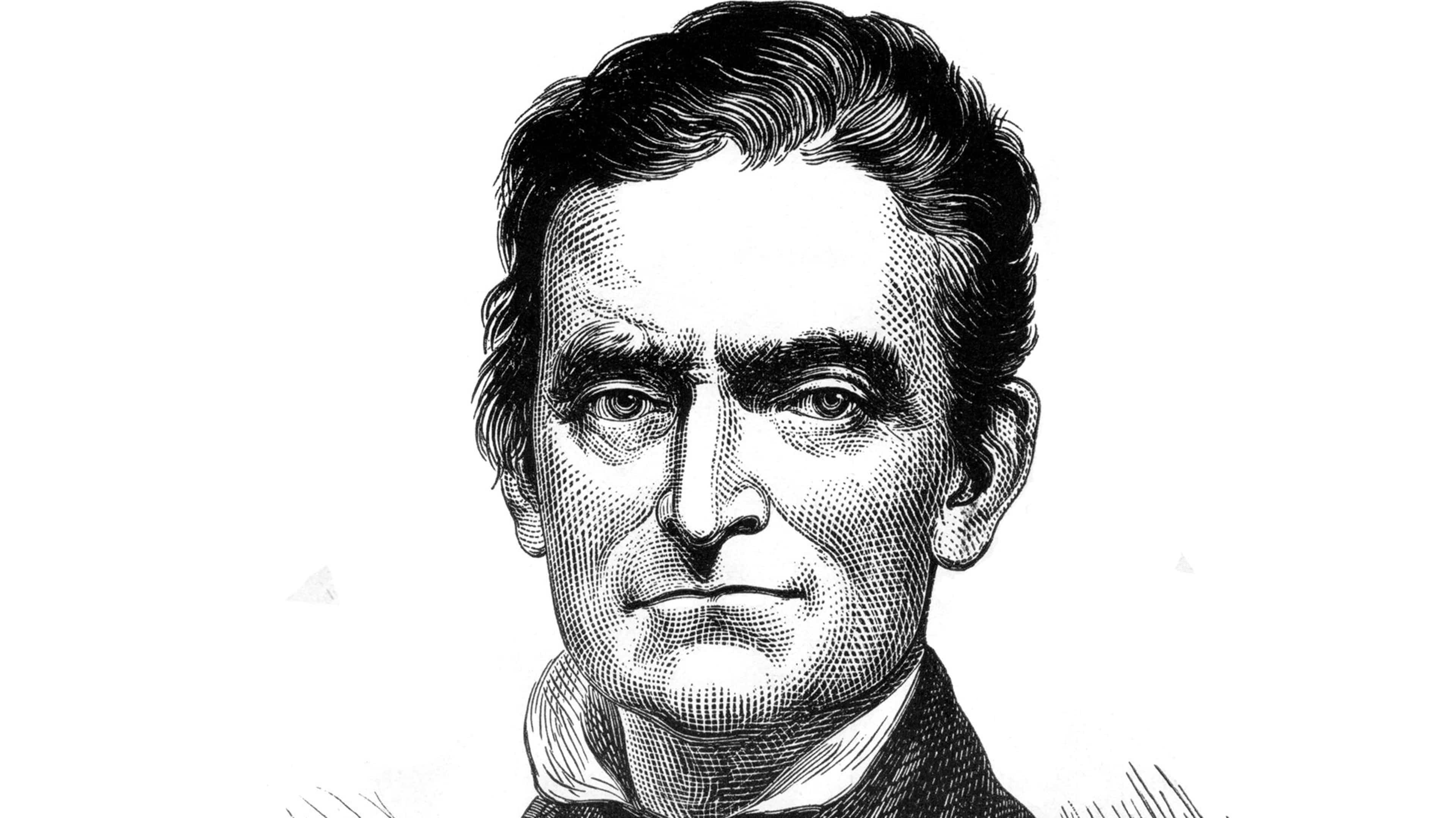
In 1852, author Harriet Beecher Stowe published Uncle Tom’s Cabin; or, Life Among the Lowly. Inspired by her profound grief over losing her infant son and fueled by her outrage at the Fugitive Slave Act, Stowe painted a devastating portrait of the cruelty and moral degradation of slavery. The novel became an unprecedented blockbuster, selling over 300,000 copies in its first year. It humanized the horrors of slavery for millions of Northerners, while provoking a furious and defensive backlash in the South. When Stowe met President Abraham Lincoln in 1862, he famously remarked, “So this is the little lady who made this big war?”
4. The Kansas-Nebraska Act (1854)
Senator Stephen A. Douglas introduced the Kansas-Nebraska Act in 1854, intending to organize the vast Nebraska territory to facilitate a transcontinental railroad route through Chicago. To gain Southern support, Douglas proposed that the territories of Kansas and Nebraska determine the legality of slavery through popular sovereignty. This act effectively repealed the Missouri Compromise of 1820, which had prohibited slavery in that region for over three decades. Northern opponents were outraged, viewing the act as a capitulation to “Slave Power,” while the nation’s political landscape fractured, leading to the birth of the anti-slavery Republican Party.
5. Bleeding Kansas (1855–1859)
The passage of the Kansas-Nebraska Act triggered a violent race to populate the territory. Anti-slavery “Free-Staters” and pro-slavery “Border Ruffians” from Missouri flooded into Kansas, establishing rival governments and clashing in brutal guerrilla warfare. The territory earned the grim moniker “Bleeding Kansas” as armed mobs sacked towns, burned printing presses, and engaged in deadly ambushes. This localized civil war demonstrated that the issue of slavery could no longer be resolved through peaceful democratic processes.
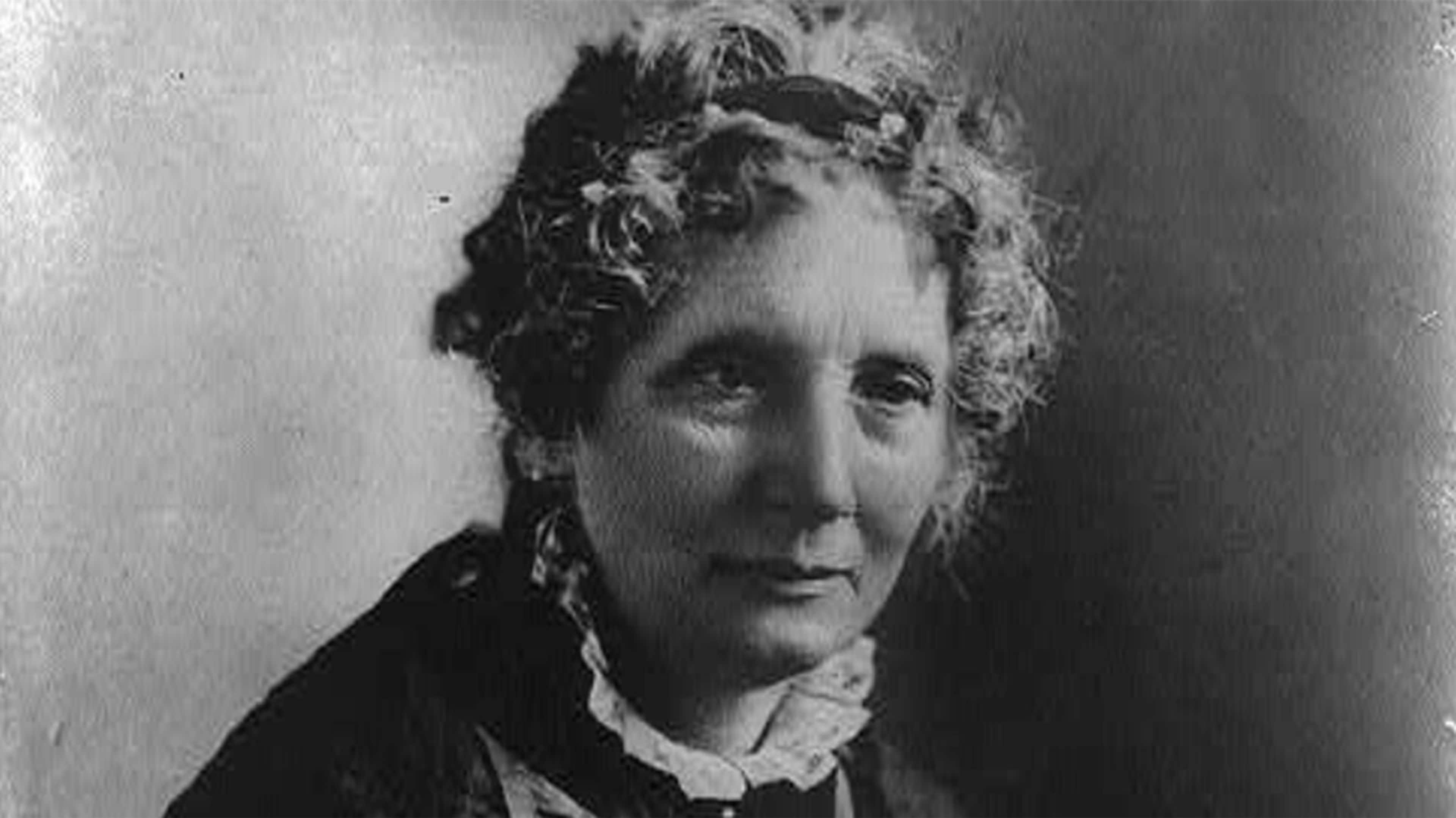
6. The Pottawatomie Creek Massacre (1856)
Amid the violence in Kansas, a radical abolitionist named John Brown emerged. Driven by a fiery religious zeal, Brown believed he was an instrument of God’s wrath against the institution of slavery. In May 1856, in retaliation for the sacking of the free-state town of Lawrence, Brown, along with several of his sons and followers, launched a night raid on Pottawatomie Creek. They dragged five pro-slavery settlers from their homes and brutally executed them with broadswords. This horrific act escalated the cycle of violence in Kansas and deeply polarized public opinion nationwide.
7. The Dred Scott Decision (1857)
In 1857, the U.S. Supreme Court delivered one of the most infamous rulings in American legal history. Dred Scott, an enslaved man, had sued for his freedom after living with his owner in free states and territories. Chief Justice Roger Taney, writing for the majority, declared that Black Americans—whether enslaved or free—were not citizens and therefore had no right to sue in federal court. Furthermore, Taney ruled that the Missouri Compromise was unconstitutional because Congress had no authority to ban slavery in the territories. The decision shocked Northerners, signaling that slavery could legally expand into any corner of the United States.
8. John Brown’s Raid on Harpers Ferry (1859)
Hoping to spark a massive slave uprising across the South, John Brown and a band of 22 men attacked the federal arsenal at Harpers Ferry, Virginia, in October 1859. The raid quickly failed when U.S. Marines, commanded by Colonel Robert E. Lee, stormed the engine house and captured Brown. Tried for treason and murder, Brown was executed in December 1859. While Southerners viewed Brown as a bloodthirsty terrorist and feared further Northern-financed insurrections, many Northern abolitionists eulogized him as a heroic martyr. This event made any future compromise between the regions virtually impossible.
9. The Election of Abraham Lincoln (1860)
The presidential election of 1860 was the final breaking point. The Democratic Party split along regional lines, allowing the Republican candidate, Abraham Lincoln, to sweep the Northern states and win the presidency with only 40 percent of the popular vote. For the South, the election of an outspoken opponent of slavery’s expansion was intolerable. Believing their economic and social existence was under immediate threat, South Carolina seceded from the Union in December 1860, followed rapidly by six more Southern states. Together, they formed the Confederate States of America, setting the stage for the attack on Fort Sumter in April 1861 and the outbreak of the American Civil War.
Key Figures and Their Indelible Impact
- Abraham Lincoln: His election catalyzed secession, yet his unyielding resolve ultimately preserved the Union and led to the abolition of slavery.
- John Brown: A radical figure whose violent methods polarized the nation, forcing both sides to realize that the conflict over slavery could only be settled with blood.
- Harriet Beecher Stowe: Through her literature, she shifted public consciousness, transforming the abstract political debate of slavery into an urgent moral crisis.
- Dred Scott: His courageous fight for freedom unintentionally exposed the absolute moral bankruptcy of the nation’s highest legal institution.
Long-Term Impact on the American Republic
The Civil War fundamentally reshaped the constitutional and social fabric of the United States. It resulted in the destruction of the plantation economy and the emancipation of four million enslaved individuals. The passage of the Reconstruction Amendments—the Thirteenth, Fourteenth, and Fifteenth—abolished slavery, established birthright citizenship, and guaranteed equal protection under the law. Furthermore, the war permanently cemented the supremacy of the federal government over individual states’ rights. The preservation of the Union was made possible by the incredible sacrifice of hundreds of thousands of soldiers, including brave Black heroes throughout US military history who fought courageously for their collective freedom and the future of the nation.
Lesser-Known Facts of the Civil War Era
- Asian Soldiers in the Ranks: Despite their small demographic footprint in 19th-century America, dozens of Chinese and other Asian immigrants enlisted and fought bravely on both Union and Confederate battlefields.
- The Delayed News of Freedom: Enslaved people in Galveston, Texas, did not learn of their freedom under the Emancipation Proclamation until June 19, 1865—more than two years after it was signed. This historic day is celebrated today as Juneteenth.
- The War Continued After Appomattox: While Robert E. Lee’s surrender in April 1865 marked the symbolic end of the war, Confederate forces continued to fight in North Carolina, Alabama, and even the Bering Sea for weeks afterward, reflecting the deep polarization and resistance that also characterized various US anti-war movements throughout the country’s turbulent military history.
Why the Road to the Civil War Still Matters Today
Understanding the events that led to the American Civil War is not merely an academic exercise; it is essential to understanding contemporary America. The debates over federal authority versus states’ rights, the struggle for racial equality, and the legacy of systemic oppression continue to influence modern political discourse. By examining how political compromises repeatedly failed to address the core moral issue of slavery, we are reminded of the fragility of democracy and the constant need to actively defend civil liberties, justice, and human rights for all citizens.
People Also Ask
What was the primary cause of the American Civil War?
While economic differences and debates over states’ rights played significant roles, the primary, underlying cause of the Civil War was the institution of slavery. The expansion of slavery into new Western territories created irreconcilable political and moral divisions between the North and South.
How did the Fugitive Slave Act of 1850 affect the North?
The Fugitive Slave Act deeply angered Northerners because it compelled them to assist in the capture of runaway slaves and denied accused fugitives the right to a jury trial. This federal overreach radicalized many neutral citizens, turning them into active supporters of the abolitionist movement.
Why was Abraham Lincoln’s election the breaking point for the South?
Southern states viewed Lincoln as an existential threat to their economy and way of life. Even though Lincoln promised not to interfere with slavery where it already existed, his opposition to its expansion convinced Southern leaders that the federal government would eventually dismantle the institution, prompting them to secede.
Conclusion
The path to the American Civil War was defined by a series of critical failures, compromises, and violent escalations that proved the nation could not remain half-slave and half-free. From the legislative debates of 1850 to the dramatic election of 1860, each historical milestone brought the nation closer to a definitive confrontation. Ultimately, this devastating conflict shattered the old order, giving birth to a modernized, redefined nation that continues to strive toward its founding promise of liberty and justice for all.


2 comments