The devastating toll of the American Civil War is often measured in battlefields, casualties, and the monumental struggle to preserve the Union. However, in the shadow of this grand conflict, a quieter and deeply destructive tragedy was unfolding within the walls of military hospitals. To combat the horrific trauma of battlefield wounds and rampant infectious diseases, 19th-century doctors turned to a powerful, newly mainstream medical marvel: opium and its highly potent derivative, morphine. While these substances provided immediate, life-saving relief on the front lines, their unchecked and widespread administration ultimately backfired. This reliance on narcotics laid the groundwork for a massive, post-war wave of dependency, establishing America’s first opioid crisis [1]. For thousands of returning veterans, the war did not end at Appomattox; instead, it marked the beginning of a lifelong struggle with addiction. Understanding how Civil War medicine inadvertently catalyzed this public health crisis provides a crucial, historically rich lens through which we can understand both the limits of 19th-century science and the origins of modern pharmaceutical dependencies.
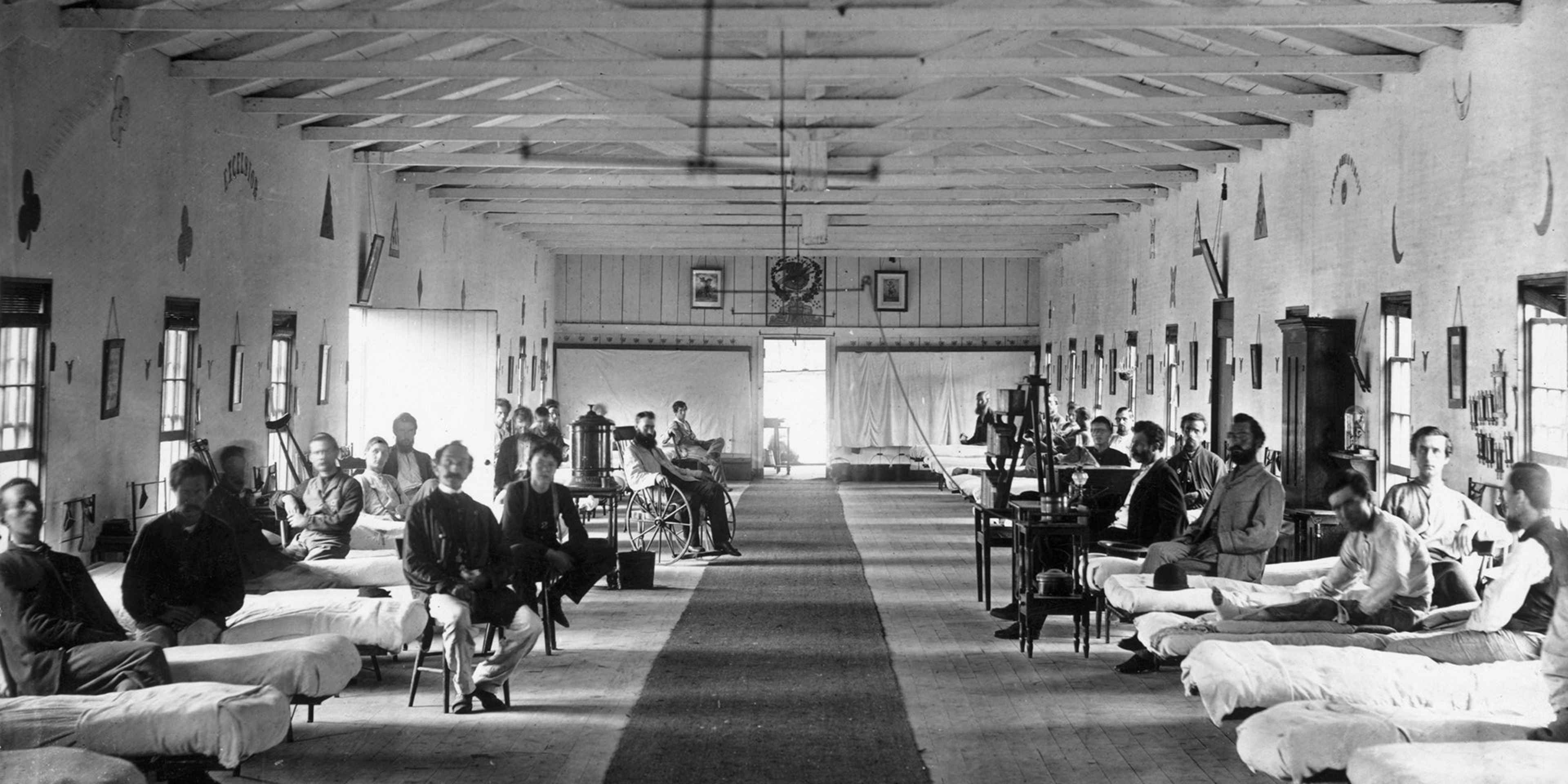
The Grim Reality of Civil War Medicine
In the early 1860s, American medicine was on the cusp of transition but still painfully primitive. Antiseptic techniques were virtually non-existent, and the germ theory of disease had not yet been widely accepted. As a result, battlefield injuries quickly became breeding grounds for infection, and surgeons routinely had to perform rapid amputations to save lives. To manage the excruciating pain of these operations, medical departments on both sides of the conflict relied heavily on anesthetics and analgesics.
Before the outbreak of the war, physicians routinely prescribed raw opium pills and laudanum—a highly addictive liquid mixture of opium and alcohol [1]. These drugs were cheap, readily available, and sold over the counter without a prescription [1]. When the Civil War began in 1861, securing a stable supply of these narcotics became a top priority for military planners. In fact, a Confederate medical manual famously declared that “Opium is the one indispensable drug on the battlefield—important to the surgeon, as gunpowder to the ordnance” [1]. Without a steady supply of opiates, military hospitals would have descended into unimaginable chaos.
The Catalyst: The Hypodermic Syringe and Morphine
While oral opium had been a staple of medical cabinets for decades, the Civil War introduced a technological catalyst that accelerated addiction rates exponentially: the hypodermic syringe [1]. Patented in the mid-19th century, this relatively new device allowed doctors to inject morphine—a highly concentrated derivative of opium—directly into a patient’s bloodstream [1].
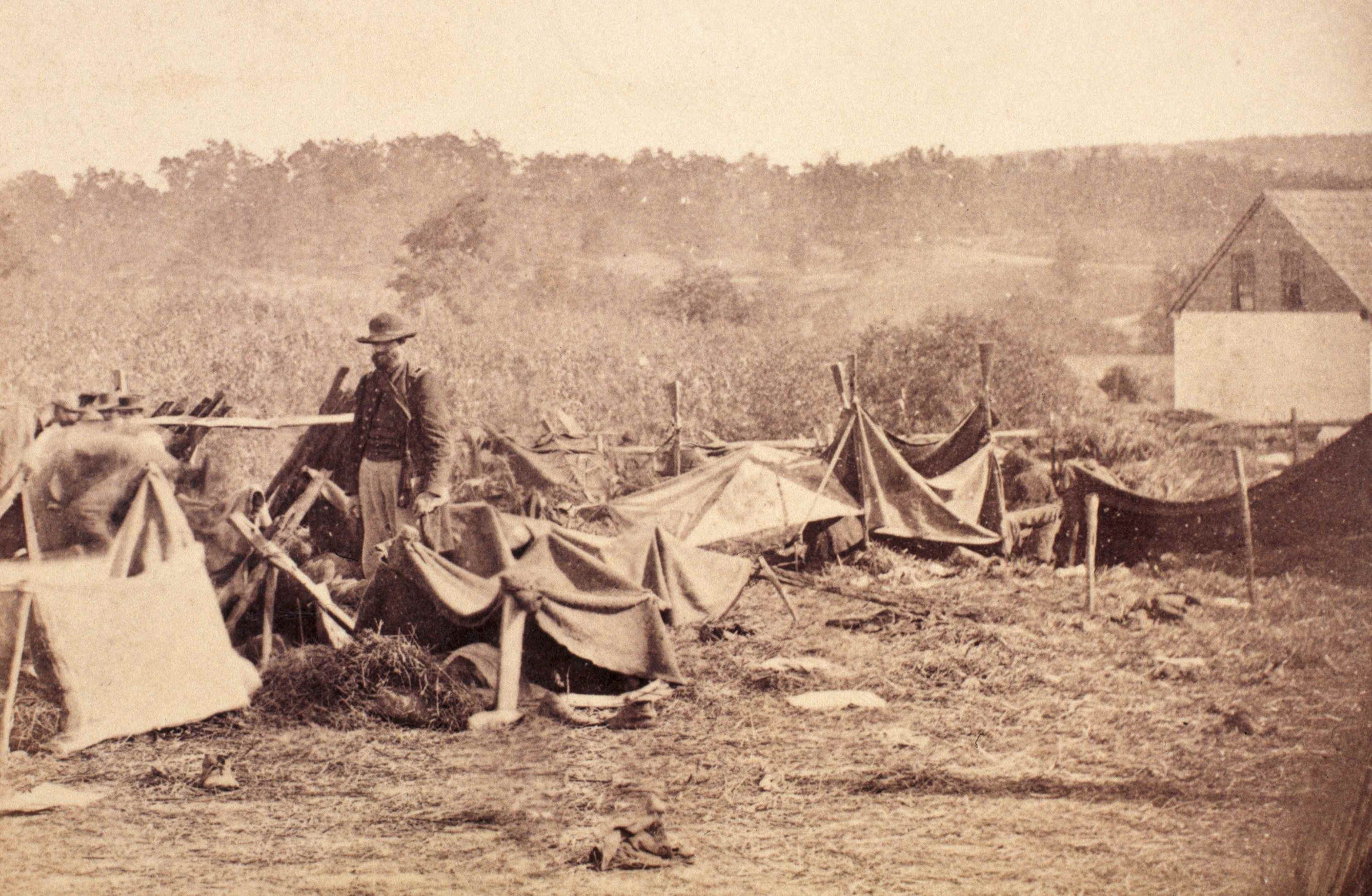
For overworked army doctors, the hypodermic syringe was viewed as an absolute godsend. As historian Jonathan S. Jones notes, the device provided instantaneous pain relief on a scale never before seen [1]. Instead of waiting for an opium pill to slowly dissolve in a soldier’s stomach, a doctor could inject morphine directly on the field or in makeshift field hospitals, such as those managed by Union physician Anson Hurd after the bloody Battle of Antietam [1]. However, this rapid delivery system carried a hidden danger: it was vastly more addictive than oral ingestion [1]. The sudden, intense rush of morphine directly to the brain created a powerful physiological dependency far more quickly than traditional laudanum ever could.
Treating Infectious Diseases on the Front Lines
It was not just battlefield wounds that drove the demand for opioids. Wartime camps were notorious breeding grounds for dysentery, malaria, typhoid, and other devastating outbreaks of infectious disease, forcing doctors to rely heavily on narcotics to control symptoms. Chronic diarrhea was particularly rampant and deadly. Because opioids naturally slow down the digestive system, they were used as the primary treatment to stop debilitating bowel movements [1]. Millions of doses were administered for this purpose alone.
Furthermore, the crushing physical and emotional stress of wartime medicine led many doctors to self-medicate [1]. Surrounded by death, severe trauma, and endless shifts, surgeons routinely took morphine to cope with exhaustion and to treat their own chronic digestive illnesses [1]. A Union surgeon named J.M. Richards later recalled that when he contracted chronic diarrhea during his service, he “at last resorted to frequent doses of morphine as the only certain means of controlling the difficulty,” unknowingly setting himself on a path toward lifelong dependency [1].
Timeline of America’s First Opioid Crisis
- 1850s: The hypodermic syringe is introduced to American medical practice, though it remains relatively uncommon in private clinics [1].
- 1861: The American Civil War begins. Both Union and Confederate medical departments stock massive quantities of opium, laudanum, and morphine [1].
- 1862: The Battle of Antietam and other massive engagements result in unprecedented casualties, prompting widespread use of injectable morphine in field hospitals [1].
- 1865: The war ends, and hundreds of thousands of wounded, traumatized, and sick soldiers return home, carrying their morphine and opium habits with them [1].
- 1870s: The hypodermic syringe becomes a standard tool for virtually every American physician, greatly expanding the general public’s exposure to injectable morphine [1].
- 1880s: Opioid addiction reaches epidemic proportions across the United States, shifting from a veteran-specific issue to a broad public health crisis [1].
- 1895: Aging Union veteran Charles L. Williams applies to a soldiers’ home, stating he is “totally unable to earn a living” due to an opium habit contracted during the war, reflecting the tragic long-term legacy of wartime medicine [1].
Key Historical Figures
Jonathan S. Jones
A prominent history professor at the Virginia Military Institute, Dr. Jonathan S. Jones is a leading scholar on the intersection of the Civil War and public health [1]. His research, including his work Opium Slavery: The Civil War Veterans and America’s First Opioid Crisis, has shed crucial light on how military medical practices laid the foundation for decades of civilian addiction [1].
Dr. Thomas Davison Crothers
An early pioneer in the study of inebriety and addiction, Dr. Crothers was one of the first American physicians to treat drug dependency as a legitimate medical disease rather than a moral failure [1]. In the late 19th century, he documented numerous case studies of Civil War veterans who had spent decades struggling with opium habits originating from wartime treatments [1].
Charles L. Williams
A Union veteran whose historical pension and asylum records provide a poignant, personal window into the crisis [1]. His 1895 application to a soldiers’ home serves as vital historical evidence of how wartime medical treatment ruined lives long after the guns fell silent [1].
Racial Disparities in Civil War Medicine
The courage and struggles of Black heroes throughout US military history are well-documented, yet their post-war healthcare was severely neglected. Interestingly, historical data indicates that Black veterans did not develop opioid addictions at the same high rates as their white counterparts [1]. This difference was not due to any biological immunity, but rather the result of systemic medical racism.
Black soldiers were routinely denied the high-quality, attentive care provided to white soldiers [1]. White doctors, operating under deep-seated racial prejudices, rarely prescribed premium medications—such as injectable morphine—to Black troops [1]. Instead, Black soldiers were often left to heal without adequate pain management or were treated with cheaper, less effective remedies. Paradoxically, this cruel denial of proper medical care shielded most Black veterans from the devastating cycle of addiction that engulfed white veterans, who later referred to their dependency as “opium slavery” without a hint of irony [1].
The Long-Term Impact: From Battlefield to Mail-Order
As veterans returned to civilian life in the 1870s and 1880s, their demand for opioids did not diminish [1]. Seeing a highly lucrative market, pharmaceutical companies and retail businesses began catering directly to this addicted demographic. By the late 19th century, obtaining syringes and highly concentrated narcotics required no medical prescription whatsoever.
With the postal system expanding and delivering parcels across the nation, acquiring morphine became as simple as ordering from a retail catalog. Household names like Sears, Roebuck & Co. proudly advertised hypodermic kits, morphine, and eventually even heroin directly to consumers [1]. This extreme commercial availability transformed a localized veteran crisis into a full-scale national epidemic that crossed socio-economic boundaries, affecting housewives, businessmen, and laborers alike [1]. The widespread, devastating impact forced the medical community to slowly rethink its approach to pain management and addiction [1].
Lesser-Known Facts About America’s First Opioid Crisis
- The Sears Mail-Order Kits: Long before modern pharmaceutical regulations, Americans could order fully functioning hypodermic syringes complete with carrying cases and vials of morphine directly through the mail from the Sears, Roebuck & Co. catalog [1].
- Unintentional ‘Slavery’ Metaphor: White Union and Confederate veterans frequently used the term “opium slavery” to describe their biochemical bondage [1]. They did so with immense self-pity, seemingly blind to the profound irony of using that specific terminology immediately following a war fought to abolish actual chattel slavery.
- Widespread Pediatric Addiction: The mainstream acceptance of opioids led to the creation of soothing syrups for infants, such as Mrs. Winslow’s Soothing Syrup, which contained high amounts of morphine. This resulted in the accidental addiction, and sometimes death, of countless young children during the late 19th century.
Why This History Matters Today
The parallels between America’s first opioid crisis and the modern synthetic opioid epidemic of the late 20th and early 21st centuries are striking. In both eras, a revolutionary new pain-management technology—the hypodermic syringe in the 1860s and highly marketed synthetic opioids like OxyContin in the 1990s—was introduced to the public with assurances of safety and efficiency. In both instances, widespread commercialization and over-prescription by well-meaning but under-informed doctors led to devastating public health catastrophes.

By looking back at the lessons of the Civil War, we can see that addiction is not a modern anomaly, but rather a recurring historical pattern driven by the intersection of medical breakthroughs, commercial greed, and inadequate regulatory oversight. Recognizing this history is essential for crafting compassionate, effective public health policies today.
People Also Ask (FAQ)
Did Civil War soldiers get addicted to morphine?
Yes, many Civil War soldiers developed severe addictions to morphine and opium [1]. Due to the heavy reliance on these drugs to treat painful battlefield wounds and chronic dysentery, thousands of veterans returned home with deep physical dependencies, fueling the nation’s first major opioid epidemic [1].
What did Civil War doctors use for pain?
Civil War doctors primarily used chloroform and ether as surgical anesthetics, and relied on opium pills, liquid laudanum (opium mixed with alcohol), and injectable morphine to manage post-operative and chronic pain [1].
Why were Black veterans less affected by the post-Civil War opioid crisis?
Black veterans were largely spared from the opioid crisis due to systemic discrimination in medical care [1]. White military doctors routinely withheld high-quality treatments and premium pain relievers, like injectable morphine, from Black soldiers, inadvertently preventing them from developing addictions [1].
Conclusion
The American Civil War was an era of profound national trauma, but its scars extended far beyond the physical battlefields. The well-intentioned advancements of Civil War medicine—particularly the widespread use of the hypodermic syringe and morphine—inadvertently triggered America’s first major opioid crisis [1]. By examining this historical chapter, we gain a deeper appreciation for the complex legacy of medical progress, the hidden costs of war, and the enduring importance of careful, compassionate, and highly regulated public healthcare.


