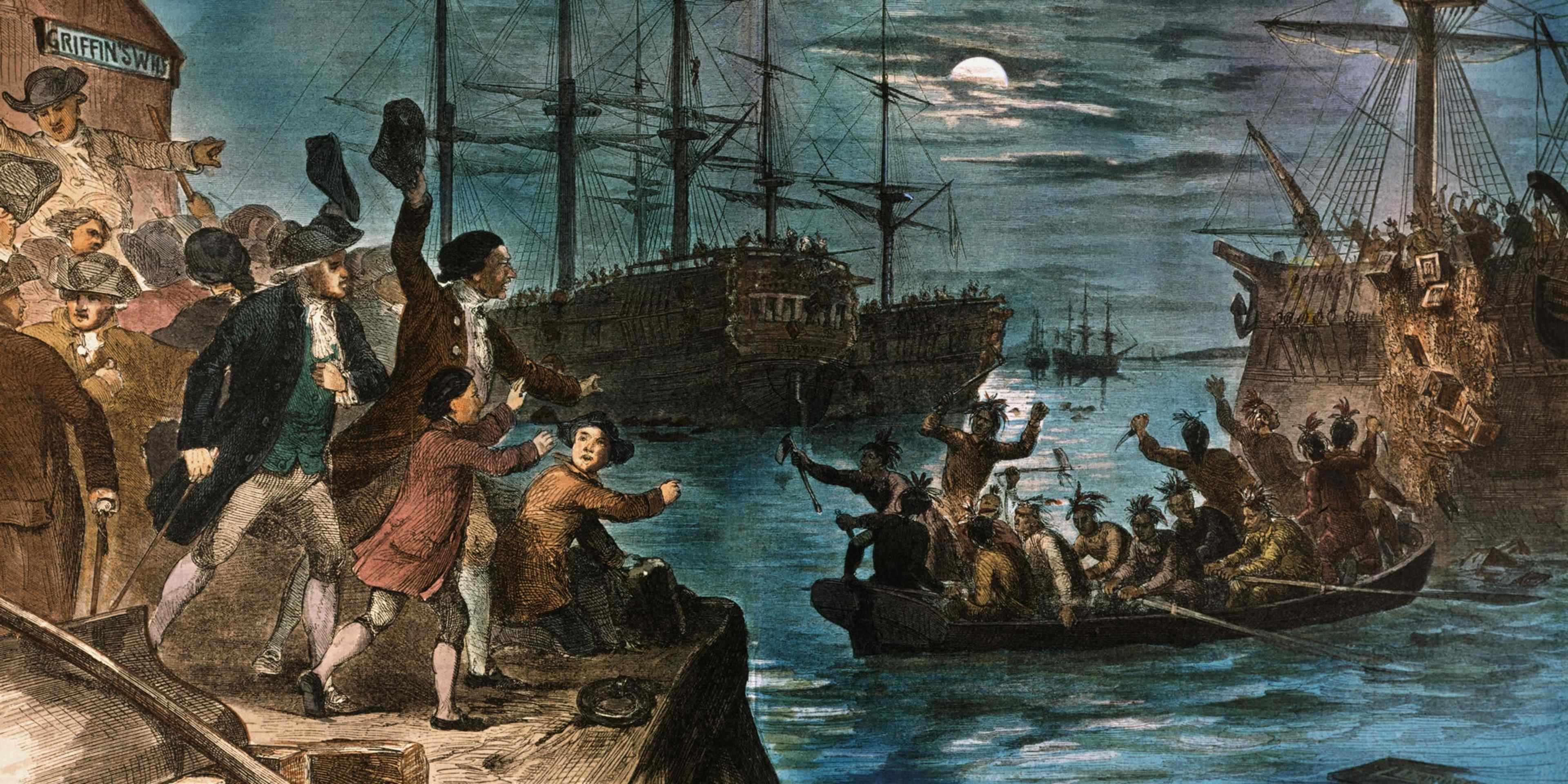
On a chilly December evening in 1773, a pivotal moment of American defiance unfolded at Griffin’s Wharf in Boston. Today, the Boston Tea Party is universally celebrated as a defining, patriotic act of civil disobedience that set the stage for the American Revolution. However, this legendary protest against “taxation without representation” was far more polarizing in its time than modern textbooks suggest. While firebrands like Samuel Adams and John Adams hailed the action as a magnificent triumph of liberty, several of the most prominent Founding Fathers—including George Washington and Benjamin Franklin—viewed the lawless destruction of private property with deep disapproval. This tension between revolutionary zeal and the rule of law highlights a fascinating, complex chapter in early American history, demonstrating that the path to independence was anything but unanimous.
Historical Background: The Seeds of Rebellion and the Tea Crisis
To understand the sheer magnitude of the events on December 16, 1773, we must trace the geopolitical landscape of the mid-18th century. Following the costly French and Indian War, the British Empire found itself deeply in debt. Believing that the American colonists should help shoulder the financial burden of their defense, the British Parliament enacted a series of controversial levies, beginning with the Stamp Act of 1765 and followed by the Townshend Acts of 1767. These measures sparked widespread outrage across the thirteen colonies, giving rise to the famous rallying cry: “No taxation without representation.”
In response to colonial boycotts and escalating violence—most notably the tragic clash in 1770 where John Adams defended British soldiers in the Boston Massacre trials—Parliament backed down. They repealed all the Townshend duties, save for one symbolic levy: the tax on tea. This remaining tariff was designed to assert Parliament’s absolute authority over the colonies. The crisis reached a boiling point with the passage of the Tea Act of 1773. This legislation granted the financially troubled British East India Company a virtual monopoly on the colonial tea trade, allowing them to bypass colonial merchants and sell directly to consumers at undercut prices, while still collecting the controversial tax. For American patriots, accepting this cheap tea meant surrendering their constitutional rights.
Chronological Timeline of the Tea Crisis
- May 10, 1773: Parliament passes the Tea Act, granting the British East India Company a monopoly and threatening the livelihoods of colonial merchants.
- November 27, 1773: The cargo ship Dartmouth arrives in Boston Harbor laden with East India Company tea, followed shortly by the Eleanor and the Beaver.
- November 29 – December 15, 1773: Citizens hold massive public meetings demanding that the tea be sent back to England without the payment of import duties. Royal Governor Thomas Hutchinson refuses to let the ships depart without paying the tax.
- December 16, 1773: Over 5,000 citizens gather at the Old South Meeting House. When negotiations fail, a crowd of men disguised as “Mohawks” descends on Griffin’s Wharf, breaking open 342 chests of tea and dumping them into the harbor.
- January 19, 1774: News of the “destruction of the tea” reaches Great Britain, sparking anger from Parliament and King George III.
- March–June 1774: Parliament retaliates by passing the Coercive Acts (referred to in America as the Intolerable Acts) to punish Boston and Massachusetts.
Why Some Founding Fathers Strongly Disapproved
While the bold action at Griffin’s Wharf electrified many radical patriots, it deeply unsettled some of the wealthiest and most influential leaders of the emerging nation. The division did not stem from a disagreement over British overreach, but rather from a fundamental debate about the rule of law, the sacred nature of private property, and the tactical wisdom of mob violence.
George Washington’s Measured Condemnation
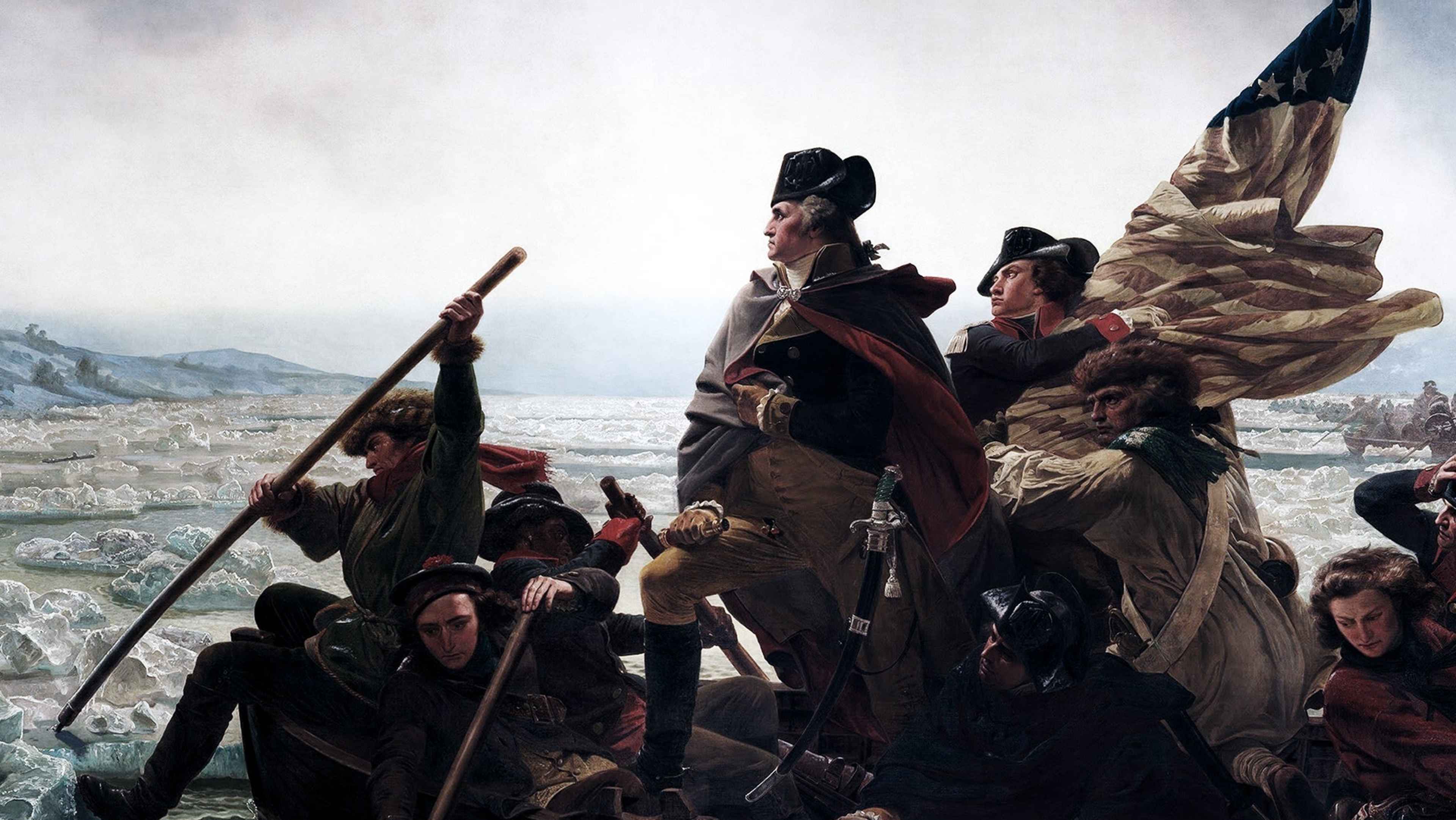
From his Mount Vernon estate in Virginia, George Washington watched the events in Boston with a critical eye. Washington was a man of immense order, discipline, and property. While he was a fierce defender of colonial rights and passionately opposed the subsequent British Coercive Acts, he was deeply uncomfortable with the lawless actions of the Boston mob. In a letter written in June 1774, Washington explicitly noted that while the cause of Boston was the cause of all America, he did “not… approve their conduct in destroying the Tea.” To Washington, the destruction of merchant property was an erratic and undisciplined act that threatened to undermine the moral high ground of the colonial cause.
Benjamin Franklin’s Urgent Plea for Repayment
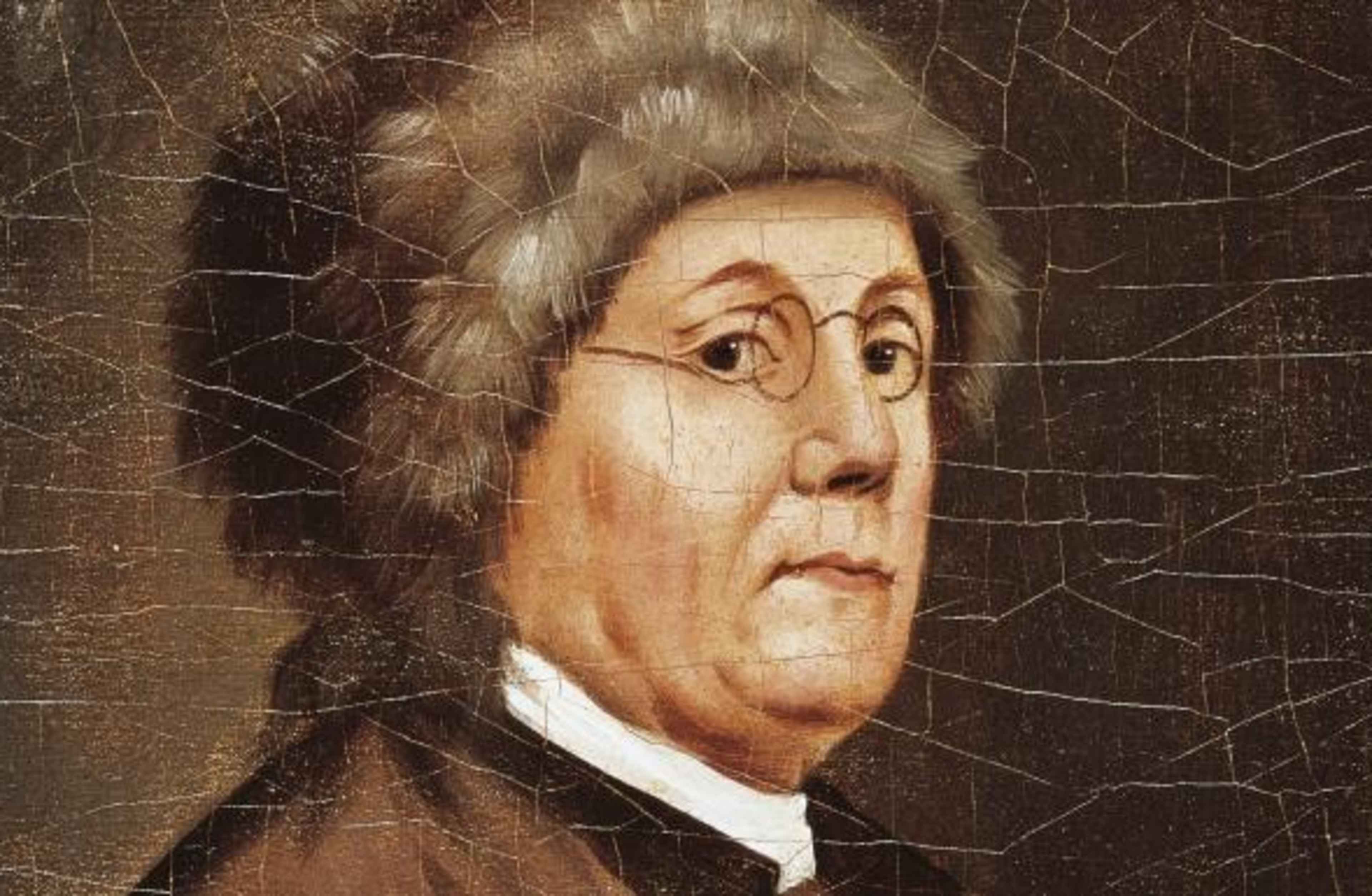
Across the Atlantic, Benjamin Franklin was serving as a colonial agent in London, trying to smooth over relations between the colonies and the British government. When news of the dumped tea reached him, Franklin was horrified. He believed in diplomacy and legal recourse, fearing that this act of “violent injustice” would play directly into the hands of British hardliners who wanted to crush the colonies. Franklin immediately penned an urgent letter to Boston’s leaders, advising them to repay the East India Company for the destroyed cargo, which would be valued at roughly $2 million in modern currency. Franklin warned that failing to rectify this act of property destruction would give the British a legitimate excuse to wage war against the colonies. However, firebrand Samuel Adams flatly dismissed Franklin’s advice, famously remarking that while Franklin was a brilliant philosopher, he was a poor politician.
The Skepticism of the Colonial Elite
The anxiety was not limited to Washington and Franklin. Many wealthy merchants and Founding Fathers whose finances shaped the American Revolution feared that condoning the destruction of private property would lead to absolute anarchy. If a crowd could arbitrarily destroy tea because they disliked a tax, what would stop them from attacking the warehouses of local merchants or the estates of wealthy landowners? In several Massachusetts towns, such as Marshfield and Freeport, local assemblies voted to denounce the Bostonians’ actions, calling them “illegal and unjust” and fearing that they would bring down the “Vengeance of an affronted Majesty.”
The Proponents: Samuel and John Adams Champion the Act
Conversely, the radical wing of the patriot movement saw the action as an absolute necessity. Samuel Adams, the master political strategist, argued that every peaceful avenue had been exhausted. For weeks, the colonists had petitioned the governor to let the ships return to England, only to be met with stubborn refusal. If the tea was unloaded, the tax would be paid, and a dangerous precedent of parliamentary taxation would be permanently established.
Samuel’s cousin, John Adams, who was usually a staunch defender of the law, was surprisingly enthusiastic. Writing in his diary the day after the event, John Adams was swept up in the grandeur of the protest, calling it “the most magnificent Movement of all” and praising the “Dignity, a Majesty, a Sublimity” of the Patriots’ last effort. For the Adamses, the “destruction of the tea” was a justifiable act of self-defense against economic and political tyranny.
Lesser-Known Facts About the Boston Tea Party
To truly appreciate the nuances of this historical event, we must look past the popularized mythology. In exploring little-known facts about the Boston Tea Party, several surprising details emerge:
- The Disguises Were Symbolic: The men who boarded the ships dressed as “Mohawks” did not expect anyone to actually believe they were Native Americans. Instead, the costumes were highly symbolic, representing a distinct American identity separate from Europe, while also providing a thin layer of plausible deniability to protect the perpetrators from prosecution.
- It Was a Clean and Disciplined Protest: Despite being labeled a “mob” by detractors, the Sons of Liberty acted with remarkable discipline. They did not damage the ships themselves, steal any cargo other than the tea, or commit acts of personal violence. In fact, they reportedly swept the decks clean afterward and even replaced a padlock they had broken on one of the ships.
- The Name is Modern: For decades after 1773, the event was referred to solemnly as “the destruction of the tea.” The catchy term “Boston Tea Party” did not appear in print until the late 1820s, as the revolutionary generation began to pass away and the event was romanticized for a new era.
Long-Term Impact: The Spark of the Revolution
The refusal of Bostonians to pay for the destroyed tea, as Franklin had advised, triggered a swift and brutal response from London. In the spring of 1774, Parliament passed the Coercive Acts. These punitive laws closed the port of Boston, dismantled the Massachusetts colonial government, allowed British officials to be tried in England for crimes committed in America, and forced colonists to quarter British troops.
Rather than isolating Massachusetts and forcing them into submission as King George III had hoped, the Coercive Acts had the opposite effect. They galvanized the other twelve colonies in solidarity. Food, supplies, and money poured into blockaded Boston from across the continent. This shared crisis directly led to the convening of the First Continental Congress in September 1774, setting the colonies on an irreversible path toward independence and war.
Why It Still Matters Today
The internal debate among the Founding Fathers over the Boston Tea Party remains incredibly relevant today. It forces us to grapple with timeless questions: Where is the line between a peaceful protest and an act of illegal destruction? Is property damage ever a justifiable tool for political change? By examining the differing perspectives of George Washington, Benjamin Franklin, and the Adams cousins, we gain a deeper appreciation for the delicate balance between civil disobedience, the rule of law, and the fight for systemic justice that still defines American democracy today.
People Also Ask
Did George Washington support the Boston Tea Party?
No, George Washington did not support the destruction of the tea. While he sympathized with the colonists’ grievances and strongly opposed British taxation, he disapproved of the lawless destruction of private property and favored orderly, legal resistance.
Why did Benjamin Franklin want the colonists to pay for the tea?
Benjamin Franklin believed that the destruction of private property owned by the East India Company was an act of violent injustice. He feared it would damage the moral credibility of the American cause and give the British government a perfect excuse to wage war, so he urged Bostonians to repay the modern equivalent of $2 million.
Was anyone hurt during the Boston Tea Party?
Remarkably, no one was killed or injured during the Boston Tea Party. The Sons of Liberty operated with strict discipline, focusing entirely on the destruction of the tea cargo without engaging in physical violence against the ships’ crews or British authorities.
Conclusion
The Boston Tea Party was not a monolithic event of unanimous patriotic celebration. It was a highly controversial action that exposed deep ideological divides among America’s early leaders. By understanding that even the Founding Fathers wrestled with the ethics of this historic protest, we uncover a richer, more human history of the American Revolution—one defined not by simple consensus, but by a passionate debate over liberty, law, and the cost of freedom.


