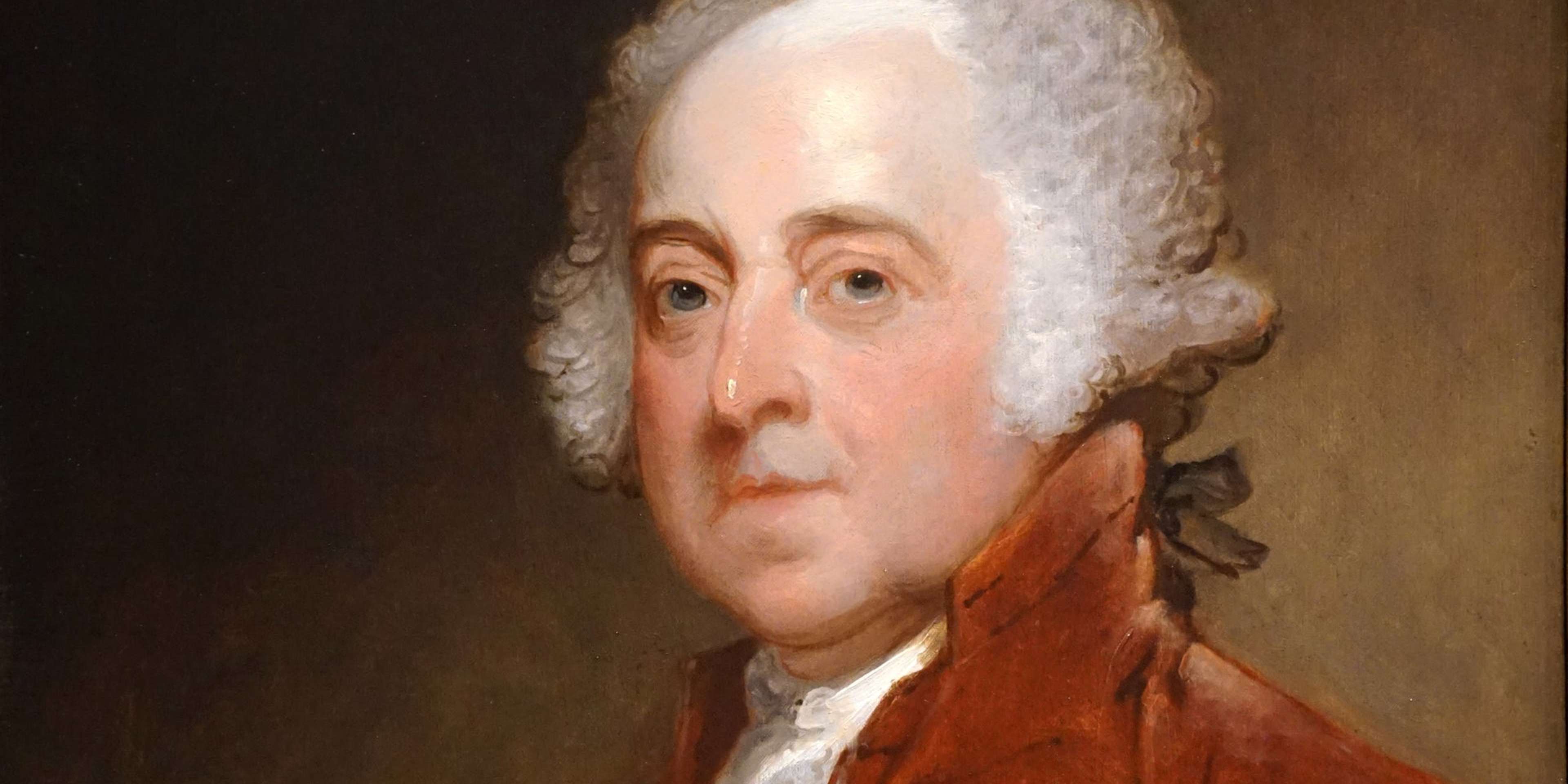
On the cold night of March 5, 1770, the icy streets of Boston became the stage for a bloody confrontation that would echo through the centuries. The Boston Massacre, as it was quickly branded by fiery patriot propagandists, left five colonists dead and a city screaming for vengeance. In the immediate, volatile aftermath, a young and ambitious 34-year-old Boston attorney named John Adams made a choice that shocked his peers: he agreed to legally represent the despised British Redcoats and their commanding officer, Captain Thomas Preston. This dramatic decision was not born out of sympathy for the British crown, but from a profound, unwavering commitment to the rule of law and the fundamental right to a fair trial. By exploring why John Adams defended British soldiers in the Boston Massacre trials, we uncover a pivotal moment where the ideals of justice triumphed over the raw fury of a looming revolution, setting an enduring benchmark for American jurisprudence.
Historical Background: A Powder Keg in Colonial Boston
To fully understand Adams’s monumental decision, one must examine the highly charged environment of Boston in 1770. Since the British Parliament passed the Townshend Acts in 1767, levying heavy duties on imported goods, resistance had been mounting. In response to widespread protests and riots, Great Britain dispatched thousands of troops to occupy Boston in 1768. The presence of red-coated soldiers occupying a small, tight-knit maritime town created a volatile climate of daily friction. Clashes between local laborers, radical patriots, and off-duty British soldiers were common, illustrating the friction brewing across the 13 colonies during this pre-revolutionary era.
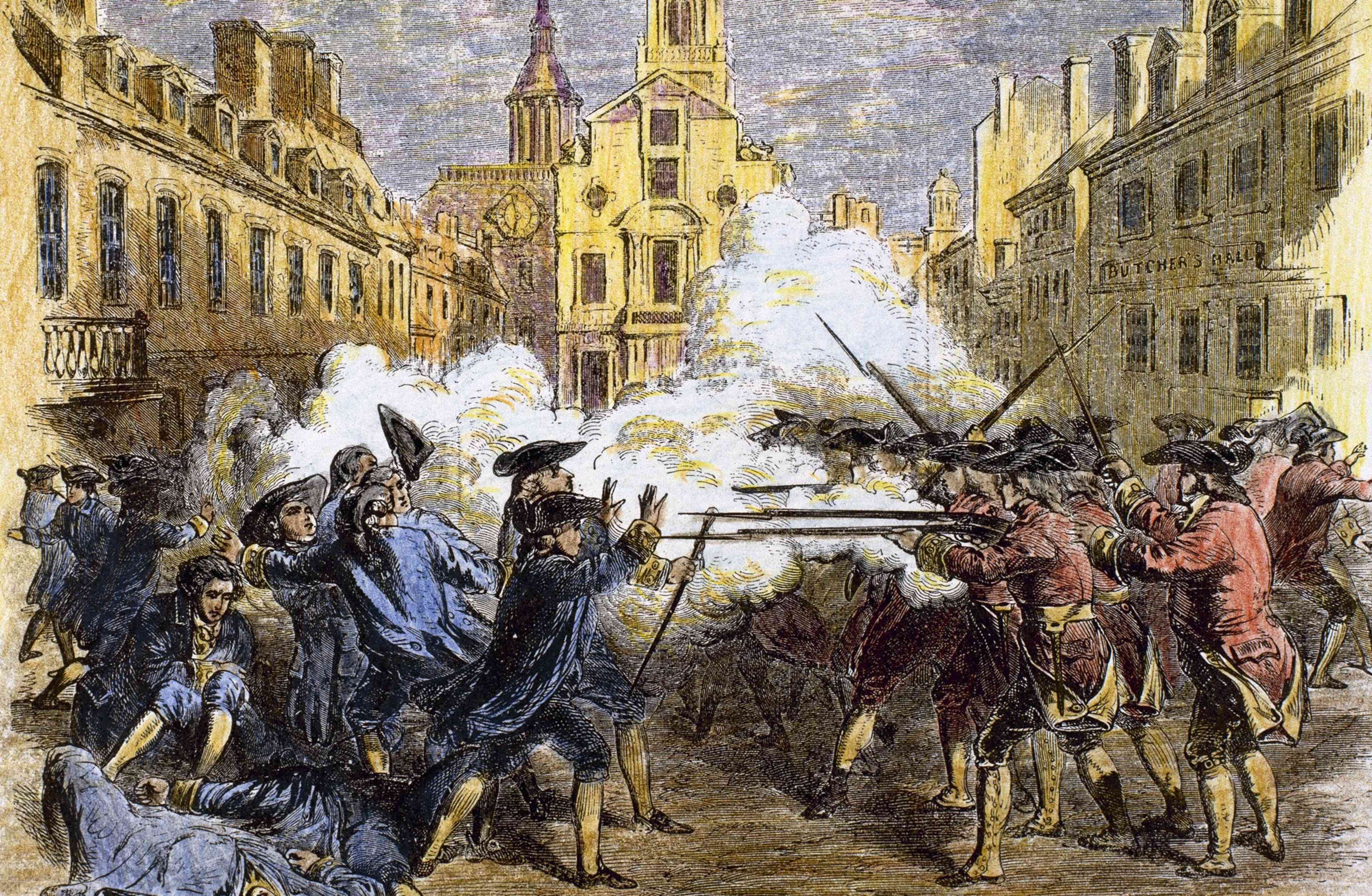
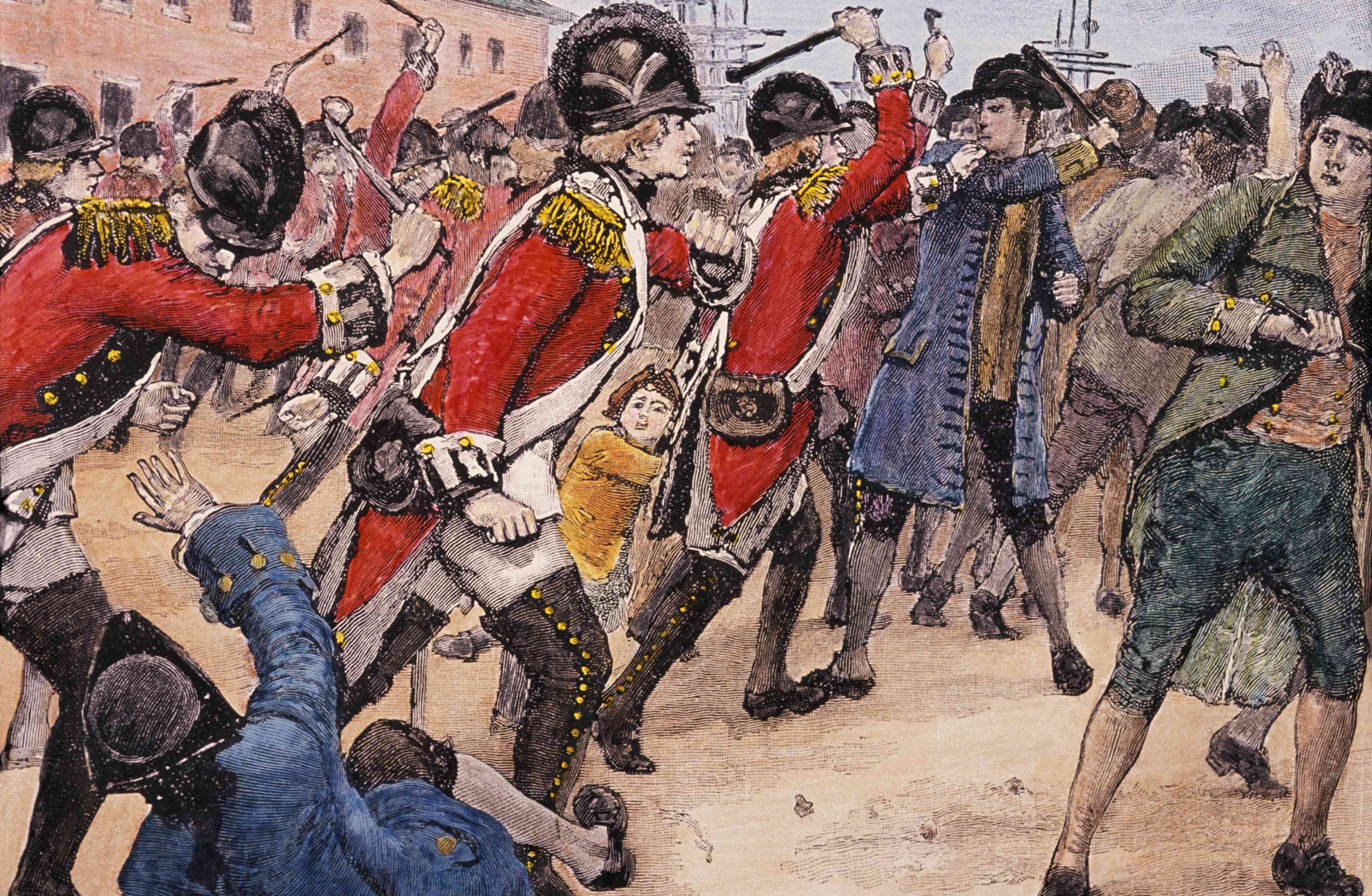
On the evening of March 5, the tension finally boiled over. Outside the Custom House on King Street, a lone sentry, Private Hugh White, was harassed by an angry crowd of colonists throwing snowballs, ice, oyster shells, and coal. As the mob grew more aggressive, Captain Thomas Preston led a small detachment of soldiers to support the sentry. In the chaotic melee that followed, a soldier was struck, a musket discharged, and the panic-stricken troops opened fire on the unarmed crowd. When the smoke cleared, three men lay dead on the blood-soaked snow, and two more would later succumb to their wounds. The victims included Crispus Attucks, a sailor of African and Indigenous descent, who is widely remembered as the first casualty of the American Revolution.
Key Events Timeline: From the King Street Riot to the Verdicts
The sequence of events surrounding the Boston Massacre and the subsequent trials unfolded rapidly, forever shaping the trajectory of colonial history:
- March 5, 1770: The Boston Massacre takes place outside the Custom House on King Street.
- March 6, 1770: Captain Thomas Preston and his eight soldiers are arrested and jailed. Realizing no other lawyer will take their case, John Adams courageously agrees to defend them.
- October 24–30, 1770: The trial of Captain Thomas Preston begins. Adams argues that Preston did not order his men to fire, resulting in Preston’s acquittal.
- November 27 – December 5, 1770: The trial of the eight soldiers commences. Adams shifts the blame onto the aggressive mob to protect his clients.
- December 5, 1770: The jury delivers a mixed verdict. Six soldiers are acquitted, while two are found guilty of manslaughter.
Important Figures and Their Vital Roles
This dramatic historical chapter featured several prominent individuals whose actions determined the fate of the accused and the legal identity of the emerging nation:
John Adams
A devout patriot, future diplomat, and the second President of the United States, John Adams risked his personal safety, social standing, and his family’s economic livelihood to represent the British soldiers. He believed that no man should be denied a fair trial in a civilized society, famously stating that facts are stubborn things.
Captain Thomas Preston
The British officer in charge during the incident, Preston faced execution if convicted of ordering his men to fire on the civilian crowd. Adams successfully proved that the chaos and shouting made it impossible to determine if Preston had actually given the command to fire.
Samuel Adams
John Adams’s cousin and a radical leader of the Sons of Liberty. While Samuel used the massacre as a powerful propaganda tool to fuel anti-British sentiment, he quietly supported John’s decision to defend the soldiers, recognizing that a fair trial would prove to the world that Bostonians were law-abiding citizens rather than a lawless mob.
Crispus Attucks
A dockworker of mixed African and Wampanoag ancestry, Attucks was the first to fall. His death symbolized the ultimate sacrifice of colonial citizens and highlighted the diverse cultural fabric of early American history.
Causes and Context: Why John Adams Accepted the Case
When the call came to defend the Redcoats, John Adams was in a precarious position. He was a rising political figure, deeply sympathetic to the colonial cause, with a young family to support. However, his legal philosophy was deeply rooted in the English common law tradition. He believed that the integrity of the colonial justice system was on trial. If the soldiers were denied legal representation or subjected to a kangaroo court, it would validate the British claim that the colonists were merely a lawless rabble incapable of self-governance. Adams was determined to show that the colonies could administer impartial justice, even under the most extreme political pressure. In doing so, he mirrored how earlier colonial crises influenced the American legal system to prioritize structured, rational evidence over hysterical public outcry.
Major Turning Points of the Boston Massacre Trials
Adams’s defense strategy was nothing short of brilliant. Rather than utilizing a single, sweeping narrative, he systematically dismantled the prosecution’s case through two key turning points:
The Separation of the Trials
Adams insisted on separating the trial of Captain Preston from that of the eight soldiers. This was a masterclass in legal strategy. By trying Preston first, Adams was able to isolate the question of who gave the order to fire. Once Preston was acquitted because of a lack of evidence that he commanded the shooting, the soldiers could not be easily accused of acting under direct orders. This shifted the focus of the soldiers’ trial to self-defense, forcing the jury to evaluate the physical threats the soldiers faced from the mob.
The Dying Declaration of Patrick Carr
Perhaps the most dramatic moment of the trial came from the testimony of Dr. John Jeffries. Dr. Jeffries had treated Patrick Carr, an Irish immigrant who was mortally wounded during the massacre. On his deathbed, Carr told Dr. Jeffries that he did not blame the soldiers for firing, acknowledging that they had been pushed to the limit by the hostile crowd. Under the legal principle of the dying declaration, this powerful hearsay evidence was admitted into court, leaving a profound impression on the jury and dealing a devastating blow to the prosecution.
Long-Term Impact on the American Legal System and the Nation
The legacy of the Boston Massacre trials extended far beyond the immediate verdicts. The case established several critical legal precedents that remain pillars of the American judicial system today. It was the first time the standard of “reasonable doubt” was explicitly utilized in an American courtroom, ensuring that a defendant’s guilt must be proven beyond a shadow of doubt before conviction. Additionally, the sequestration of the jury during the trials set a precedent for protecting jurors from outside public and political influence.
Furthermore, the peaceful acceptance of the mixed verdicts by the citizens of Boston demonstrated a deep-seated respect for the rule of law. Although many patriots were unhappy that the soldiers escaped the gallows, they did not riot. This crucial outcome proved that the embryonic American republic would be a nation of laws, not of men. It established the bedrock principle that even the most despised individuals are entitled to a robust defense, a concept that continues to guide defense attorneys today.
Lesser-Known Facts and Historical Anecdotes
History is often richer than the simplified stories taught in textbooks. Here are a few fascinating, lesser-known facts about the trials:
- The Benefit of Clergy Loophole: The two soldiers convicted of manslaughter, Hugh Montgomery and Matthew Kilroy, avoided the death penalty by pleading the “benefit of clergy.” This medieval legal loophole allowed first-time offenders to escape hanging if they could prove they were literate by reading a specific Bible passage (usually Psalm 51, Verse 1). Instead of the gallows, they were branded on their thumbs with the letter “M” for manslaughter and released.
- The Paul Revere Propaganda: The famous engraving of the Boston Massacre by Paul Revere was highly inaccurate. It depicted the British soldiers standing in a neat, organized line firing systematically into a peaceful, orderly crowd. In reality, the scene was a chaotic, dark street fight with a rioting mob attacking a disorganized group of terrified soldiers.
- Adams’s Deepest Pride: Decades later, looking back on his illustrious career as a diplomat, draft writer of the Massachusetts Constitution, and President, John Adams wrote in his diary that his defense of the British soldiers was “one of the most gallant, generous, manly and disinterested Actions of my whole Life, and one of the best Pieces of Service I ever rendered my Country.”
Why It Still Matters Today
In our modern era of high-profile media trials and intense public polarization, the lessons of John Adams’s defense of the Redcoats are more relevant than ever. Adams demonstrated that the true test of a free society is its willingness to extend justice to those who are widely hated and feared. He reminds us that the rule of law must remain impartial, unaffected by political winds or public anger. When we ask why John Adams defended British soldiers in the Boston Massacre trials, we are reminded of the heavy responsibility of preserving constitutional rights and upholding human dignity, even when it is most difficult.
People Also Ask (PAA)
Who did John Adams defend in the Boston Massacre?
John Adams defended Captain Thomas Preston, the British officer in charge of the detachment on King Street, alongside eight British soldiers: William Wemms, James Hartigan, William McCauley, Hugh White, Matthew Kilroy, William Warren, John Carroll, and Hugh Montgomery.
Did any British soldiers get punished for the Boston Massacre?
Yes, but not to the extent that the public demanded. While Captain Preston and six of the soldiers were fully acquitted, two soldiers—Matthew Kilroy and Hugh Montgomery—were found guilty of manslaughter. They avoided execution by pleading the benefit of clergy, resulting in them being branded on their thumbs and dismissed from the army.
Why did John Adams take the case when he was a patriot?
John Adams took the case because he passionately believed that everyone, regardless of their background or political alignment, was entitled to a fair trial and proper legal representation. He also wanted to demonstrate to the world that Boston was a civilized community governed by law, rather than a mob-ruled colony.
Conclusion: A Legacy of Justice Over Vengeance
John Adams’s defense of the British soldiers stands as a shining testament to the values that would eventually form the bedrock of the United States. In a moment of supreme national tension, Adams prioritized principle over popularity, proving that the pursuit of true justice requires courage, intellect, and an unwavering commitment to the rule of law. His triumph in the Boston courtroom did not halt the march toward the American Revolution; rather, it elevated the moral standing of the colonial cause, showing that the fight for liberty was fundamentally a fight for a more just and righteous world.


