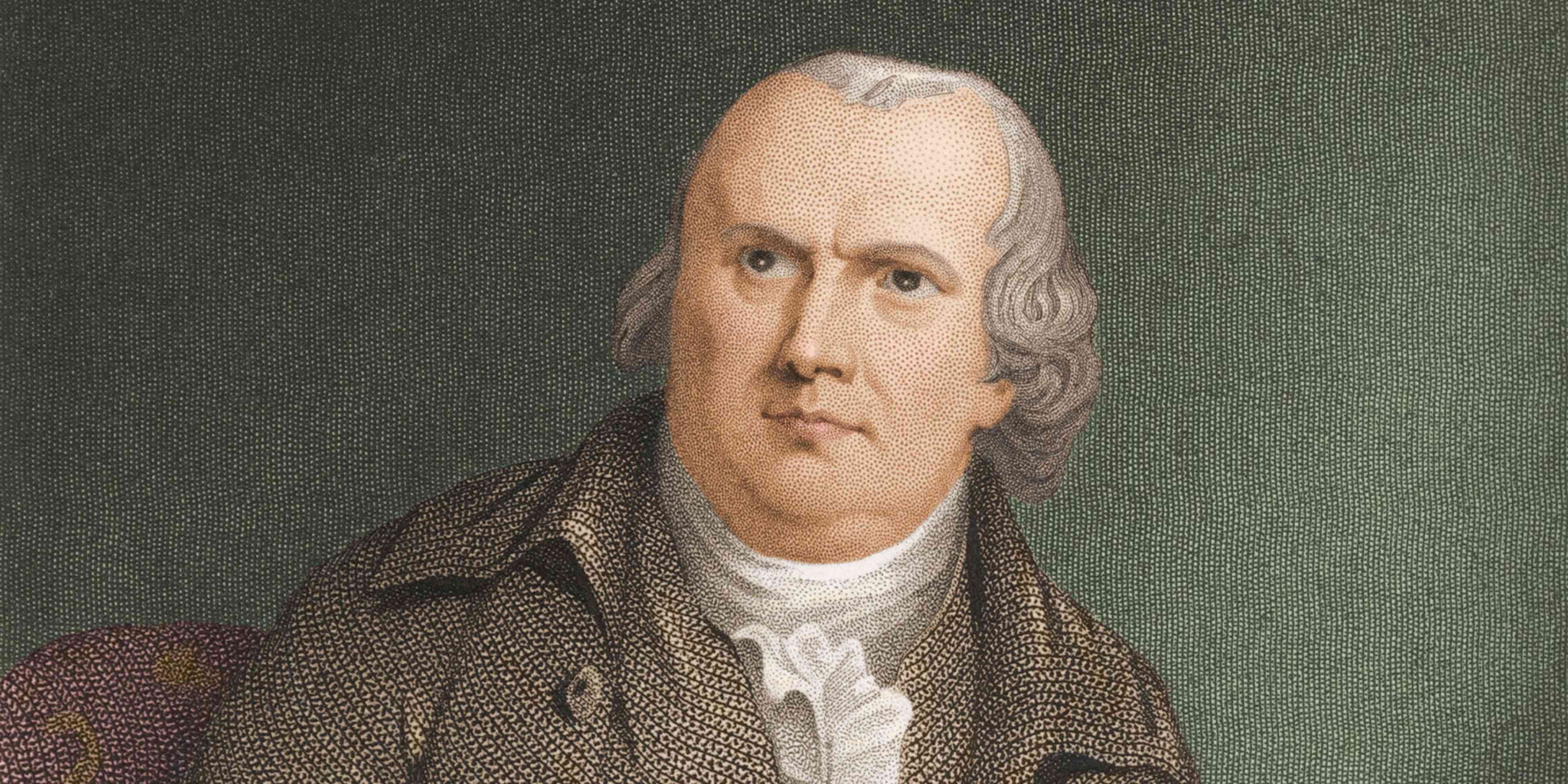
When we visualize the architects of the American Revolution, our minds naturally drift to the philosophical brilliance of Thomas Jefferson or the military leadership of George Washington. Yet, behind the heroic battles and revolutionary rhetoric lay a harsh, pragmatic reality: wars are incredibly expensive. Without the merchant prince and financial wizard Robert Morris, the fight for American independence might have collapsed into economic ruin long before reaching Yorktown. As one of only two men to sign the Declaration of Independence, the Articles of Confederation, and the United States Constitution, Morris was the operational backbone of the young republic, leveraging his massive private fortune to keep the Continental Army fed, clothed, and armed.
The Rise of a Merchant Prince: Historical Background
Born in Liverpool, England, in 1734, Robert Morris immigrated to Maryland as a teenager to join his father, a successful tobacco exporter. Tragically orphaned at age 16—after his father was killed in a bizarre accident involving a misfired ship’s cannon—Morris was left to carve out his own destiny. With only a basic formal education, he entered an apprenticeship at the shipping and mercantile firm of Charles Willing in Philadelphia. Within a few years, his sharp intellect and natural affinity for global commerce propelled him to full partnership, establishing the powerhouse firm of Willing, Morris & Company.
Morris was a global capitalist long before the principles of modern capitalism were widely codified. His firm dominated trade routes, insured cargo vessels, and opened new markets across the Mediterranean. This financial success gave him deep insight into how capital, credit, and supply chains functioned. It also made him acutely aware of how British colonial taxation, such as the Stamp Act of 1765, stifled American commerce. Understanding the financial struggles of early American leaders reveals how deeply interwoven personal wealth was with the political rebellion; you can read more about 5 founding fathers whose finances shaped the American Revolution to see how Morris and his contemporaries navigated these economic challenges.
The Financial Nightmare of the Revolutionary War
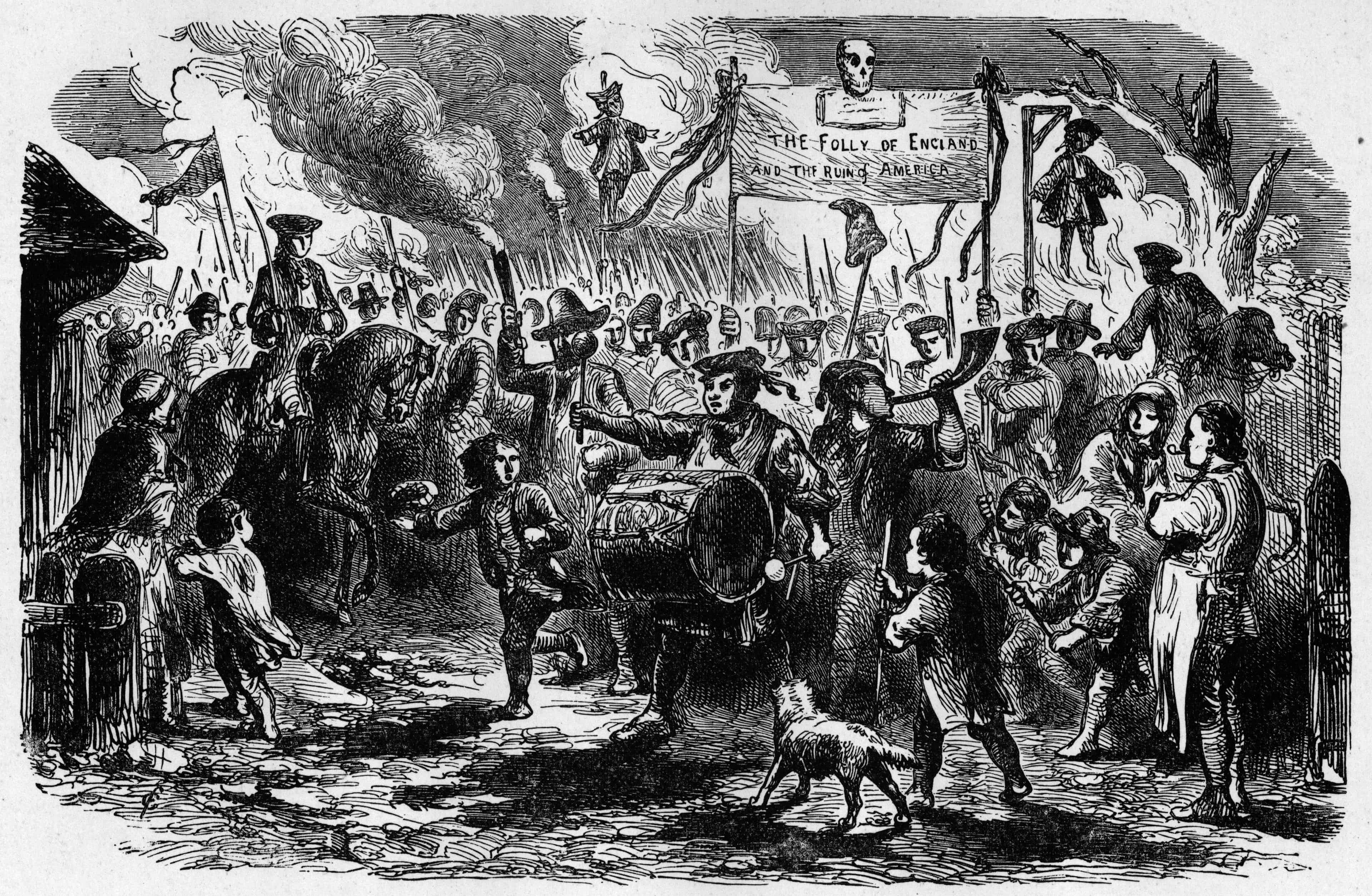
When the Revolutionary War erupted in 1775, the newly formed Continental Congress faced a catastrophic challenge: it had no treasury, no taxing power, and no established national credit. Under the fragile Articles of Confederation, Congress could only request voluntary funds from the individual colonies—requests that were routinely ignored. Meanwhile, the Continental Army was constantly on the brink of dissolution due to lack of food, weapons, and basic clothing. The historical suffering of these troops is well-documented, especially during the brutal winters, such as the plight of the starving soldiers at Valley Forge, where lack of financial planning and supply chain failures nearly ended the rebellion.
Recognizing Morris’s unparalleled financial acumen, the Continental Congress appointed him as the first Superintendent of Finance in 1781. This was the young nation’s very first executive office, endowed with sweeping, almost unchecked power over America’s chaotic wartime economy. Morris established the Bank of North America—the country’s first truly national financial institution—and began the monumental task of stabilizing the economy.
A Chronological Timeline of Robert Morris’s Contributions
- 1734: Born in Liverpool, England, later immigrating to the American colonies.
- 1765: Leads intense protests against the British Stamp Act in Philadelphia.
- 1776: Abstains from the initial vote on independence to allow consensus, but signs the Declaration of Independence on August 2.
- 1781: Appointed the Superintendent of Finance by the Continental Congress.
- 1781 (Late): Personally finances the crucial Yorktown campaign by issuing his own “Morris Notes.”
- 1787: Attends the Constitutional Convention, actively helping to draft the new federal framework.
- 1789: Elected as one of the first U.S. Senators representing Pennsylvania.
- 1798–1801: Imprisoned in debtor’s prison after a massive land speculation collapse.
- 1806: Passes away in Philadelphia in relative obscurity.
The Superintendent of Finance: Turning the Tide
As Superintendent of Finance, Morris enacted aggressive reforms. He slashed government waste, introduced rigorous accounting standards, and insisted that the states pay their fair share of taxes in hard specie (gold and silver) rather than worthless paper currency. When Congress ran completely out of money, Morris took a massive gamble: he issued “Morris Notes”—essentially personal promissory notes backed entirely by his own immense private fortune and reputation. Merchants and foreign governments trusted Morris’s personal credit far more than they trusted the word of the Continental Congress.
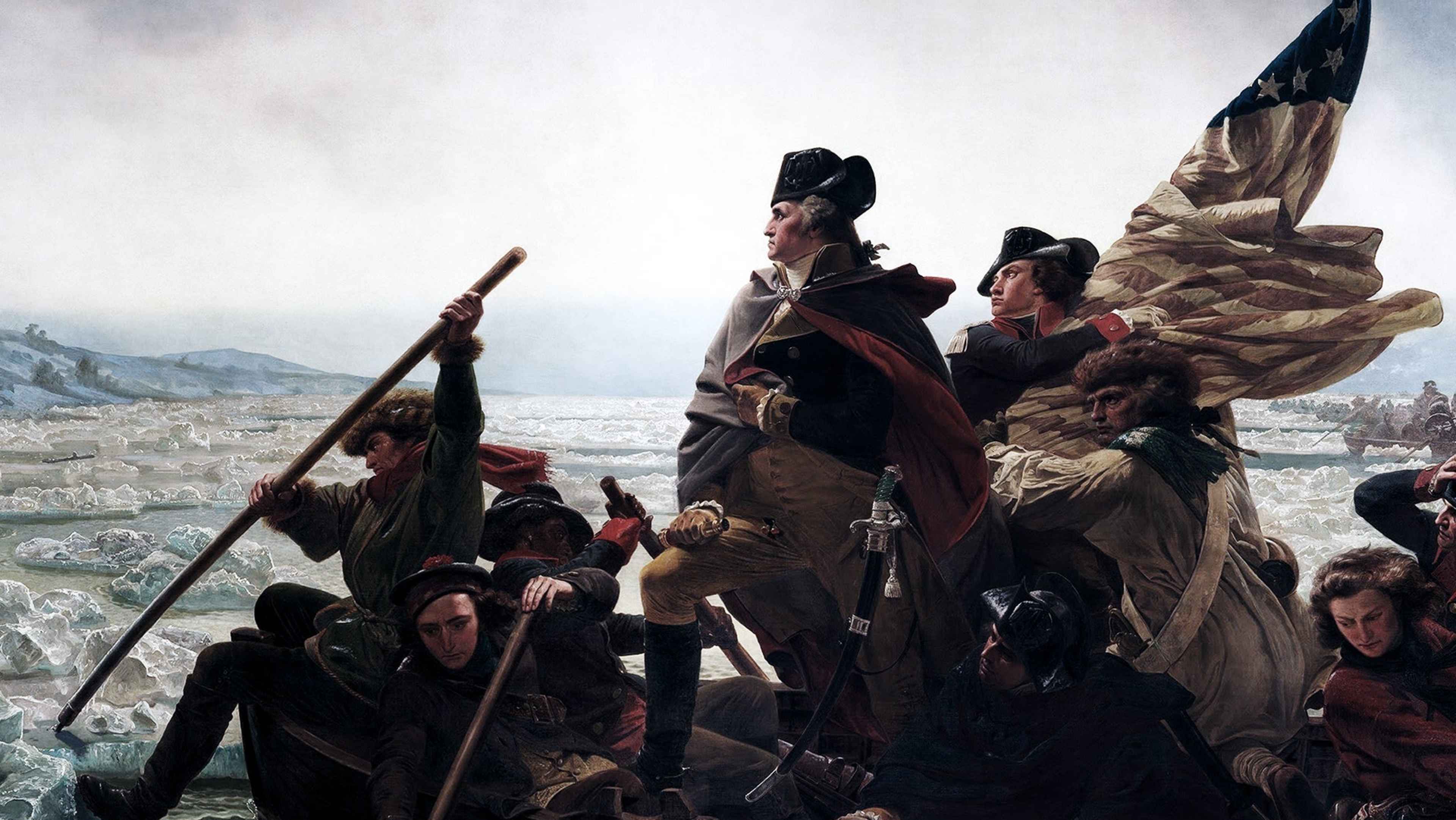
During the critical Yorktown campaign of 1781, George Washington realized he could trap British General Cornwallis, but he lacked the funds to pay his mutinous troops or transport them south. Morris stepped in, personally securing over $1.4 million in loans, largely using his own credit and negotiating crucial foreign financial backing. To fully appreciate how foreign powers helped sustain the war effort alongside Morris’s domestic efforts, explore 5 ways the French helped win the American Revolution, which details the vital alliance that ultimately secured American independence.
Key Figures and Critical Alliances
Morris did not work in a vacuum. He relied on a sophisticated network of patriots, merchants, and foreign agents. His most crucial domestic ally was Haym Salomon, a Polish-born Jewish immigrant and broker who possessed an extraordinary ability to raise hard currency. Working hand-in-hand with Morris, Salomon negotiated crucial foreign bills of exchange and personally funded patriot causes without charging interest. Morris also maintained a lifelong friendship with George Washington, who originally offered Morris the position of Secretary of the Treasury (which Morris declined, suggesting Alexander Hamilton instead).
The Great Fall: Land Speculation and Debtor’s Prison
After the war, Morris left public life to return to his first passion: making money. He held immense faith in the future growth of the United States and believed a massive wave of European immigration would soon flood the frontier. Guided by this optimism, he embarked on a colossal real estate gamble, acquiring over six million acres of undeveloped land stretching across several states. To finance these acquisitions, he took out astronomical loans from both domestic and international creditors.
However, his grand gamble backfired. The geopolitical instability triggered by the French Revolution and subsequent European conflicts choked off the expected wave of wealthy immigrants. Unable to sell his lands or pay the crushing interest on his debts, Morris found himself pursued by angry creditors. He began construction on a palatial Philadelphia mansion designed by Pierre L’Enfant, which the public mockingly dubbed “Morris’s Folly.” Before it could be completed, Morris was arrested. In 1798, the man who had bankrolled the birth of a nation was escorted to the Prune Street Debtors’ Prison, where he spent over three years behind bars. He was only released after his congressional allies passed the Bankruptcy Act of 1800.
Lesser-Known Historical Facts About Robert Morris
- The Flying Cannonball: Morris’s father died because of a celebratory salute. When a ship captain fired a cannon in his honor, a fly landed on the gunner’s nose, causing a misfire that sent a fragment of the cannon directly into the elder Morris’s arm, leading to a fatal infection.
- The Smuggler Patriot: During the early days of the war, Morris used his private shipping fleet to systematically smuggle gunpowder and arms past the British naval blockade, keeping the Continental Army supplied when they had virtually no domestic manufacturing.
- An Unceremonious End: Despite his enormous contributions to the country’s founding, Morris died in relative poverty and obscurity in 1806. His obituary in the local paper was a mere five lines long, as a public weary of financial scandals sought to forget his tragic post-war fall.
Why Robert Morris Matters Today
Robert Morris’s legacy is a powerful reminder that history is not just shaped by idealistic declarations, but by the cold, hard realities of supply chains, credit, and financial management. His innovative concepts of national debt, structured credit, and centralized banking laid the groundwork for the modern American financial system later championed by Alexander Hamilton. Morris’s life story encapsulates the classic, double-edged sword of the American dream: a brilliant rise built on risk, credit, and ambition, followed by a dramatic fall when those same speculative forces collapsed. Understanding his contributions helps us appreciate that the survival of the United States was won as much on the ledger sheets of Philadelphia as it was on the battlefields of Yorktown.
People Also Ask (PAA)
Who was the primary financier of the American Revolution?
Robert Morris is widely considered the primary financier of the American Revolution. As the Superintendent of Finance, he used his personal credit and wealth to issue “Morris Notes,” which funded military campaigns when the Continental Congress was bankrupt.
Did Robert Morris die in debtor’s prison?
No, Robert Morris did not die in debtor’s prison. He served three and a half years in Philadelphia’s Prune Street Jail and was released in 1801 after the passage of the Bankruptcy Act of 1800. He lived his remaining five years quietly and died in 1806.
Which founding documents did Robert Morris sign?
Robert Morris is one of only two Founding Fathers (along with Roger Sherman) to sign all three of America’s principal founding documents: the Declaration of Independence, the Articles of Confederation, and the United States Constitution.
Conclusion
Robert Morris was a complex, pragmatic figure who did not easily fit the idealized, philosophical mold of his fellow Founding Fathers. He was a self-interested capitalist, yet he repeatedly risked his own immense fortune to rescue a struggling nation from the brink of total collapse. Without his financial genius, tireless logistics management, and personal credit, the United States might never have gained its independence. His story remains an essential, cautionary, and inspiring chapter in the complex narrative of early American history.


