The balance between civilian liberty and military power is one of the most enduring struggles in the history of the United States. At the heart of this delicate constitutional equilibrium stands the Posse Comitatus Act of 1878, a landmark piece of federal legislation designed to limit the U.S. military’s role in domestic law enforcement. Born from the highly volatile political ashes of the post-Civil War Reconstruction era, this act established a fundamental boundary: the federal government cannot use the regular army as a domestic police force to execute laws within the states. Understanding this pivotal law requires looking beyond simple legal jargon and examining the deep, often painful struggles over race, federal power, and civil rights that reshaped America in the late 19th century. By diving into this history, we uncover how a law meant to curb federal military overreach also paved the way for the systematic disenfranchisement of millions of newly freed citizens, illustrating the tragic complexities of the American democratic journey.
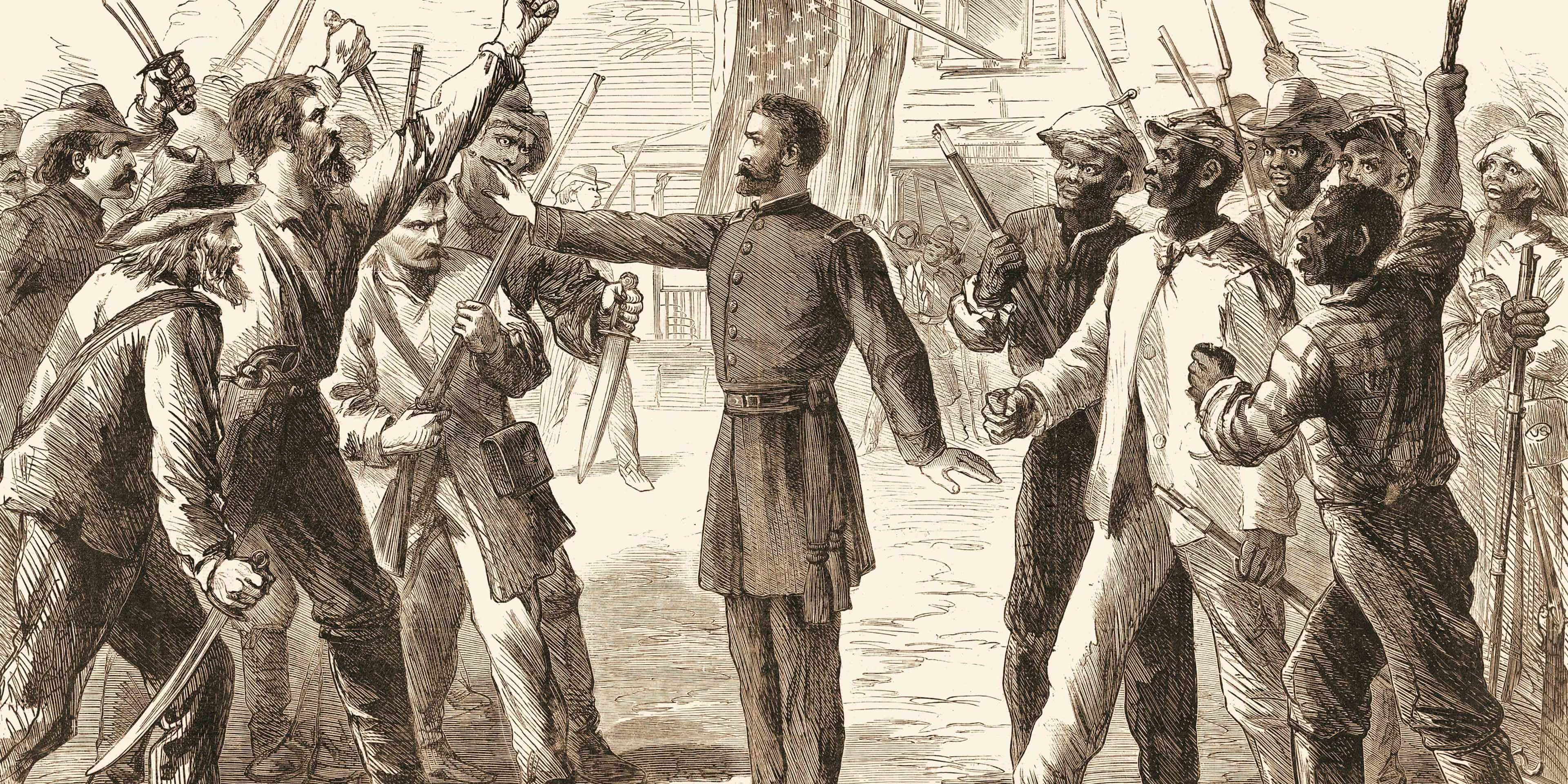
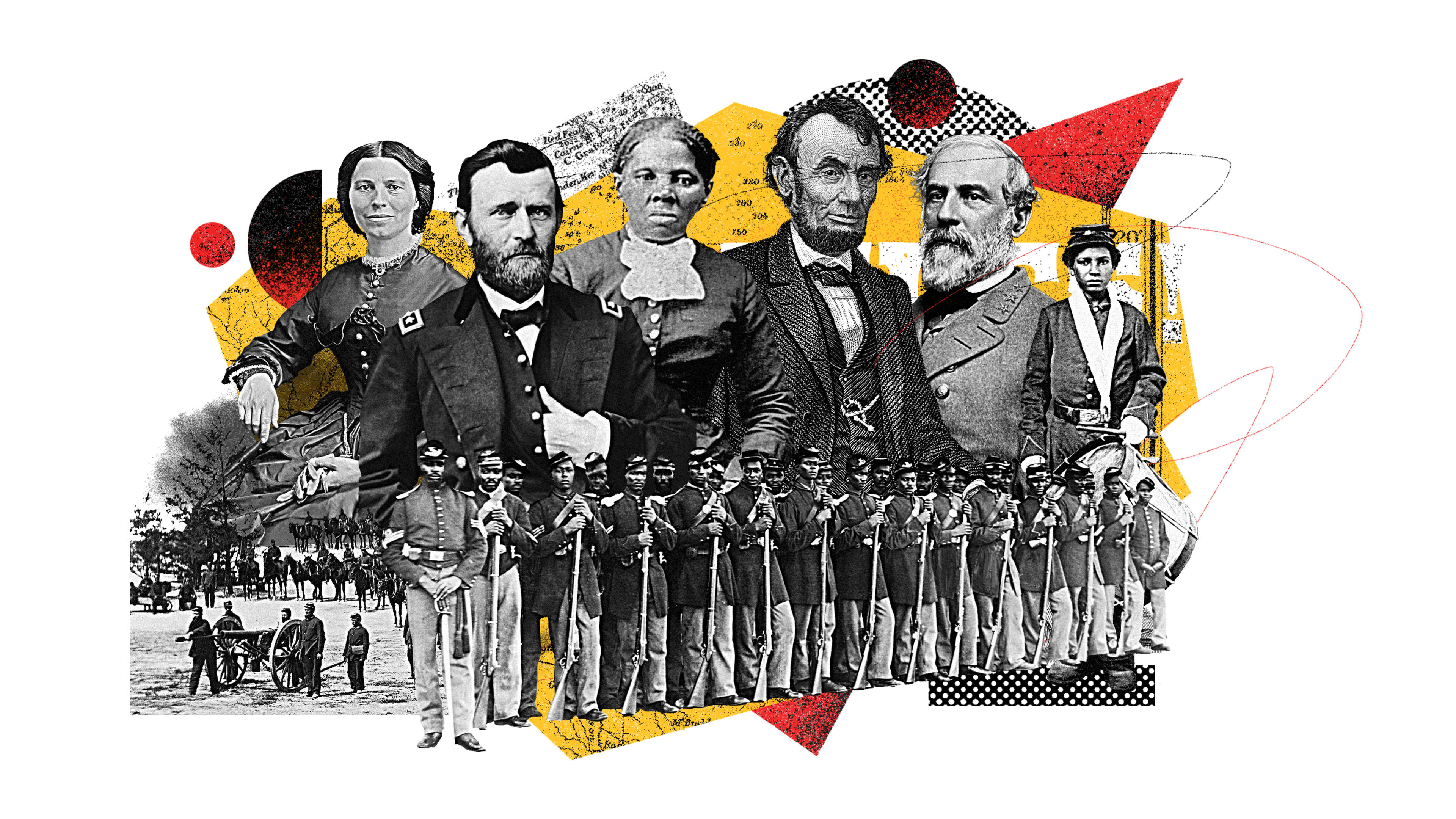
To understand the birth of the Posse Comitatus Act of 1878, one must first step into the highly fractured landscape of the American South immediately following the Civil War. When the war ended in 1865, the federal government faced the unprecedented task of rebuilding a shattered nation while securing the civil rights of newly emancipated African Americans. Through the Reconstruction Acts, Congress dissolved the governments of the former Confederate states, dividing the region into military districts and placing them under martial law. Federal troops—including many courageous Black soldiers who had fought valiantly for the Union—were deployed throughout the South to maintain order, supervise elections, and enforce the 13th, 14th, and 15th Amendments. This era highlighted the contributions of Black heroes throughout U.S. military history, who wore the Union uniform to protect the newly won freedoms of their communities.
Historical Background & The Ashes of Reconstruction
However, the presence of these troops drew fierce, often violent opposition from Southern Democrats and white supremacist groups, such as the Ku Klux Klan. These groups utilized terror and systematic violence to prevent Black men from voting and exercising their constitutional rights. In response, Congress passed the Civil Rights Act of 1871 (also known as the Ku Klux Klan Act), granting the president expanded authority to use federal troops to suppress domestic violence and safeguard civil rights. To Southern politicians, this continuous military presence was not only a bitter reminder of defeat but also an unconstitutional expansion of federal authority.
The Catalyst: The Disastrous Election of 1876
The political boiling point arrived with the presidential election of 1876, widely regarded as the closest and most controversial election in U.S. history. The race pitted Republican Rutherford B. Hayes against Democrat Samuel J. Tilden. As the electoral votes were tallied, Tilden was just one vote shy of victory, but twenty electoral votes from four states—most notably Louisiana, Florida, and South Carolina—were heavily contested. In these states, federal troops had been stationed at polling places to protect Black voters from intimidation.
Southern Democrats fiercely accused the Republican-led military of orchestrating a scheme to “steal” the election. The impasse was finally resolved by the Compromise of 1877. In this backroom political deal, Democrats agreed to allow Hayes to ascend to the presidency in exchange for a crucial promise: the complete withdrawal of all federal troops from the Southern states. This fateful compromise effectively brought an end to Reconstruction, leaving newly freed African Americans without federal military protection against state-sanctioned discrimination.
What is “Posse Comitatus”?
The term “posse comitatus” is a Latin phrase meaning “power of the county.” Rooted in ancient English common law, it refers to the legal authority of a local sheriff or marshal to deputize a group of able-bodied male citizens to assist in maintaining order or capturing fugitives. In popular culture, particularly Hollywood Westerns, this group is simply called a “posse.”
During the early decades of the American republic, federal marshals routinely exercised this power. However, a profound historical irony underlies the Southern opposition to federal “posses” during Reconstruction. Before the Civil War, Southern states had enthusiastically supported the use of federal military forces to act as a civilian posse. Under the notorious Fugitive Slave Act of 1850, slave owners could secure federal warrants to capture runaway enslaved people. Federal marshals had the authority to compel ordinary citizens—and even military personnel—to join posses to hunt down and recapture escaped human beings. Yet, when the same federal military authority was used during Reconstruction to protect the civil rights of Black citizens, Southern politicians suddenly declared the practice a tyrannical violation of the Constitution.
The Legislative Push: Rep. William Kimmel’s Campaign
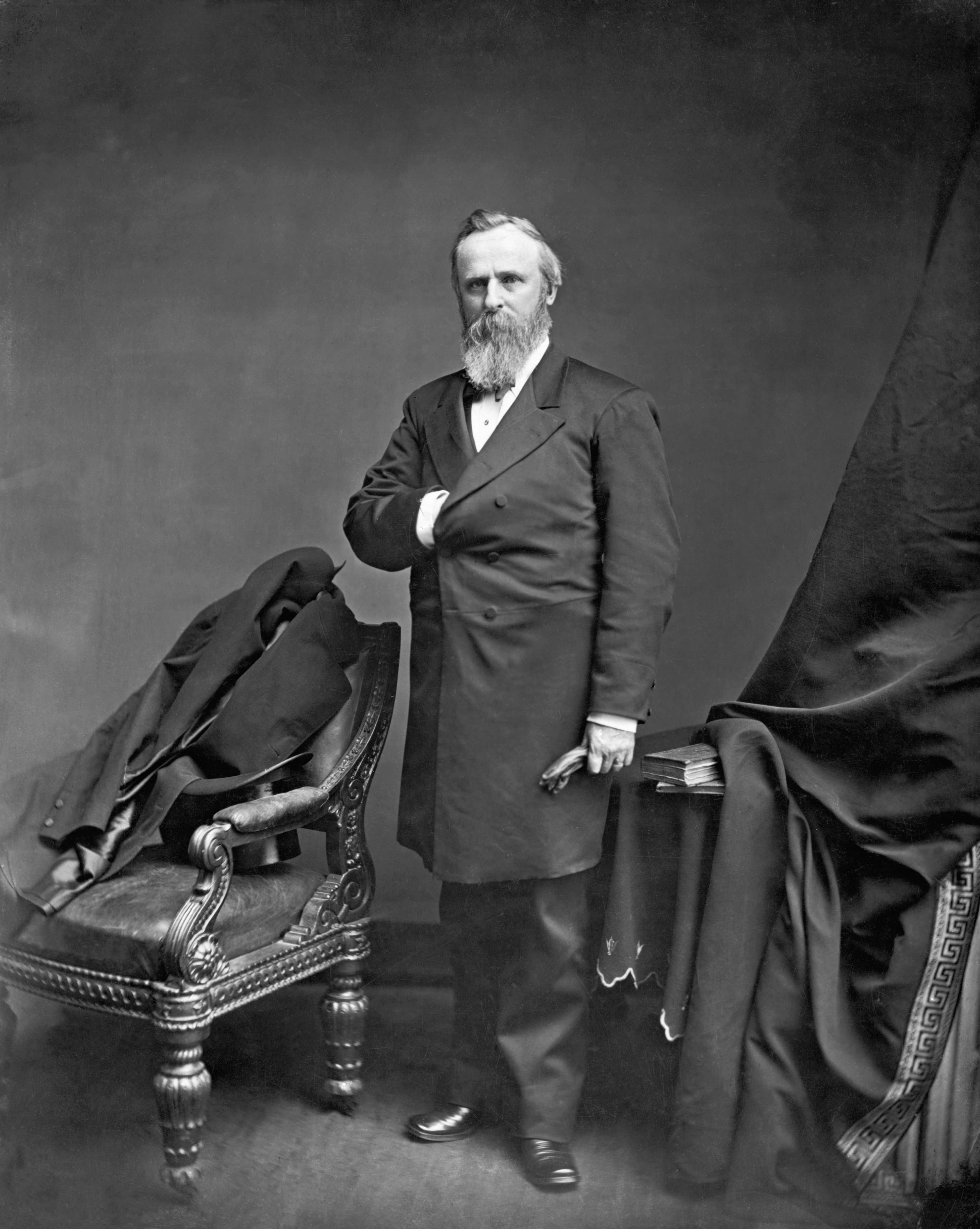
With federal troops withdrawn and Democrats securing a majority in the House of Representatives following the 1874 midterm elections, Southern politicians saw a golden opportunity to legally bar the federal military from domestic law enforcement forever. The charge was led by Representative William Kimmel, a Democrat from Maryland.
In May 1878, Kimmel introduced an amendment to the Army appropriations bill. To build bipartisan consensus, Kimmel strategically bypassed overt racial arguments and instead grounded his campaign in constitutional philosophy. He delivered a passionate, hour-long speech on the House floor, invoking the Founding Fathers’ distrust of standing armies during peacetime. Kimmel argued that the Constitution’s war powers clauses were strictly designed for repelling foreign invasions or suppressing open rebellions, not for policing domestic communities. This argument tapped into a deep-seated American political tradition regarding the separation of powers and the dangers of militarized law enforcement, echoing the classic debate over whose vision of America won out—Hamilton’s or Jefferson’s—when it came to the reach of federal power. On June 18, 1878, President Hayes signed the bill containing the Posse Comitatus Act into law.
Timeline of the Posse Comitatus Act
To see how this legal doctrine evolved, we can map out a chronological timeline of its historical catalysts and subsequent expansions:
- 1850: The Fugitive Slave Act authorizes federal marshals to force civilians and military members into posses to capture runaway slaves.
- 1867: Congress passes the Reconstruction Acts, placing the former Confederacy under military rule to enforce the 13th and 14th Amendments.
- 1871: The Ku Klux Klan Act is passed, giving the president the power to use federal military forces to protect civil rights against Southern white supremacist violence.
- 1876: The disputed presidential election between Hayes and Tilden leads to accusations of military interference at polling stations.
- 1877: The Compromise of 1877 results in the withdrawal of federal troops from the South, ending Reconstruction.
- June 18, 1878: President Rutherford B. Hayes signs the Posse Comitatus Act into law, making it a felony to use the U.S. Army to enforce domestic laws without express congressional authorization.
- 1956: Congress amends the Act to explicitly include the newly created United States Air Force.
- 2021: The National Defense Authorization Act expands the scope of the Posse Comitatus Act to explicitly cover the Navy, Marine Corps, and Space Force.
Major Turning Points & Long-Term Impact
The passage of the Posse Comitatus Act of 1878 was a massive structural turning point in American history, with consequences that reverberated for generations. On one hand, it successfully codified a vital democratic principle: the clear separation between the military and domestic law enforcement, protecting citizens from the potential of military tyranny.
On the other hand, the immediate human cost of this act was devastating. By stripping the federal government of its most effective tool for enforcing civil rights in the South, the act cleared the way for the rise of Jim Crow laws. Southern states quickly enacted discriminatory poll taxes, literacy tests, and segregationist policies that systematically stripped Black Americans of their constitutional rights, ushering in nearly a century of state-sponsored oppression.
Lesser-Known Historical Facts
- The Coast Guard Exception: While the Posse Comitatus Act applies to the Army, Air Force, Navy, Marine Corps, and Space Force, it does not apply to the United States Coast Guard. Operating under the Department of Homeland Security during peacetime, the Coast Guard regularly exercises maritime law enforcement authority.
- The National Guard Loophole: The Act only restricts federal military forces (Title 10). It does not apply to the National Guard when operating under state authority (Title 32) under the command of a state governor. This is why governors can deploy the National Guard to respond to local riots, natural disasters, or civil unrest.
- The Insurrection Act Savior: The most significant exception to the Posse Comitatus Act is the Insurrection Act of 1807. This law allows the president to deploy federal troops domestically to suppress insurrections, rebellions, or when state authorities are unable or unwilling to protect civil rights.
Why the Act Matters Today
In the 21st century, the Posse Comitatus Act remains a vital talking point in debates surrounding executive overreach, civil liberties, and national emergencies. Whenever civil unrest flares up or border security debates intensify, discussions about deploying federal troops on domestic soil inevitably resurface. The law acts as a powerful democratic brake, ensuring that any domestic use of the military must have clear, explicit legal justification. It stands as a reminder that the boundary between keeping the peace and military occupation is a line that a free republic must guard with absolute vigilance.
People Also Ask
What does the Posse Comitatus Act of 1878 do?
The Posse Comitatus Act of 1878 is a federal law that prohibits the use of the U.S. military (specifically federal troops) for domestic law enforcement purposes, such as policing, making arrests, or enforcing local laws, unless explicitly authorized by the Constitution or an Act of Congress.
Does the Posse Comitatus Act apply to the National Guard?
No, the Act does not apply to the National Guard when they are operating under “state active duty” or Title 32 status under the command of their state’s governor. However, if the National Guard is “federalized” under Title 10 status by the president, they become subject to the Act’s restrictions.
Can the president bypass the Posse Comitatus Act?
Yes, through specific statutory exceptions. The most famous exception is the Insurrection Act of 1807, which grants the president the authority to deploy federal military forces domestically to quell rebellions, insurrections, or to enforce federal laws when state authorities fail to do so.
Conclusion
The Posse Comitatus Act of 1878 remains one of the most influential and complex laws in American constitutional history. While it serves as a critical shield protecting citizens against the dangers of a militarized police state, its historical origins are deeply intertwined with the tragic abandonment of Reconstruction and the civil rights of Black Americans. By studying this act, we gain a deeper appreciation for the delicate balance of powers that defines the United States, reminding us that the preservation of liberty requires both the restraint of government power and the active protection of equal rights for all.


