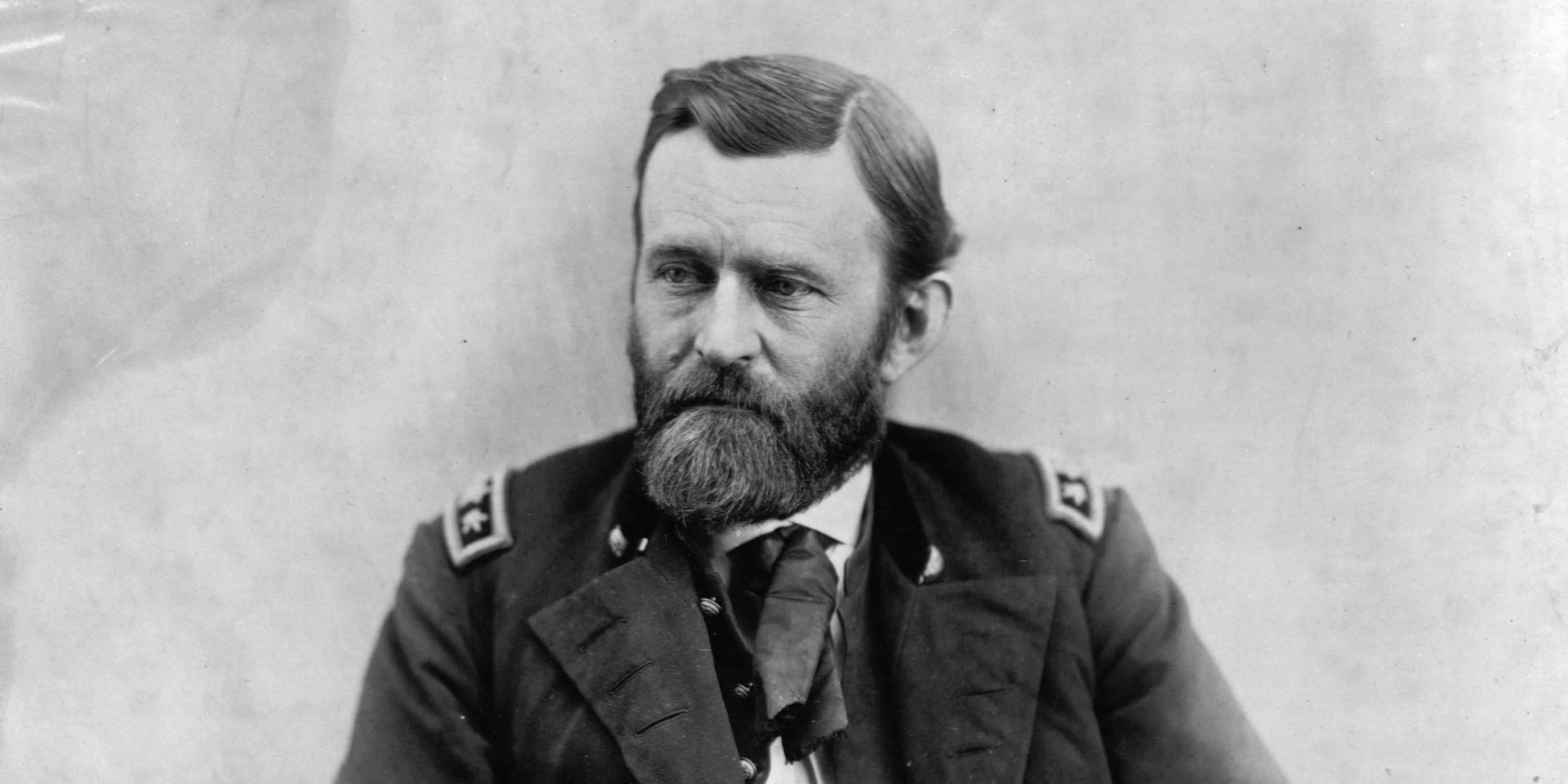
During the tumultuous years of the American Civil War, a dark and often overlooked chapter of civil rights violations unfolded within the Union-controlled territories. In December 1862, Major General Ulysses S. Grant issued General Orders No. 11, an executive decree that officially expelled all Jewish people from his military district within twenty-four hours. This sweeping, discriminatory command targeted an entire religious group, forcing families, business owners, and even Union military veterans to abandon their homes in portions of Kentucky, Tennessee, and Mississippi. It remains the most sweeping anti-Semitic official action in United States history. However, before the devastating order could be fully executed across the South, a courageous campaign led by Jewish victims reached the ears of President Abraham Lincoln. Shocked by the injustice, Lincoln immediately intervened, ordering Grant to revoke the decree and cementing a critical precedent for civil liberties during wartime. Understanding this event reveals the complex intersection of war, prejudice, and executive power in American history.
Historical Background: Anti-Semitism and the Cotton Crisis of 1862
To understand the issuance of General Orders No. 11, one must examine the socio-economic climate of the United States in the mid-19th century. Between 1840 and 1860, the Jewish population in America surged from roughly 15,000 to over 150,000. This demographic shift was largely fueled by waves of immigration from Germany and Central Europe, where Jewish families faced systemic discrimination, economic ruin, and violent pogroms. While many settled in major northern cities, others moved westward and southward, working as peddlers, shopkeepers, and merchants. Despite finding greater freedom in the United States, these new immigrants frequently encountered cultural suspicion, xenophobia, and religious prejudice.
When the Civil War erupted, the economic landscape fractured. The Union blockade of Southern ports severely restricted the flow of cotton, causing prices to skyrocket in the North. This scarcity birthed a highly lucrative black market, as Northern speculators and Southern smugglers traded goods across battle lines. Although both Union and Confederate citizens of all backgrounds participated in this illegal trade, public anxiety and sensationalized media reports quickly found a convenient scapegoat: Jewish merchants. Popular newspapers regularly disparaged Jewish traders, accusing them of being war profiteers and disloyal opportunists who undermined the Union war effort.
General Grant’s Frustration and the Road to Expulsion
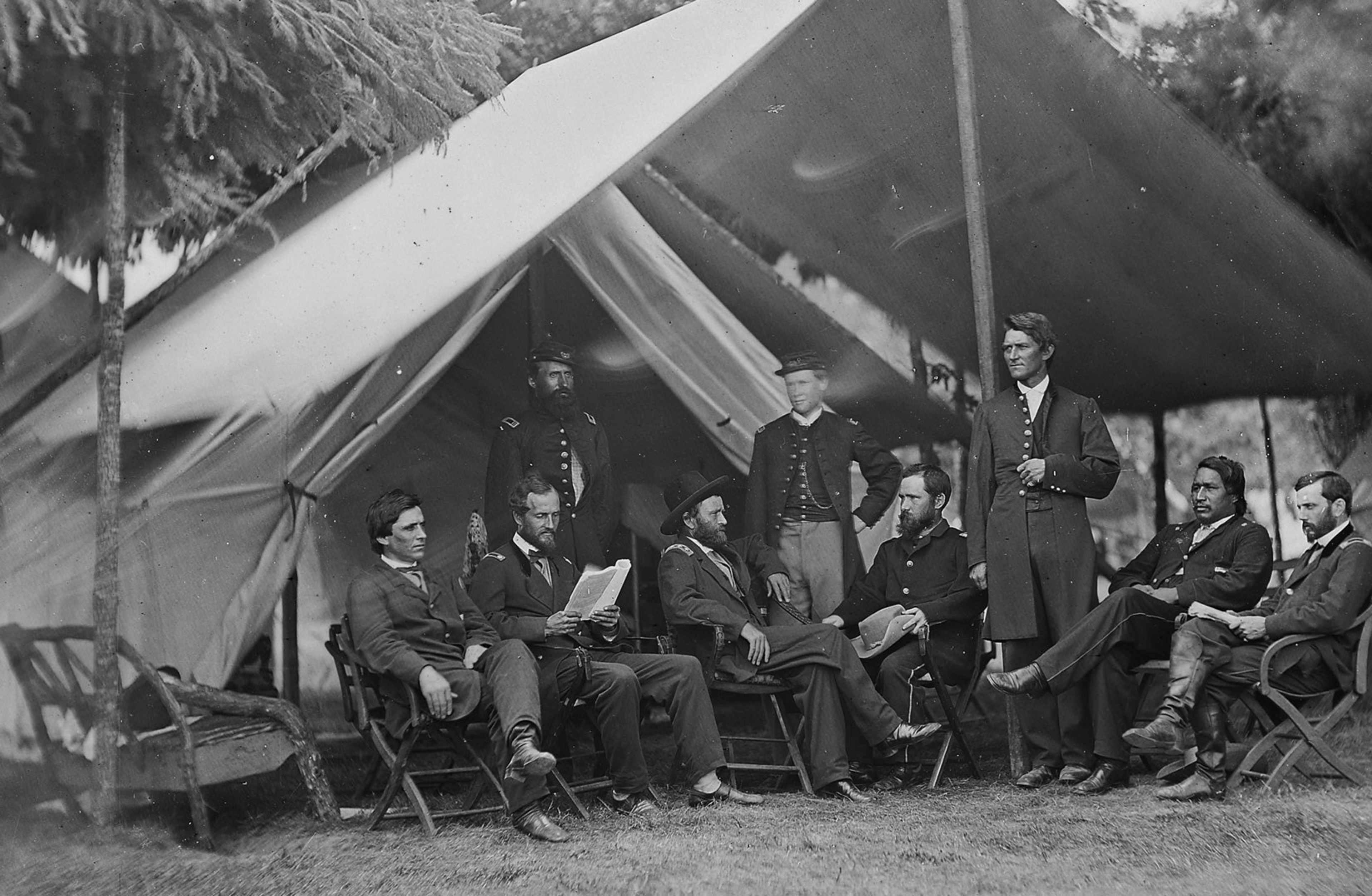
By late 1862, General Ulysses S. Grant was under immense pressure. Headquartered in Mississippi, he was preparing his forces for crucial campaigns around the Mississippi River, particularly during the massive siege of Vicksburg. Frustrated by the rampant smuggling that disrupted his military plans, Grant became convinced that Jewish traders were the primary perpetrators of the illicit cotton trade. His frustration was compounded by personal irritation; his own father, Jesse Grant, had recently partnered with Jewish clothing merchants from Cincinnati in an attempt to secure lucrative cotton permits using the general’s name and influence.
Furious at what he perceived as a systemic conspiracy, Grant began implementing targeted restrictions. In August 1862, he instructed his officers to inspect speculators closely, focusing particularly on Jewish travelers. By November, he had banned Jewish merchants from traveling south of Jackson, Mississippi, on railroads. Finally, on December 17, 1862, Grant issued the infamous General Orders No. 11 from his headquarters in Oxford, Mississippi. The order declared that “the Jews, as a class violating every regulation of trade… are hereby expelled from the department within twenty-four hours from the receipt of this order.”
Chronological Timeline of General Orders No. 11
- August 1862: General Grant issues preliminary instructions to search speculators, specifically singling out Jewish individuals.
- November 1862: Travel restrictions are placed on Jewish merchants, blocking their transit south on military-controlled rail lines.
- December 17, 1862: Grant signs and issues General Orders No. 11, expelling all Jews from the Department of the Tennessee.
- Late December 1862: The order is enforced in Paducah, Kentucky, expelling thirty Jewish families. Cesar Kaskel drafts a telegram protesting the order to President Lincoln.
- January 3, 1863: Cesar Kaskel, accompanied by Representative John A. Gurley of Ohio, meets with President Abraham Lincoln at the White House.
- January 4, 1863: Upon confirming the authenticity of the order, Lincoln officially directs General-in-Chief Henry Halleck to instruct Grant to revoke it immediately.
- January 7, 1863: Grant officially rescinds the order, though the political and social fallout continues to echo.
The Turning Point: Cesar Kaskel’s Mission to the White House
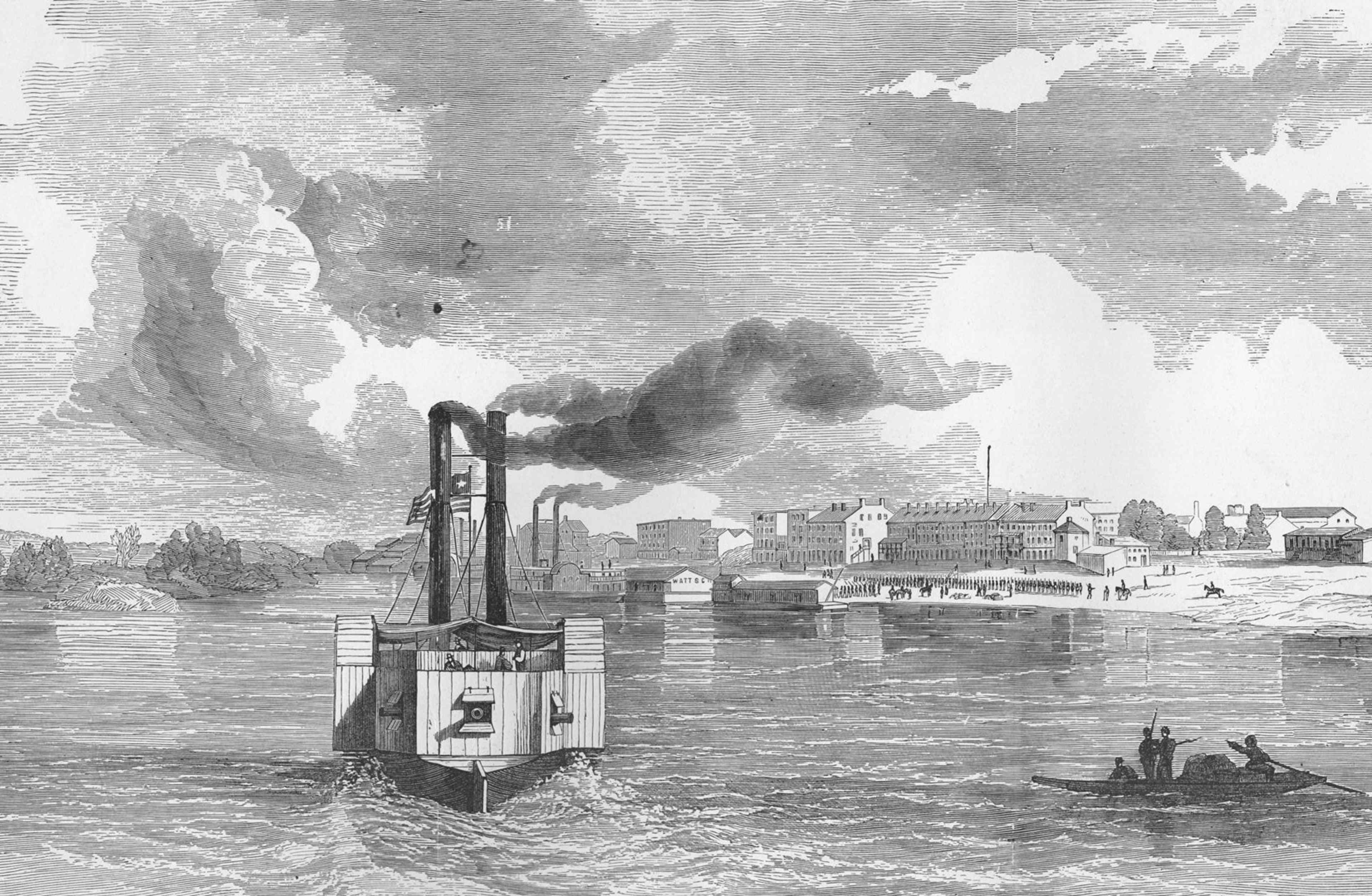
The execution of General Orders No. 11 varied, as communication lines were frequently disrupted by Confederate military raids. However, in Paducah, Kentucky, the order was enforced with devastating efficiency. Thirty Jewish families, including women and children, were given just twenty-four hours to pack their lives and board a steamship heading north. Among them was Cesar Kaskel, a prominent Prussian immigrant and merchant who refused to stay silent. Before boarding the vessel, Kaskel drafted a scathing telegram to President Lincoln, denouncing the order as an unconstitutional violation of their rights as citizens and residents.
Upon reaching safe territory, Kaskel traveled directly to Washington, D.C., determined to appeal the expulsion in person. He secured the assistance of Representative John A. Gurley of Ohio, who recognized the gravity of the military overreach. Together, they obtained an audience with President Lincoln. When presented with the details of Grant’s decree, Lincoln was reportedly astonished, having received no prior notification due to the military’s internal communication gaps. Lincoln promptly realized the injustice, famously stating that he did not intend to allow any class of citizens to be proscribed or banished because some individuals might be guilty of wrongdoing. Lincoln instructed General Halleck to send a telegraphic order of revocation to Grant, using the telegraph network, a technology key to how Abraham Lincoln used the telegraph to help win the Civil War.
Lesser-Known Facts About the Expulsion Order
1. Active Union Veterans Were Among Those Expelled
One of the most tragic ironies of General Orders No. 11 was that it did not spare those who had fought bravely for the Union. Among the thirty Jewish merchants expelled from Paducah, Kentucky, were at least two decorated veterans who had already served in the Union Army, demonstrating their unwavering loyalty to the United States before being unceremoniously banished from their homes.
2. Grant’s Father Was the Unwitting Catalyst
The immediate spark for Grant’s sudden escalation to total expulsion was a visit from his father, Jesse Grant. Jesse had entered into a financial agreement with the Mack Brothers, a prominent Jewish merchandising firm from Cincinnati. The plan was to use Jesse’s familial connection to secure valuable cotton-trading permits from the general. When Grant realized his father was attempting to exploit his military command for personal profit alongside Jewish partners, his anger boiled over, clouding his judgment and leading directly to the sweeping decree.
3. Grant’s Lifelong Quest for Atonement
While General Orders No. 11 remains a permanent stain on his legacy, Ulysses S. Grant spent the rest of his life attempting to atone for his actions. During his 1868 presidential campaign, he issued public apologies, explaining that the order was written in haste without malice or proper reflection. As president, Grant appointed more Jewish Americans to federal positions than any of his predecessors combined. He also utilized American diplomacy to protest the persecution of Jewish minorities abroad, particularly in Romania and Russia, transforming himself into one of the era’s most vocal defenders of Jewish human rights.
Long-Term Impact on America and the Jewish Community
The political backlash from General Orders No. 11 was immense, sparking vigorous debates in the press and Congress about the limits of military authority and the protection of religious freedoms. Most prominent publications, including the New York Times, condemned the collective punishment of an entire religious class. Even though this event strained their early interactions, Lincoln and Grant’s partnership eventually won the Civil War, and the lessons learned from this early administrative disaster shaped Grant’s later approach to governance, civil rights, and minority protections.
Historians argue that the incident marked a pivotal transition for Jewish Americans. By standing up to military authority and securing an immediate executive override, the Jewish community demonstrated their political agency and successfully demanded the full rights of American citizenship. The resolution of the crisis established a vital legal and cultural standard: in the United States, citizens cannot be legally condemned or penalized as a collective group based on their religious identity.
Why This History Still Matters Today
The story of General Orders No. 11 serves as a powerful cautionary tale about the vulnerability of civil liberties during times of national crisis. When a nation is consumed by war or fear, the temptation to scapegoat marginalized groups is a recurring danger. Grant’s hasty order highlights how easily prejudice can override constitutional protections under the guise of national security. By remembering this event, we are reminded of the ongoing necessity to protect religious freedom, reject collective blame, and hold even our most celebrated historical leaders accountable for their actions.
People Also Ask
What was General Orders No. 11?
General Orders No. 11 was a military decree issued by Major General Ulysses S. Grant on December 17, 1862, which ordered the immediate expulsion of all Jewish people from his military district, the Department of the Tennessee, within twenty-four hours.
Why did Ulysses S. Grant expel Jewish people?
Grant issued the order due to his frustration with illicit cotton smuggling and black-market trading across battle lines. He falsely scapegoated Jewish merchants as a class, holding them collectively responsible for the illegal trade despite a lack of evidence linking them uniquely to the smuggling operations.
How did Abraham Lincoln react to General Orders No. 11?
President Abraham Lincoln was shocked by the order when he learned of it from Cesar Kaskel, a Jewish merchant who traveled to Washington to protest. Lincoln immediately ordered General-in-Chief Henry Halleck to instruct Grant to revoke the decree, stating that he would not tolerate the collective punishment of a class of citizens based on religion.
Conclusion
General Orders No. 11 stands as a stark reminder of the fragile nature of civil rights during periods of intense national conflict. Ulysses S. Grant’s sweeping decree threatened to undo the promise of American equality for Jewish immigrants seeking refuge from European persecution. Yet, through the proactive defense of their rights by figures like Cesar Kaskel and the swift, principled intervention of Abraham Lincoln, the order was dismantled. This dark chapter ultimately paved the way for greater inclusion and civil rights advocacy, leaving behind a legacy of resilience and a warning against the dangers of wartime prejudice.


