During the darkest days of the American Civil War, President Abraham Lincoln found an unlikely sanctuary and an unprecedented instrument of power in a quiet room filled with chattering metal keys. Long before the era of modern digital messaging, Lincoln became America’s first “wired president” by embracing the telegraph—a revolutionary technology that fundamentally reshaped the executive office and Union military strategy. By transforming the telegraph from a simple communications tool into an active, real-time command mechanism, Lincoln effectively bridged the massive geographical gap between the White House and the shifting battlefronts. His deeply personal engagement with this nascent technology, which he affectionately referred to as “lightning messages,” allowed him to project presidential authority in a way no global leader had ever done before, ultimately securing a Union victory and modernizing the American command structure.
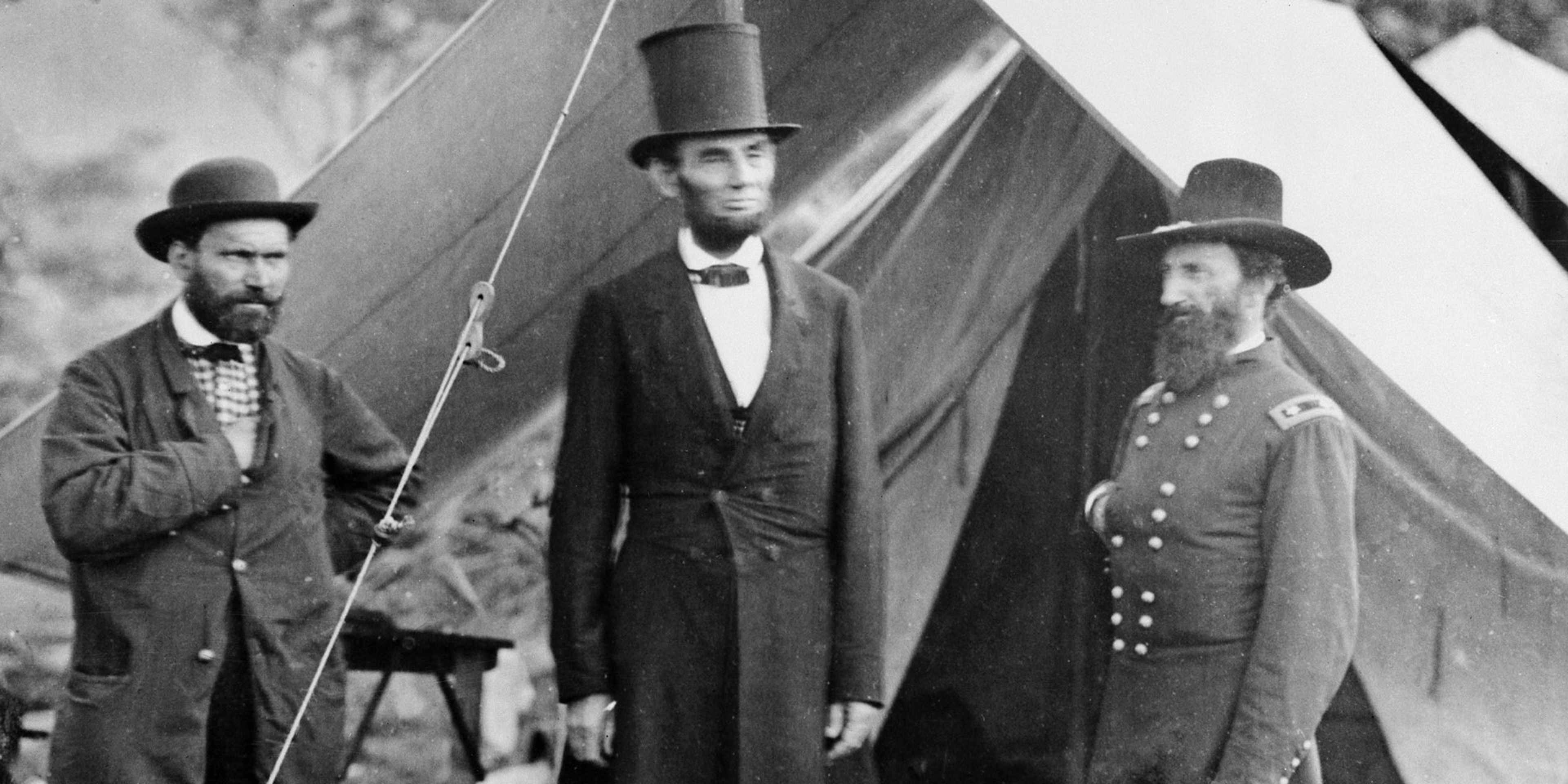
Historical Background and Sociopolitical Context
The American Civil War (1861–1865) erupted during an era of rapid technological transition. For decades prior, military communication was restricted to the physical speed of horses, flags, and ships—methods reminiscent of the history of American communication networks. Although Samuel Morse had successfully demonstrated the electromagnetic telegraph in 1838 and sent his famous first public message in 1844, the United States federal government had been incredibly slow to adopt the technology. Prior to 1861, there was no centralized military communication system; government officials had to wait in line with the general public at Washington’s local commercial telegraph office to send messages. However, the outbreak of secession forced a dramatic reevaluation. The Union needed a way to coordinate vast armies moving across thousands of miles of hostile territory, leading to the creation of the U.S. Military Telegraph Corps. This geographical division highlighted the industrial dominance of the North, which possessed a robust commercial telegraph network, while the South remained geographically fragmented and technologically isolated.
The U.S. Military Telegraph Corps
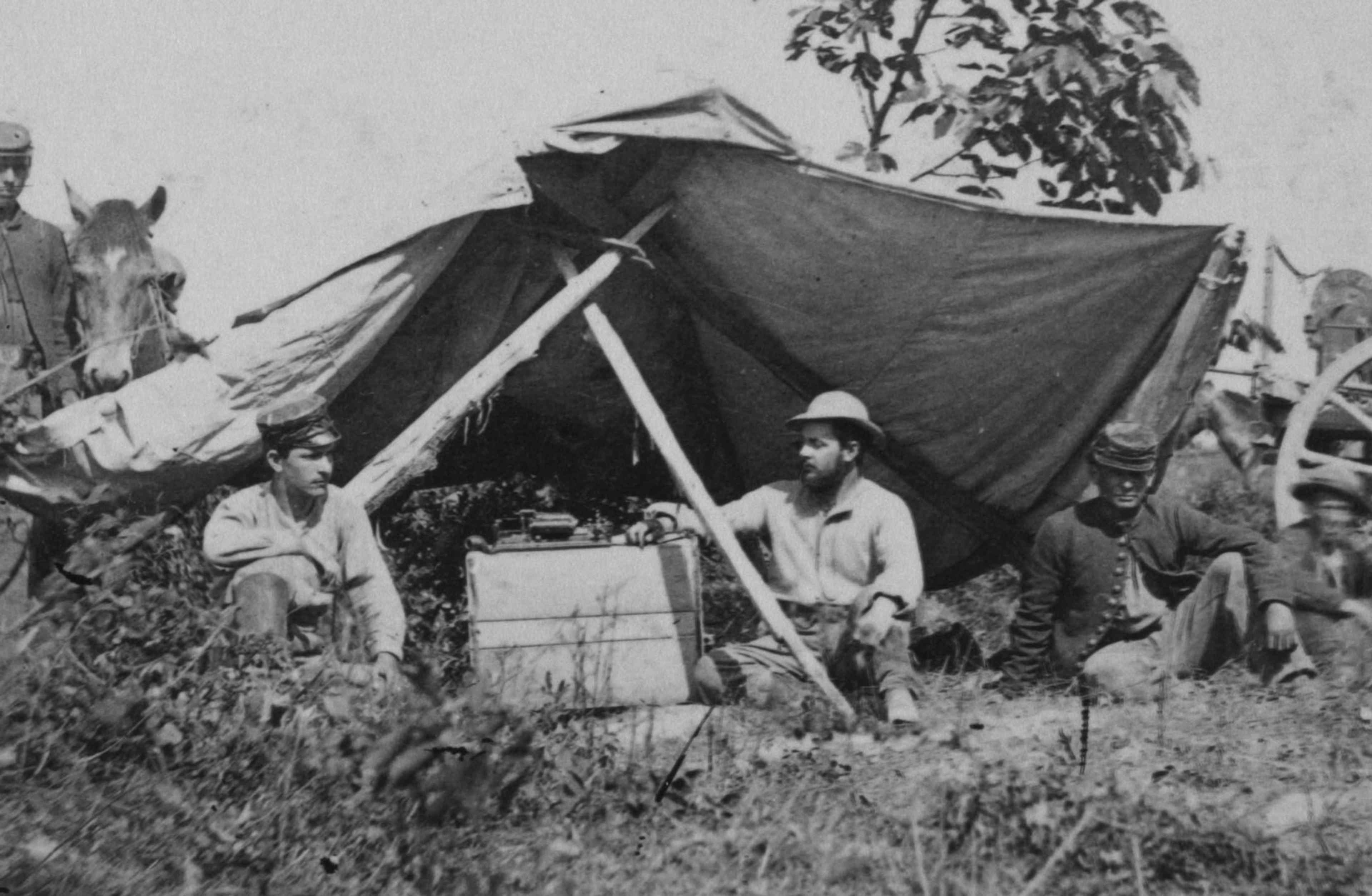
This specialized unit undertook the exceptionally perilous task of laying more than 15,000 miles of telegraph wire directly across active battlefields. Led by innovative minds and staffed by skilled young operators, the Corps connected the front lines directly to a newly established telegraph office inside the old library of the War Department building, located right next to the White House. This setup, established in March 1862, became Lincoln’s second home. The operators worked under constant threat of Confederate sabotage, tapping out crucial tactical intelligence that kept the War Department informed of enemy positions.
Key Figures of the Telegraph Era
- Abraham Lincoln: The 16th President of the United States, whose analytical mind and technological curiosity (he remains the only U.S. president to hold a patent) drove him to utilize the telegraph to bypass slow, bureaucratic military channels.
- Samuel Morse: The inventor whose development of Morse Code and the electromagnetic telegraph laid the physical and logical foundation for this digital leap.
- David Homer Bates: One of the original four operators of the U.S. Military Telegraph Corps, who became a close confidant of the President and later authored “Lincoln in the Telegraph Room,” documenting Lincoln’s late-night visits.
- General Ulysses S. Grant: The Union General-in-Chief whose aggressive campaign strategies were coordinated and supported by Lincoln’s real-time telegrams.
- Edwin Stanton: The formidable Secretary of War who oversaw the War Department and drafted the tragic final telegram announcing Lincoln’s death.
Key Events and Technological Timeline
- January 6, 1838: Samuel Morse first publicly demonstrates the electromagnetic telegraph at the Speedwell Iron Works in New Jersey.
- May 24, 1844: Morse transmits the historic message, “What hath God wrought!” from Washington, D.C., to Baltimore.
- April 1861: The American Civil War begins, exposing critical Union communication vulnerabilities.
- October 1861: The U.S. Military Telegraph Corps is officially organized.
- March 1862: The War Department telegraph office is established in Washington, D.C., becoming Lincoln’s primary command center.
- May 24, 1862: Disappointed by sluggish military progress, Lincoln sends a flurry of direct, tactical telegrams ordering his generals to intercept Confederate General Stonewall Jackson in the Shenandoah Valley, marking his transition to an active commander-in-chief.
- July 1863: Major Union victories at Gettysburg and Vicksburg are reported instantly via wire. Lincoln celebrates with the telegraph operators.
- April 1865: Lincoln sends personal dispatches from City Point, Virginia, reporting Grant’s progress. Following his assassination, Secretary of War Edwin Stanton uses the telegraph to break the news of Lincoln’s death to the nation.
Major Turning Points and Command Strategy
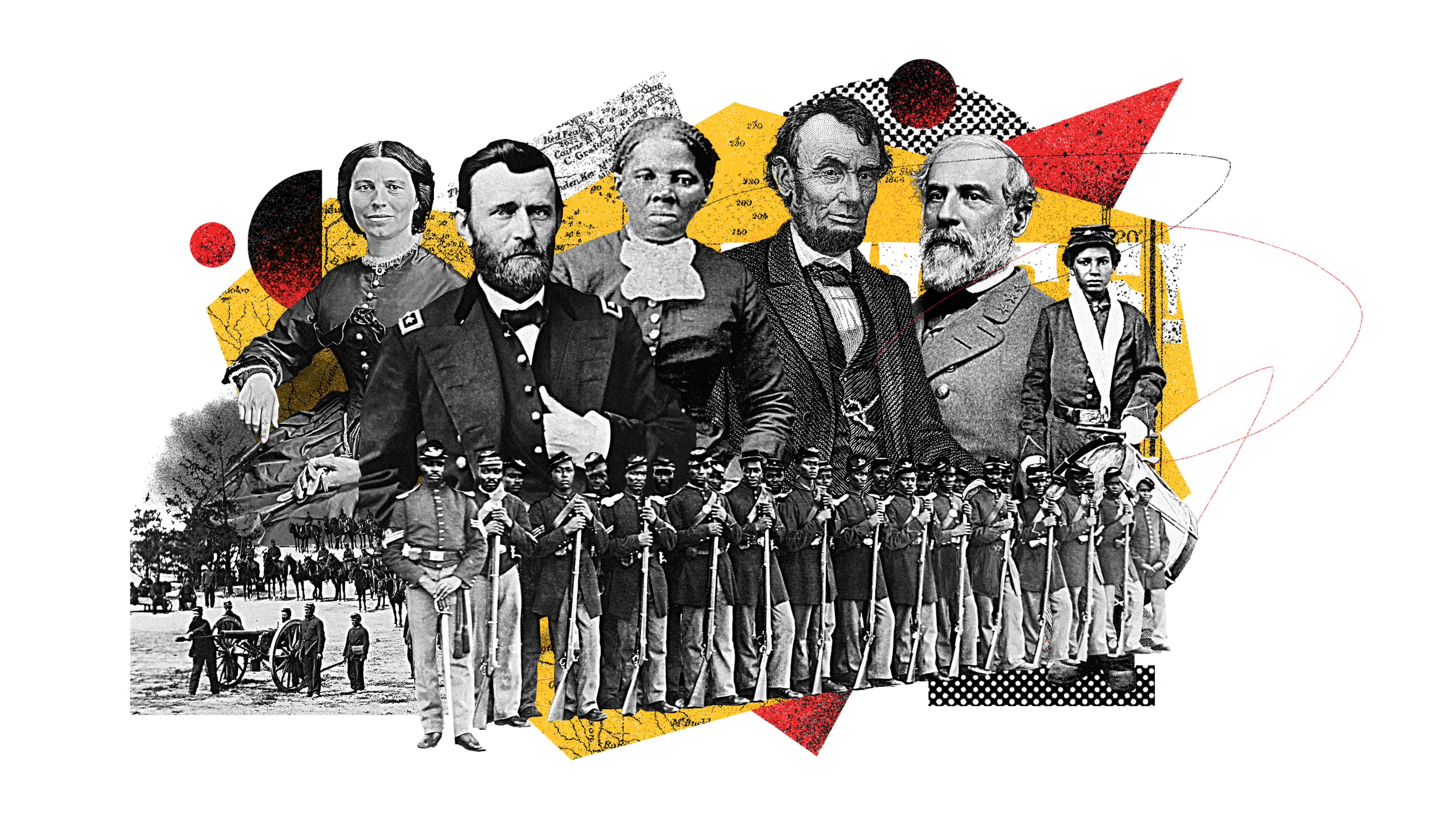
Lincoln’s use of the telegraph evolved dramatically. During the first year of his presidency, he sent barely one telegram a month. However, as the war dragged on and Union generals demonstrated a frustrating reluctance to advance, Lincoln realized he could use the technology to seize control of the war effort. The telegraph became his “Big Ear” to monitor troop movements and his “Long Arm” to enforce his will. For example, when General Ulysses S. Grant resisted attempts to pull troops away from the siege of Petersburg in 1864, Lincoln read the communication traffic and stepped in with a famous telegram, instructing Grant to “Hold on with a bull-dog grip, and chew and choke as much as possible.” This level of direct, real-time command was entirely unavailable to Confederate President Jefferson Davis, whose lack of a centralized telegraph network and scarce southern infrastructure severely hindered Confederate strategic coordination. This technological disparity played an essential role alongside the courage of those contributing to the contributions to the Union cause in securing a Northern victory.
Lesser-Known Facts about Lincoln’s Telegraph Room
- The President’s Sanctuary: Lincoln viewed the telegraph office not just as a military command center, but as a peaceful refuge. He frequently joked that he went there to “escape his persecutors”—the relentless crowds of job-seekers and favor-askers who thronged the White House daily.
- An Informal Leader: In the telegraph room, Lincoln abandoned presidential formality. He told homespun, humorous stories, befriended the young operators, and even bought them beer to celebrate major victories, completely flouting strict military regulations.
- Slept on a Cot: During critical, high-stakes battles, Lincoln could not bear the anxiety of waiting at the White House. He spent entire nights in the telegraph office, sleeping on a simple cot so he could read the “lightning messages” the moment they were transcribed from Morse Code.
Long-Term Impact on America
Lincoln’s adoption of the telegraph revolutionized the American presidency and the nature of warfare itself. It established the modern concept of the President as an active, hands-on Commander-in-Chief. This shift centralized executive power and created the conceptual blueprint for the modern military command centers used today, such as the White House Situation Room. Culturally, it initiated the expectation of rapid, transparent news from the front lines, permanently changing how the American public and government interact during times of national crisis.
Why It Still Matters Today
The story of Lincoln and the telegraph is the direct ancestor of today’s hyper-connected political landscape. Just as Lincoln used the 19th-century version of short-form instant messaging to bypass traditional channels and project raw leadership, modern leaders use social media platforms, direct emails, and instant messaging to communicate with the public and direct global policy. Understanding Lincoln’s telegraphic presidency helps us appreciate how technological breakthroughs will always reshape the boundaries of executive power, public communication, and military strategy.
People Also Ask
Did Abraham Lincoln invent the telegraph?
No, the telegraph was invented by Samuel Morse and other innovators in the late 1830s and 1840s. However, Lincoln was highly technologically literate and is the only American president to hold a patent (for a device to lift boats over shoals).
How many telegrams did Abraham Lincoln write during the Civil War?
Lincoln wrote nearly 1,000 telegrams during his presidency. These short, concise messages allowed him to communicate directly with his generals in real time, projecting presidential authority from Washington, D.C.
Why did the Union have a better telegraph system than the Confederacy?
The North had a much more developed industrial infrastructure, including thousands of miles of existing commercial telegraph lines. Additionally, the Union established the highly organized U.S. Military Telegraph Corps, whereas the South lacked the materials, centralized authority, and unified network to match this capability.
Conclusion
Abraham Lincoln’s mastery of the telegraph was a watershed moment in American history. By recognizing the immense potential of “lightning messages,” he bridged the gap between raw technological invention and practical, strategic application. This innovative spirit not only helped save the Union during its greatest existential crisis but also permanently transformed the American presidency, laying the groundwork for the modern, fast-paced communication systems that govern our world today.


