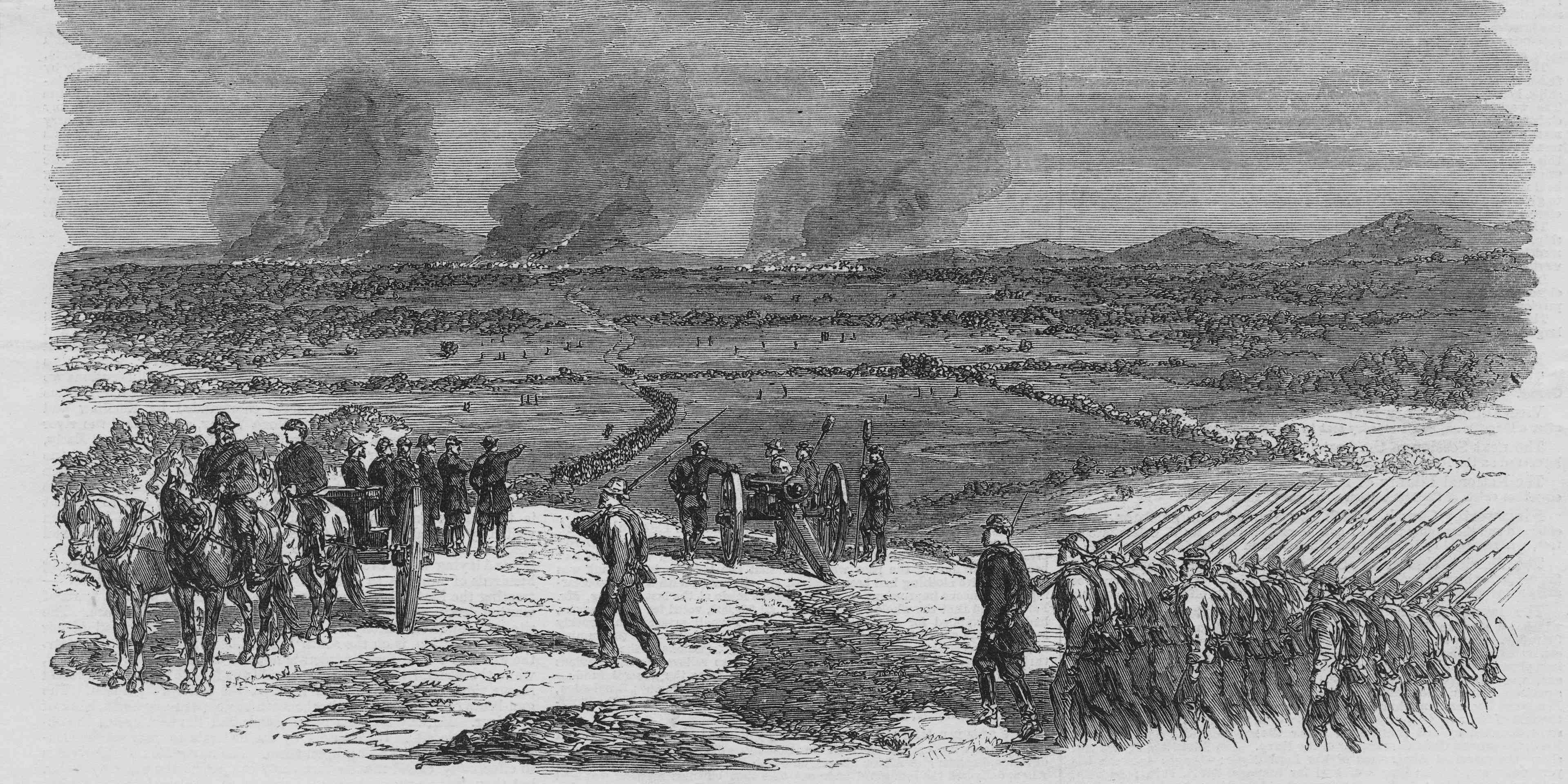
The Shenandoah Valley of Virginia, nestled between the majestic Blue Ridge Mountains to the east and the rugged Allegheny Mountains to the west, served as one of the most critical and fiercely contested theaters of the American Civil War. Spanning from 1861 to 1865, the Shenandoah Valley Campaigns saw a series of brilliant maneuvers, devastating clashes, and hard-fought victories that dramatically altered the course of the nation’s bloodiest conflict. Known alternatively as the “Breadbasket of the Confederacy” for its rich agricultural output and the “Valley of Humiliation” for the Union due to their early, successive defeats there, this geographic corridor was of immense strategic value. For years, Confederate commanders utilized the natural topography of the Valley to launch daring incursions into Northern territory, threatening Washington, D.C., and forcing Union leaders to repeatedly divert vital troops away from their primary offensives. Understanding these campaigns is key to grasping how the Civil War transformed from a traditional, limited conflict into a harsh war of attrition that ultimately paved the way for the modern United States.
The Strategic Importance and Geographical Context
To understand why the Shenandoah Valley was so fiercely contested, one must look at a map. Unlike many North American river valleys, the Shenandoah River flows southwest to northeast. In military terms, this meant that when a Confederate army marched “down” the Valley (heading north), they were actually moving toward the Potomac River and the doorstep of the Union. By crossing the Potomac, Confederate forces could easily sever the Baltimore and Ohio Railroad, isolate Washington, D.C., and threaten major Northern cities like Baltimore and Philadelphia. Furthermore, the Blue Ridge Mountains acted as a natural screen, hiding Confederate troop movements from Union observers in the east.
Conversely, when Union armies marched “up” the Valley (heading south) to eliminate this threat, they found themselves moving further away from Richmond, the Confederate capital, and deeper into hostile territory with increasingly strained supply lines. Additionally, the Valley was highly fertile, producing massive quantities of wheat, corn, livestock, and fruit that fed General Robert E. Lee’s Army of Northern Virginia. As long as the Confederacy held the Valley, its armies could stay fed, and its leaders held a geographic shotgun pointed directly at the heart of the Union.
The 1862 Valley Campaign: Stonewall Jackson’s Masterclass
In the spring of 1862, the Confederacy faced an existential crisis. Union General George B. McClellan was launching his massive Peninsula Campaign, moving a colossal army toward Richmond from the east. To prevent Union reinforcements under General Irwin McDowell from joining McClellan, Confederate General Thomas “Stonewall” Jackson was tasked with launching a diversionary campaign in the Shenandoah Valley.
What followed remains one of the most celebrated campaigns in military history. Commanding a force of only 17,000 men, Jackson faced three separate Union armies totaling more than 50,000 soldiers. Utilizing extreme speed, geographical deception, and aggressive tactics, Jackson’s men earned the nickname “foot cavalry” by marching over 650 miles in just 48 days.
Jackson’s campaign was a masterclass in exploiting interior lines. He struck his divided opponents before they could concentrate their forces, winning five major victories in rapid succession:
- Battle of Kernstown (March 23, 1862) – Though technically a tactical defeat, it alarmed Washington into believing Jackson had a much larger force.
- Battle of Front Royal (May 23, 1862) – Jackson surprised and routed a Union garrison, forcing a general Federal retreat.
- First Battle of Winchester (May 25, 1862) – A decisive victory that drove Union General Nathaniel Banks across the Potomac.
- Battle of Cross Keys (June 8, 1862) – Jackson defeated Union General John C. Frémont’s forces.
- Battle of Port Republic (June 9, 1862) – Jackson defeated Union General James Shields, concluding the campaign.
Jackson’s ability to slip away from overwhelming Union forces is still studied as one of the most brilliant strategic maneuvers in military history, akin to some of the greatest tactical withdrawals and brilliant military retreats of all time. By pinning down tens of thousands of Union soldiers who were desperately needed near Richmond, Jackson single-handedly saved the Confederate capital from early capture and cemented his legendary status.
The 1864 Campaigns: Jubal Early’s Raid and Sheridan’s “Burning”
By 1864, the tide of the war had shifted, but the Shenandoah Valley remained a persistent thorn in the Union’s side. In June 1864, Union General Ulysses S. Grant sought to cut off Lee’s supply lines by sending forces into the Valley. In response, Lee dispatched General Jubal Early with a corps of veteran soldiers. Early not only cleared the Valley of Union troops but launched a stunning raid across the Potomac, advancing to the very suburbs of Washington, D.C., where he engaged Union defenders at the Battle of Fort Stevens in July 1864. President Abraham Lincoln himself came under fire while observing the battle.
Recognizing that the Valley had to be secured once and for all, Grant appointed General Philip Sheridan to command the newly created Army of the Shenandoah. Sheridan was given two clear mandates: destroy Jubal Early’s army and strip the Shenandoah Valley of its agricultural capacity so thoroughly that “a crow flying over it would have to carry his own rations.”
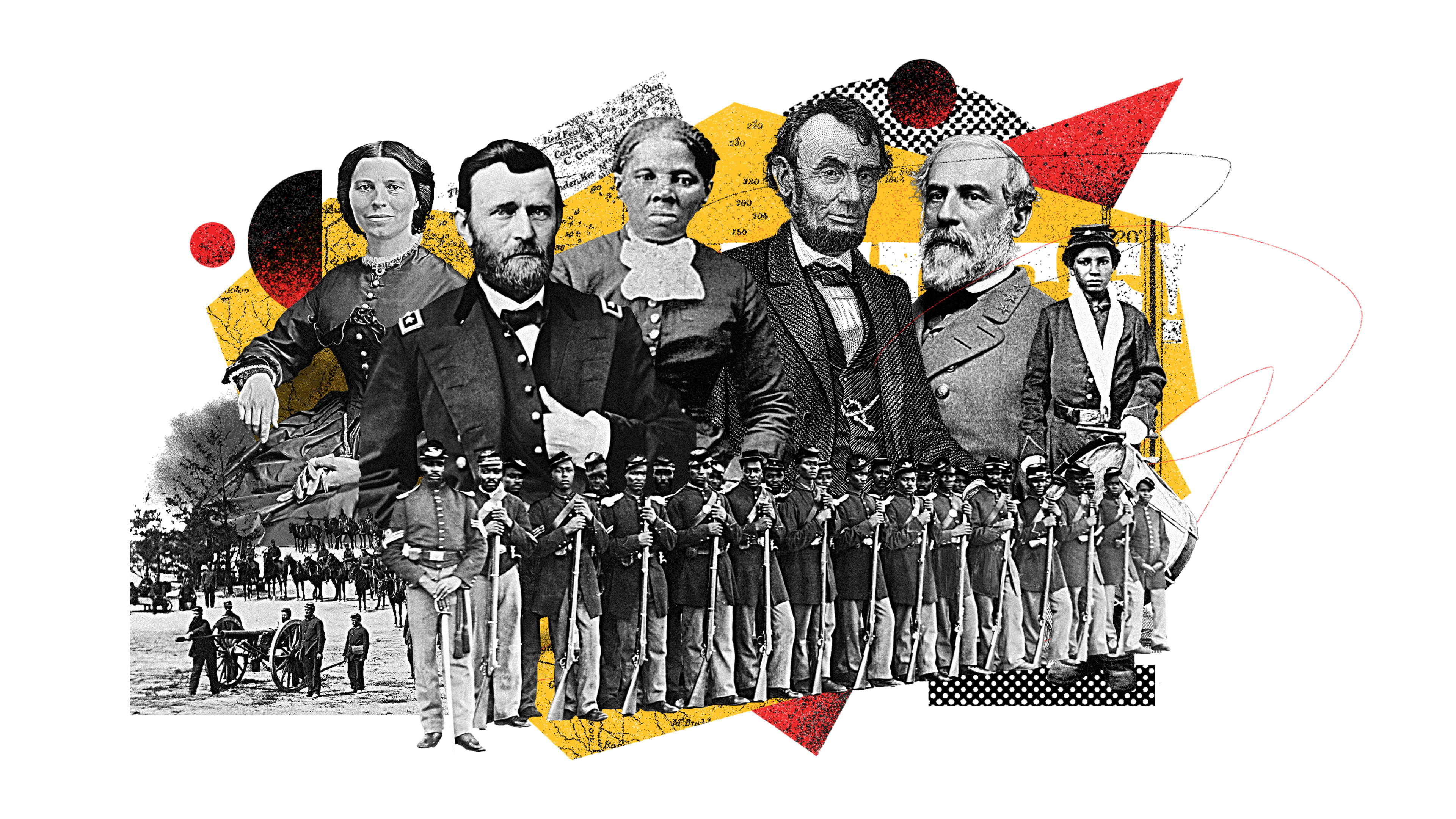
Sheridan launched an aggressive, highly mobile campaign in the autumn of 1864, securing three pivotal victories that broke the back of Confederate power in the region:
The Third Battle of Winchester (September 19, 1864)
In the largest battle ever fought in the Valley, Sheridan’s 40,000-man army clashed with Early’s 12,000 defenders. Despite stiff Confederate resistance, Sheridan’s superior numbers and a devastating cavalry charge led by General George Armstrong Custer broke the Confederate line, forcing Early to retreat south.
The Battle of Fisher’s Hill (September 22, 1864)
Just days later, Sheridan caught up with Early’s regrouped forces at Fisher’s Hill. Employing a brilliant flanking maneuver, Union forces rolled up the Confederate left flank, sending Early’s army into a disordered retreat and leaving the upper Valley completely open to Union occupation.
“The Burning” and the Battle of Cedar Creek (October 19, 1864)
With Early temporarily neutralized, Sheridan executed “The Burning” (or the Red River of the Valley). Union troops systematically destroyed crops, burned barns, slaughtered livestock, and demolished mills. The agricultural engine of the Confederacy was laid to waste.
However, the defiant Jubal Early was not done. On the morning of October 19, while Sheridan was away in Winchester, Early launched a brilliant surprise attack through dense fog, routing the Union camps at Cedar Creek. Hearing the distant roar of artillery, Sheridan rode furiously on his horse, Rienzi, covering 20 miles to reach the front. Arriving just as his men were retreating, Sheridan rallied his forces, reorganized the lines, and launched a massive afternoon counterattack that completely crushed Early’s army, capturing dozens of Confederate cannons and securing undisputed Union control over the Valley.
The deep ideological divisions that fractured the nation in 1861 were a far cry from the unified struggle of the American Revolution, yet both conflicts fundamentally reshaped the American constitutional landscape. Sheridan’s decisive triumph at Cedar Creek gutted Confederate morale and acted as a major political boost, helping secure Abraham Lincoln’s re-election in November 1864.
Key Historical Figures
- Thomas “Stonewall” Jackson (Confederate): His tactical genius during the 1862 campaign delayed Union forces and elevated him to a near-mythic status across the South.
- Philip Sheridan (Union): Known for his aggressive tactics and implementation of total war, Sheridan destroyed the Valley’s infrastructure and eliminated it as a Confederate invasion route.
- Jubal Early (Confederate): A stubborn and aggressive commander who nearly captured Washington, D.C., but was ultimately overwhelmed by Sheridan’s superior numbers and resources.
- George Armstrong Custer (Union): A daring cavalry commander whose bold charges at Winchester and Cedar Creek earned him national fame, long before his fateful stand at the Little Bighorn.
Lesser-Known Facts and Historical Anecdotes
The VMI Cadets at New Market: On May 15, 1864, as Union forces advanced during the Battle of New Market, the Confederate lines began to crack. Out of desperation, Confederate General John C. Breckinridge ordered 257 young cadets from the Virginia Military Institute (some as young as 15) into the fray. The cadets charged bravely across a muddy field, capturing a Union artillery piece and helping secure a temporary Southern victory.
Sheridan’s Ride and Presidential Politics: After his legendary 20-mile ride to save his army at Cedar Creek, Sheridan became an overnight sensation. The event was immortalized in a highly popular poem, “Sheridan’s Ride,” by Thomas Buchanan Read. The cultural impact of this victory restored Northern confidence in the war effort, ensuring Lincoln’s victory over the peace-advocating Democratic candidate, George McClellan.
Long-Term Impact and Why It Matters Today
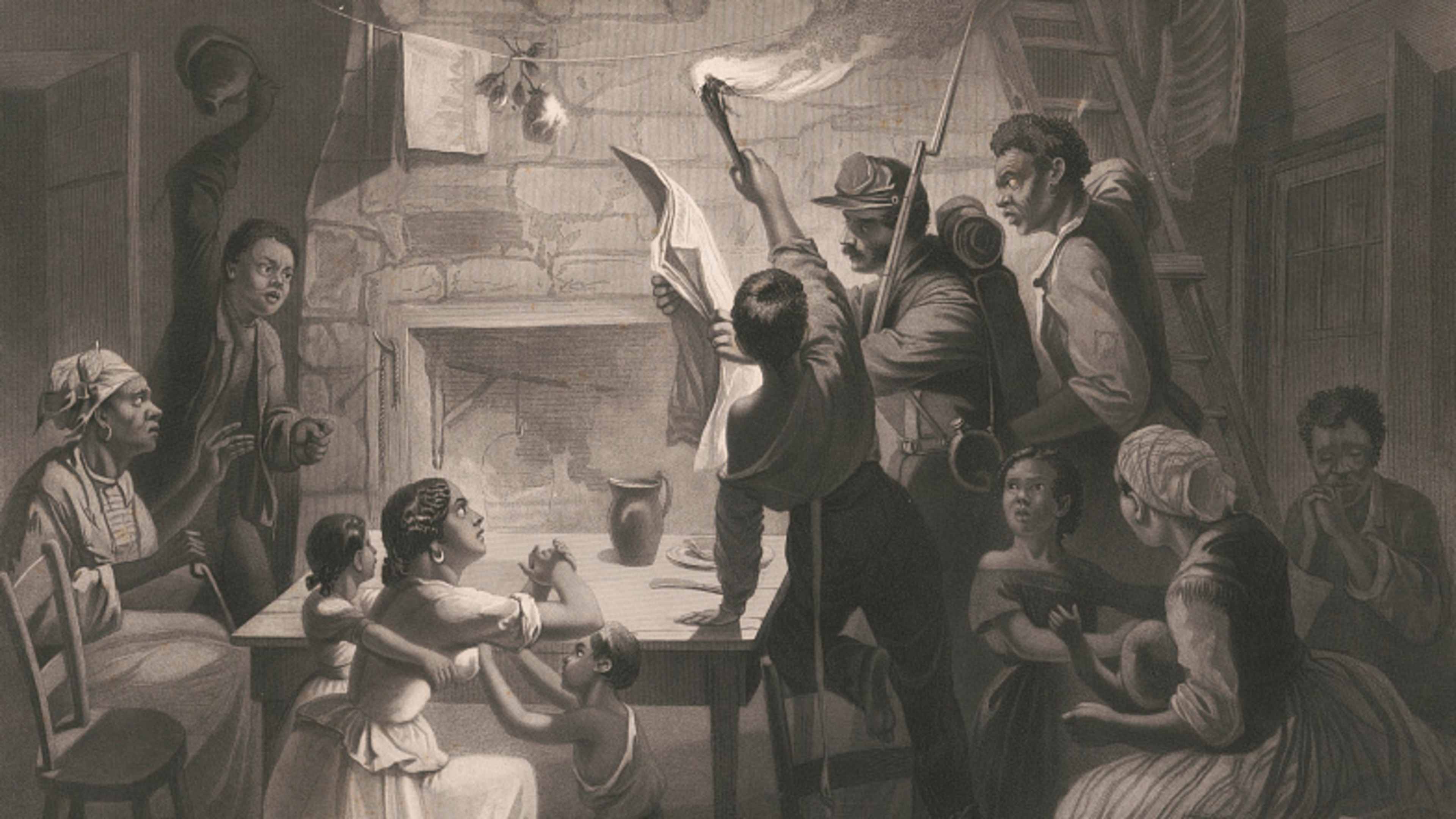
The Shenandoah Valley Campaigns marked a major transition in the nature of modern warfare. Sheridan’s scorched-earth policy during “The Burning” foreshadowed General William Tecumseh Sherman’s famous “March to the Sea” in Georgia, demonstrating that defeating an enemy meant not just beating their armies, but completely dismantling their economic and agricultural capacity to wage war. As the Union army advanced and eventually established control, thousands of formerly enslaved people sought refuge behind Federal lines, foreshadowing the heroic service of African American soldiers and military heroes who would enlist to secure their own freedom.
Today, the lessons of the Shenandoah Valley are still studied in military academies worldwide, particularly the concepts of mobility, interior lines, and logistics. Organizations like the American Battlefield Trust work tirelessly to preserve these pristine landscapes, allowing modern visitors to walk the fields where the destiny of a reunited America was forged.
People Also Ask (FAQ)
Why was the Shenandoah Valley called the “Breadbasket of the Confederacy”?
The Valley was highly fertile and produced immense quantities of wheat, livestock, and agricultural goods. These resources were critical for feeding the Confederate civilian population and provisioning General Robert E. Lee’s Army of Northern Virginia.
What was Stonewall Jackson’s “Foot Cavalry”?
This term refers to Jackson’s infantrymen during the 1862 Valley Campaign, who marched with such unprecedented speed and endurance—sometimes covering up to 30 miles a day—that they seemed to move as fast as cavalry forces.
What was “The Burning” in the Shenandoah Valley?
Occurring in late 1864, “The Burning” was Union General Philip Sheridan’s systematic destruction of the Valley’s agricultural resources, designed to starve out Confederate armies and eliminate the region as a source of supplies.
Conclusion
From the brilliant tactical maneuvers of Stonewall Jackson in 1862 to the ruthless total war waged by Philip Sheridan in 1864, the Shenandoah Valley Campaigns were central to the trajectory of the American Civil War. By neutralizing the Valley, the Union army severed Lee’s supply lines, secured the defense of Washington, D.C., and paved the way for the eventual Confederate surrender at Appomattox. The legacy of these campaigns lives on in modern military strategy, battlefield preservation, and our understanding of the high cost of American unity.


