The Battle of Antietam, fought on September 17, 1862, stands as the single bloodiest day in American military history. Occurring along the peaceful, winding waters of Antietam Creek near the quiet town of Sharpsburg, Maryland, this monumental clash brought Confederate General Robert E. Lee’s first Northern invasion to a violent, grinding halt. It was a crucial, high-stakes turning point in the American Civil War, pitting the battle-hardened Confederate Army of Northern Virginia against Major General George B. McClellan’s massive Union Army of the Potomac. The stakes could not have been higher; the outcome of this single day of unimaginable carnage would not only shape the military trajectory of the conflict but would also permanently redefine the moral purpose of the Union cause, paving the way for President Abraham Lincoln to issue the preliminary Emancipation Proclamation. Understanding the history of Antietam is essential to understanding how the United States survived its deepest existential crisis and set itself on a painful but necessary path toward true freedom and civil rights for all.
Historical Background and the Catalyst for Conflict
By the late summer of 1862, the Confederate States of America was riding a wave of immense military success in the Eastern Theater. Following a decisive and humiliating defeat of Union forces at the Second Battle of Bull Run (Second Manassas) in August, Confederate General Robert E. Lee sought to capitalize on his momentum. He made the daring, highly strategic decision to cross the Potomac River and launch his first invasion of the Northern states, entering Maryland.
Lee’s objectives for this Maryland Campaign were multi-faceted. Tactically, he hoped to gather fresh supplies from Maryland’s rich, unravaged agricultural fields, disrupt Northern railroad communication, and recruit sympathetic Marylanders to the Confederate cause. Politically, Lee believed that a major Confederate victory on Northern soil would shatter Northern morale, influence the upcoming mid-term congressional elections, and—most importantly—convince European powers, namely Great Britain and France, to formally recognize the Confederacy and intervene in the war. Conversely, the Union was in a state of deep distress; civilian morale was low, and President Abraham Lincoln desperately needed a major military success to assert authority and alter the global perception of the war.
The Tactical Chronology of September 17, 1862
To fully comprehend the sheer scale of the tragedy and bravery at Antietam, one must examine how the day unfolded. The conflict is traditionally divided into three distinct chronological phases, shifting geographically across the landscape from north to south.
Phase One: The Morning in the Cornfield and West Woods
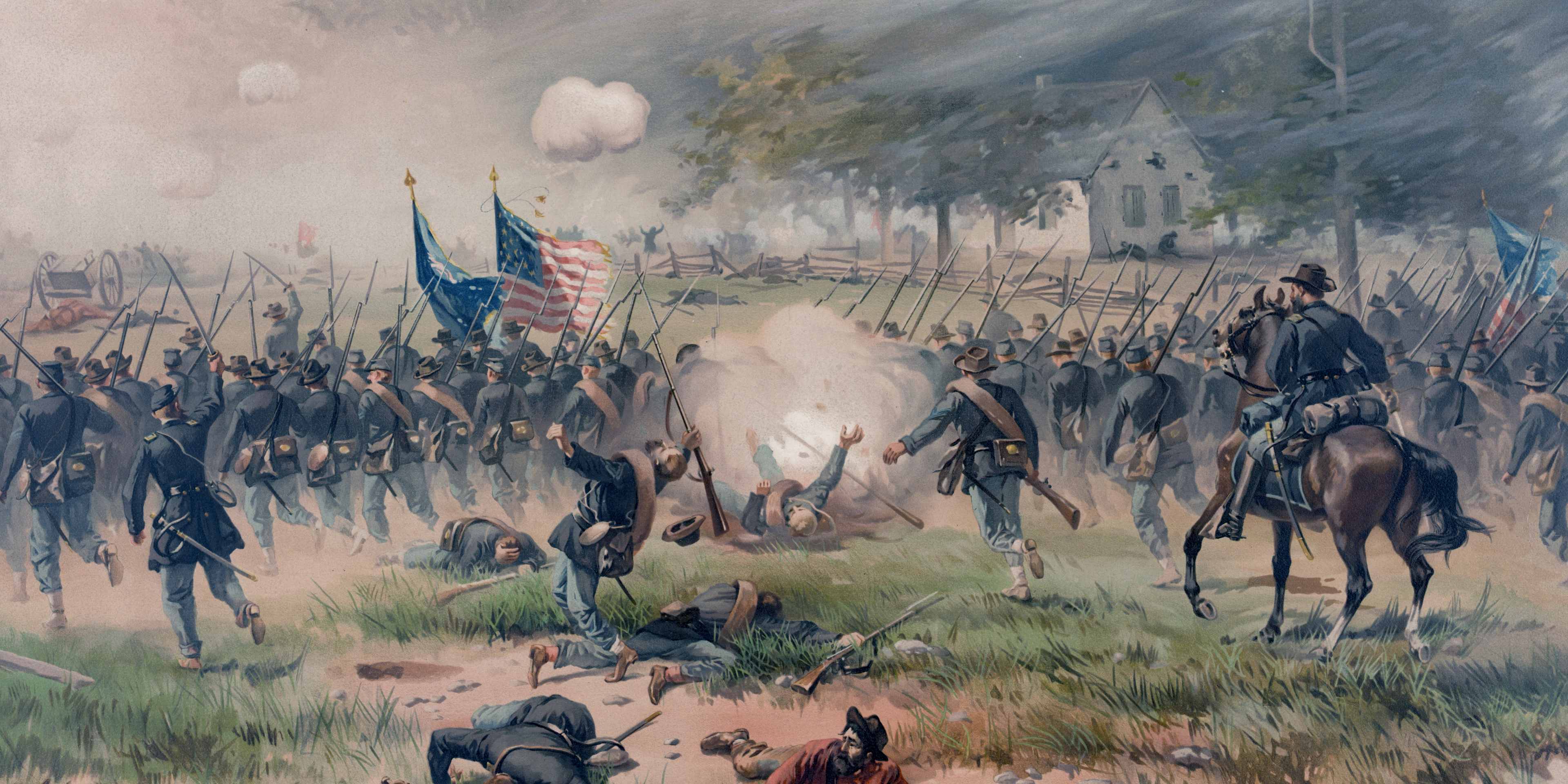
The fighting commenced at first light, around 5:30 AM, under a thick layer of autumn fog. Union Major General Joseph Hooker’s I Corps launched a powerful assault on the Confederate left flank. The focus of this initial, brutal clash was a thirty-acre cornfield owned by local farmer David R. Miller. For over three hours, troops from both sides charged, retreated, and clashed in hand-to-hand combat amidst the stalks of corn. The field was cut down as clean as if it had been harvested with a scythe, leaving thousands of bodies in its wake.
Nearby, Union forces pushed desperately into the West Woods and around a modest, whitewashed building known as the Dunker Church, which belonged to a pacifist sect of German Baptist Brethren. Despite massive casualties on both sides, neither army could secure a permanent advantage, and by mid-morning, the ground was thick with the dead and dying.
Phase Two: The Midday Struggle at the Sunken Road
As the morning combat in the north sputtered into a bloody stalemate, the focus of the battle shifted to the Confederate center. Here, a division of Confederate soldiers under General D.H. Hill held a formidable defensive position along an old, eroded farm lane that had been worn down by years of wagon traffic. This natural trench, known forever after as “Bloody Lane,” became the scene of some of the most concentrated slaughter of the entire war.
For over three hours, waves of Union soldiers charged across open fields toward this sunken road. Eventually, Union forces managed to gain an advantageous flanking position, allowing them to fire down the length of the lane, turning the trench into a horrific tomb filled with bodies stacked several deep. Despite breaking the Confederate center, General McClellan chose not to commit his reserves to exploit the breakthrough, allowing Lee to patch up his line.
Phase Three: The Afternoon at Burnside’s Bridge
The final phase of the battle occurred on the Confederate right flank, southeast of Sharpsburg. Union Major General Ambrose Burnside was tasked with crossing Antietam Creek to press Lee’s right. For hours, a small force of a few hundred Georgian sharpshooters positioned on high, wooded bluffs successfully pinned down Burnside’s entire corps of over 12,000 men at what is now called Burnside’s Bridge.
After multiple costly and delayed attempts, Union forces finally forced a crossing and began pushing the Confederates back toward the town. Just as Lee’s right flank was on the verge of collapsing, Confederate Major General A.P. Hill’s Light Division arrived from Harper’s Ferry after an intense, fast-paced march. Hill’s troops launched a sudden counterattack, stopping Burnside’s advance and forcing a tactical stalemate as darkness fell over the blood-soaked hills of Maryland.
Prominent Figures of the Conflict
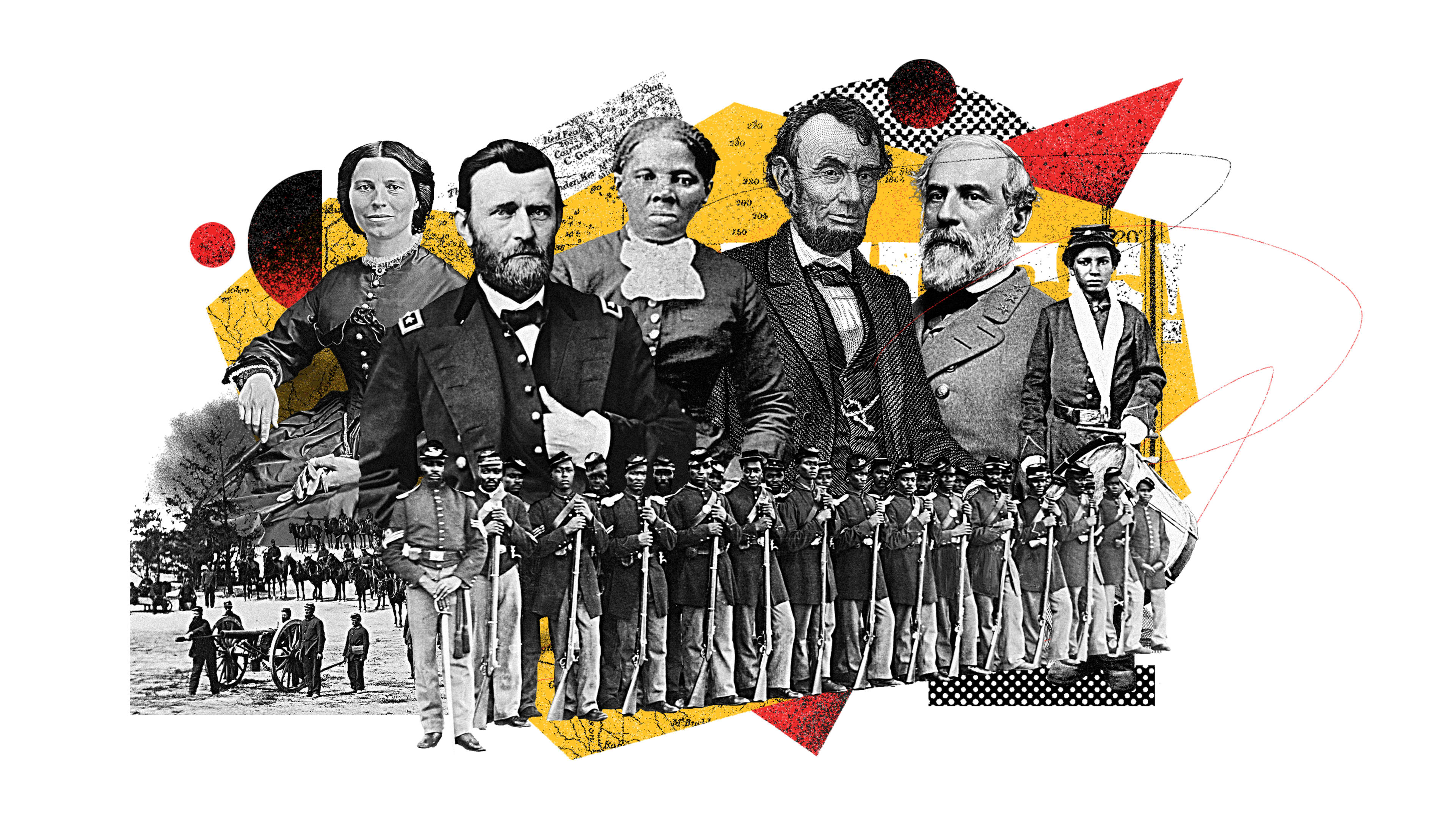
Several critical historical figures defined the battle’s execution and eventual outcome:
- General Robert E. Lee: The commander of the Army of Northern Virginia, whose tactical boldness led him to divide his forces prior to the battle, a decision that nearly resulted in his army’s total destruction.
- Major General George B. McClellan: The cautious commander of the Union Army of the Potomac. Though beloved by his men, McClellan’s extreme hesitation and failure to commit all his forces prevented a decisive victory.
- President Abraham Lincoln: While not on the battlefield, Lincoln’s political leadership rested on the outcome. He desperately needed a military success to issue the Emancipation Proclamation from a position of national strength.
- Clara Barton: A heroic volunteer who tended to wounded soldiers in the thick of the battle. Her experiences at Antietam inspired her to eventually establish the American Red Cross.
Causes and Context: A House Divided
The underlying causes of the Battle of Antietam were deeply rooted in the sociopolitical crises of 19th-century America. By 1862, the expansion of slavery into western territories had fractured the Union. When Abraham Lincoln was elected president in 1860, Southern states seceded, fearing the eventual abolition of their economic and social systems. As the war progressed, it became clear that the conflict could not be easily resolved. The Battle of Antietam occurred at a critical juncture when both sides were attempting to define the parameters of the war. For the South, the invasion was a bid for legitimacy and international alliance. For the North, it was an existential struggle to preserve the Union. This battle would shift the focus of the war from a purely constitutional crisis to a moral crusade against the institution of slavery.
Major Turning Points in the Chaos
The battle’s trajectory hinged on several pivotal events:
- The Discovery of Special Order 191: Prior to the battle, Union soldiers found a mislaid copy of Lee’s detailed campaign plans wrapped around three cigars. This intelligence gave McClellan a rare opportunity to destroy Lee’s divided army, though McClellan failed to act with the necessary speed.
- The Arrival of A.P. Hill’s Division: At the absolute climax of the afternoon battle, the arrival of Hill’s men from Harper’s Ferry saved the Confederate army from total destruction.
- Lee’s Tactical Retreat: Following a day of relative inactivity on September 18, Lee decided to withdraw his battered army back across the Potomac. While tactical retreats are historically common, McClellan’s failure to pursue Lee allowed the Confederates to escape and fight another day. In examining military maneuvers, historians often compare such escapes to other brilliant military retreats throughout history, where a desperate army managed to survive against overwhelming odds.
Long-Term Impact on America and the Emancipation Proclamation
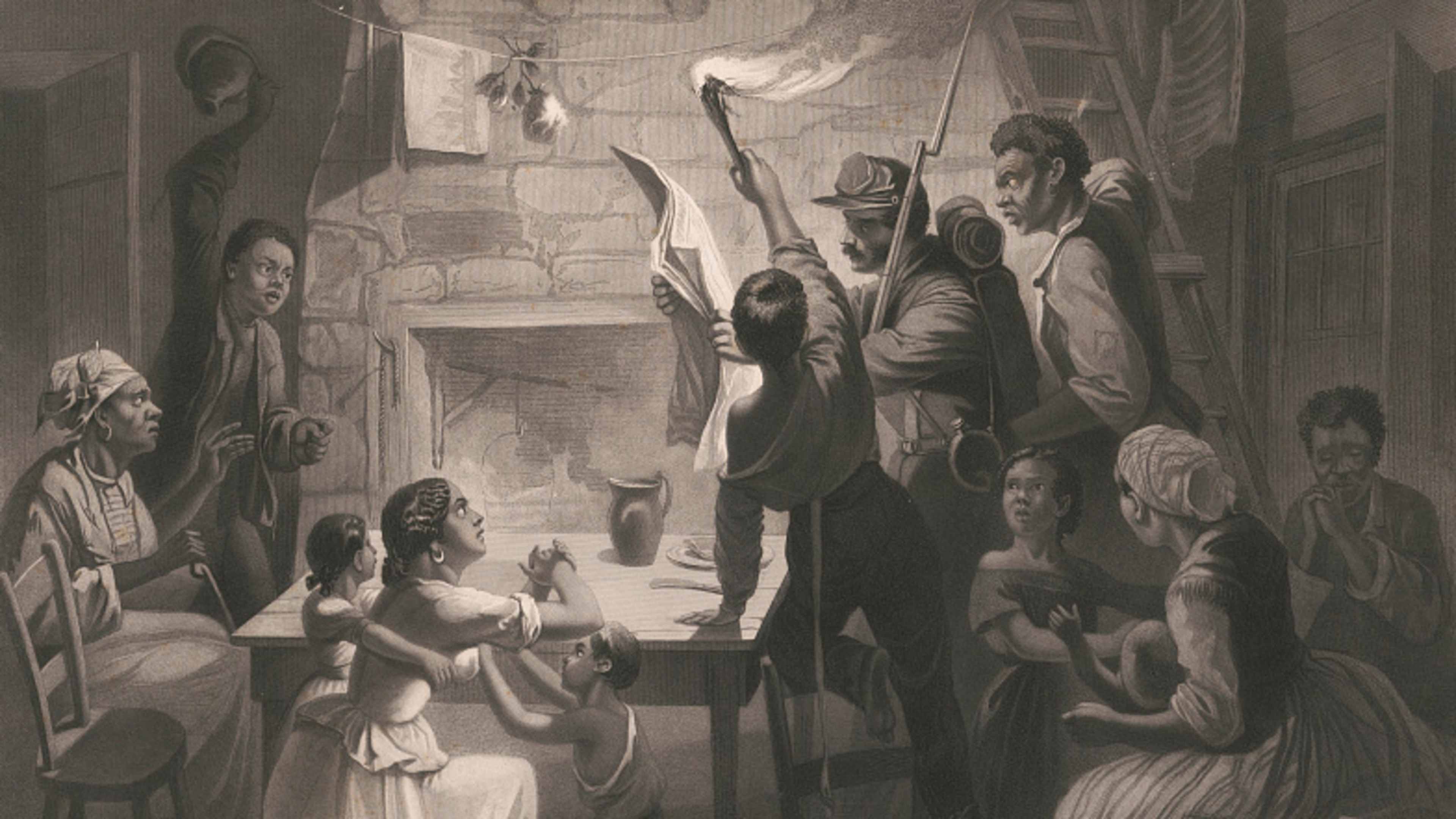
While tactically a draw, Antietam was a profound strategic victory for the Union. Five days after the battle, on September 22, 1862, President Lincoln utilized the momentum of Lee’s retreat to issue the preliminary Emancipation Proclamation. This historic document declared that as of January 1, 1863, all enslaved people in states still in rebellion “shall be then, thenceforward, and forever free.”
By transforming the war’s purpose into a battle for human freedom, Lincoln effectively prevented Great Britain and France from intervening on behalf of the Confederacy, as neither nation could politically justify supporting a slave-holding state against an abolitionist cause. Furthermore, this monumental shift opened the door for thousands of African Americans to enlist in the Union army, contributing directly to the legacy of Black heroes throughout U.S. military history who fought courageously for their civil rights and the preservation of the country.
Fascinating Lesser-Known Facts
- The “Lost Order” Mystery: The loss of Special Order 191 remains one of the great mysteries of the Civil War. Signed by Lee’s adjutant, the order was lost by a careless staff officer and discovered by Corporal Barton W. Mitchell. To this day, the identity of the officer who dropped the cigars and the orders remains unverified.
- A Photographic Awakening: Antietam was the first battle in American history where the gruesome reality of war was captured in photographs before the dead were buried. Photographer Alexander Gardner, working for Mathew Brady, captured haunting images of bloated bodies strewn across the battlefield. The resulting exhibition, “The Dead of Antietam,” shocked the public and permanently altered how citizens viewed the cost of war.
- A Pacifist Church at the Center of War: The Dunker Church, which stood at the epicenter of the morning’s bloodiest fighting, was built by a pacifist Christian denomination that actively opposed war and slavery. The irony of their peaceful sanctuary being riddled with bullet holes and artillery shells serves as a powerful symbol of the war’s destructive reach.
Why It Still Matters Today
The Battle of Antietam is not just a relic of the past; it is a vital reference point for understanding modern America. The high cost of that single day—nearly 23,000 casualties—reminds us of the ultimate price paid to preserve the Union and end the scourge of slavery. The political courage shown by Lincoln in issuing the Emancipation Proclamation in the wake of the battle set the nation on a long, arduous journey toward civil rights and equality. Today, the battlefield preservation efforts at Antietam National Battlefield serve as a solemn monument to the sacrifices of those who fought, reminding contemporary generations of the fragility of national unity and the enduring value of human liberty.
People Also Ask
Who won the Battle of Antietam?
While the battle itself was a tactical draw, as both armies held their ground at the end of the day, it was a major strategic victory for the Union. Lee’s retreat back to Virginia ended his invasion of the North, giving President Lincoln the political leverage he needed to issue the Emancipation Proclamation.
Why is the Battle of Antietam significant?
It remains the single bloodiest day in American military history, with approximately 23,000 casualties. Strategically, it halted the Confederate invasion of the North, prevented European intervention, and allowed Lincoln to redefine the war as a fight to abolish slavery.
When did the Battle of Antietam take place?
The battle took place on September 17, 1862.
Where was the Battle of Antietam fought?
The battle was fought near Sharpsburg, Maryland, along the banks of Antietam Creek.
Conclusion
The Battle of Antietam represents a crucial nexus in American history, where the horrors of industrial warfare met the high-stakes diplomacy of a fractured republic. The sacrifices made on the fields of Sharpsburg redefined the nation’s destiny. Out of the smoke of the Cornfield, Bloody Lane, and Burnside’s Bridge, a transformed United States began to emerge—one that was committed not only to maintaining its geographic union but to fulfilling its foundational promise of liberty and justice for all.


1 comment