In the autumn of 1775, as the flames of rebellion swept through the American colonies, a single document shattered the social and economic foundations of the Southern elite. Issued on November 7, 1775, by John Murray, the Fourth Earl of Dunmore and the royal governor of Virginia, Dunmore’s Proclamation offered a radical and desperate proposition: freedom to any enslaved Black people or indentured servants willing to bear arms for the British Crown against the American rebels. This shocking decree was not born out of humanitarian benevolence, but rather military necessity. Yet, it instantly transformed a political struggle over taxation and governance into a complex war about human liberty. By challenging the institution of slavery, Dunmore’s Proclamation forced both Patriots and loyalists to confront the central paradox of the American Revolution—a fight for liberty waged by people who kept others in chains. Understanding this pivotal moment reveals how the actions of courageous freedom seekers reshaped the course of the Revolutionary War and laid the groundwork for the long, arduous struggle for civil rights in America.
The Historical Background: A Royal Governor in Exile
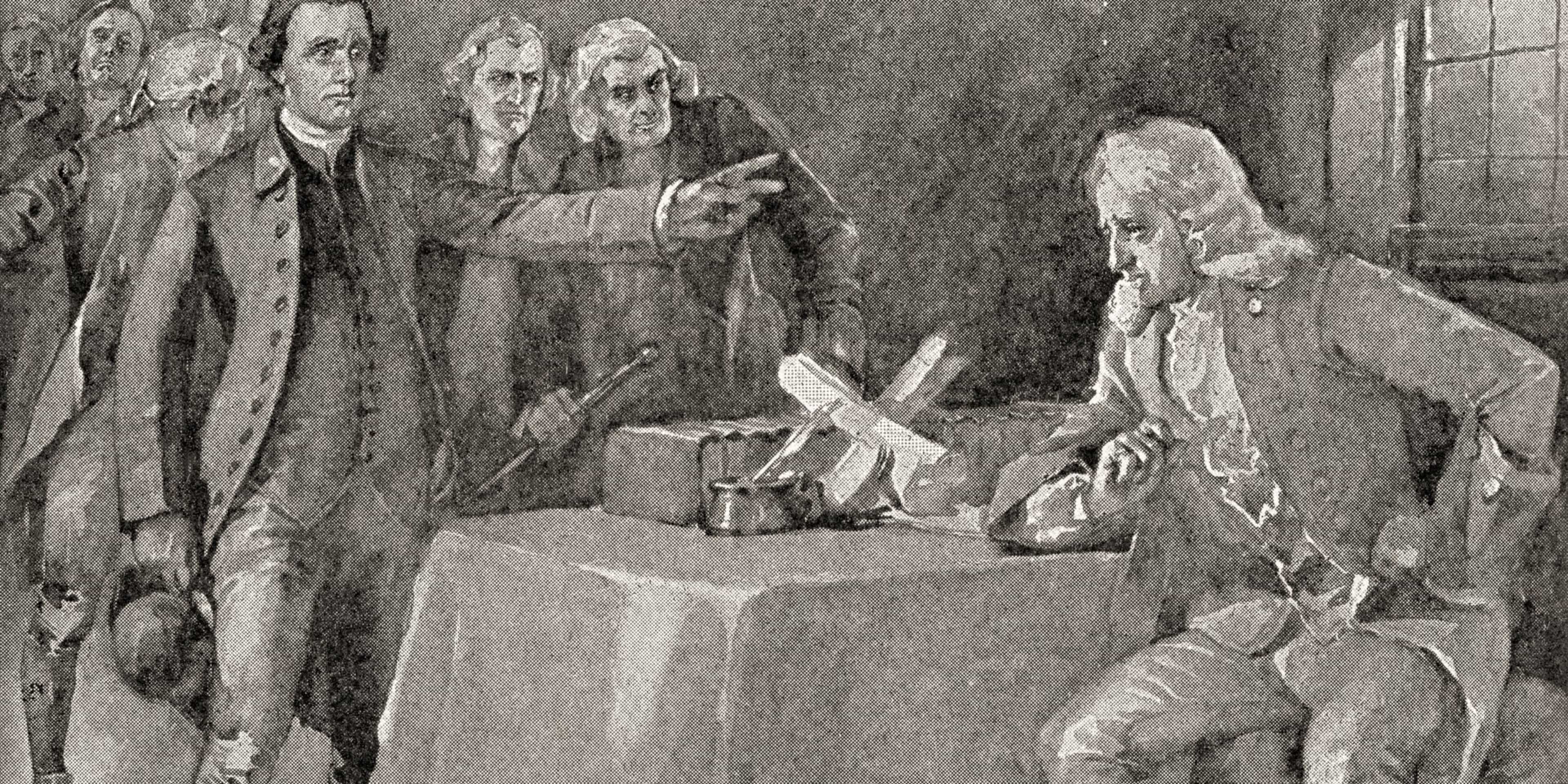
In 1775, Virginia was a powder keg. The Royal Governor, John Murray, Lord Dunmore, watched with growing alarm as local militia forces and revolutionary fervor gripped the capital of Williamsburg. Outnumbered and fearing for his safety, Dunmore was forced to flee the governor’s palace in June 1775, taking refuge aboard the British warship HMS Fowey anchored at Yorktown. With only about 300 loyal British soldiers under his direct command, Dunmore’s authority was slipping away. This strategic move highlighted the appalling way the British tried to recruit Americans away from revolt, exploiting domestic vulnerabilities to weaken the rebel resolve. Desperate to reclaim Virginia for King George III, Dunmore turned to the colony’s most sensitive and volatile fault line: the massive population of enslaved African Americans who labored under the yoke of revolutionary plantation owners.
Causes and Context: The Paradox of Liberty and Bondage
The southern colonies, particularly Virginia, Maryland, and the Carolinas, relied heavily on enslaved labor to fuel their agricultural economies. For decades, the white ruling class lived in constant dread of slave rebellions. Dunmore knew that the mere threat of arming enslaved workers would strike terror into the hearts of the Patriot planters. In the months leading up to the proclamation, rumors of Dunmore’s intentions circulated. Groups of brave, enslaved men actually approached Dunmore offering their military service in exchange for freedom. Initially, Dunmore demurred, hoping to de-escalate the conflict. However, as the rebellion intensified and British reinforcements failed to arrive, Dunmore realized that mobilizing the enslaved population was his only viable military card. On November 7, 1775, aboard the cabin of the ship William, he signed the fateful proclamation, publishing it a week later on November 14.
Chronological Timeline of the Proclamation’s Rise and Fall
- April 1775: Rumors sweep Virginia that Lord Dunmore plans to arm enslaved workers if a rebellion breaks out.
- June 8, 1775: Fearing rebel militia advancement, Lord Dunmore flees Williamsburg and boards the British battleship Fowey.
- November 7, 1775: Dunmore drafts and signs the official proclamation, establishing martial law and offering freedom to rebel-owned enslaved people who join British forces.
- November 14, 1775: Dunmore’s Proclamation is officially published and distributed across Virginia, appearing in newspapers like the Virginia Gazette.
- December 1775: The Virginia Convention responds with a counter-proclamation, threatening death to any rebelling enslaved people while offering amnesty to those who return within ten days.
- December 9, 1775: Dunmore’s forces, including early Black recruits, are defeated at the Battle of Great Bridge, forcing a British retreat.
- June 30, 1779: Sir Henry Clinton expands the scope of British emancipation by issuing the Philipsburg Proclamation.
Key Historical Figures and Their Crucial Roles
Several prominent individuals shaped, and were shaped by, this momentous historical event:
- Lord Dunmore (John Murray): As the last Royal Governor of Virginia, his primary objective was to suppress the rebellion. While he owned enslaved people himself and held no abolitionist views, his desperate military gamble forever linked his name to the first mass emancipation effort in American history.
- Sir Henry Clinton: The British Commander-in-Chief who took Dunmore’s concept to a continental scale. By issuing the Philipsburg Proclamation in 1779, Clinton promised freedom to any enslaved person who escaped rebel territory, regardless of whether they performed military service.
- Harry Washington: An enslaved stable hand at George Washington’s Mount Vernon estate. Harry seized the opportunity presented by the British proclamations, escaped bondage, and served as a corporal in the Black Pioneers. After the war, he relocated to Nova Scotia and later to Sierra Leone, where he led a rebellion of his own against British colonial taxes.
- George Washington and Thomas Jefferson: These prominent Founding Fathers and Southern plantation owners lost dozens of enslaved workers who fled to British lines, illustrating the highly personal impact of the British proclamations on the rebel leadership.
Major Turning Points: The Ethiopian Regiment and the Southern Backlash
The immediate result of Dunmore’s Proclamation was the creation of “Lord Dunmore’s Ethiopian Regiment,” a military unit composed of up to 2,000 escaped enslaved men. Their uniforms were famously emblazoned with the powerful motto, “Liberty to Slaves.” For these men, carrying a British musket was a direct path to self-liberation. However, tragedy soon struck the regiment. Crowded onto British ships with poor sanitation, an outbreak of smallpox devastated the ranks, killing a vast majority of the recruits. By August 1776, Dunmore was forced to evacuate Virginia, taking only about 300 surviving Black loyalists with him.
Despite this military setback, the political fallout was massive. Instead of intimidating the colonists into submission, Dunmore’s Proclamation galvanized the southern planter class. Moderate colonists who had previously hesitated to support independence were suddenly pushed into the rebel camp, terrified that the British would instigate a massive, violent slave uprising. The massive fear of slave rebellions ironically united Southern elites, showing a complex dynamic in how the South helped win the American Revolution despite their internal security anxieties.
Long-Term Impact on the American Republic
While Dunmore’s Proclamation was a wartime tactic, its long-term societal and constitutional ramifications were profound. First, it forced the issue of slavery onto the national stage at the very birth of the United States. It highlighted the deep hypocrisy of the Declaration of Independence, which claimed that “all men are created equal” while millions remained enslaved. Second, the mass escape of up to 100,000 enslaved people during the Revolutionary War represented the largest slave rebellion in American history prior to the Civil War. Third, it led to the establishment of the first free Black loyalist communities in Nova Scotia and Sierra Leone, laying the groundwork for early global Black diaspora networks. Though Dunmore’s promise was born of wartime pragmatism, it inspired a legacy of Black resistance that culminated in legal battles, such as how Elizabeth Freeman sued for her freedom and won in Massachusetts courts shortly after the war.
Fascinating Lesser-Known Facts
1. George Washington’s Runaway Slave: Among the escapees who sought freedom under the British flag was Harry Washington, who had been enslaved by the future president himself. Harry’s journey from Mount Vernon to a loyalist military unit and eventually to a leadership role in Sierra Leone is one of the most remarkable personal narratives of the era.
2. The Smallpox Tragedy: More Black loyalists died of disease than of combat. Smallpox and typhus ran rampant through the British fleet, turning Dunmore’s floating sanctuaries of freedom into tragic hotbeds of deadly pestilence.
3. The “Liberty to Slaves” Inscription: The Ethiopian Regiment was one of the very few military units in history to wear their political and moral mission directly on their chests, serving as an early, visual precursor to modern civil rights slogans.
Why Dunmore’s Proclamation Matters Today
Today, Dunmore’s Proclamation serves as a stark reminder of the complicated, often contradictory origins of American freedom. It challenges us to look beyond simplistic historical narratives of “good patriots” and “bad loyalists” to see how marginalized groups utilized geopolitical conflicts to advocate for their own basic human rights. In modern discussions about systemic racism, historical memory, and the enduring legacy of slavery, this proclamation stands as a vital touchstone. It demonstrates that the desire for liberty was not exclusive to the white elite who drafted the Constitution, but was a powerful, driving force for the thousands of enslaved individuals who risked everything to claim their own freedom.
People Also Ask
What was the main purpose of Dunmore’s Proclamation?
The primary purpose was military and strategic. Lord Dunmore sought to bolster his depleted British forces and destabilize the rebel economy by encouraging enslaved laborers—the backbone of the Southern agricultural system—to desert their Patriot masters and join the British Army.
Did Dunmore’s Proclamation free all slaves?
No. The proclamation only offered freedom to enslaved individuals and indentured servants owned by rebel colonists who were willing and able to bear arms for the British Crown. It did not free enslaved people owned by loyalists, nor did it apply to women, children, or the elderly who could not fight, though some women still managed to flee to British lines.
How did the Patriots respond to Dunmore’s Proclamation?
Patriots responded with deep panic, increased patrols on land and water to prevent escapes, and aggressive counter-propaganda trying to convince enslaved people that the British would betray them. Additionally, the Virginia Convention decreed that any escaped slave caught participating in an insurrection would face the death penalty without benefit of clergy.
Conclusion: A Legacy of Courage and Complexity
Dunmore’s Proclamation remains a pivotal, yet frequently overlooked, chapter of the American Revolutionary War. It exposed the fragile underbelly of a young nation striving for liberty while keeping hundreds of thousands in bondage. While Dunmore’s intentions were purely tactical, the courageous actions of the thousands of enslaved men and women who fled to the British lines transformed this British decree into a monument of self-emancipation. Their legacy reminds us that the pursuit of freedom in America has always been a diverse, hard-fought, and deeply complex struggle.


