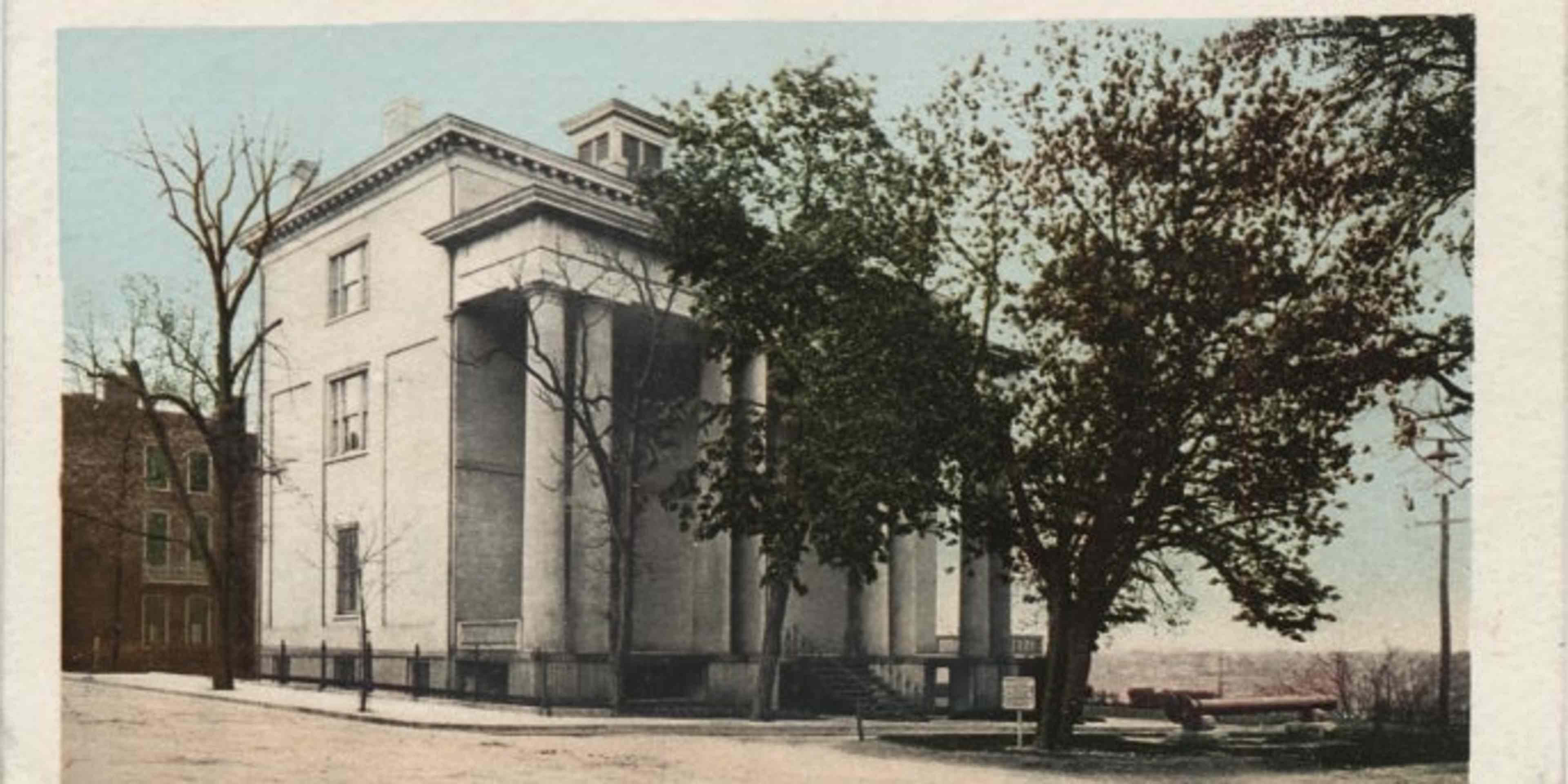
During the height of the American Civil War, the capital of the Confederacy, Richmond, Virginia, was a hotbed of political tension, military strategy, and hidden resistance. Within the very walls of the Confederate Executive Mansion, President Jefferson Davis lived in a state of perpetual anxiety, knowing that highly sensitive intelligence was leaking directly to Union leadership. Yet, Davis and his cabinet remained utterly blind to the source of the leak operating right before their eyes. This was the work of an extraordinary, clandestine alliance between Elizabeth Van Lew, a wealthy white abolitionist, and Mary Bowser, a brilliant, formerly enslaved Black woman with a photographic memory. Together, they established one of the most effective espionage rings in American history, systematically dismantling the political and military foundations of the South from the inside out. Their story is a powerful testament to the unsung heroes who risked everything to secure a Union victory and put an end to the institution of slavery.
The Sociopolitical Landscape of Confederate Richmond
To understand the sheer audacity of this spy ring, one must examine the environment of Richmond, Virginia, in the early 1860s. As the capital of the Confederate States of America, the city was the epicenter of pro-slavery ideology and military planning. Dissent was not merely discouraged; it was treated as treason. White Unionists in the South were viewed with absolute hostility, while enslaved and free African Americans lived under strict surveillance and brutal legal restrictions. Yet, this highly stratified society harbored a critical vulnerability: the deep-seated racial and gender prejudices of the Confederate elite. They consistently underestimated the intelligence, agency, and resourcefulness of women and Black Americans, creating a perfect blind spot for espionage operations.
Military intelligence was not a new concept in American warfare. Decades prior, revolutionary leaders had realized that victory required more than battlefield dominance. Just as we look back at how George Washington used spies to win the American Revolution, the Union forces during the Civil War recognized that defeating the Confederacy would require deep infiltration. Elizabeth Van Lew and Mary Bowser would leverage this tradition of intelligence-gathering, adapting it to the unique challenges of the fractured nation.
Chronological Timeline of the Spy Ring
The operational success of Van Lew and Bowser did not happen overnight. It was forged through years of shared history, trust, and meticulous planning. Below is the chronological breakdown of their efforts:
- 1818: Elizabeth Van Lew is born into a wealthy, prominent Richmond family, later receiving an anti-slavery education in Philadelphia.
- 1843: Following her father’s death, Elizabeth and her mother free their family’s enslaved workers, utilizing their substantial inheritance to purchase and free their relatives.
- Circa 1839–1841: Mary Jane Richards (later known as Mary Bowser) is born into enslavement and becomes a part of the Van Lew household, where she is treated as a free servant and baptized.
- 1855: Believing in the importance of education, Elizabeth sends Mary to the North for schooling, and subsequently dispatches her as a missionary to Liberia.
- 1860: Disliked living in Liberia, Mary returns to Virginia, is immediately jailed for violating laws against educated Black people returning, and is bailed out by Elizabeth.
- April 16, 1861: Mary marries Wilson Bowser, just four days before the outbreak of the American Civil War.
- July 1861: Elizabeth begins volunteering at Libby Prison, aiding Union soldiers and establishing early communication channels with Federal forces.
- 1863: Mary Bowser successfully infiltrates the Confederate White House, posing as an illiterate domestic servant to Jefferson Davis.
- 1865: Richmond falls to Union forces. Elizabeth Van Lew is personally thanked by General Ulysses S. Grant. Mary Bowser begins lecturing and teaching freedmen.
The Key Figures of the Richmond Underground
The success of this dangerous operation rested upon the unique talents and unyielding resolve of two remarkable women:
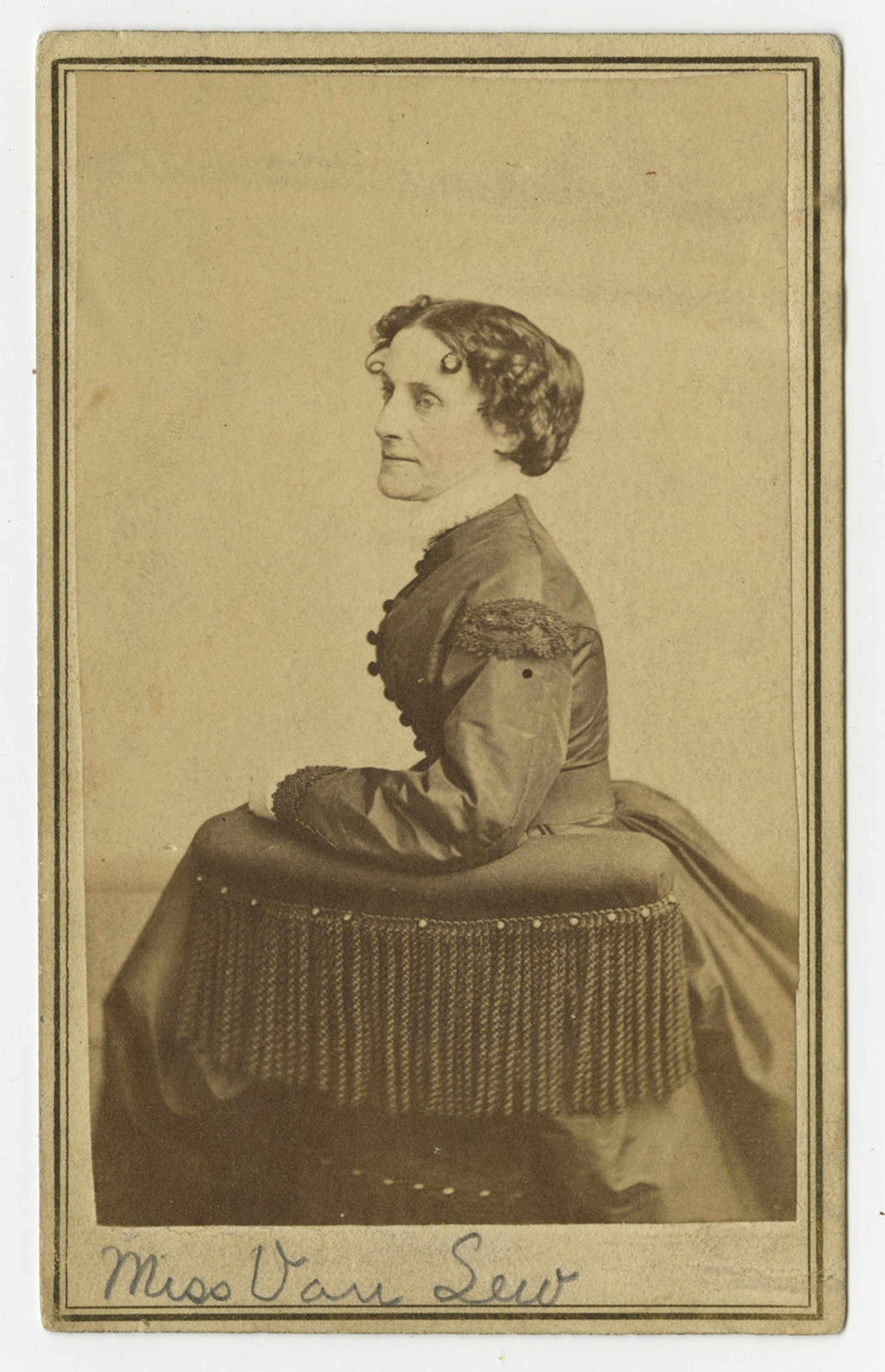
Elizabeth Van Lew: The Mastermind “Crazy Bet”
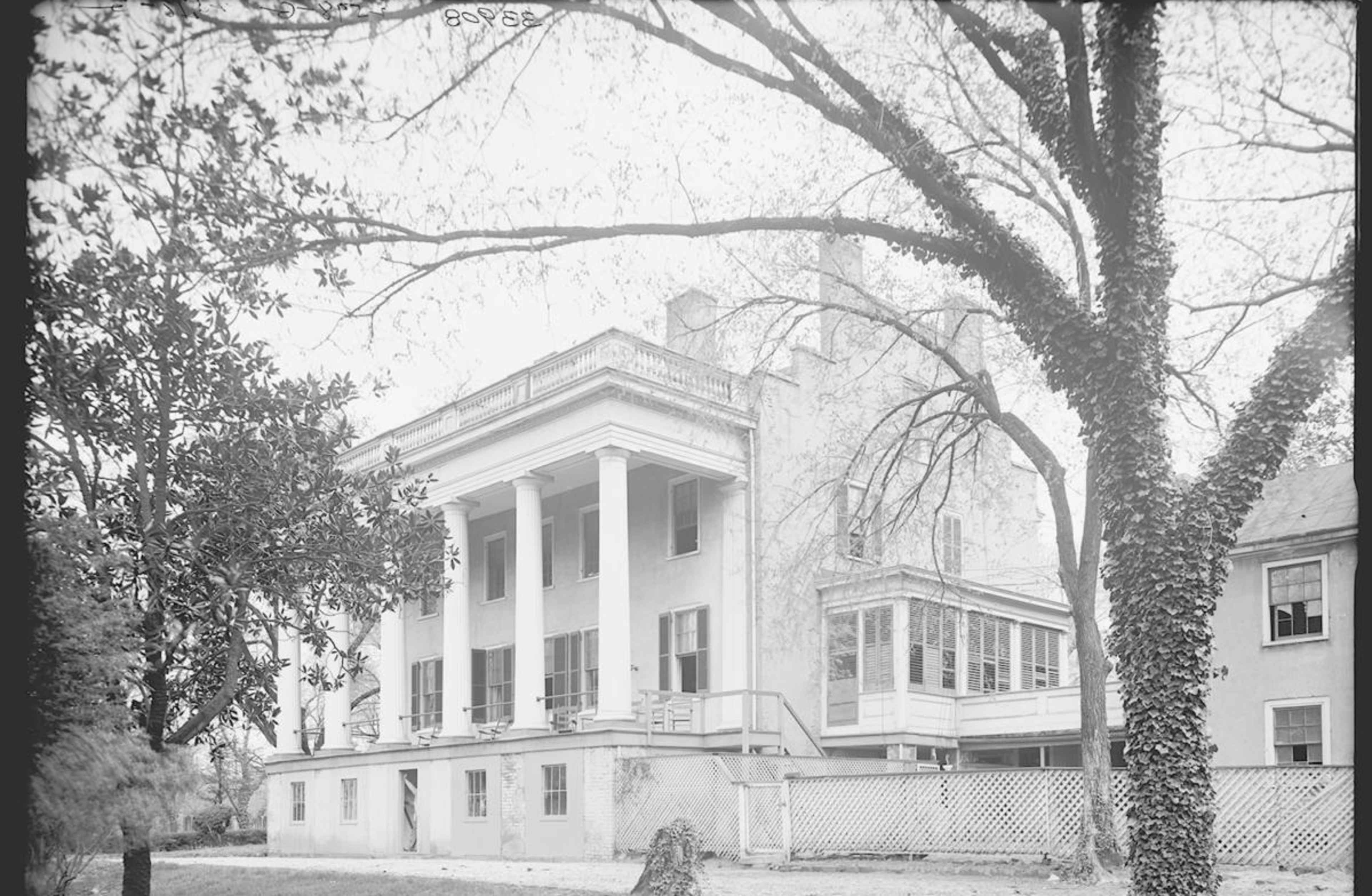
Elizabeth Van Lew was an unlikely revolutionary. Born into the upper echelon of Richmond society, she harbored a fierce hatred for the institution of slavery, writing in her diary about its absolute horrors. To mask her illicit activities from suspicious neighbors and Confederate authorities, Van Lew adopted the persona of “Crazy Bet.” She dressed in mismatched clothing, mumbled to herself in public, and acted erratic. This brilliant performance allowed her to move freely through the city, visiting Union prisoners, housing escapees, and coordinating spy dispatches without raising alarm.
Mary Bowser (Mary Jane Richards): The Infiltrator
Mary Bowser was the crown jewel of the spy ring. Possessing a formal education and a certified photographic memory, she was uniquely equipped for intelligence work. To enter the Confederate White House, Bowser had to perform a masterclass in deception. She suppressed her education, spoke in the dialect expected of an uneducated servant, and played the part of a subservient, invisible domestic worker. In doing so, she gained unprecedented access to the private study of Jefferson Davis, where the most sensitive military documents of the Confederacy lay exposed.
Infiltrating the Confederate White House
How did an African American woman manage to spy on the President of the Confederacy? The answer lies in the profound arrogance of the Confederate leadership. Jefferson Davis and his aides routinely discussed troop movements, supply shortages, and battle strategies in front of Bowser, assuming she was illiterate and incapable of understanding their conversations. Bowser meticulously memorized the text of letters, dispatches, and maps left on Davis’s desk while dusting and cleaning his office.
Every night, Bowser would relay this invaluable intelligence to Elizabeth Van Lew. The information was then encrypted using a sophisticated system of invisible ink, which required milk to read, and was smuggled across enemy lines to Union officers. The sheer volume and accuracy of the intelligence provided by Bowser made her one of the Union’s most critical assets. This daring espionage network represented one of many great strides for freedom in U.S. history, as disenfranchised individuals used their wits to reshape the destiny of the nation.
Major Turning Points and the Legacy of Victory
The intelligence gathered by the Richmond underground directly influenced Union military strategy in the Eastern Theater. General Ulysses S. Grant famously acknowledged that Van Lew’s network sent some of the most valuable information received from Richmond during the war. This flow of tactical information helped the Union navigate the brutal siege of Petersburg and ultimately contributed to the fall of Richmond in April 1865.
However, the post-war reality for these heroes was bittersweet. Elizabeth Van Lew spent her entire inheritance funding the spy ring and assisting Union prisoners. Ostracized by her Richmond neighbors as a traitor to the South, she died in poverty in 1900, largely forgotten by the nation she helped save. Mary Bowser, under various aliases like Richmonia Richards, traveled the country teaching formerly enslaved people and delivering lectures on her wartime exploits. Her courage echoed the spirit of other pioneering Black women, such as how Elizabeth Freeman sued for her freedom and won decades prior, demonstrating that African American women have always been at the vanguard of the struggle for American liberty. Yet, true to her spy nature, Bowser eventually faded from public records after 1867, leaving behind a legacy shrouded in mystery.
Lesser-Known Facts About the Bowser-Van Lew Spy Ring
- The “Invisible Ink” System: Van Lew’s couriers carried messages written in a chemical solution that remained invisible until heated or treated with milk, ensuring that if a courier was captured, the message would appear to be a blank piece of paper.
- Multiple Identities: Mary Bowser utilized at least four different aliases during and after the war, including Mary Jane Richards, Mary Jane Henley, Mary Jones, and Richmonia Richards. This has historically made tracing her exact path incredibly challenging for modern researchers.
- The Abyssinian Baptist Church Lecture: Just days after the war ended, Bowser gave a public talk at the famous Abyssinian Baptist Church in New York, openly discussing her secret service work under her alias, showcasing her pride and refusal to remain hidden once the threat had passed.
Why This History Still Matters Today
The story of Mary Bowser and Elizabeth Van Lew challenges the traditional, male-dominated narratives of the Civil War. It highlights the indispensable role that women, particularly Black women, played in securing the preservation of the Union and the abolition of slavery. In modern discussions about historical memory, civil rights, and the true agency of marginalized peoples, Bowser stands as an emblem of intellectual brilliance, tactical execution, and profound patriotism. Her legacy reminds us that history is often shaped not by the generals on the battlefields, but by the quiet, courageous acts of individuals working in the shadows.
People Also Ask
Who was Mary Bowser?
Mary Bowser was a formerly enslaved African American woman who, along with abolitionist Elizabeth Van Lew, served as a Union spy during the American Civil War. She successfully infiltrated the Confederate White House by posing as an illiterate domestic servant to President Jefferson Davis.
How did Mary Bowser gather intelligence?
Equipped with a photographic memory and a formal education, Bowser read military documents, letters, and maps left on Jefferson Davis’s desk while cleaning his home. She memorized the information and relayed it to Elizabeth Van Lew, who smuggled it to Union commanders.
What happened to Elizabeth Van Lew after the Civil War?
Elizabeth Van Lew exhausted her family’s wealth to fund her spy ring and help Union soldiers. After the war, she was shunned by her Richmond community as a traitor and died in poverty in 1900, though she was later honored for her services to the Union.
Conclusion
The partnership between Elizabeth Van Lew and Mary Bowser remains one of the most remarkable stories of courage and espionage in American history. Operating in the heart of enemy territory, these two women defied societal expectations and risked their lives to bring down the Confederacy from within. Their intellectual brilliance, absolute bravery, and enduring legacy continue to inspire modern generations, serving as a powerful reminder of the diverse voices that fought for freedom and democracy during America’s darkest hour.


