In July 1863, amid the crucible of the American Civil War, New York City erupted into five days of the bloodiest and most destructive civil unrest in United States history: the New York Draft Riots. What began as a working-class protest against the federal government’s newly minted conscription law quickly spiraled into a horrific wave of racial violence, highlighting deep-seated socioeconomic anxieties and systemic racism. As Union forces fought on Southern battlefields, the streets of Manhattan became an active war zone where Irish immigrants, white laborers, and local politicians clashed over the cost of the Union and the terrifyingly immediate implications of emancipation. This pivotal, dark chapter not only threatened to tear the nation’s commercial capital apart but also laid bare the profound class divisions and racial tensions that would shape urban America for generations to come. Understanding the causes and consequences of this explosive event is crucial for anyone seeking to comprehend the complex social tapestry of 19th-century America.
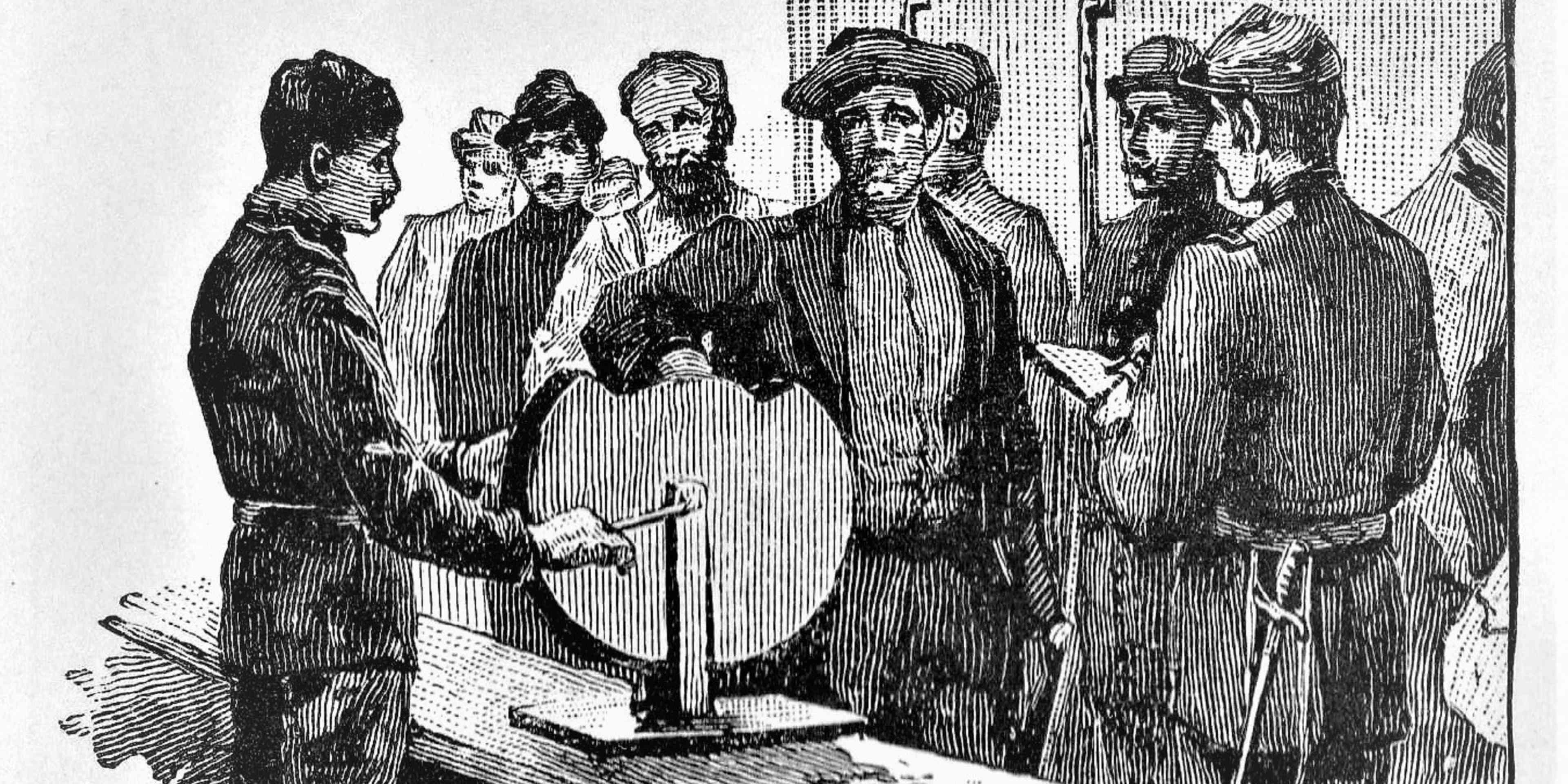
To fully comprehend why the New York Draft Riots occurred, one must first examine the sociopolitical and economic climate of New York City in the early 1860s. Although located deep within Union territory, Manhattan was far from a unified stronghold of anti-slavery sentiment. As the preeminent business capital of the nation, New York City had not welcomed the onset of the Civil War. The city’s economic lifeblood was deeply intertwined with the Confederate States; cotton was an incredibly valuable product for New York’s merchants, representing roughly 40 percent of all goods shipped out of the city’s port before the war. Furthermore, despite the slave trade being outlawed in 1808, an underground market in enslaved people continued to thrive in the city’s maritime shadows. When war broke out in 1861, Mayor Fernando Wood even proposed that New York secede from the Union to maintain its lucrative Southern trade. This commercial alliance fostered a unique environment where pro-Southern, anti-war, and anti-abolition sentiments ran rampant among the city’s elite and working classes alike.
As the Civil War dragged on and casualties mounted, the initial romanticism of the conflict vanished. In September 1862, President Abraham Lincoln announced the preliminary Emancipation Proclamation, which officially went into effect on January 1, 1863. This historic executive order transformed the Union war effort from a struggle to preserve the Union into a moral crusade to abolish slavery. While celebrated by abolitionists, the proclamation sparked immense anxiety among New York’s working-class white citizens, many of whom were impoverished Irish and German immigrants. Anti-war Democratic politicians and sensationalist newspapers preyed on these fears, relentlessly warning white laborers that emancipation would flood Northern cities with freed Black workers who would compete for low-wage jobs. The vulnerability of Black Americans in this racially charged landscape was profound, mirroring the historical vulnerability of African Americans to systemic oppression that had plagued the nation since its founding.
The catalyst that turned these simmering tensions into outright warfare was the Enrollment Act of March 1863. Facing a dire shortage of military manpower, the federal government enacted its first national conscription law. The law made all male citizens between the ages of 20 and 35, and all unmarried men between 35 and 45, subject to military duty. However, the law contained a highly controversial loophole: draft-eligible men could buy their way out of service by hiring a substitute or paying a $300 commutation fee directly to the government. At the time, $300 represented roughly an average worker’s annual salary (equivalent to nearly $5,800 today). To the working class, this provision made the conflict a ‘rich man’s war and a poor man’s fight.’ Adding fuel to the fire, Black men were entirely exempt from the draft, not out of privilege, but because they were not legally recognized as citizens under the infamous 1857 Dred Scott decision. This bitter irony exacerbated the resentment of impoverished white workers who felt they were being forced to risk their lives to free a population that would supposedly replace them in the workforce.
The tension culminated on Saturday, July 11, 1863, when the first draft lottery was held in Manhattan. For the first twenty-four hours, an eerie, suspicious quiet enveloped the city, but it was merely the calm before the storm. On the morning of Monday, July 13, the spark was struck. Thousands of white workers—predominantly Irish and Irish-American laborers—abandoned their jobs and converged on the Ninth District draft office at Third Avenue and 46th Street. Armed with clubs, iron bars, and cobblestones, the mob attacked the building, setting it ablaze and driving away the outnumbered police force. What began as a targeted protest against the federal draft rapidly devolved into a chaotic, city-wide riot. By Monday afternoon, the mob’s focus shifted from government buildings to the city’s Black population, turning a political protest into a horrific racial pogrom.
The timeline of the five-day riot highlights the utter breakdown of law and order in Manhattan:
- Monday, July 13, 1863: The draft office is destroyed. Mobs sever telegraph lines, tear up railroad tracks, and clash violently with the Metropolitan Police. By evening, Black citizens, homes, and businesses near the docks are systematically targeted.
- Tuesday, July 14, 1863: The violence reaches a terrifying peak. A mob of several thousand armed rioters storms the Colored Orphan Asylum on Fifth Avenue, which housed more than 200 children. The rioters ransacked the building, taking food and clothing, before setting the four-story structure on fire. Miraculously, the children were successfully evacuated to safety beforehand. Throughout the day, Black men are brutally beaten, chased into the rivers, or hung from lampposts and trees.
- Wednesday, July 15, 1863: The rioting spreads across the East River to Brooklyn and Staten Island. Governor Horatio Seymour, a Peace Democrat who opposed the draft, addresses a crowd in Manhattan, calling the rioters his ‘friends’ and promising to advocate for the suspension of the draft, which critics argued only emboldened the mob.
- Thursday, July 16, 1863: Relief finally arrives. More than 4,000 battle-hardened federal troops, fresh from the horrific combat of the Battle of Gettysburg, march into the city. Armed with artillery and bayonets, the soldiers clash with rioters in the Murray Hill neighborhood, systematically reclaiming the streets and restoring order by midnight.
- Friday, July 17, 1863: The streets fall silent under military occupation. The city begins the grim task of counting the dead, clearing the rubble, and assessing the immense physical and psychological damage.
The human and material cost of the New York Draft Riots was staggering. While the official published death toll was recorded at 119 people, historians estimate that the actual number of casualties may have been closer to several hundred, with some contemporary accounts suggesting even higher figures. Millions of dollars in property damage left parts of Manhattan in ruins, and more than 3,000 of the city’s Black residents were left completely homeless. The psychological trauma inflicted on the Black community was devastating. Thousands of African Americans fled the city entirely, seeking safety in Brooklyn, New Jersey, or further north. The 1860 census had recorded 12,414 Black New New Yorkers; by 1865, that number had plummeted to 9,945—the lowest Black population in the city since 1820.
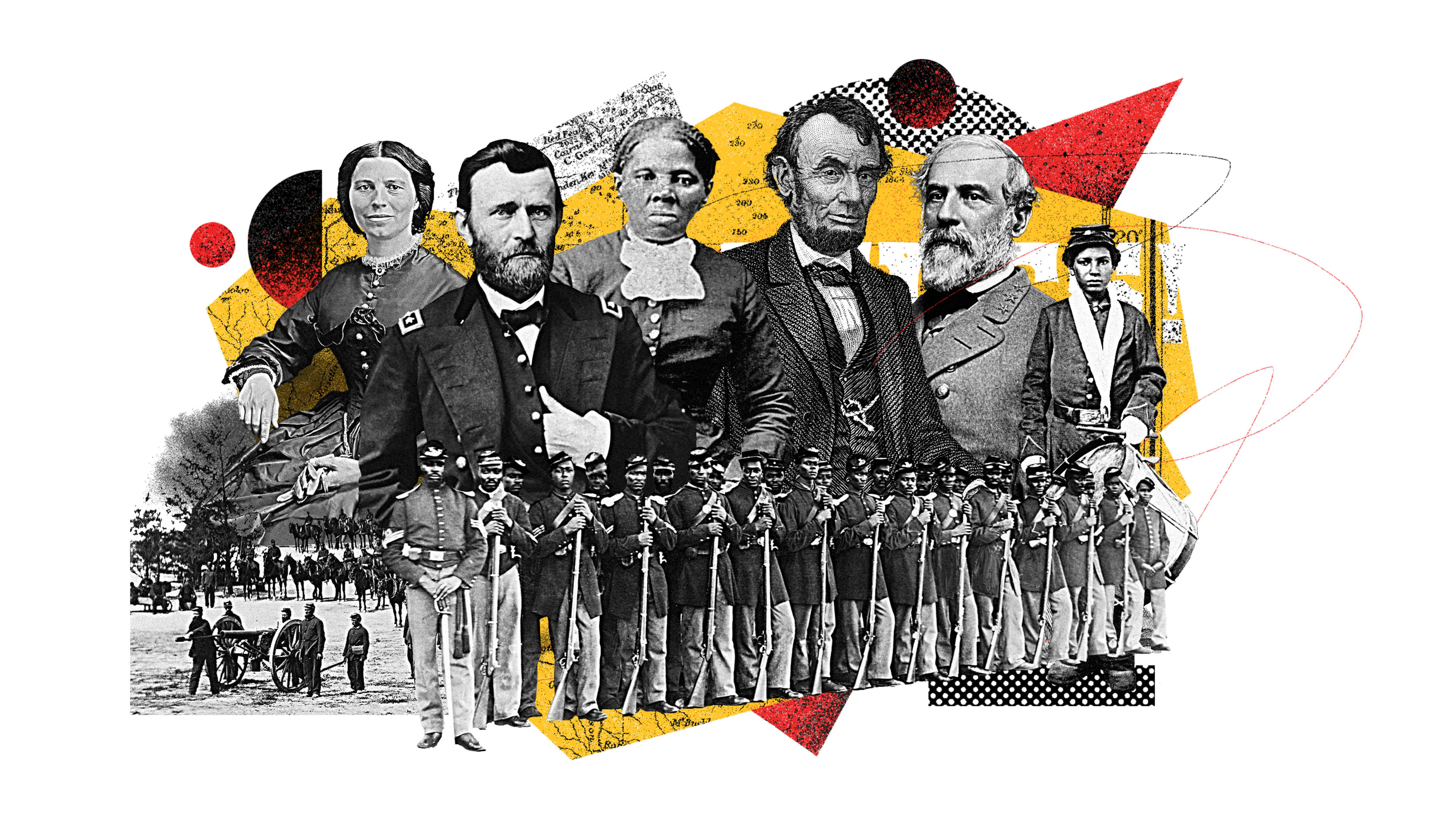
Despite this tragedy, the resilient spirit of the abolitionist movement and the African American community in New York could not be entirely extinguished. In March 1864, less than a year after the riots, New York City witnessed a triumphant moment of defiance. The 20th U.S. Colored Infantry, an all-Black volunteer regiment, marched proudly through the streets of Manhattan in full uniform, cheered on by thousands of supporters, before boarding their transport ship on the Hudson River. This historic parade served as a powerful testament to the contributions of Black soldiers, aligning with the grand legacy of Black heroes throughout US military history who fought for a country that did not yet fully recognize their humanity. Their service echoed the bravery of earlier generations, including those who served in America’s first Black regiment during the Revolutionary War, proving that the struggle for freedom was an ongoing, generational fight.
Lesser-Known Facts About the New York Draft Riots
- The Secessionist Mayor: In 1861, NYC Mayor Fernando Wood formally proposed to the Common Council that the city secede from the Union and declare itself an independent city-state called the ‘Free City of Tri-Insula’ to protect its financial interests in the Southern slave economy.
- The Orphanage Relocation: After the Colored Orphan Asylum was burned down on Fifth Avenue, neighboring property owners adamantly protested against rebuilding it on the same site, fearing it would attract future violence. Consequently, the orphanage was eventually forced to relocate to the sparsely populated area north of the city that we know today as Harlem.
- Gettysburg Veterans as Peacekeepers: The very troops sent to quell the riots had just survived the bloodiest three days of the Civil War at Gettysburg. They went from fighting Confederate soldiers in Pennsylvania to firing upon American citizens in the streets of New York to restore the peace.
Today, the New York Draft Riots remain a haunting reminder of the fragile nature of American democracy and the deep-seated intersections of class, race, and military duty. The event exposes how easily political manipulation and economic anxiety can be weaponized against marginalized populations. In modern discussions of military conscription, urban unrest, and social justice, the lessons of 1863 continue to resonate. The riots proved that the battlefields of the Civil War were not confined to the American South; indeed, the war’s ideological and social conflicts were fought just as fiercely on the cobblestone streets of Northern cities, shaping the long, arduous journey toward true civil rights and equality in America.
People Also Ask
What caused the New York Draft Riots of 1863?
The riots were primarily caused by anger over the federal Enrollment Act of 1863, which drafted working-class men into the Union Army. The law allowed wealthy men to pay a $300 exemption fee to avoid service, which outraged impoverished laborers. This class resentment was fueled by racial anxieties that the Emancipation Proclamation would flood the labor market with freed Black workers, leading to fierce job competition.
Why were Black New Yorkers targeted during the riots?
Black New Yorkers were targeted because of deep-seated racial prejudice and economic fears. Working-class white laborers, particularly Irish immigrants, blamed African Americans for the war itself and feared that emancipation would lead to labor competition. Furthermore, because Black men were not considered citizens under the Dred Scott decision, they were exempt from the draft, which sparked immense resentment among white draft-eligible workers.
How did the New York Draft Riots end?
The riots ended after five days when President Lincoln sent over 4,000 battle-hardened federal Union troops—many of whom had just finished fighting at the Battle of Gettysburg—to Manhattan. The troops used artillery and physical force to disperse the mobs and restore order by midnight on July 16, 1863.
Conclusion
The New York Draft Riots of 1863 stand as the deadliest civil disturbance in American history, representing a dark, complex intersection of race, class warfare, and wartime politics. By analyzing this tragic event, we gain a deeper understanding of how economic inequality and systemic racism can destabilize a society, even in the midst of a fight for national preservation. Ultimately, the resilience of New York’s Black community and the eventual triumph of Union regiments showed that despite the violence of the streets, the march toward freedom and civil rights would endure, leaving an indelible mark on the soul of the nation.


