The Reconstruction Era was one of the most turbulent yet revolutionary periods in American history, representing a massive shift in the nation’s political landscape. Following the end of the Civil War, the United States was faced with the monumental task of rebuilding the war-torn South and integrating millions of newly emancipated African Americans into the fabric of American citizenship. Amidst this backdrop of intense social and political upheaval, a remarkable generation of Black leaders emerged. Among them were five formerly enslaved men who defied unimaginable odds to transition from bondage to the halls of the United States Congress. Their journeys from slavery to statesmanship not only challenged the prevailing white supremacist ideologies of their time but also laid the foundational groundwork for the modern civil rights movement.
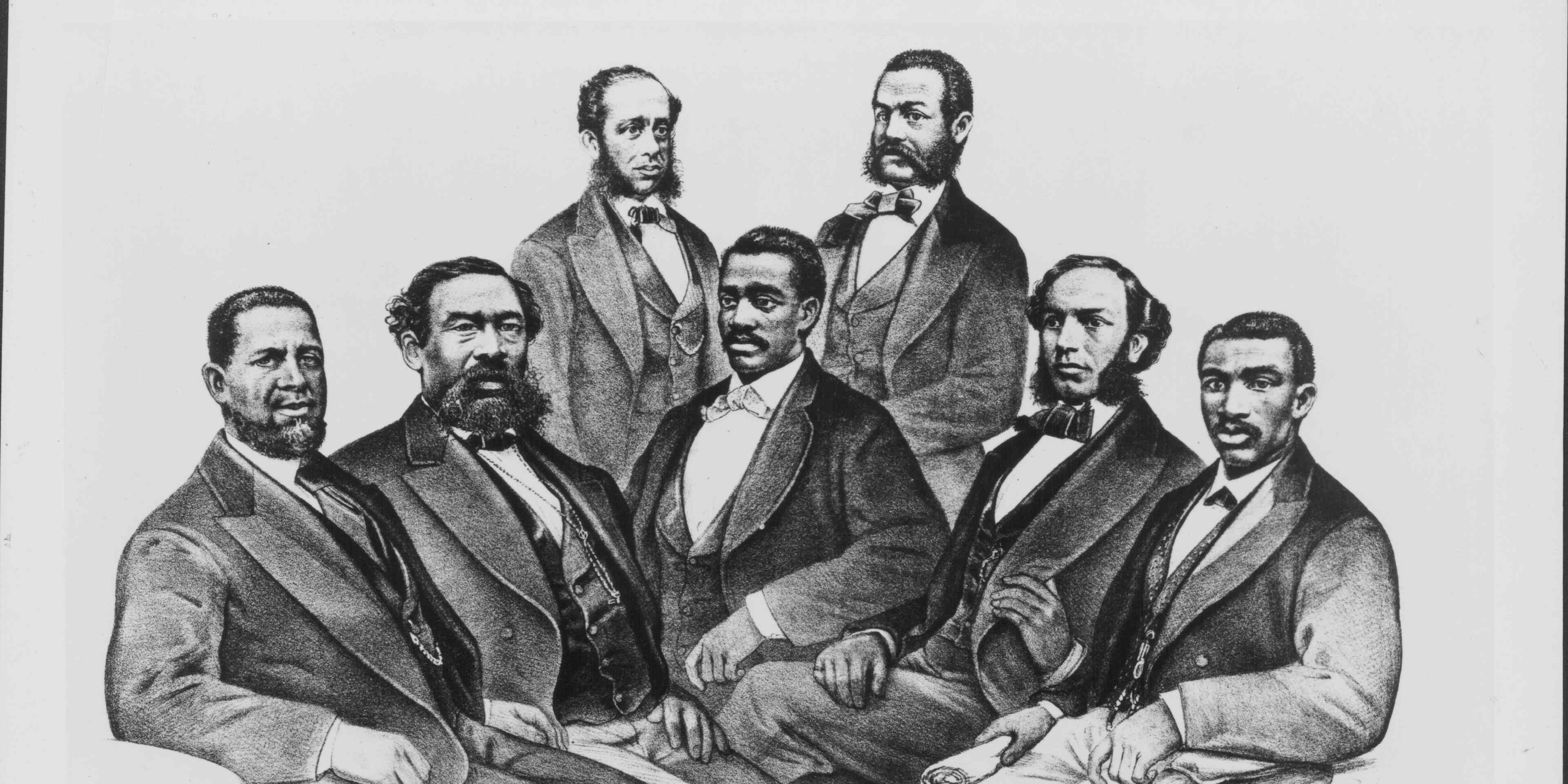
Historical Background: The Dawn of Reconstruction
To fully appreciate the rise of these statesmen, one must understand the political climate of post-Civil War America. From 1865 to 1877, the Reconstruction Era sought to address the legal, social, and economic status of formerly enslaved people. The passage of the 13th Amendment in 1865 officially abolished slavery, but early attempts at state-led reconstruction resulted in “Black Codes”—restrictive laws designed to limit Black freedom and compel them to work in a labor economy based on low wages. In response, Radical Republicans in Congress seized control of the Reconstruction process, passing the Reconstruction Acts of 1867, which placed the South under federal military rule and guaranteed voting rights for Black men. Long before this era, legal challenges led by figures like Elizabeth Freeman had signaled the relentless pursuit of liberty, but Reconstruction provided the first systemic opportunity for Black Americans to hold public office at the highest levels of federal government.
A Chronological Timeline of Reconstruction and Black Political Rise
- 1861–1865: The American Civil War rages, ending with Union victory and the collapse of the Confederacy.
- 1865: President Abraham Lincoln is assassinated; the 13th Amendment is ratified, legally ending slavery.
- 1867: The Military Reconstruction Acts are passed, dividing the South into military districts and registering Black voters.
- 1868: The 14th Amendment is ratified, granting citizenship and equal protection under the law.
- 1870: The 15th Amendment is ratified, securing voting rights regardless of race. Joseph Rainey is sworn into the U.S. House of Representatives as its first Black member.
- 1875: Blanche K. Bruce is elected to the U.S. Senate, and the Civil Rights Act of 1875 is signed into law.
- 1877: The Compromise of 1877 results in the withdrawal of federal troops from the South, marking the tragic end of Reconstruction and the rise of Jim Crow segregation.
Profiles of Five Extraordinary Statesmen
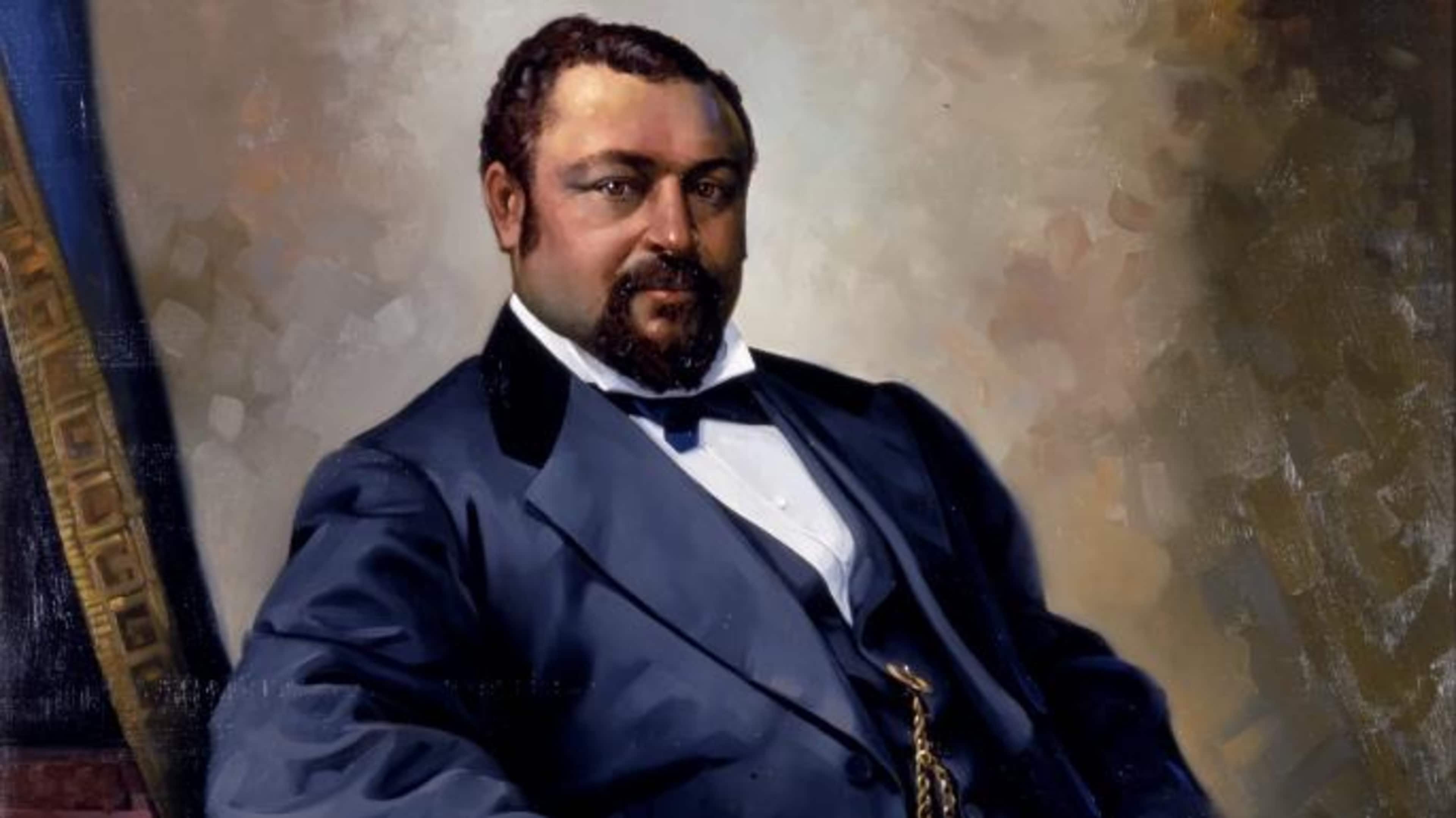
1. Blanche K. Bruce: The Senate’s Trailblazer
Born into bondage in Virginia as the son of an enslaved woman and her white master, Blanche K. Bruce had a relatively privileged upbringing compared to other enslaved individuals, being tutored alongside his master’s legitimate children. However, the yearning for absolute freedom led him to flee to Kansas at the outbreak of the Civil War. After the war, Bruce moved to Mississippi, where he quickly established himself as a successful planter, land speculator, and educational administrator. In 1874, the Mississippi legislature elected Bruce to the U.S. Senate, making him the second Black senator in American history and the first to serve a full six-year term. In the Senate, Bruce fought passionately against segregation, defended Black Union veterans, and advocated for the rights of Chinese immigrants and Native Americans. He even became the first African American to preside over a Senate session in 1879.
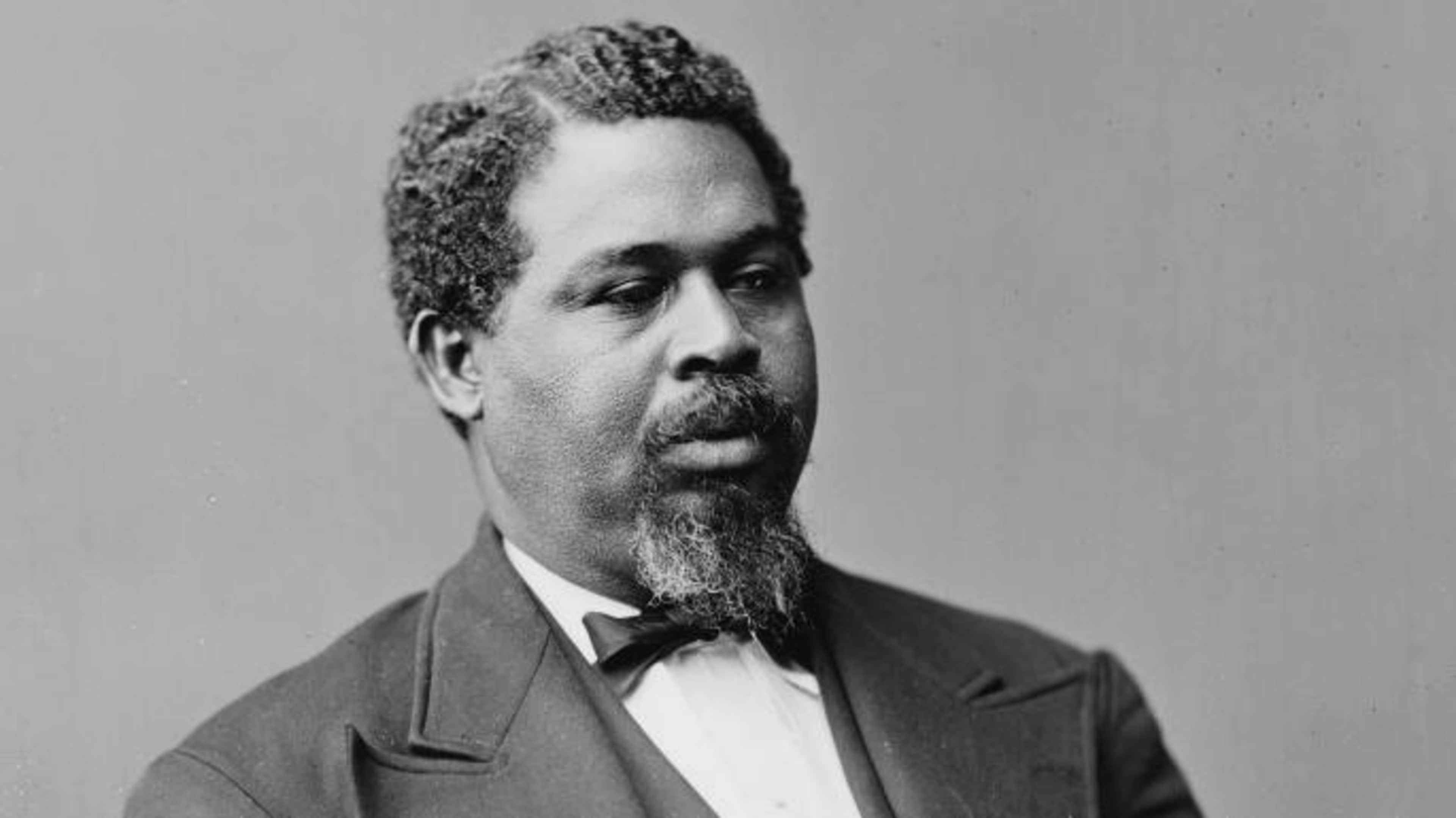
2. Robert Smalls: The Hero of the Planter
Robert Smalls achieved legendary status before he ever entered politics. Working as an enslaved wheelman aboard the Confederate military transport ship, the Planter, in Charleston, Smalls executed a daring escape in the early hours of May 13, 1862. While the white crew was ashore, Smalls and a brave crew of enslaved workers hijacked the steamer, navigated it past heavily armed Confederate forts, and surrendered it to the Union blockade. His heroism earned him national fame, a monetary reward, and a commission as a pilot in the Union Navy. Following the war, Smalls bought his former master’s home in Beaufort, South Carolina, and used his celebrity to organize the state’s Republican Party. He served in the U.S. House of Representatives for five terms, advocating for Black voting rights and military desegregation, despite facing severe intimidation from white supremacist groups.
3. Joseph Rainey: The First Black Congressman
Unlike many of his peers, Joseph Rainey was born into slavery but obtained his freedom early when his father, a successful barber, purchased the family’s liberty. Rainey worked as a barber in Charleston until the Confederacy forced him to work as a trench digger and cook during the Civil War. Refusing to support the Confederate cause, Rainey escaped to Bermuda, returning to South Carolina after the war concluded. Entering politics, Rainey won a special election in 1870 to become the first African American to serve in the U.S. House of Representatives. Known for his moderate approach, Rainey was willing to compromise on economic policies but was unyielding in his demand that the federal government protect Black citizens from the Ku Klux Klan. Despite numerous death threats, he served five consecutive terms, setting a record for Black congressional longevity during the 19th century.
4. John R. Lynch: The Youthful Orator
Born to an Irish overseer and an enslaved mother, John R. Lynch was freed by Union troops during the Civil War. Recognizing the power of education, Lynch worked by day as a photographer’s assistant and studied intensely at night. His sharp intellect caught the attention of local leaders, leading to his appointment as justice of the peace at age 21 and his election to the Mississippi House of Representatives. In 1872, at just 26 years old, Lynch was elected to the U.S. House of Representatives. A masterful speaker, Lynch delivered powerful defenses of the Civil Rights Act of 1875, arguing that Southern white supremacists were attempting to rule by “the power of the bullet and not by the power of the ballot.” After his political career, he served as a major in the Spanish-American War and wrote critical historical texts defending the achievements of Black Reconstruction-era politicians.
5. Josiah Walls: Florida’s Solitary Voice
For more than a century, Josiah Walls remained the only Black congressman in Florida’s history. Born in Virginia, Walls was conscripted into the Confederate Army as a laborer but was captured and subsequently freed by Union forces in 1862. He then enlisted in the United States Colored Troops (USCT), serving in Florida. After the war, Walls chose to remain in Florida, where he prospered as a teacher and lumber merchant. Elected to Congress in 1870, Walls faced extreme opposition, including an assassination attempt during a campaign rally. He served three terms in the House, advocating tirelessly for public education funding, internal infrastructure improvements, and national integration. After leaving office, Walls returned to Florida, where he continued to advocate for agricultural and educational advancements.
Causes, Context, and the Balance of Power
The swift political ascension of these five statesmen was made possible by the unique constitutional alignments of the Reconstruction Era. The debate over how the Founding Fathers divided power between federal and state levels was put to the ultimate test during this period. To counter state-level resistance and violent voter suppression, the federal government had to assert unprecedented authority, deploying federal troops and marshaling constitutional power to guarantee civil rights. This federal intervention created a temporary democratic opening that allowed Black voters to organize and elect representatives of their own choosing, overcoming the remnants of the slaveholding aristocracy.
Major Turning Points and the Tragic Collapse of Reconstruction
The political breakthrough of Black statesmen was met with a violent, coordinated backlash from white supremacist factions, such as the Ku Klux Klan and the Red Shirts. These groups utilized voter intimidation, fraud, and political assassinations to systematically disenfranchise Black voters. The major turning point came with the Compromise of 1877, an informal agreement that settled the disputed 1876 presidential election in favor of Republican Rutherford B. Hayes in exchange for the withdrawal of all remaining federal troops from the South. Without federal protection, Black political power was rapidly eroded, ushering in the dark era of Jim Crow laws, segregation, and disenfranchisement that persisted for nearly a century.
Long-Term Impact on America’s Democratic Legacy
Despite the abrupt and tragic end of Reconstruction, the achievements of these five statesmen left an indelible mark on American democracy. They demonstrated that formerly enslaved people possessed the intellect, patriotism, and diplomatic skill necessary to govern at the highest levels. Their struggles and legislative proposals served as the blueprint for the 20th-century civil rights movement. Their courageous actions represent some of the most monumental strides for freedom in U.S. history, proving that constitutional amendments are only as powerful as the federal will to enforce them.
Lesser-Known Facts and Inspiring Anecdotes
- A Generous Heart: After purchasing his former master’s mansion in Beaufort, Robert Smalls allowed his former master’s elderly, dementia-afflicted widow, Jane McKee, to live out the rest of her days in the home, demonstrating incredible grace and humanity.
- A Permanent Signature: As Register of the Treasury during the late 19th century, Blanche K. Bruce’s official signature appeared on all United States paper currency, meaning the name of a formerly enslaved man was handled daily by millions of Americans.
- The Youngest Speaker: At just 26 years old, John R. Lynch became the youngest Speaker of the Mississippi House of Representatives before moving to the national stage, demonstrating extraordinary political maturity.
Why This History Still Matters Today
The lives of these five statesmen are not merely stories from a bygone era; they are highly relevant to contemporary discussions surrounding voting rights, representation, and systemic equality. Their legacy reminds us of the fragility of democratic progress and the ongoing struggle to ensure that every citizen’s voice is heard in the halls of power. By studying their courage, modern Americans can better understand the enduring nature of the civil rights struggle and the continuous effort to form a more perfect union.
People Also Ask
Who was the first Black member of the U.S. House of Representatives?
Joseph Rainey of South Carolina was the first African American to be seated in the U.S. House of Representatives, taking his oath of office on December 12, 1870.
What was the Compromise of 1877, and how did it affect Black politicians?
The Compromise of 1877 was an informal political agreement that withdrew federal troops from the South, effectively ending Reconstruction. Without federal military protection, Southern state governments systematically disenfranchised Black voters, ending the first wave of Black political representation.
How did formerly enslaved people run for political office so quickly after the Civil War?
Following the passage of the Reconstruction Acts of 1867, the federal government placed the South under military districts and registered newly freed Black men to vote. This federal oversight, combined with the organizing efforts of the Union League and the Republican Party, enabled formerly enslaved individuals to run for and win political office.
Conclusion
The legacy of Blanche K. Bruce, Robert Smalls, Joseph Rainey, John R. Lynch, and Josiah Walls represents a shining chapter of resilience in the American narrative. From the depths of human bondage to the heights of federal power, these five statesmen championed the true promise of the United States Constitution. Though the collapse of Reconstruction temporarily silenced their political momentum, their lives and achievements stand as an enduring testament to the relentless pursuit of freedom and equality for all Americans.


