For many, the surrender of General Robert E. Lee to Lieutenant General Ulysses S. Grant at Appomattox Court House on April 9, 1865, marks the neat, definitive end of the American Civil War. Yet, the reality of ending a massive, continental conflict was far more complex, slow, and bloody. News traveled slowly, geographic isolation shielded distant armies, and deep-seated ideological resistance led thousands of soldiers to continue fighting well into the spring and summer of 1865. The notable Civil War battles after Appomattox serve as a poignant reminder that peace did not arrive with a single stroke of a pen, but rather through a series of forgotten clashes across the American South, the Texas border, and even the icy waters of the Bering Sea.
The Illusion of Peace: Historical Background and Context
To understand why fighting persisted after Lee's surrender, one must examine the sociopolitical and military landscape of April 1865. While the Army of Northern Virginia was the symbolic heart of the Confederacy, it was not the entire Confederate military. More than 100,000 rebel soldiers remained under arms across other theaters, including General Joseph E. Johnston's army in North Carolina, General Richard Taylor's forces in Alabama and Mississippi, and General Edmund Kirby Smith's massive Department of the Trans-Mississippi in the West.
Furthermore, the physical and administrative infrastructure of the South was in ruins. Telegraph lines were severed, railroads were destroyed, and federal authority was virtually non-existent in remote regions. This communication vacuum created a chaotic environment where Union and Confederate forces frequently clashed, sometimes completely unaware of the political developments in Virginia, and at other times willfully ignoring them in a desperate, final bid for leverage. Just as the signing of preliminary peace treaties did not immediately halt every local conflict during the American Revolution, the surrender at Appomattox did not instantly pacify the deeply divided American landscape.
Timeline of Post-Appomattox Military Actions (Spring – Autumn 1865)
- April 12-13, 1865: The Battle of Morrisville Station, North Carolina
- April 14, 1865: President Abraham Lincoln is assassinated in Washington, D.C.
- April 16, 1865: Simultaneous battles at West Point (Fort Tyler) and Columbus, Georgia
- April 26, 1865: General Joseph E. Johnston surrenders 90,000 troops at Bennett Place
- May 1, 1865: The Anderson County Skirmish in South Carolina
- May 10, 1865: Confederate President Jefferson Davis is captured by Union forces
- May 12-13, 1865: The Battle of Palmito Ranch in Texas (the final land battle)
- June 28, 1865: The CSS Shenandoah captures 10 Union whalers in the Bering Sea
- November 6, 1865: The CSS Shenandoah surrenders to British authorities in Liverpool, England
The Six Forgotten Civil War Battles After Appomattox
1. The Battle of Morrisville Station, North Carolina (April 12-13, 1865)
As Union Major General William Tecumseh Sherman pursued General Joseph E. Johnston's retreating Confederate forces westward from Raleigh, the two armies collided at Morrisville Station. Desperate to evacuate wounded soldiers and salvage precious military supplies, Confederate cavalry engaged in a fierce rearguard action against Sherman's advancing horsemen. Rebel troops successfully uncoupled supply cars to allow a train of wounded soldiers to escape toward Greensboro, but they were ultimately forced to retreat under heavy Union artillery fire. The skirmish at Morrisville Station was pivotal; it convinced Johnston that further resistance was futile, prompting him to send a courier with a white flag, which eventually led to the largest surrender of Confederate troops during the entire war on April 26.
2. The Battle of West Point / Fort Tyler, Georgia (April 16, 1865)
Occurring on Easter Sunday, just two days after President Lincoln was shot, this battle was part of Major General James H. Wilson's sweeping raid through Alabama and Georgia. Colonel Oscar LaGrange led a Union detachment to capture a vital bridge spanning the Chattahoochee River at West Point. Standing in his way was Fort Tyler, a small but heavily armed earthen defense manned by a skeleton crew of teenagers, convalescents, and local citizens. The battle was fierce but tragically lopsided. Among the casualties was Confederate Brigadier General Robert C. Tyler, who was shot by a Union sharpshooter, making him the last Confederate general to die in battle during the Civil War.
3. The Battle of Columbus, Georgia (April 16, 1865)
On the very same day as the fight at West Point, General Wilson's main force attacked Columbus, Georgia, which was the Confederacy's last major industrial and supply hub. Recognizing the city's formidable fortifications, Wilson launched a daring, highly unorthodox nighttime assault. In the pitch-black chaos, Union soldiers breached the rebel defenses and secured one of the covered bridges over the Chattahoochee River before the defenders could destroy it. The Union victory resulted in the systematic destruction of Confederate arsenals, factories, and the unfinished ironclad warship, the CSS Jackson, effectively neutralizing the Deep South's industrial capacity.
4. The Anderson County Skirmish, South Carolina (May 1, 1865)
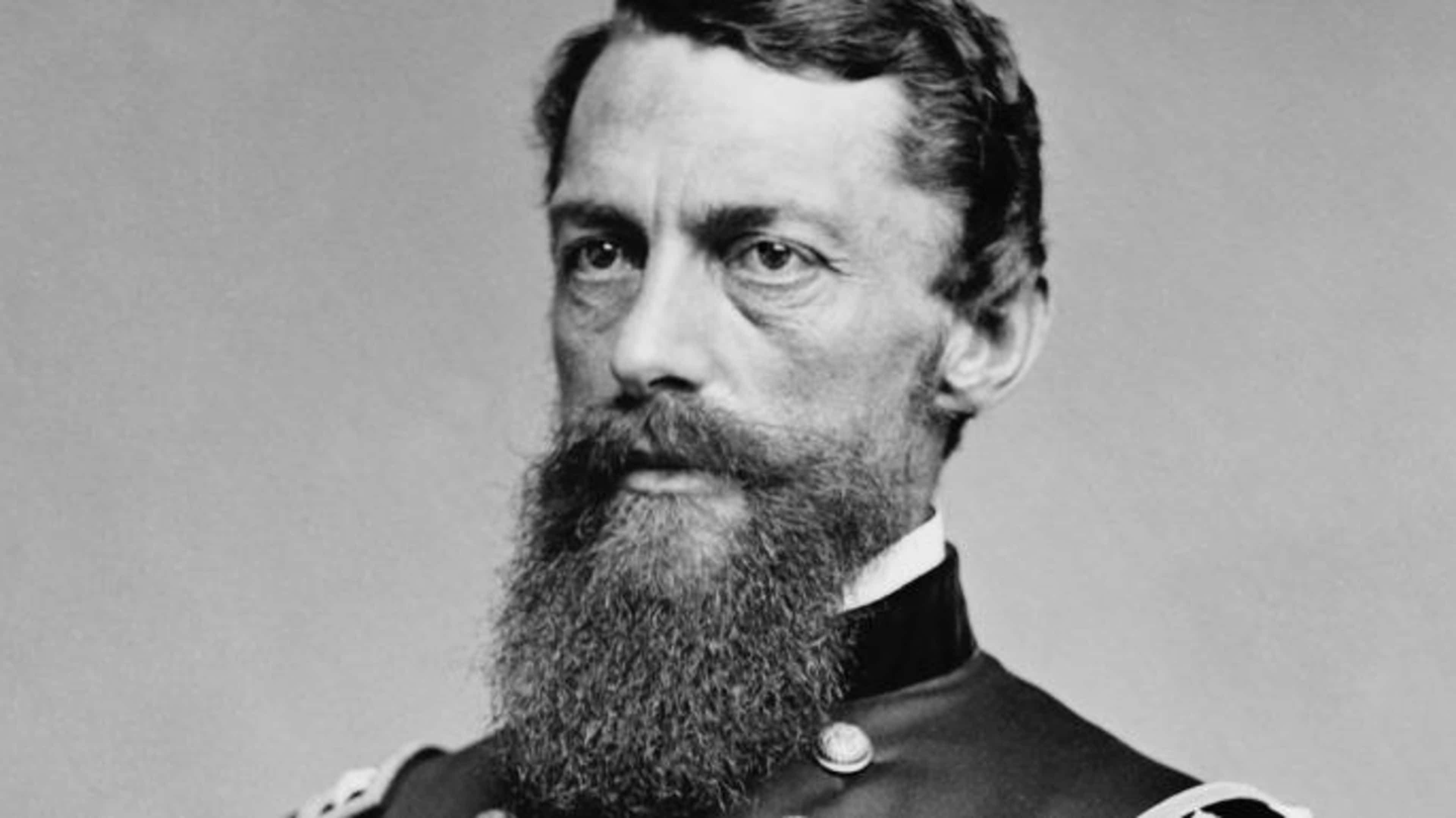
While the major Confederate armies in the East had surrendered by May, Union cavalry under Major General George Stoneman continued to scour the Southeast in search of the fleeing Confederate President, Jefferson Davis. In South Carolina's Saluda River valley, Stoneman's men encountered a defiant pocket of Confederate holdouts. Though the exact geographical coordinates remain a subject of historical debate, this brief, chaotic skirmish is widely recognized by historians as the very last exchange of military gunfire east of the Mississippi River.
5. The Battle of Palmito Ranch, Texas (May 12-13, 1865)
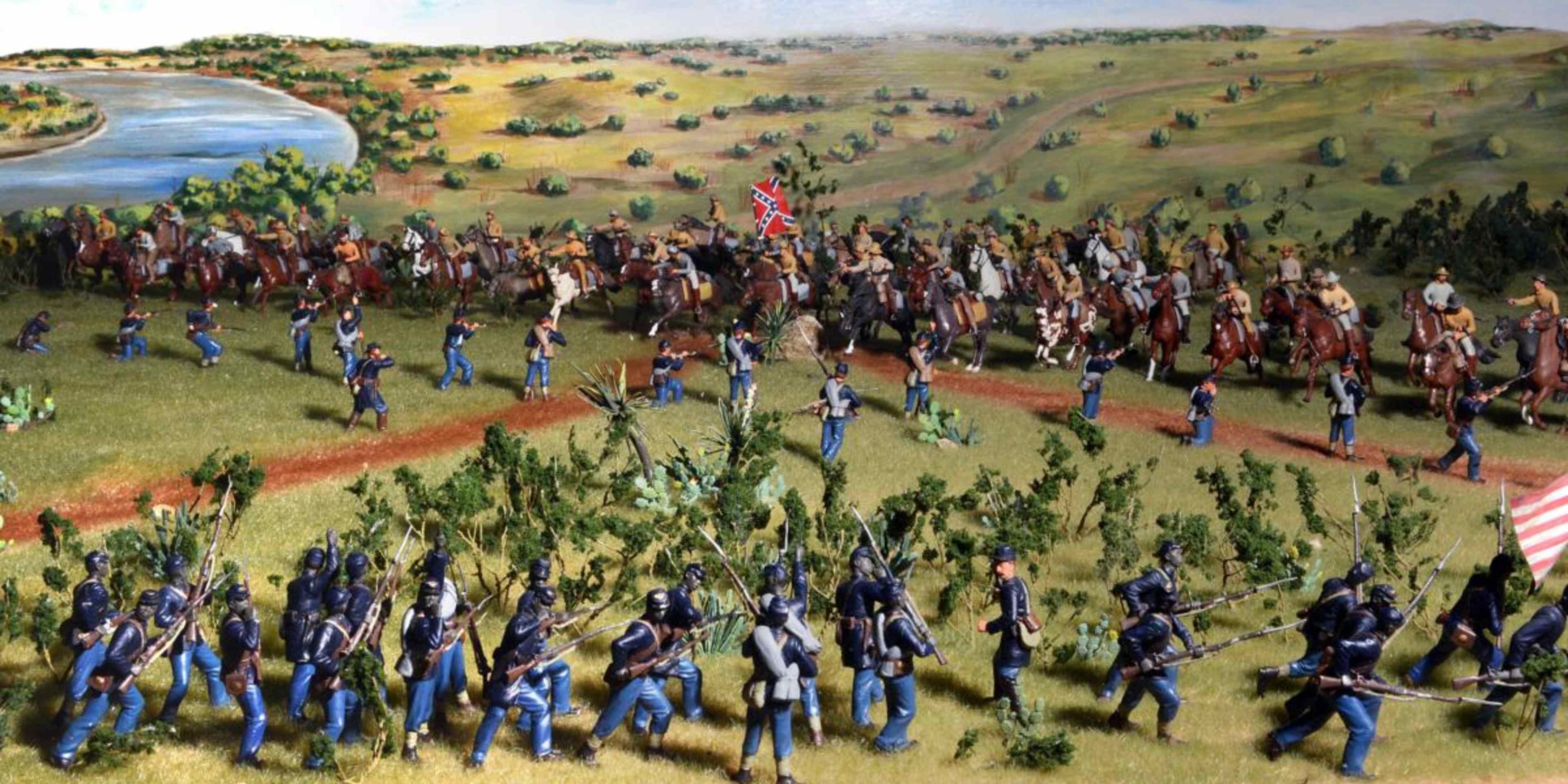
In a bizarre twist of historical irony, the final land battle of the Civil War was actually a Confederate victory. Located on the banks of the Rio Grande near Brownsville, Texas, Palmito Ranch saw Union Colonel Theodore H. Barrett lead an offensive against a rebel outpost, despite both sides knowing that Lee had surrendered weeks prior. Faced with devastating Confederate artillery fire and cavalry charges directed by Colonel John "Rip" Ford, Barrett was forced to orchestrate a desperate withdrawal. While it may not rank among the most brilliant military retreats in historical textbooks, this maneuver successfully saved his remaining troops from total destruction along the bend of the Rio Grande. Among the Union casualties was Private John J. Williams of the 34th Indiana Infantry, who is believed to be the final soldier killed in action during the war. Notably, the Union ranks at Palmito Ranch included the 62nd U.S. Colored Infantry. Their brave stand in this final action cemented the legacy of black heroes throughout US military history who fought valiantly for both national union and personal freedom.
6. The Global Cruise of the CSS Shenandoah (June – November 1865)
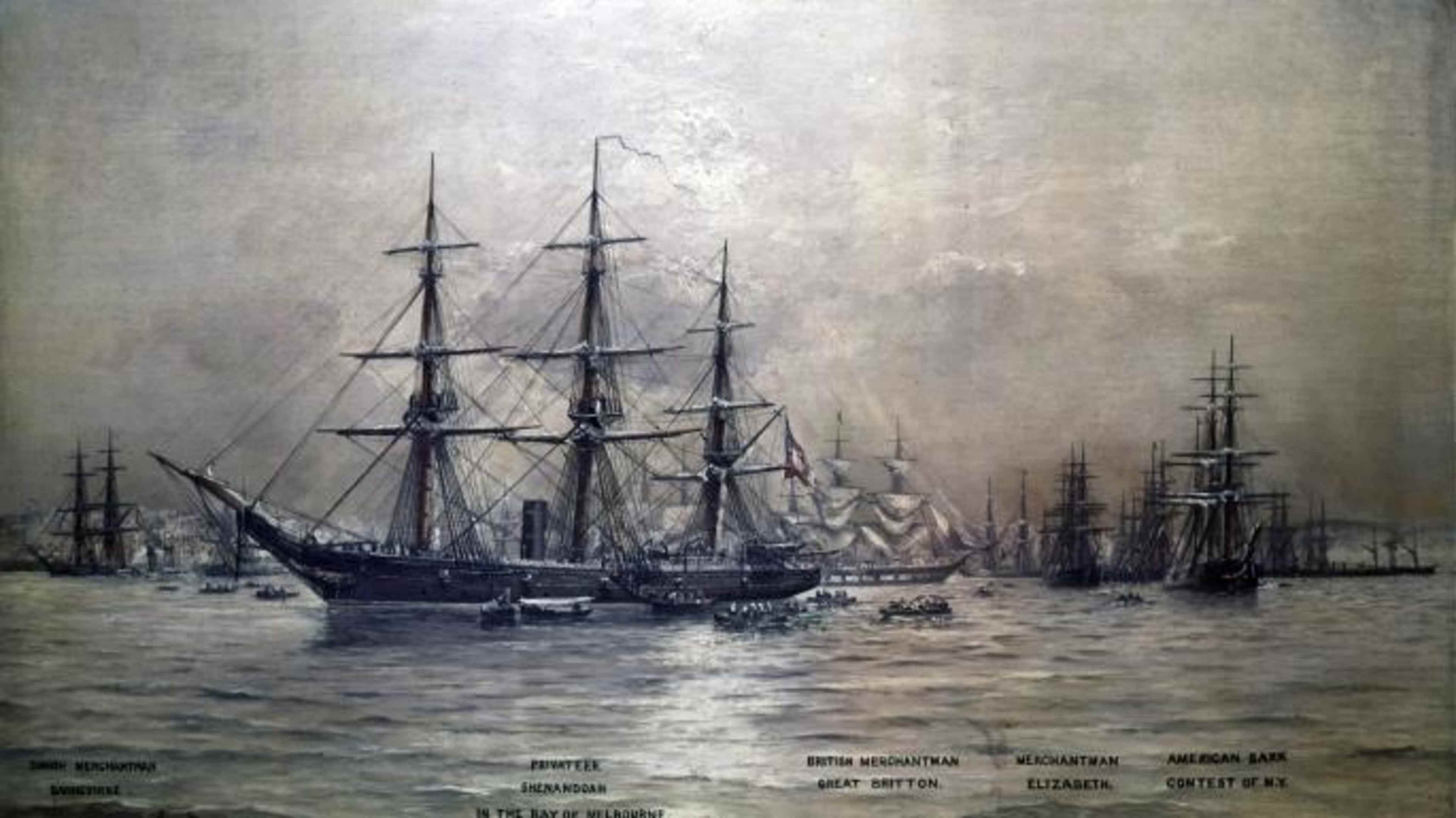
Perhaps the most extraordinary post-Appomattox chapter belonged to the CSS Shenandoah, a British-built commerce raider commanded by Confederate Captain James Waddell. Tasked with decimating the Union's commercial shipping, Waddell sailed the global high seas, eventually reaching the Bering Sea off the coast of Alaska. Long after the land armies had laid down their arms, Waddell systematically captured and destroyed dozens of Yankee whaling ships, including ten in a single day on June 28, 1865. It was not until August 2, 1865, that a British captain delivered the definitive news that Richmond had fallen and Jefferson Davis was captured. Realizing they would be treated as pirates if caught, Waddell disarmed the ship, disguised its appearance, and sailed 17,000 miles to Liverpool, England, where he formally surrendered to British authorities on November 6, 1865, lowering the Confederate flag for the last time.
Long-Term Impact on America and the Reconstruction Era
The prolonged ending of the Civil War had deep, structural consequences for the United States. The continuation of military actions delayed the transition to civil governance and hardened the resolve of federal authorities to implement a rigorous Reconstruction policy. It demonstrated that legal surrenders did not automatically translate to societal acceptance. The geographic isolation of the Trans-Mississippi West also meant that major federal policies, most notably the emancipation of enslaved people, were delayed. It was not until June 19, 1865, when Union General Gordon Granger arrived in Galveston, Texas—guarded by Union troops—that the state's enslaved population finally received word of their freedom, an event now celebrated nationwide as Juneteenth.
Lesser-Known Facts About the Civil War's Final Days
- The Last General's Fate: Brigadier General Robert C. Tyler, killed at Fort Tyler on April 16, 1865, had survived some of the war's bloodiest battles, including Shiloh and Chickamauga, only to die after the war was politically lost.
- An International Surrender: The final surrender of a Confederate military unit did not take place on American soil, but rather in Liverpool, England, when Captain Waddell surrendered the CSS Shenandoah to the British government.
- The Final Casualty: Private John J. Williams, the last combat death of the war, died on a dusty Texas battlefield more than a month after General Lee and General Grant shook hands at Appomattox.
Why the Post-Appomattox Era Still Matters Today
Studying the Civil War battles after Appomattox challenges the clean, oversimplified narratives of history. It reminds us that conflicts rarely end with a neat chronological border. The slow, staggered end of the war highlights the immense challenges of national reconciliation, communication, and the enforcement of civil rights. The tensions, unresolved battles, and regional resistance of late 1865 laid the groundwork for the political battles of the Reconstruction Era and the civil rights struggles that continue to shape modern American dialogue.
People Also Ask (FAQ)
Did the Civil War officially end at Appomattox?
No. While General Lee's surrender at Appomattox on April 9, 1865, effectively ended the Confederacy's chances of victory, several other Confederate armies remained active in the field and did not surrender for weeks or months afterward.
What was the last land battle of the Civil War?
The Battle of Palmito Ranch, fought near Brownsville, Texas, on May 12-13, 1865, is widely recognized as the final land battle of the Civil War. Ironically, it resulted in a Confederate victory.
Who was the last soldier killed in the Civil War?
Private John J. Williams of the 34th Indiana Infantry is widely considered by historians to be the last Union soldier, and the last soldier overall, killed in action during the Civil War, dying at the Battle of Palmito Ranch.
Conclusion
The history of the Civil War is incomplete without acknowledging the weeks and months of fighting that occurred after Appomattox. From the tactical skirmishes in North Carolina to the global naval raids of the CSS Shenandoah, these final clashes underscore the immense tragedy, stubborn defiance, and chaotic reality of a nation slowly, painfully binding its wounds. By remembering these forgotten battles, we gain a deeper, more accurate understanding of the monumental transition from a state of total war to the long, difficult road of American reconstruction.


