The conventional narrative of the American Civil War often portrays a country neatly split down the middle: a monolithic, industrial North pitted against a monolithic, agrarian South. However, this simplified perspective overlooks a fascinating and turbulent reality. Throughout the Confederacy, thousands of citizens remained fiercely loyal to the United States. These Southern Unionists actively resisted secession, organized underground networks, and waged bloody guerrilla warfare against Confederate authorities. Their defiance not only disrupted the Confederate war effort but also challenged fundamental assumptions about state sovereignty and how the Founding Fathers divided power between states and federal governments. This resistance proved that the wartime South was deeply divided from within.
The Socioeconomic Underpinnings of Southern Unionism
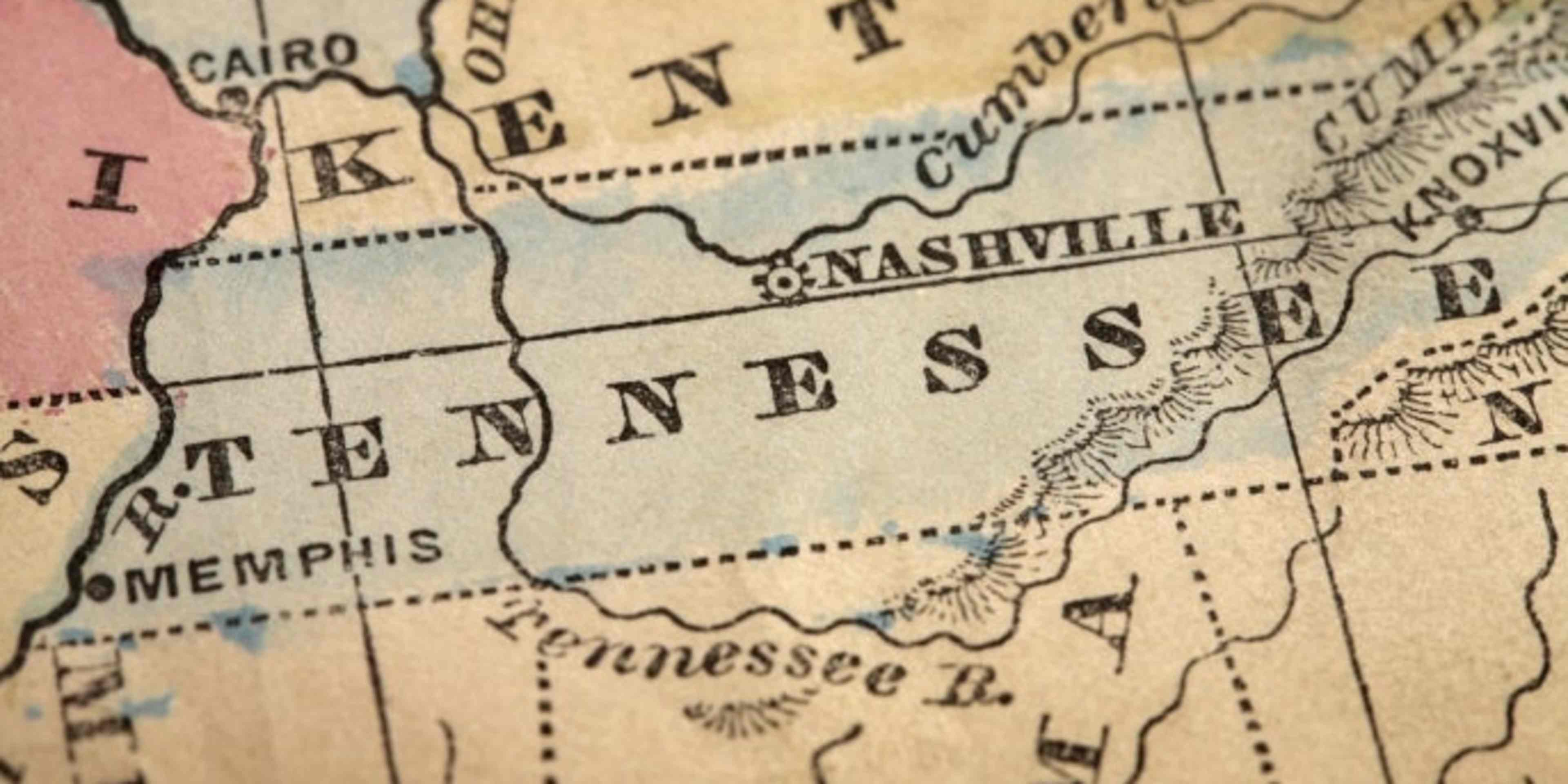
To understand why certain pockets of the South rebelled against the Rebellion, one must look at the geography and social class structure of the mid-19th century. The Confederate elite consisted of wealthy, slave-holding planters concentrated in low-lying coastal areas and fertile river valleys. Conversely, the mountainous and hilly regions—such as the Appalachians, the Ozarks, and the Texas Hill Country—were populated by small-scale, subsistence farmers who owned few or no slaves. These independent “yeoman” farmers viewed the planter class with deep resentment, seeing secession as a “rich man’s war and a poor man’s fight.” When the war broke out, this socioeconomic divide widened into open, violent rebellion against Confederate rule.
1. Scott County, Tennessee: The Sovereign Mountain State
In June 1861, Tennessee became the last state to separate from the Union. However, the residents of rugged East Tennessee fiercely opposed this decision. Nowhere was this anti-secession sentiment stronger than in remote Scott County. Spurred on by an impassioned speech by Unionist Senator and future President Andrew Johnson, an astonishing 95 percent of Scott County’s citizens voted against secession. When Tennessee went ahead with separation, Scott’s county court carried out its own act of rebellion, approving a resolution to separate from Tennessee and form the “Free and Independent State of Scott.” The county went on to supply volunteer soldiers for the Union’s 7th Tennessee Infantry Regiment and resisted Confederate incursions. Remarkably, Scott County remained an unofficial, self-declared sovereign entity for 125 years until it was formally readmitted to Tennessee by a symbolic resolution in 1986.
2. West Virginia: The Ultimate Secession from the South
While Virginia housed the capital of the Confederacy, its western counties boasted one of Dixie’s most active Unionist populations. Politically and economically alienated from the wealthy plantation owners in the East, western Virginians—only 4 percent of whom owned slaves—were fed up with high taxes that favored eastern infrastructure. Following Virginia’s secession in May 1861, western politicians convened at the Wheeling Conventions to form the “Restored Government of Virginia.” Backed by President Abraham Lincoln, they held a public referendum that paved the way for the creation of a new, loyal state. In June 1863, West Virginia was officially admitted to the Union. Though the state remained internally divided, its creation was a major political and psychological coup for the United States, which the U.S. Supreme Court later upheld against post-war Virginian challenges.
3. Winston County, Alabama: The “Free State of Winston”
Deep within the heart of the Deep South, the hill people of Winston County, Alabama, resisted the Confederate cause with legendary zeal. Most of Winston’s subsistence farmers did not own slaves and viewed Alabama’s secession as an illegal, treasonous act. Christopher Sheats, the county’s 21-year-old delegate to the state’s secession convention, was one of the few who refused to sign the secession ordinance, leading to his brief imprisonment by Confederate authorities. Winston residents subsequently held a famous meeting at Looney’s Tavern, declaring that if a state could secede from the Union, a county should be allowed to secede from a state. While they never formally formed an independent government, hundreds of Winston men fled into the forests to evade the Confederate draft, ultimately supplying twice as many soldiers to the Union army as they did to the South.
4. Jones County, Mississippi: Newton Knight and the Knight Company
The piney woods of Jones County, Mississippi, became the site of one of the most violent and famous inner-state rebellions of the war. Disillusioned by high casualty rates and the unfair “Twenty Negro Law”—which exempted wealthy slave owners from military service—hundreds of young Mississippi soldiers deserted the Confederate army and fled to the swamps. Led by a local farmer named Newton Knight, they organized into a pro-Union guerrilla outfit known as the Knight Company. The group effectively overthrew the local Confederate government in Jones County, raising the American flag over the courthouse in Ellisville. Despite a brutal counter-insurgency campaign led by Confederate Colonel Robert Lowry, who used bloodhounds to hunt the guerrillas, Knight and his followers survived and later aided federal Reconstruction efforts in Mississippi.
5. Searcy County, Arkansas: The Secret Peace Societies of the Ozarks
In the isolated Ozark mountains of northern Arkansas, Searcy County served as a hotbed of Unionist activity. In 1861, Searcy’s delegate originally voted against secession, reflecting the local population’s ambivalence toward the slaveholding elite. By late November 1861, Confederate authorities discovered a clandestine, pro-Union organization known as the Arkansas Peace Society operating within the county. Dozens of Searcy County natives were arrested, chained, and marched to Little Rock, where they were forced to choose between execution for treason or enlistment in the Confederate army. Many chose enlistment only to desert at the first opportunity, fleeing back to the Ozarks to join Union militias or hide out as bushwhackers. The region remained a bloody battleground of local guerrilla warfare until the end of the conflict.
6. Texas German Hill Country: The Intellectuals of the Frontier
Texas supplied tens of thousands of troops to the Confederacy, but its south-central Hill Country was home to a highly distinct group of Unionists. This region was populated by German immigrants, many of whom were liberal intellectuals who had fled the failed European Revolutions of 1848. These settlers were culturally distinct from who the early Texians were, maintaining a deep moral opposition to slavery and a strong loyalty to the U.S. Constitution. Their refusal to take Confederate loyalty oaths led to severe retaliation. In August 1862, a group of 65 German Unionists attempting to flee to Mexico to join the Union army was ambushed by Confederate cavalry along the Nueces River. Nineteen Germans were killed on the spot, and several others were executed afterward. Today, the “Treue der Union” (Loyalty to the Union) monument in Comfort, Texas, stands as a lasting tribute to their sacrifice.
Key Timeline of Southern Unionist Resistance
- January–June 1861: Secession conventions meet across the South. Delegates like Christopher Sheats of Alabama and West Virginian politicians voice strong opposition to leaving the Union.
- May–June 1861: The Wheeling Conventions are held, establishing the Restored Government of Virginia and setting the stage for West Virginia’s statehood.
- November 1861: Confederate forces arrest members of the secret Arkansas Peace Society in Searcy County, marching them to Little Rock.
- August 10, 1862: Confederate cavalry ambushes German Unionists at the Nueces River in Texas, executing survivors in what became known as the Nueces Massacre.
- June 20, 1863: West Virginia is officially admitted to the Union as the 35th state, representing the largest successful territorial partition of the war.
- October 1863: Newton Knight organizes the Knight Company in Jones County, Mississippi, launching a successful guerrilla campaign against Confederate forces.
- 1986: Scott County, Tennessee, passes a symbolic resolution formally ending its 125-year-old declaration of independence.
Long-Term Impact on America
The resistance of Southern Unionists had profound consequences for the trajectory of the Civil War and the reconstruction of the nation. By forcing the Confederacy to divert valuable military resources, manpower, and attention away from the front lines to police its own territory, these strongholds weakened the Southern war effort. Furthermore, the creation of West Virginia forever altered the geographic and political landscape of the United States. Southern Unionists also played critical roles during the Reconstruction era; leaders like Andrew Johnson rose to the presidency, and local Unionists collaborated with federal authorities to rebuild state governments. Ultimately, their efforts contributed to the preservation of the United States and marked some of the first great strides for freedom in US history by challenging the oligarchy of the slaveholding South from within.
Lesser-Known Facts About the Southern Unionists
- The Longest Secession: Scott County, Tennessee, remained technically separated from the state of Tennessee for over a century. The official resolution to readmit the county was not passed until its 125th anniversary in 1986.
- The Twenty Negro Law: This Confederate conscription loophole allowed men who owned 20 or more slaves to avoid military service, sparking outrage among poor Southern Unionists and fueling the desertion crisis in Jones County, Mississippi.
- A Monument on Confederate Soil: The “Treue der Union” monument in Comfort, Texas, is one of the very few monuments dedicated to the Union located on former Confederate territory. It is also the only monument where the American flag is permitted to fly permanently at half-mast to honor the victims of the Nueces Massacre.
Why It Still Matters Today
The history of Southern Unionist strongholds serves as a powerful reminder that political landscapes are rarely homogeneous. It challenges modern simplifications of the Civil War and highlights how economic disparity, geographic isolation, and philosophical principles can lead people to stand up against their neighbors. Understanding this history helps us appreciate the complexity of American identity and the enduring debate over federal authority versus local autonomy—issues that continue to shape the political discourse of the United States today.
People Also Ask (FAQ)
Were there Unionists in every Confederate state?
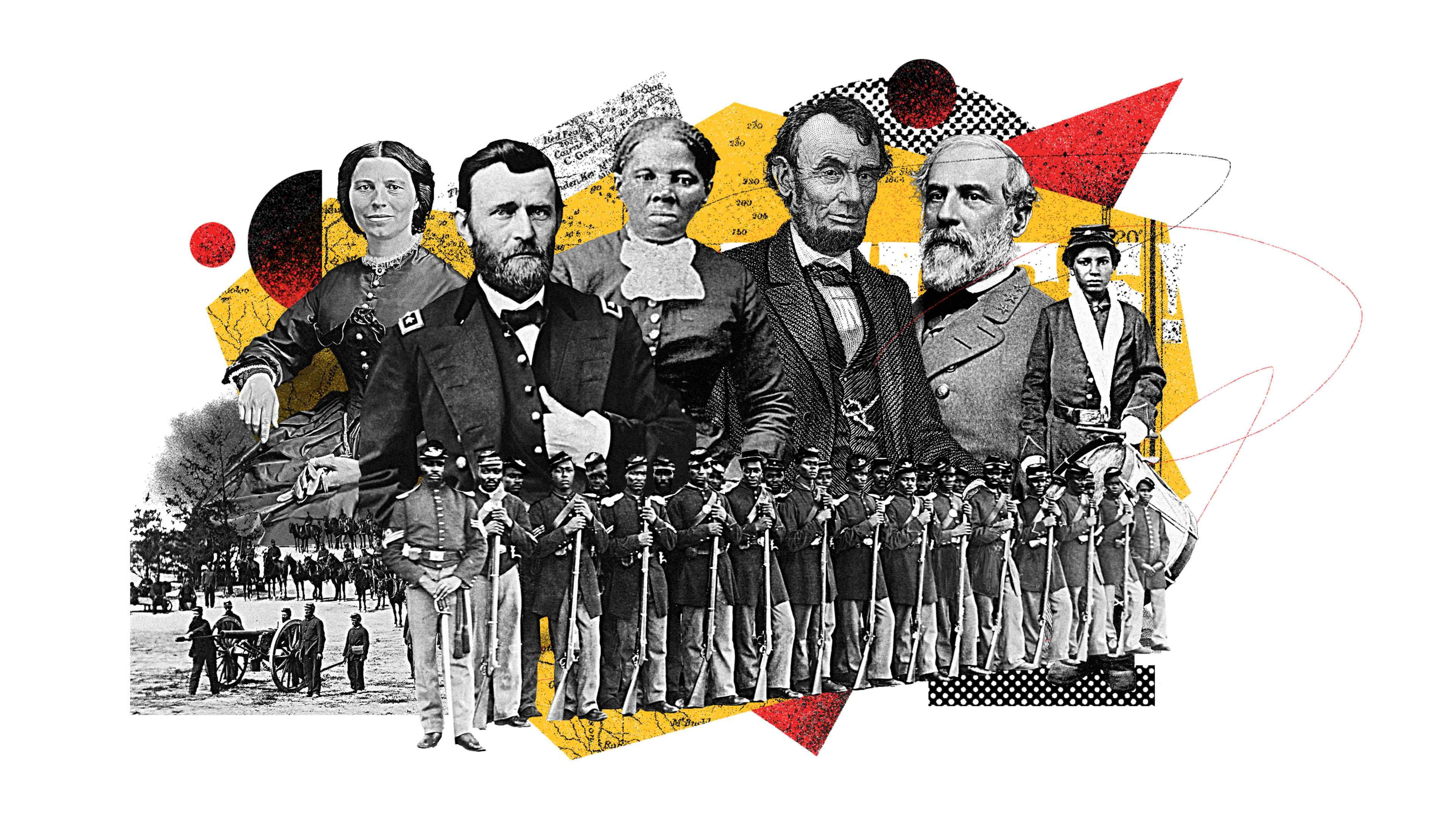
Yes. Every single Confederate state had residents who remained loyal to the Union. In total, over 100,000 white Southerners fought for the Union army, in addition to over 150,000 liberated African Americans from the South who joined the United States Colored Troops.
Did Jones County actually secede from Mississippi?
While there are persistent legends that Jones County formally seceded and raised the American flag over its courthouse, historians believe they did not establish a formal civil government. However, Newton Knight’s guerrilla band did successfully overthrow local Confederate authority, creating a de facto sovereign zone in the Mississippi swamps.
Why did West Virginia separate from Virginia?
West Virginia separated primarily due to long-standing economic and political divisions between the state’s eastern and western regions. Western Virginians owned very few slaves, felt neglected by the state government in Richmond, and opposed Virginia’s decision to secede from the United States in 1861.
Conclusion
The stories of Scott County, West Virginia, Winston County, Jones County, Searcy County, and the Texas German Hill Country illustrate that the Civil War was not simply a war between states, but also a war within states. These Southern Unionists risked their lives, their property, and their families’ safety to stand up for the United States Constitution and oppose the secessionist movement. Their legacy remains an essential, though often overlooked, chapter in the complex tapestry of American history.


