In late 1776, as the fledgling United States struggled to survive against the overwhelming military might of the British Empire, a seventy-year-old Benjamin Franklin embarked on the most perilous and critical journey of his life. Crossing a treacherous, British-patrolled Atlantic Ocean, Franklin arrived in Paris not merely as a celebrated scientist, but as America’s first unofficial ambassador. The survival of the new nation hung in the balance; the Continental Army was underfunded, poorly equipped, and desperately lacked the gunpowder, monetary capital, and naval support necessary to defeat a global superpower. Franklin’s mission was simple yet seemingly impossible: convince an absolute monarch, King Louis XVI, to finance and fight for a radical democratic rebellion. Through supreme intellect, unmatched social grace, and a keen understanding of public relations, Franklin orchestrated a diplomatic triumph that permanently altered the course of global history.
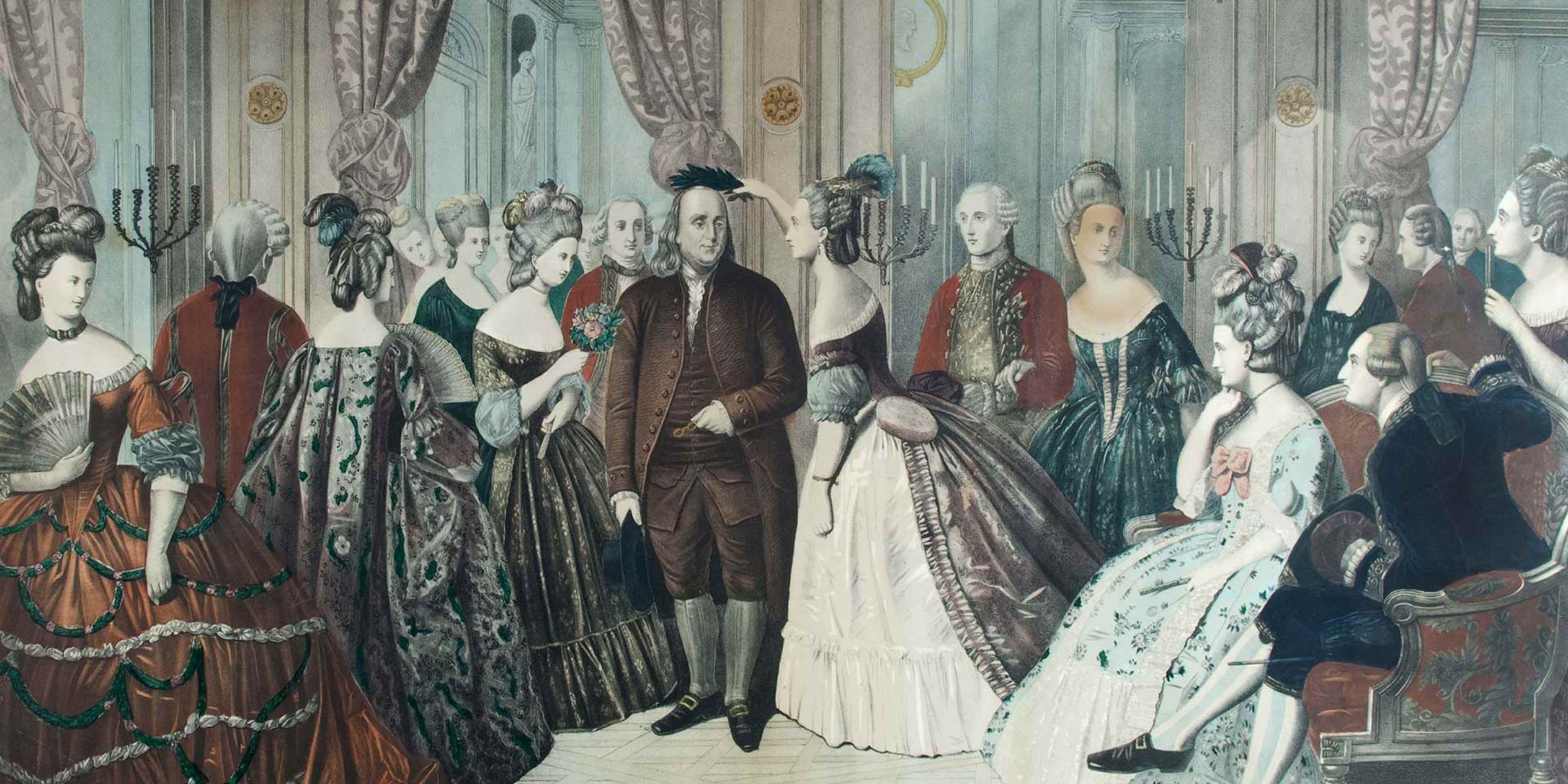
The Geopolitical Chessboard: Why America Needed France
The Revolutionary War began as an asymmetric conflict. The thirteen colonies were not a cohesive state but a loose federation of former colonial territories fighting the most powerful military, naval, and financial empire on earth. While the ideals of the Declaration of Independence were high-minded, the realities on the ground were grim. The Continental Army faced critical shortages of weapons, gunpowder, uniforms, and cash. Without external intervention, George Washington’s forces faced inevitable defeat.
Enter the Kingdom of France. Having suffered a humiliating defeat in the Seven Years’ War, the French Crown under King Louis XVI and his foreign minister, the Count de Vergennes, harbored a deep-seated desire for geopolitical revenge against Great Britain. However, France could not afford to jump into another costly conflict unless they were certain the Americans had a viable chance of winning. If France backed the revolution and the colonists folded, Versailles would face financial ruin and military retaliation from London. Therefore, the stage was set for a highly delicate diplomatic dance, and Benjamin Franklin was chosen as America’s lead choreographer.
A Chronology of Diplomacy: Key Events Timeline
Securing the French alliance was not a swift victory but a grueling, multi-year campaign of political chess. Below is a timeline of how Franklin turned skepticism into a historic partnership:
- July 1776: The Continental Congress approves the Declaration of Independence, officially setting the stage for international diplomacy.
- October 1776: Benjamin Franklin, at seventy years of age, sets sail across the treacherous Atlantic Ocean.
- December 1776: Franklin arrives in France and establishes his residence in the quiet village of Passy, just outside Paris.
- Throughout 1777: Franklin plays a waiting game. Rather than aggressively lobbying Versailles, he cultivates networks within elite Parisian salons and masterfully builds his public image. Meanwhile, starving soldiers at Valley Forge struggle to survive the harsh winter conditions.
- October 1777: The Continental Army wins a decisive victory over British forces at the Battle of Saratoga, proving American battlefield capability.
- December 1777: News of the victory at Saratoga reaches Paris, dramatically changing the diplomatic calculus.
- February 6, 1778: France and the United States sign the Treaty of Alliance and the Treaty of Amity and Commerce, officially bringing France into the war.
- 1778–1783: Massive shipments of French arms, money, and naval forces arrive in America, fundamentally turning the tide of the conflict.
- September 1783: The Treaty of Paris is signed, formally ending the Revolutionary War and securing British recognition of American independence.
The Power of Persona: Franklin’s Charm Offensive in Paris
When Benjamin Franklin arrived in Paris, he was already an international superstar. Celebrated for his scientific discoveries in electricity, he was viewed by French intellectuals as a modern-day Galileo. Franklin understood the romanticized view the French held of Americans—as rustic, virtuous, and uncorrupted philosophers of the New World. He decided to play directly into this stereotype.
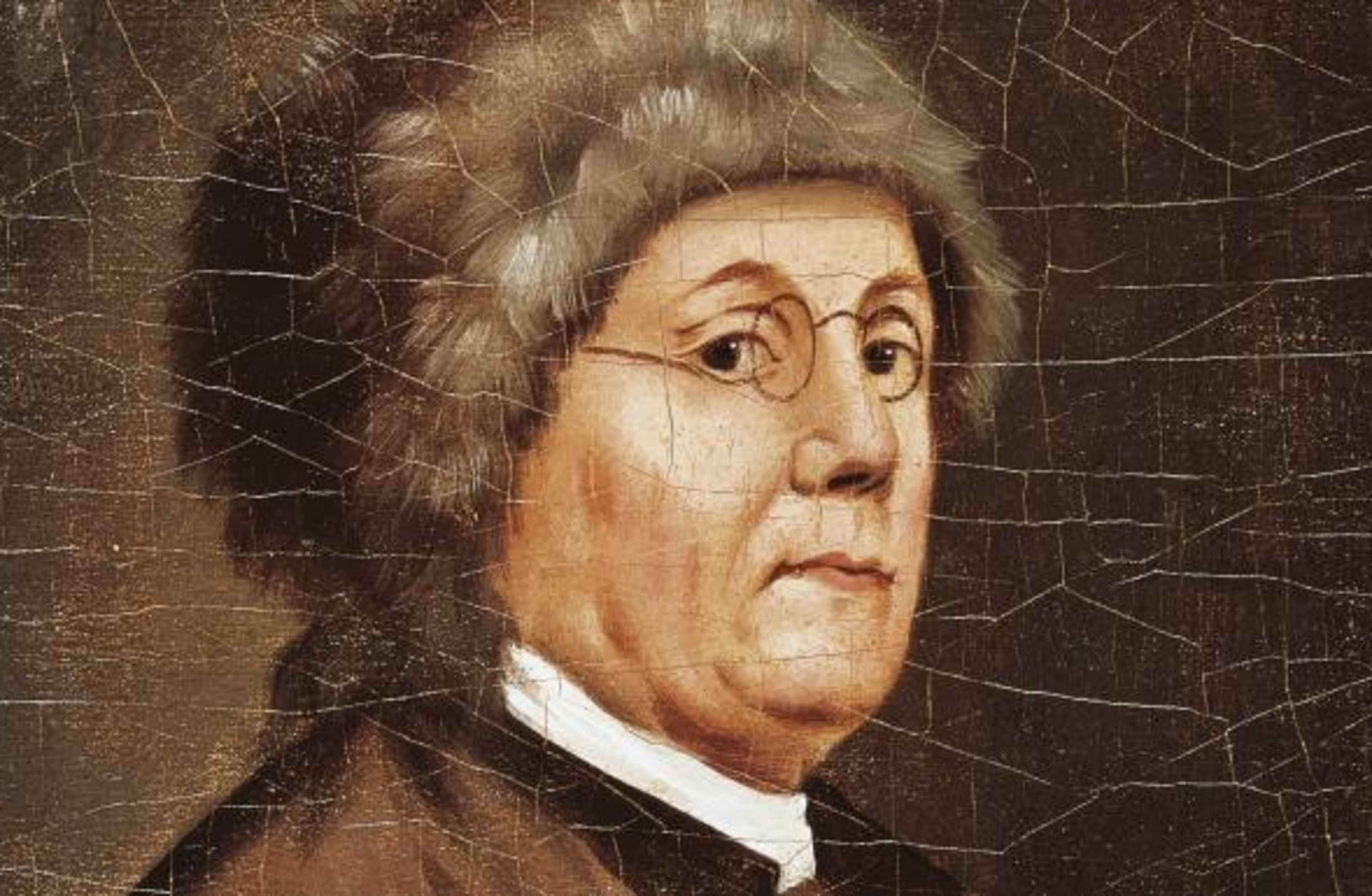
Instead of wearing the elaborate powdered wigs and silk garments common in the aristocratic court of Versailles, Franklin wore simple, unadorned dark suits and a rustic fur cap. This simple accessory became his signature. His face appeared on everything from porcelain snuff boxes and walking sticks to fine paintings and prints. Franklin mastered the art of “soft power” long before the term was coined. He was a master psychologist who knew that in France, doing business gracefully at social salons was far more effective than demanding formal political audiences. By making himself beloved by the French public and elite aristocrats, he forced the French government to pay attention.
The Battle of Saratoga: The Ultimate Turning Point
Despite his massive popularity, Franklin could not secure an official alliance on charm alone. The French needed proof of military viability. In late 1776 and early 1777, the news from America was consistently depressing. The Continental Army was retreating, and Washington was losing battles. During this period, Franklin relied on bold bluffing, inflating American troop numbers and confidently dismissing British victories as strategic traps.
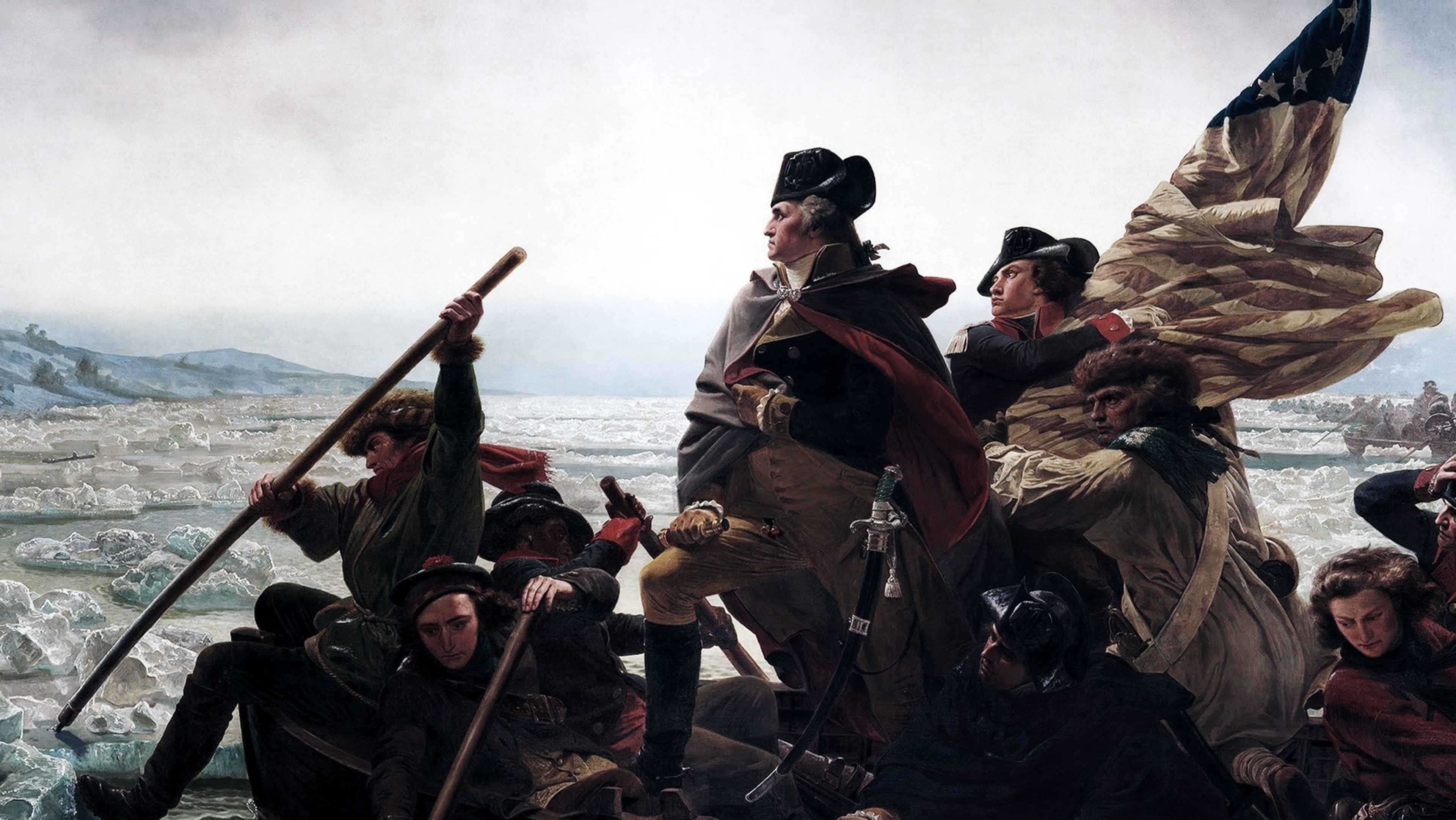
The turning point occurred in October 1777 at the Battle of Saratoga in New York. Under the field leadership of key officers, including Benedict Arnold, American forces surrounded and captured an entire British army under General John Burgoyne. While history would later reveal why Benedict Arnold betrayed America, at Saratoga, his tactical brilliance delivered the exact victory Franklin needed. When the news reached Paris in December 1777, the Count de Vergennes moved swiftly. The victory demonstrated that the Americans could win, making the French alliance a calculated, strategic opportunity rather than a reckless gamble.
The Clashing Founders: Benjamin Franklin versus John Adams
The success of the French mission was almost derailed by internal American friction. In 1778, John Adams arrived in Paris to assist with negotiations. Adams was a brilliant constitutional theorist and a man of unyielding integrity, but his temperament was entirely unsuited for European diplomacy. He was blunt, demanding, and deeply suspicious of French motives. He viewed Franklin’s relaxed, salon-centric lifestyle as lazy and bordering on treasonous.
Adams failed to understand that in French high society, work was disguised as socialization, and socialization was the primary vehicle for policy. While Adams approached French ministers with rigid ultimatums, Franklin used patience, flattery, and mutual respect. Adams wrote letters to Congress criticizing Franklin’s morals and work ethic, yet Franklin continued to secure millions of livres in crucial loans. Ultimately, the two men had to set aside their intense mutual dislike to successfully negotiate the Treaty of Paris alongside John Jay in 1783.
The Long-Term Impact: How French Aid Shaped Two Nations
It is historically accurate to state that the United States would not exist today without French intervention. There were 5 ways the French helped win the American Revolution, ranging from naval protection and professional troops to massive financial backing and strategic diversions in global waters. At the climactic Siege of Yorktown in 1781, there were actually more French soldiers and sailors engaged in the battle than American troops. French Navy Admiral de Grasse blockaded the Chesapeake Bay, preventing British escape or reinforcement, which forced Lord Cornwallis to surrender.
However, this victory came at a devastating cost for France. The massive loans and military expenditures incurred to support the American Revolution nearly bankrupted the French treasury. This economic collapse, combined with the spread of republican ideals championed by the successful American experiment, directly paved the way for the French Revolution in 1789, which ultimately claimed the lives of King Louis XVI and Queen Marie Antoinette. Franklin had adroitly bled the French treasury dry to fund American freedom, forever changing the geopolitical trajectory of both Europe and North America.
Lesser-Known Historical Anecdotes
The story of Franklin’s years in Paris is filled with fascinating, lesser-known details that highlight the complexity of 18th-century espionage and high-society life:
- The House of Spies: Franklin’s estate in Passy was crawling with British spies. In fact, Franklin’s own private secretary, Edward Bancroft, was a double agent on the British payroll. When friends warned Franklin that he was surrounded by espionage, he characteristically dismissed the concerns, arguing that he had nothing to hide and that transparency would actually disarm his enemies.
- The 38-Page Shopping List: Franklin was once handed an incredibly detailed, thirty-eight-page order from the Continental Congress. It requested everything from major warships and thousands of infantry rifles to small household items like spoons, thimbles, and trumpets. Franklin successfully negotiated for almost all of it, showcasing his meticulous attention to detail beneath his relaxed exterior.
- The Cult of Franklin: Franklin’s popularity was so immense that women in Paris began styling their hair in a high, coiffed look called “coiffure à la Franklin” to mimic his famous fur cap. The King of France, Louis XVI, reportedly became so jealous of Franklin’s ubiquitous image that he gifted a porcelain chamber pot with Franklin’s face painted inside it to one of his court ladies.
Why It Still Matters Today
Benjamin Franklin’s mission to Paris is a foundational text in the history of American foreign policy. It serves as the ultimate demonstration of “soft power”—the ability to co-opt rather than coerce, using cultural appeal, reputation, and intellectual prestige to shape the preferences of others. In today’s interconnected global landscape, where international alliances and public diplomacy are critical to national security, Franklin’s strategy remains highly relevant. He proved that a nation’s security is built not only on the strength of its military but on the depth of its friendships and the sophistication of its diplomatic corps.
People Also Ask
Why did France help the United States in the Revolutionary War?
France supported the American colonists primarily to weaken its global rival, Great Britain, and seek revenge for its losses in the Seven Years’ War. Securing a lucrative trading partner in the independent United States was also a key economic motivator.
How long did Benjamin Franklin live in Paris?
Benjamin Franklin lived in Paris for nearly nine years, from late 1776 until his return to Philadelphia in the summer of 1785.
Did Benjamin Franklin and John Adams get along in France?
No, they had a notoriously difficult relationship. Adams found Franklin’s laissez-faire style and immense celebrity irritating, while Franklin viewed Adams as overly rigid, impatient, and diplomatic poison in the delicate French court.
Conclusion
Benjamin Franklin went to France as an aging scientist and returned as the undisputed grandfather of American diplomacy. His strategic patience, self-crafted rustic persona, and understanding of the French psyche allowed him to achieve what no other diplomat of the era could: the complete financial and military backing of an absolute monarchy for a republican revolution. While the Continental Congress ultimately failed to fully appreciate or reward his monumental efforts, the legacy of Franklin’s French mission survives in every aspect of modern American sovereignty. He remains the standard by which all subsequent American diplomats are measured.


