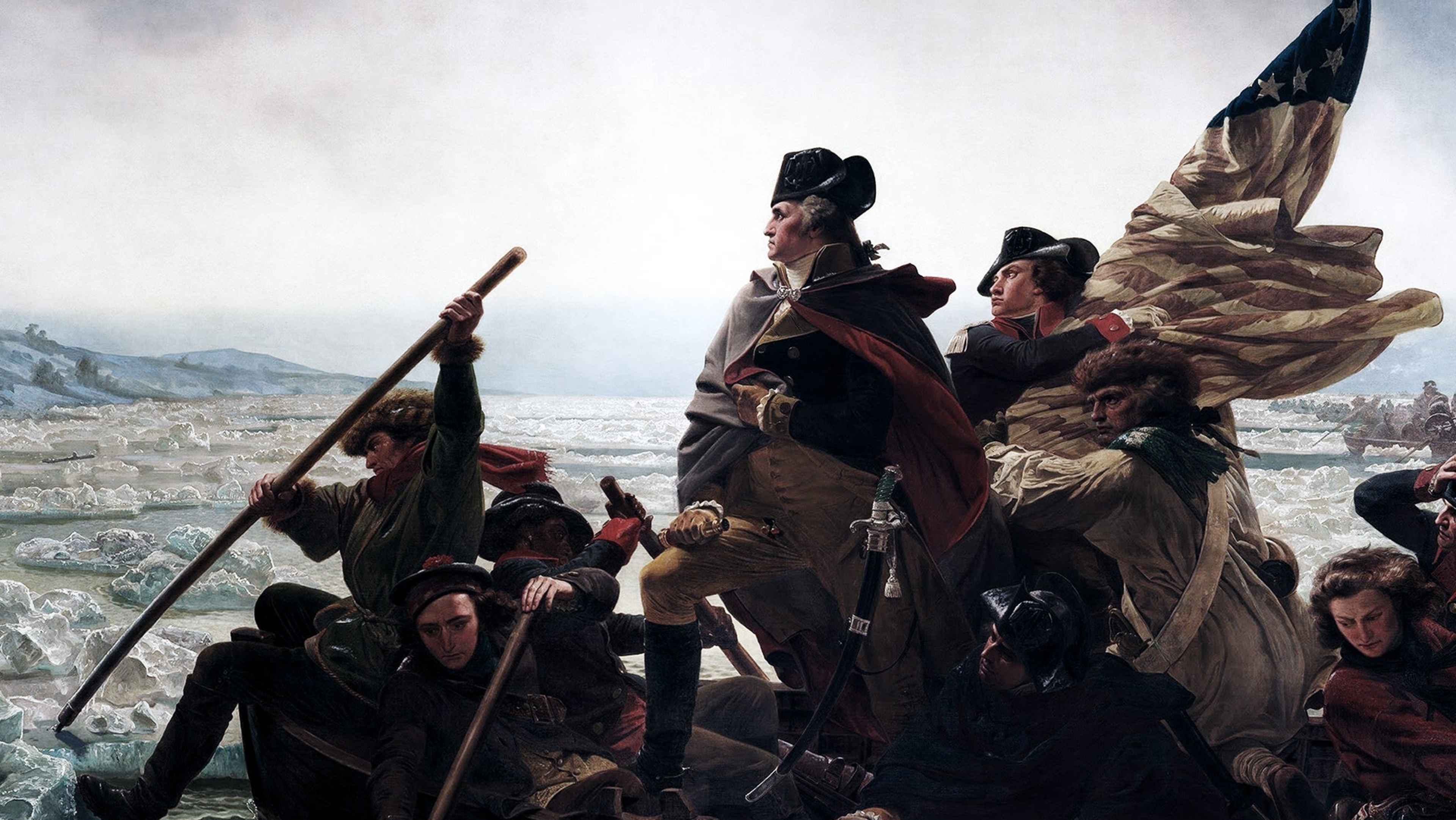
The American Revolution is often remembered as a localized struggle fought by rugged, home-grown colonists against the mighty British Empire. However, the fight for American independence was, in reality, a deeply international affair. In its early stages, the Continental Army was disorganized, undisciplined, and desperately lacking in tactical training, leaving George Washington’s forces on the brink of collapse. The tide began to turn not only because of colonial resilience but also due to the critical contributions of brilliant foreign-born heroes of the American Revolution who crossed oceans to lend their expertise to the cause of liberty. These exceptional figures transformed a ragtag rebellion into a professional fighting force, bridging the gap between raw passion and tactical execution. Understanding their motives, sacrifices, and military brilliance is essential to grasping how the United States successfully won its independence from a global superpower.
\n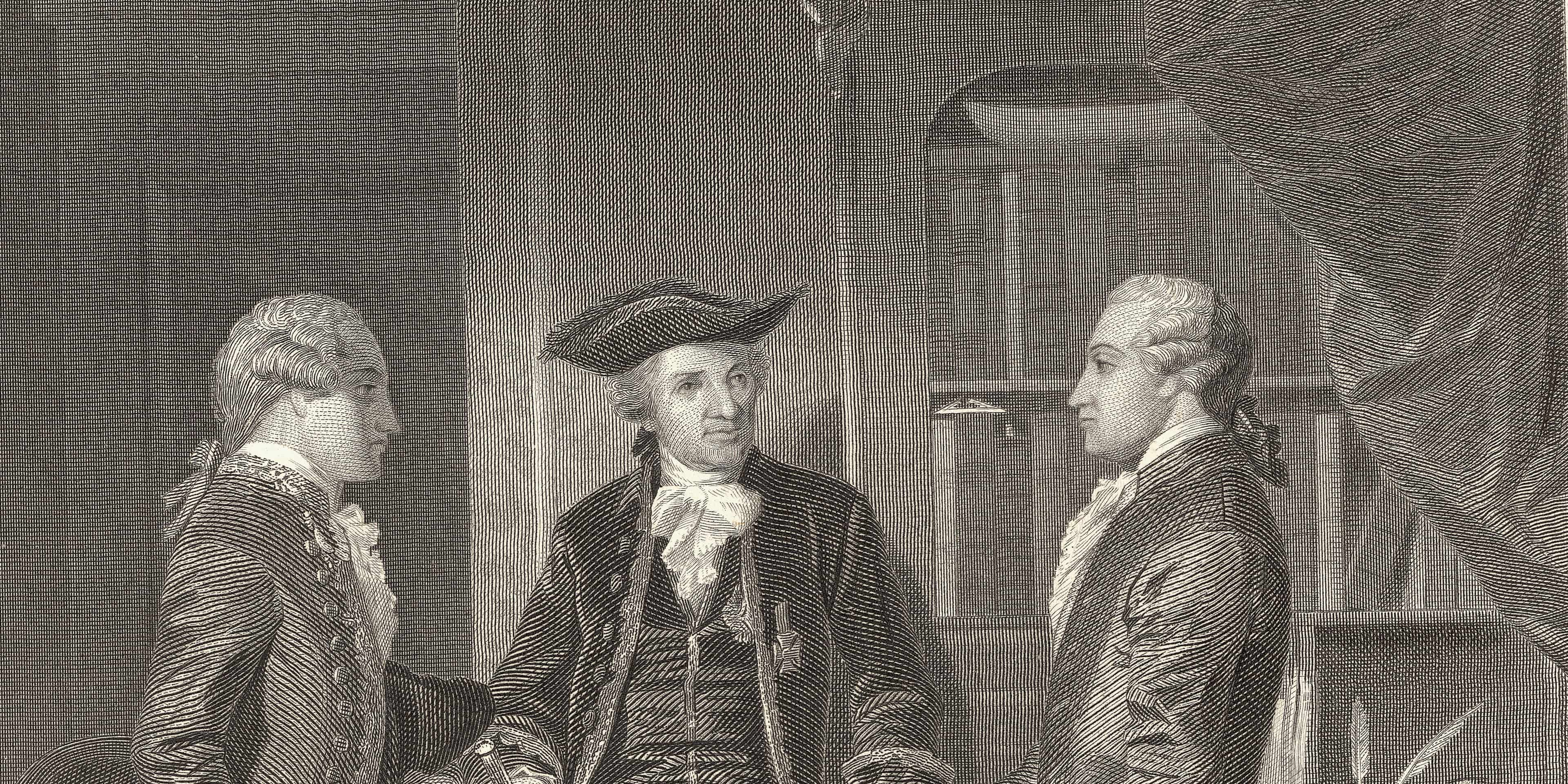
The Global Context of the American Revolutionary War
\nTo understand why foreign-born soldiers were so vital, one must examine the socio-political landscape of Europe and North America in the late 18th century. The American colonies declared independence in 1776, but they possessed no standing army, no navy, and very few resources compared to the seasoned British military. European powers, particularly France and Spain, watched the conflict closely. Still stinging from their losses in the Seven Years’ War, these nations saw the American rebellion as a golden opportunity to weaken British global dominance. This geopolitical rivalry opened the floodgates for foreign volunteers, some driven by a genuine philosophical commitment to liberty, and others by a thirst for military glory, professional advancement, or revenge against the British Crown.
\nWhy the Continental Army Needed Foreign Aid
\nDuring the early years of the conflict, the American forces were primarily composed of local militias. These men were brave but lacked training in coordinated movements, bayonet charge defense, and artillery fortification. General George Washington frequently lamented the lack of experienced engineers and tactical leaders. Without professional intervention, the rebellion was highly vulnerable to defeat. Foreign experts filled this vacuum, introducing European military doctrines, designing impregnable defenses, and training soldiers to stand firm against British bayonet charges.
\nA Timeline of Foreign Intervention (1776–1781)
\n- \n
- 1776: Tadeusz Kościuszko arrives in Philadelphia and is commissioned as a colonel of engineers, immediately working on river fortifications. \n
- 1777: The Marquis de Lafayette and Baron Johann de Kalb arrive in South Carolina; Casimir Pulaski joins Washington’s staff and saves the army at the Battle of Brandywine. \n
- 1778: Baron von Steuben arrives at Valley Forge, transforming the training regimen. France formally enters the war as an American ally. \n
- 1779: Bernardo de Gálvez, Governor of Spanish Louisiana, launches military campaigns against British outposts along the Mississippi River. \n
- 1781: Gálvez captures Pensacola, Florida, while Lafayette plays a pivotal role in trapping Lord Cornwallis at Yorktown, leading to the British surrender. \n
The Six Legendary Foreign-Born Patriots
\n1. Baron von Steuben: The Architect of Military Discipline
\nWhen the self-styled Prussian aristocrat Friedrich Wilhelm Ludolf Gerhard Augustin, the Baron von Steuben, arrived in America in early 1778, the Continental Army was at its lowest point. He joined George Washington’s winter encampment, where he witnessed the immense suffering of the starving soldiers at Valley Forge. Despite his propensity for self-promotion and exaggerated credentials—he had only been a captain in the Prussian Army, rather than a lieutenant general—Steuben possessed a brilliant military mind trained under Frederick the Great.
\nSteuben immediately went to work. He restructured the layout of the military camp to improve sanitation, separating living quarters from latrines and kitchens to prevent disease. More importantly, he introduced a rigorous, standardized drill system. Steuben personally trained a “model company” of 100 men, who then went on to train other units. He taught them how to load and fire muskets efficiently and how to execute devastating bayonet charges. In May 1778, Steuben was appointed Inspector General. His work culminated in the publication of the “Blue Book” (officially titled “Regulations for the Order and Discipline of the Troops of the United States”), which remained the official military manual of the United States Army until the War of 1812.
\n2. Casimir Pulaski: The Father of the American Cavalry
\nA dashing Polish nobleman, Casimir Pulaski had spent years fighting for Poland’s independence against Russian domination before being exiled. While in Paris, he was recruited by Benjamin Franklin, who recognized his exceptional equestrian and military talents. Pulaski arrived in America in 1777 and quickly made his mark at the Battle of Brandywine. Seeing that the British were about to flank and destroy Washington’s retreating forces, Pulaski gathered a small detachment of horsemen and led a daring charge that delayed the enemy and saved the American army from annihilation.
\nImpressed by his bravery, Congress commissioned Pulaski as a brigadier general of the cavalry. He formed the “Pulaski Cavalry Legion,” an elite, independent unit of horsemen. Pulaski was instrumental in adapting European cavalry tactics to the rugged American terrain. In 1779, his legion was sent south to combat the British threat. Pulaski played a vital role in defending Charleston before being mortally wounded by grapeshot during the Siege of Savannah in October 1779. His ultimate sacrifice earned him the enduring title of the “Father of the American Cavalry,” and he remains one of only eight people to receive honorary U.S. citizenship. His contributions highlighted how the South helped win the American Revolution through intense, costly battlefields.
\n3. Marquis de Lafayette: The Hero of Two Worlds
\nPerhaps the most famous foreign volunteer of the war, the Marquis de Lafayette was a wealthy, 19-year-old French aristocrat who defied his king’s orders to join the American struggle. Driven by romantic ideals of liberty, Lafayette purchased his own ship and sailed to America in 1777. He volunteered to serve without pay, immediately winning the respect of George Washington, who quickly developed a fatherly affection for the young Frenchman.
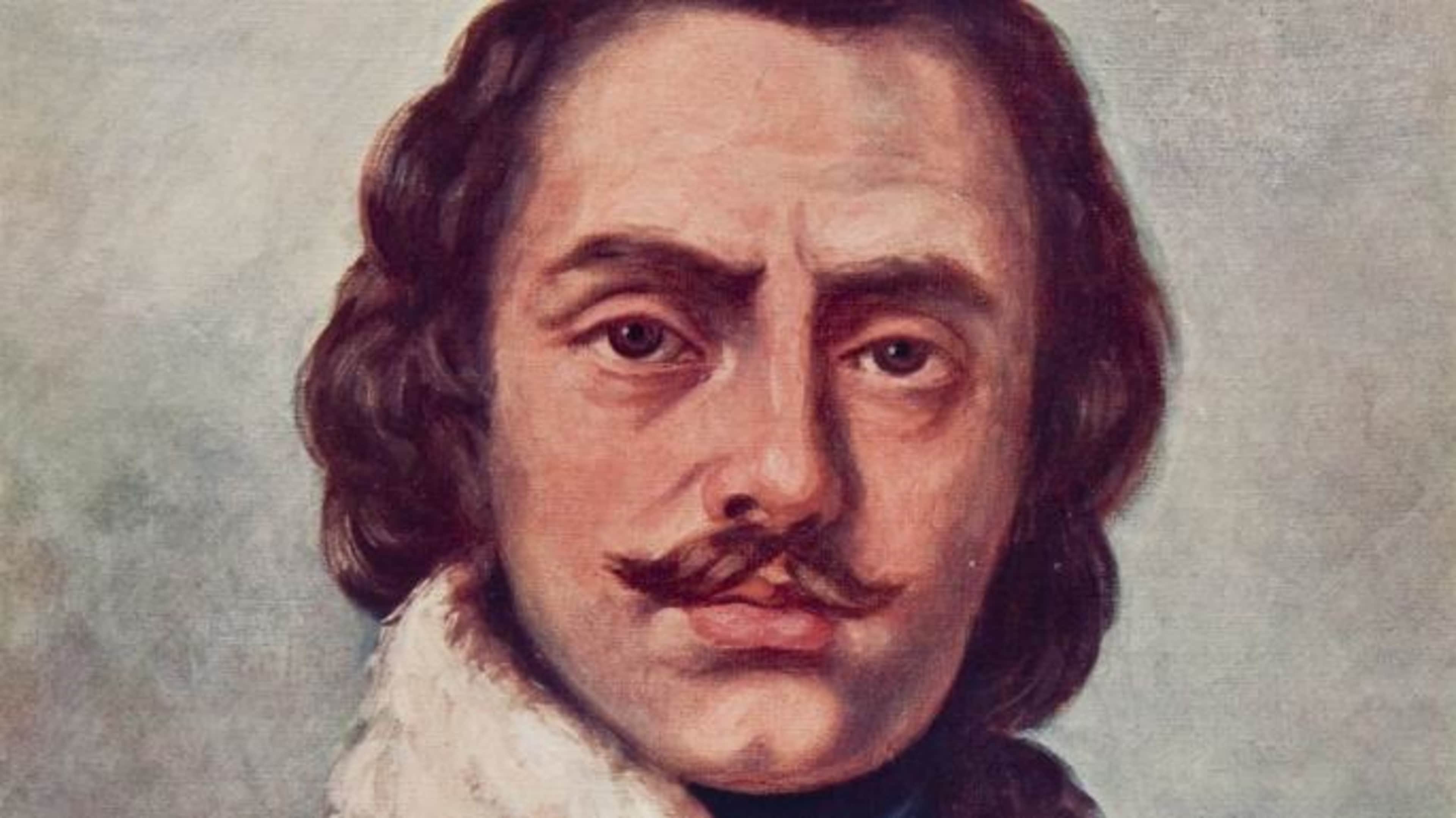
Lafayette was wounded at the Battle of Brandywine but refused to leave the field, demonstrating immense courage. In 1778, he returned to France to lobby King Louis XVI for more direct military and financial assistance, which proved to be one of the most critical ways the French helped win the American Revolution. Upon returning to America, Lafayette took command of forces in Virginia. His masterful tactical maneuvering delayed and harassed the British forces under Lord Cornwallis, eventually trapping them on the Yorktown peninsula in 1781. This set the stage for the decisive joint Franco-American siege that secured American victory. Lafayette’s legacy as the “Hero of Two Worlds” is commemorated across dozens of American towns, counties, and parks named in his honor.
\n4. Tadeusz Kościuszko: The Master of Fortifications
\nTadeusz Kościuszko was a brilliant Polish military engineer who arrived in America in 1776, driven by a deep philosophical belief in human rights and the revolutionary cause. His engineering skills proved to be some of the most critical assets of the Continental Army. After the fall of Fort Ticonderoga in 1777, Kościuszko engineered a series of obstacles, damming rivers and destroying bridges, which successfully slowed the British advance and allowed the Americans time to regroup.
\nKościuszko’s crowning tactical achievement came at the Battle of Saratoga, where he designed the defensive fortifications on Bemis Heights. These strategic positions forced the British army into a bottleneck, leading directly to their historic surrender—a major turning point that convinced France to enter the war. He later spent two years designing the formidable defenses at West Point, turning it into an impregnable fortress that Benedict Arnold would later attempt to betray. Kościuszko’s brilliant engineering saved thousands of American lives and cemented his status as a legendary defender of liberty.
\n5. Bernardo de Gálvez: The Spanish Ally on the Gulf Coast
\nWhile many foreign heroes served directly in the Continental Army, Bernardo de Gálvez aided the American cause from his position as the Spanish Governor of Louisiana. Before Spain officially declared war on Great Britain in 1779, Gálvez was already secretly funneling tons of gunpowder, medicine, clothing, and military supplies up the Mississippi River to aid the struggling American rebels. He also allowed American privateers to use the port of New Orleans to sell captured British goods.
\nWhen Spain formally entered the war, Gálvez mobilized a diverse army consisting of Spanish regulars, French Creoles, free Black soldiers, Native Americans, and American volunteers. He launched a spectacular offensive along the Gulf Coast, capturing British forts at Baton Rouge, Natchez, and Mobile. In 1781, despite facing devastating hurricanes and severe supply shortages, Gálvez led a successful siege against the heavily fortified British stronghold of Pensacola, Florida. By capturing West Florida, Gálvez successfully blocked the British from using the Gulf of Mexico to attack the American colonies from the south, forcing the British military to divert vital troops and resources away from the primary Eastern theater.
\n6. Baron Johann de Kalb: The Martyr of Camden
\nBorn to a Bavarian peasant family, Johann de Kalb rose through the ranks of the French Army to become an expert tactician. He sailed to America in 1777 alongside the Marquis de Lafayette. Initially overlooked for a commission by the Continental Congress, de Kalb was eventually appointed as a major general. He served with honor throughout the grueling winter at Valley Forge, earning the respect of Washington and his fellow officers.
\nDe Kalb’s finest—and final—hour came in August 1780 at the Battle of Camden in South Carolina. When the American commander, General Horatio Gates, fled the battlefield in panic as British forces advanced, de Kalb refused to retreat. He and his division of Maryland and Delaware continentals stood firm, holding their ground against overwhelming British forces under Lord Cornwallis. De Kalb personally led a fierce counterattack, fighting hand-to-hand until he was shot three times, slashed with sabers, and bayoneted. Taken prisoner, he died three days later. His bravery earned the profound respect of even his British captors, and his final words reportedly expressed pride in dying for the rights of mankind.
The Structural and Long-Term Impact on America
\nThe contributions of these foreign-born heroes extended far beyond individual battle victories. They left a lasting institutional legacy that shaped the newly formed United States:
\n- \n
- Professionalization of the U.S. Military: Baron von Steuben’s training methods laid the foundation for West Point and modern military drills. The discipline he introduced transformed the American army from a disorganized militia into a professional force capable of standing against any European superpower. \n
- The Establishment of International Alliances: The diplomatic efforts of figures like Lafayette and the successful tactical campaigns of Gálvez and Kościuszko established the United States as a credible nation on the global stage, fostering alliances that persisted long after the Treaty of Paris in 1783. \n
- Diverse Heritage: The heroic actions of Polish, French, German, and Spanish volunteers demonstrated that the American ideal of freedom was a universal concept that transcended borders, enriching the early cultural fabric of the nation. \n
Lesser-Known Historical Facts and Anecdotes
\nThe lives of these foreign patriots are filled with fascinating details that highlight their colorful personalities and dedication:
\n- \n
- Steuben’s Multilingual Swearing: Baron von Steuben spoke very little English when he arrived. During drills, when soldiers made mistakes, he would famously yell in German and French, and eventually command his translator to “swear at them in English” on his behalf. \n
- Lafayette’s Devotion: The Marquis de Lafayette named his only son George Washington Lafayette. When he died in France in 1834, he was buried under soil imported from Bunker Hill, ensuring he would rest in American earth. \n
- Gálvez’s Coat of Arms: King Charles III of Spain allowed Bernardo de Gálvez to add the words “Yo Solo” (“I alone”) to his coat of arms to commemorate his brave decision to sail his flagship alone into the dangerous Pensacola Bay when other Spanish captains hesitated.
Why Their Legacy Matters Today
\nThe story of the foreign-born heroes of the American Revolution is a powerful reminder that the United States was founded on global cooperation and the shared ideals of liberty and human rights. At a time when modern geopolitical alliances and immigrant contributions are frequent subjects of national debate, these historical figures serve as proof that diverse perspectives and international alliances have been foundational to American success since day one. Their sacrifices show that the pursuit of freedom is a global endeavor, uniting people of different languages, cultures, and nationalities under a common cause.
\nPeople Also Ask (FAQ)
\nWho was the most influential foreign-born hero in the American Revolution?
\nWhile Lafayette is the most famous, Baron von Steuben is arguably the most influential in terms of structural impact, as his drill manual and camp sanitation guidelines professionalized the Continental Army, creating an institutional framework that survived for decades.
\nHow did foreign officers communicate with American troops?
\nMost foreign officers spoke French, which was the international language of diplomacy and military science at the time. Officers who did not speak English, like Steuben and Pulaski, relied heavily on multilingual aides-de-camp and translators to convey their commands to the American soldiers.
\nWhy did Poland contribute so many heroes to the American Revolution?
\nDuring the late 18th century, Poland was facing partition and the loss of its sovereignty to neighboring empires. Polish patriots like Kościuszko and Pulaski, having fought unsuccessfully for their own nation’s freedom, saw the American struggle as a continuation of their global fight against tyranny and foreign oppression.
\nConclusion: A Global Triumph of Liberty
\nThe American Revolution was never a solitary endeavor. Without the administrative genius of Baron von Steuben, the cavalry charge of Casimir Pulaski, the passion of the Marquis de Lafayette, the engineering brilliance of Tadeusz Kościuszko, the coastal protection of Bernardo de Gálvez, and the ultimate sacrifice of Baron de Kalb, the American experiment may have ended before it truly began. These foreign-born heroes proved that the desire for liberty knows no borders, leaving an indelible mark on the birth of a nation and establishing a legacy of international friendship that continues to shape American history today.


