Nestled on the strategic shores of Lake Champlain in northeastern New York, Fort Ticonderoga stands as a silent sentinel of America’s turbulent colonial and revolutionary past. Known originally to the native Iroquois as the place “between two waters,” this formidable stronghold became the crucible where empires clashed and the spark of American independence was fiercely fanned. The history of Fort Ticonderoga is not merely a tale of stone walls and iron cannons; it is the saga of a vital geopolitical gateway that controlled the aquatic highway between Canada and the Hudson River Valley. By examining its evolution from the French outpost of Fort Carillon to the site of the first American victory in the Revolutionary War, we uncover a narrative rich with ambition, tactical genius, and sheer revolutionary grit. Understanding this historic fortress is essential to grasping how a ragtag militia of colonial farmers managed to challenge the mightiest empire on earth.
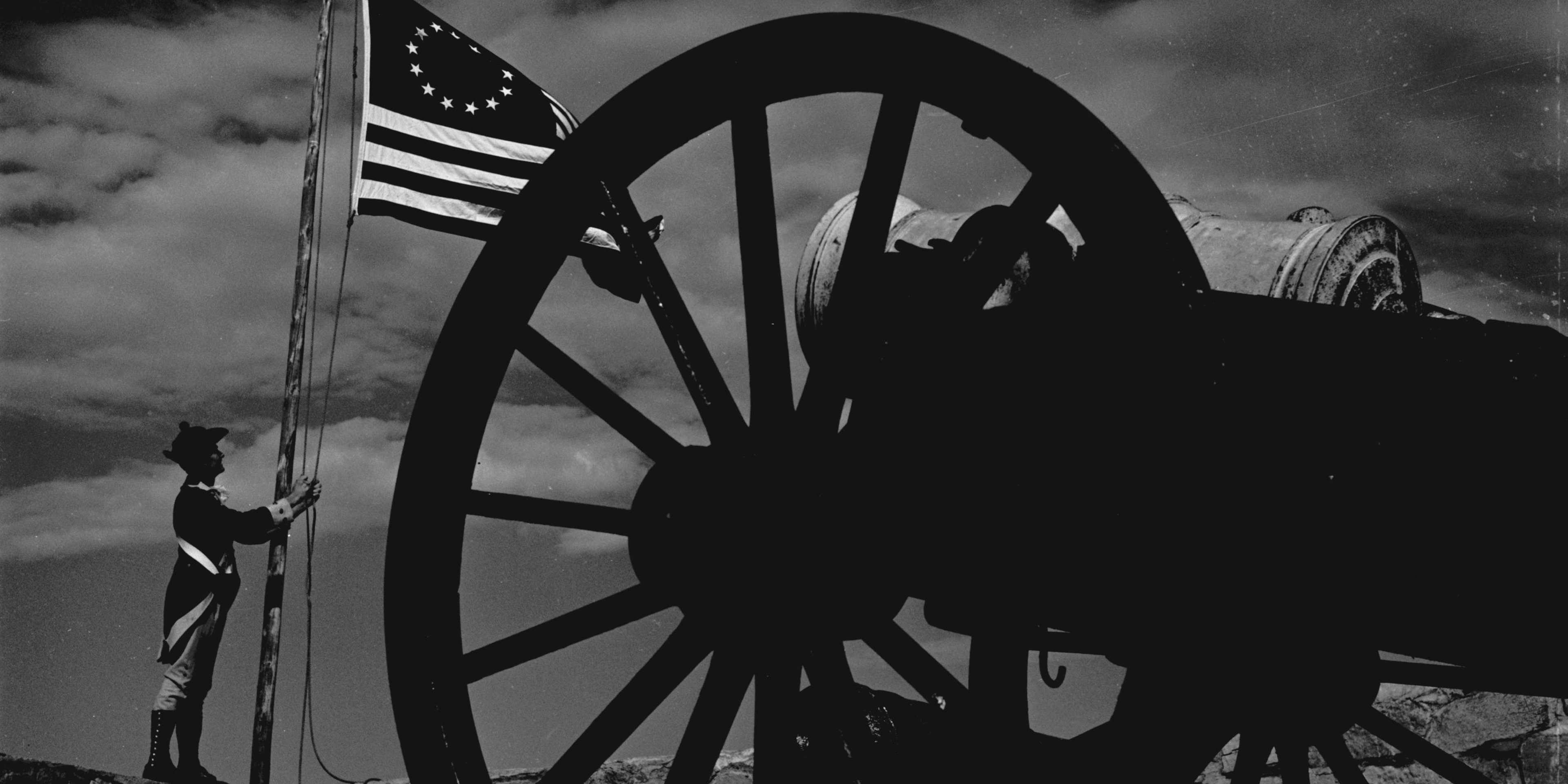
Historical Background and Geopolitical Conflict
During the mid-18th century, North America was a grand chessboard where the French and British Empires competed relentlessly for territorial supremacy. In 1755, recognizing the paramount military value of the portage between Lake Champlain and Lake George, French forces began constructing a star-shaped stone fortress named Fort Carillon. The location was chosen with meticulous precision. It offered a commanding view of the water highways, ensuring that whoever held the fort held the keys to the northern theater of war. This region was of vital strategic importance to the 13 colonies, as it represented a potential invasion route for French forces descending from Canada. The construction of Fort Carillon escalated regional tensions, transforming the pristine wilderness of New York into a bloody theater of the French and Indian War.
A Chronological Timeline of Power and Siege
To fully appreciate the fort’s tumultuous history, we must explore the chronological progression of its ownership:
- 1755: French engineers and soldiers begin construction on Fort Carillon, establishing a strategic military choke point.
- July 1758: British forces under General James Abercromby launch a disastrous attack on the fort. Despite outnumbering the French defenders, the British suffer over 2,000 casualties in one of the bloodiest engagements of the war.
- July 1759: General Jeffrey Amherst leads a massive, methodical British campaign. Recognizing their vulnerability, the retreating French forces detonate the fort’s powder magazine, destroying much of the structure. The British capture and rebuild the fort, renaming it Fort Ticonderoga.
- April 1775: The Battles of Lexington and Concord mark the outbreak of the American Revolutionary War, leaving Fort Ticonderoga poorly garrisoned by just a small contingent of British soldiers.
- May 10, 1775: A daring dawn raid by Ethan Allen, Benedict Arnold, and the Green Mountain Boys results in the capture of the fort without a single casualty.
- Winter 1775–1776: Colonel Henry Knox transports the fort’s captured heavy artillery across winter terrain to Boston, forcing the British evacuation of the city.
- October 1776: Benedict Arnold commands an ad-hoc American fleet at the Battle of Valcour Island on Lake Champlain, successfully delaying a British southern invasion.
- July 1777: British General John Burgoyne outmaneuvers American forces by placing artillery on Mount Defiance, forcing Major General Arthur St. Clair to evacuate the fort.
- November 1777: Following the British defeat at the Battle of Saratoga, the Redcoats permanently abandon Fort Ticonderoga, rendering it a historical relic of the war.
Key Figures of the Ticonderoga Campaigns
The drama of Fort Ticonderoga was brought to life by a cast of extraordinary and highly complex historical figures whose actions echoed far beyond the fort’s stone ramparts:
- Ethan Allen: A charismatic, rough-and-tumble leader of the Green Mountain Boys—a Vermont militia originally formed to defend local land rights. Allen’s fiery personality and bold leadership were instrumental in the May 1775 capture. When demanding the fort’s surrender, he famously claimed to act “in the name of the Great Jehovah and the Continental Congress.”
- Benedict Arnold: Before his name became synonymous with treason, Arnold was one of America’s most brilliant and daring military minds. Commissioned by Massachusetts, he joined forces with Allen. Despite clashing over who held supreme command, Arnold’s tactical expertise was crucial to the bloodless victory and subsequent naval defenses on Lake Champlain.
- General Jeffrey Amherst: The British commander whose strategic patience led to the capture of the fort from the French in 1759, securing the northern border for British North America.
- General John Burgoyne: A sophisticated British general whose strategic insight led to the recapture of the fort in 1777, though his subsequent surrender at Saratoga marked a major turning point in the war.
The Fateful Dawn: The Capture of May 10, 1775
By early 1775, the political landscape of the colonies was fractured. When war erupted in New England, the strategic value of Fort Ticonderoga was immediately recognized by colonial leaders. The fort was lightly defended by a British garrison of around 50 men who were largely unaware of the extent of colonial hostilities. Ethan Allen and his Green Mountain Boys, alongside Benedict Arnold, assembled on the eastern shore of Lake Champlain. In the pre-dawn darkness of May 10, 1775, fewer than a hundred militiamen crossed the lake in small boats. Sneaking through a breach in the fort’s southern wall, they surprised the sleeping British sentries. The commander of the fort, Captain William Delaplace, surrendered the stronghold in his pajamas. This encounter, though brief, provided shocking proof of colonial resolve and yielded a wealth of military assets, proving that there were many fascinating facts about the 13 colonies and their spontaneous military capabilities.
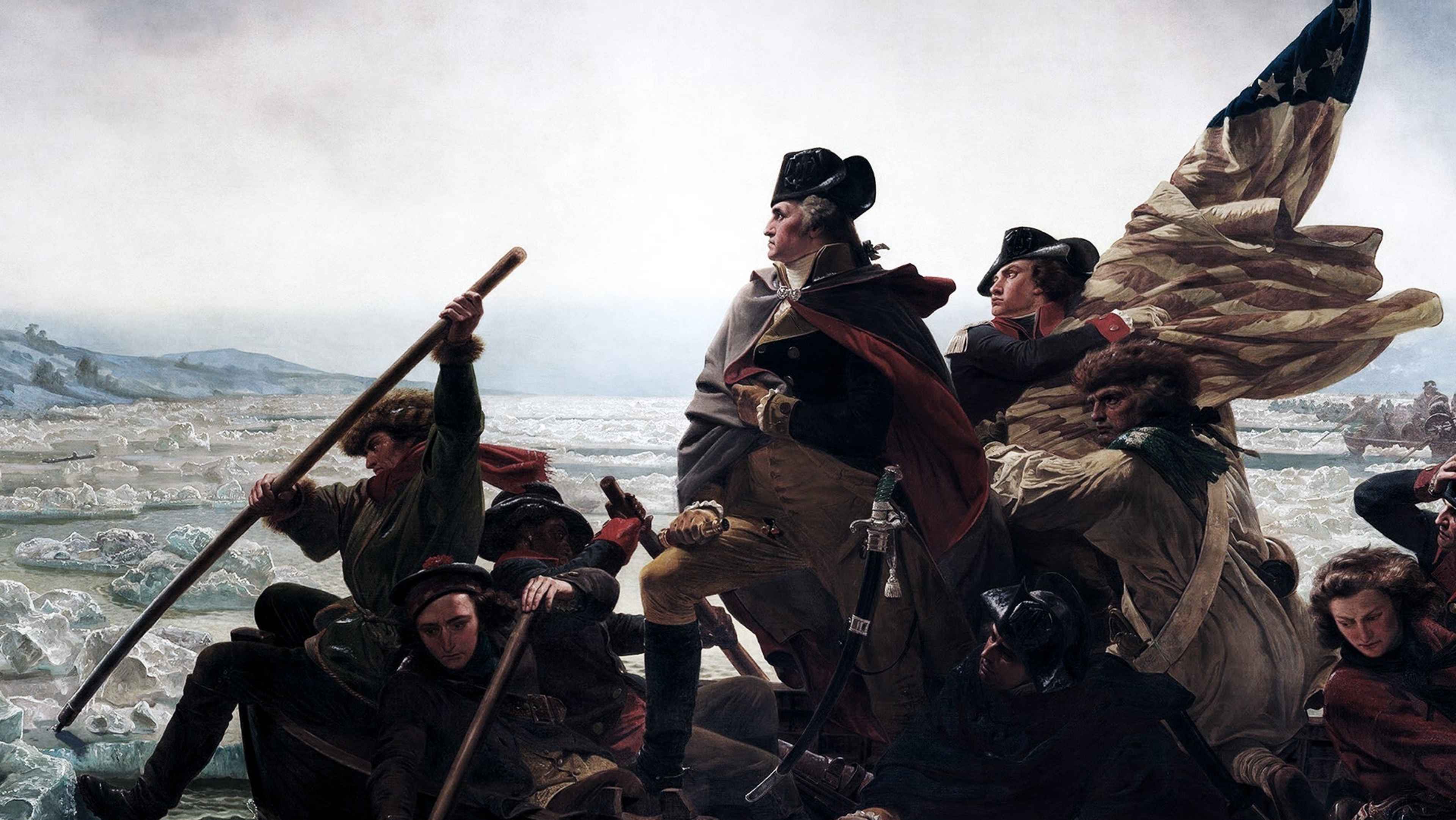
Turning Points: The Noble Train of Artillery
The capture of Fort Ticonderoga was not merely a symbolic victory; it provided the Continental Army with the physical means to fight a superpower. In late 1775, General George Washington faced a grueling stalemate during the Siege of Boston, lacking the heavy weaponry to dislodge the British army. Washington dispatched Henry Knox, a young and resourceful bookstore owner turned artillery colonel, to Ticonderoga. Knox undertook an epic engineering feat known as the “Noble Train of Artillery.” He transported 59 heavy cannons and mortars—weighing a total of 120,000 pounds—across 300 miles of snow, ice, and frozen rivers using sledges pulled by oxen. In March 1776, these cannons were secretly mounted on Dorchester Heights overlooking Boston. Astonished by this sudden tactical development, the British fleet and army evacuated Boston without firing a shot. Without Fort Ticonderoga, this monumental victory would have been impossible.
Long-Term Impact on the American Revolution
The long-term geopolitical and psychological impacts of Fort Ticonderoga on the nascent United States cannot be overstated. As the first offensive military victory for the colonists, it shattered the myth of British invincibility and served as an enormous morale booster. It demonstrated how colonial towns shaped American history and rallied local militias to unite for a common national cause. Strategically, the fort acted as a staging ground for the American invasion of Canada in late 1775. Though that campaign ultimately failed, the delay forced upon the British by American defenses at nearby Valcour Island bought the Continental Army precious time to organize, train, and prepare for the decisive victories of 1777.
Lesser-Known Historical Anecdotes
While many are familiar with Ethan Allen’s bold demands, several fascinating, lesser-known details of the fort’s history deserve recognition:
- The Great Pajama Surrender: When Lieutenant Jocelyn Feltham, the second-in-command of the British garrison, was awakened by the commotion of the Green Mountain Boys, he had to confront Ethan Allen while holding his breeches in his hands, presenting a highly comical and undignified image of British imperial power.
- From Fort to Luxury Hotel: Following the Revolutionary War, the fort fell into ruins. In 1820, a wealthy merchant named William F. Pell purchased the land to prevent further deterioration. He constructed a grand summer estate called “The Pavilion,” which was later converted into an upscale hotel in 1840 to accommodate tourists seeking to connect with early American history.
- The Birthplace of American Heritage Tourism: When Stephen Pell began restoring the fort in 1908, it became one of the very first historic preservation projects in the United States, pioneering the modern concept of living history museums.
Why Fort Ticonderoga Matters Today
Today, Fort Ticonderoga stands beautifully restored, serving as a vibrant educational facility and tourist destination. It serves as a physical reminder of the complexities of early American identity. The fort reflects the transition from a collection of divided colonies to a unified, self-governing nation. It challenges us to reflect on the cost of freedom, the strategic realities of 18th-century warfare, and the crucial participation of Native American tribes whose ancestral lands were caught in the crossfire of European imperialism.
People Also Ask
Why was Fort Ticonderoga so important in the Revolutionary War?
Fort Ticonderoga was highly strategic because it controlled the waterway connection between Canada and the Hudson River Valley. Additionally, its capture provided the Continental Army with the essential heavy artillery needed to end the British occupation of Boston in 1776.
Who led the capture of Fort Ticonderoga?
The capture was led by Ethan Allen, commander of the Vermont militia known as the Green Mountain Boys, and Benedict Arnold, who was commissioned by the Massachusetts Committee of Safety.
What does the word “Ticonderoga” mean?
The name is derived from an Iroquois word meaning “between two waters” or “where the waters meet,” referring to its location at the junction of Lake Champlain and Lake George.
Conclusion
From its origins as the French outpost Fort Carillon to its pivotal role in the American Revolution, Fort Ticonderoga remains an enduring monument to the determination, ingenuity, and sacrifice of those who shaped early American history. Its story is a vivid tapestry of colonial rivalries, daring dawn raids, and the remarkable transport of artillery that turned the tide of the war. By safeguarding this sacred ground, we ensure that future generations can appreciate the strategic brilliance and human courage that laid the foundations of the United States.


