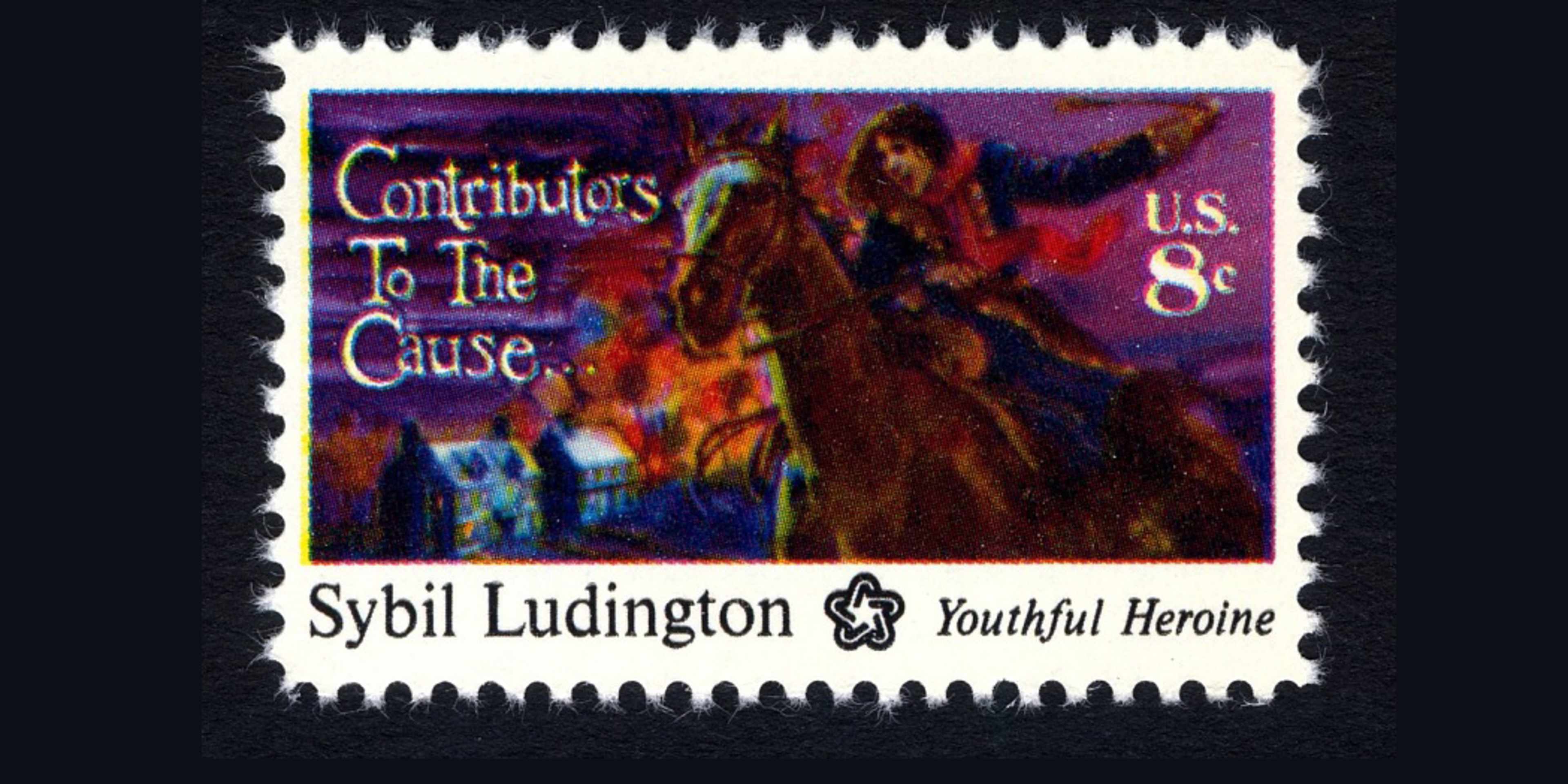
While the name of Paul Revere is etched into the bedrock of American lore, the equally heroic—and far more grueling—midnight ride of a sixteen-year-old girl remains one of the American Revolution’s most compelling untold tales. On the stormy night of April 26, 1777, Sybil Ludington, the young daughter of a militia colonel, mounted her horse Star and rode forty miles through the pitch-black, rain-slicked forests of New York and Connecticut. Her mission was perilous: rouse her father’s regiment to repel a destructive British raid on the Continental supply depot in Danbury. Facing twice the distance of Revere’s famous trek and navigating treacherous territory infested with outlaws and loyalists, Ludington rode completely alone to defend her fledgling nation. Her incredible feat showcases the vital, yet often overlooked, contributions of women in securing American independence. To fully appreciate this remarkable act of patriotism, one must journey back to the tense borders of the original thirteen colonies during the height of the Revolutionary War.
The Storm Gathers: Historical Background and Context
To understand the stakes of Sybil Ludington’s ride, we must look to the spring of 1777. The Revolutionary War was entering a crucial and highly volatile phase. The British military, frustrated by George Washington’s surprising victories at Trenton and Princeton, sought to squeeze the rebellion by targeting vital supply lines. One such crown jewel of Continental infrastructure was the supply depot at Danbury, Connecticut, which housed vast quantities of flour, pork, beef, medicine, and military equipment. Destroying this depot would deal a devastating blow to the Continental forces in the region.
On April 25, 1777, a British force of approximately 2,000 men under the command of Major General William Tryon—the former Royal Governor of New York—landed at Compo Hill near modern-day Westport. The British marched inland, encountering virtually no resistance, and arrived at Danbury the following afternoon. They immediately began systematically destroying the Continental Army’s stockpiles and setting fire to houses belonging to known Patriots. It was a crisis of monumental proportions, demanding an immediate response from local militias scattered across the New York-Connecticut border.
The Timeline of the April 1777 Crisis
The events unfolded with breathtaking speed over a period of less than forty-eight hours. Here is the chronological breakdown of how the crisis developed and how Sybil Ludington responded:
- April 25, 1777: British troops land on the Connecticut coast and begin their march toward Danbury.
- April 26, 1777 (Midday): General Tryon’s forces enter Danbury, initiating the destructive raid and setting fire to the town.
- April 26, 1777 (9:00 PM): An exhausted and mud-spattered messenger arrives at the farm of Colonel Henry Ludington in Kent, New York, with news of the invasion.
- April 26, 1777 (10:00 PM): Sixteen-year-old Sybil Ludington departs on her horse, Star, to rouse her father’s dispersed regiment.
- April 27, 1777 (4:00 AM): After a forty-mile ride, Sybil returns home to find over four hundred militiamen successfully assembled.
- April 27, 1777 (Morning): The mustered militia marches to join Continental forces, leading to the pivotal Battle of Ridgefield.
Key Historical Figures in the Drama
The narrative of the Danbury Raid and the subsequent Battle of Ridgefield features several notable personalities who shaped the course of the Revolutionary War:
- Sybil Ludington: The brave sixteen-year-old rider who successfully gathered her father’s dispersed militia under extreme weather conditions.
- Colonel Henry Ludington: Sybil’s father, a veteran of the French and Indian War and commander of the 7th Dutchess County Militia. He was a trusted associate of General George Washington.
- Major General William Tryon: The British commander who coordinated the destructive raid on Danbury, executing a tactics-heavy campaign to cripple Patriot supplies.
- Major General David Wooster: A highly respected veteran Continental officer who rushed to intercept Tryon and was mortally wounded during the fighting in Ridgefield.
- General Benedict Arnold: Long before his infamous betrayal, Arnold was a brilliant and daring Patriot commander who led the American tactical response at Ridgefield, narrowly escaping death himself.
The Treacherous Journey: Comparing Revere and Ludington
While Paul Revere’s ride on April 18, 1775, is immortalized in Henry Wadsworth Longfellow’s famous poem, Sybil Ludington’s ride was significantly longer and arguably far more dangerous. Revere rode approximately twelve to thirteen miles on a clear night, utilizing established urban roads, and was accompanied by other riders like William Dawes and Samuel Prescott. Furthermore, Revere was ultimately captured by British officers before he could complete his intended route.
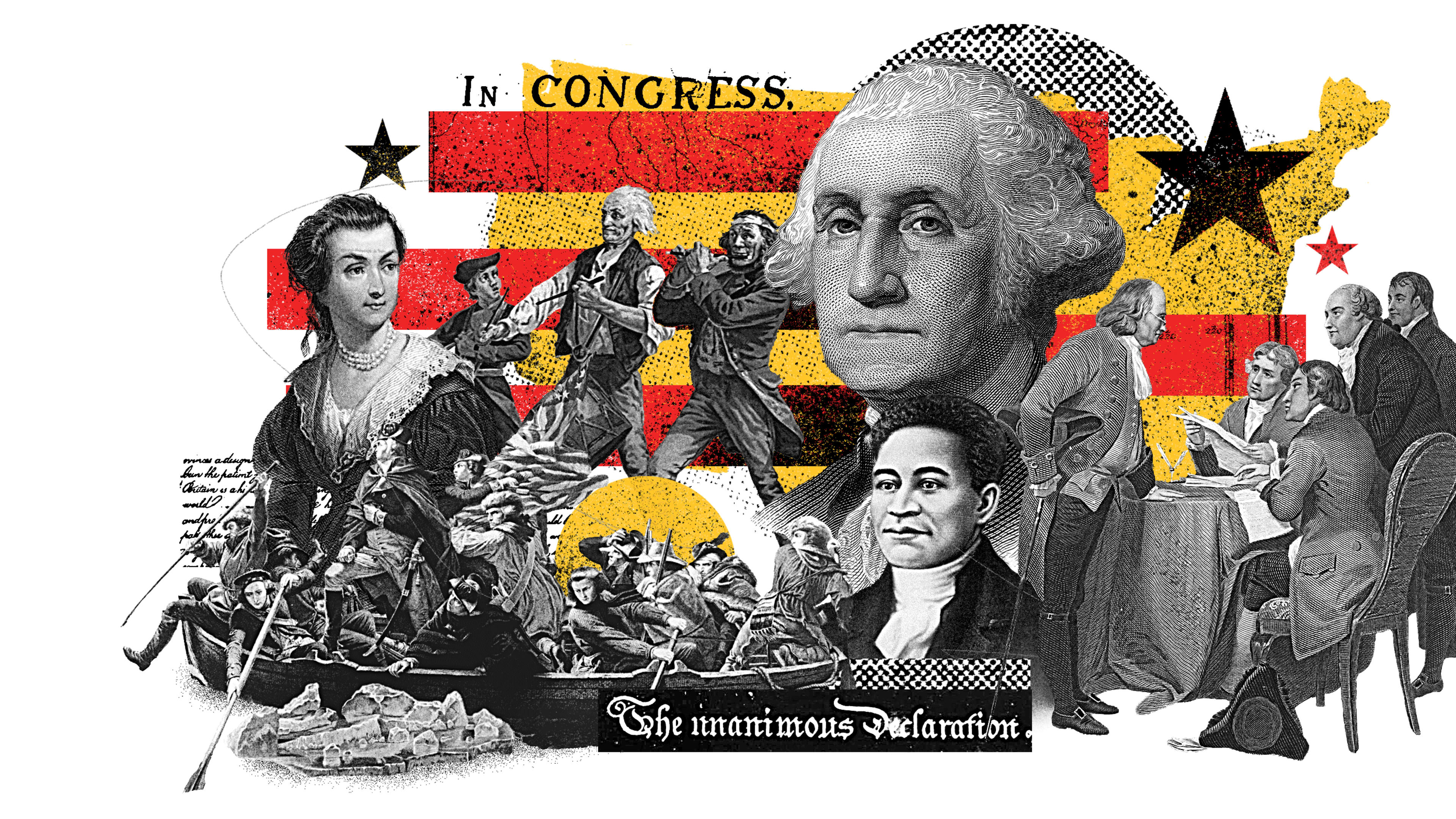
In contrast, Sybil Ludington rode an astonishing forty miles entirely alone in a driving cold rain. She navigated the treacherous, unpaved wilderness of Putnam and Dutchess counties. While towns and cities in early America frequently relied on town criers and early messaging networks to spread news, rural militias required direct riders to summon scattered farmers. Sybil did not have the luxury of paved streets or streetlights. Instead, she had to navigate muddy, washed-out paths and dodge dangerous threats like “Skinners”—vicious outlaws who claimed patriotism but regularly robbed and tortured locals—as well as “Cowboys,” who were loyalist marauders allied with the British.
The Historiographical Debate: Fact or Folklore?
For more than a century, Sybil Ludington’s ride was kept alive primarily through oral family history. The first published mention of her heroic exploit appeared in Martha Lamb’s 1880 book on the history of New York, followed by Willis Fletcher Johnson’s 1907 biography of Colonel Henry Ludington. Because of this long gap between the event and its publication, some modern historians have questioned whether the ride occurred exactly as described.
However, supporters point to critical family documents that predate these publications. In the mid-nineteenth century, Sybil’s nephew wrote a detailed letter to the organizers of a memorial for General David Wooster, explicitly describing her ride. Skeptics argue that the lack of official military records or mention in her 1838 war pension application—which was filed solely to claim her deceased husband’s benefits—casts doubt on the tale. However, as women were not formally recognized as soldiers, they were excluded from the administrative paper trails of the Continental Army. During the rise of women’s studies in the 1960s and 1970s, researchers uncovered numerous letters, diaries, and poems proving that women played indispensable intelligence, combat, and logistical roles throughout the revolution.
Lesser-Known Facts About Sybil Ludington
Beyond her famous ride, Sybil Ludington’s life was filled with intriguing details that paint a picture of a remarkably resilient woman:
- The Defense Stick: According to legend, Sybil did not have a weapon. Instead, she carried a long wooden stick, which she used both to bang on the doors and shutters of Patriot homes and to defend herself against a highwayman who attempted to block her path in the dark.
- Customs of the Era: To make her forty-mile journey, Sybil likely had to overcome traditional gender expectations. Standard customs of the era expected women to ride side-saddle, which would have been incredibly difficult and dangerous in a fast-paced night ride through mud. While we cannot prove she rode astride, doing so would have been a practical necessity, highlighting her adaptability to the harsh realities of everyday life in colonial America.
- An Entrepreneurial Spirit: After the war, Sybil married Edmond Ogden in 1784. Following his death from yellow fever in 1799, she took charge of her family’s finances. She successfully bought and operated her own tavern in Catskill, New York, eventually selling it for three times her original investment to support her son’s legal education.
Why Her Legacy Matters Today
Sybil Ludington’s story is more than just a fascinating piece of Revolutionary War folklore; it represents the millions of unsung heroes whose contributions shaped the birth of the United States. For generations, the standard historical narrative focused almost exclusively on the founding fathers and male military officers. Sybil’s endurance serves as a powerful reminder that the fight for American independence was a community-wide effort that relied heavily on the bravery and quick thinking of women and youth.
Today, her legacy is celebrated with a striking bronze monument sculpted by Anna Hyatt Huntington, which stands proudly on the shores of Lake Gleneida in Carmel, New York. Her story continues to inspire modern discussions about patriotism, civic duty, and the preservation of women’s history.
People Also Ask
Who was known as the female Paul Revere?
Sybil Ludington is widely known as the “female Paul Revere” due to her midnight ride on April 26, 1777, during which she rode forty miles—nearly three times the distance of Paul Revere—to rouse Patriot forces to defend against a British attack on Danbury, Connecticut.
Did Sybil Ludington actually make the ride?
While some modern skeptics point to a lack of contemporary 1777 military records, family letters from the mid-nineteenth century and historical accounts published in the late 1800s support the validity of her ride. The lack of military records is common for women of the era, who did not serve in official military capacities.
What happened to the British after Sybil’s ride?
Thanks to Sybil’s successful warning, over four hundred militiamen gathered at her father’s house by morning. They marched to join other Continental regiments and engaged the British in the Battle of Ridgefield, forcing a hasty British retreat back to their ships.
Conclusion
The story of Sybil Ludington is a testament to the courage and resolve of early Americans. Her forty-mile journey through the rainy wilderness of New York and Connecticut remains one of the most remarkable feats of the Revolutionary War. By celebrating her bravery, we honor the diverse and often unacknowledged individuals who risked everything to lay the foundations of American liberty.


