The American Civil War was a catastrophic conflict that transformed the United States forever, culminating in April 1865 with the surrender of the Confederacy and the legal abolition of slavery. While the nation embarked on the turbulent path of the Reconstruction era, thousands of defeated, defiant, and disillusioned white Southerners found themselves unable or unwilling to accept a restored Union. Fearful of economic ruin, federal reprisals, and radical social shifts, these ex-Confederates cast their eyes southward across the globe. Seeking to preserve their idealized, plantation-driven way of life, they embarked on an extraordinary exodus to the Empire of Brazil. This migration birthed a unique, deeply complex, and historically resilient community of expatriates known as the “Confederados.” Settling in the subtropical wilderness, these families would build a “Dixie in the Tropics” that still leaves its cultural imprint on Brazil today, serving as a poignant, controversial reminder of the global reach of America’s deepest historical scars.
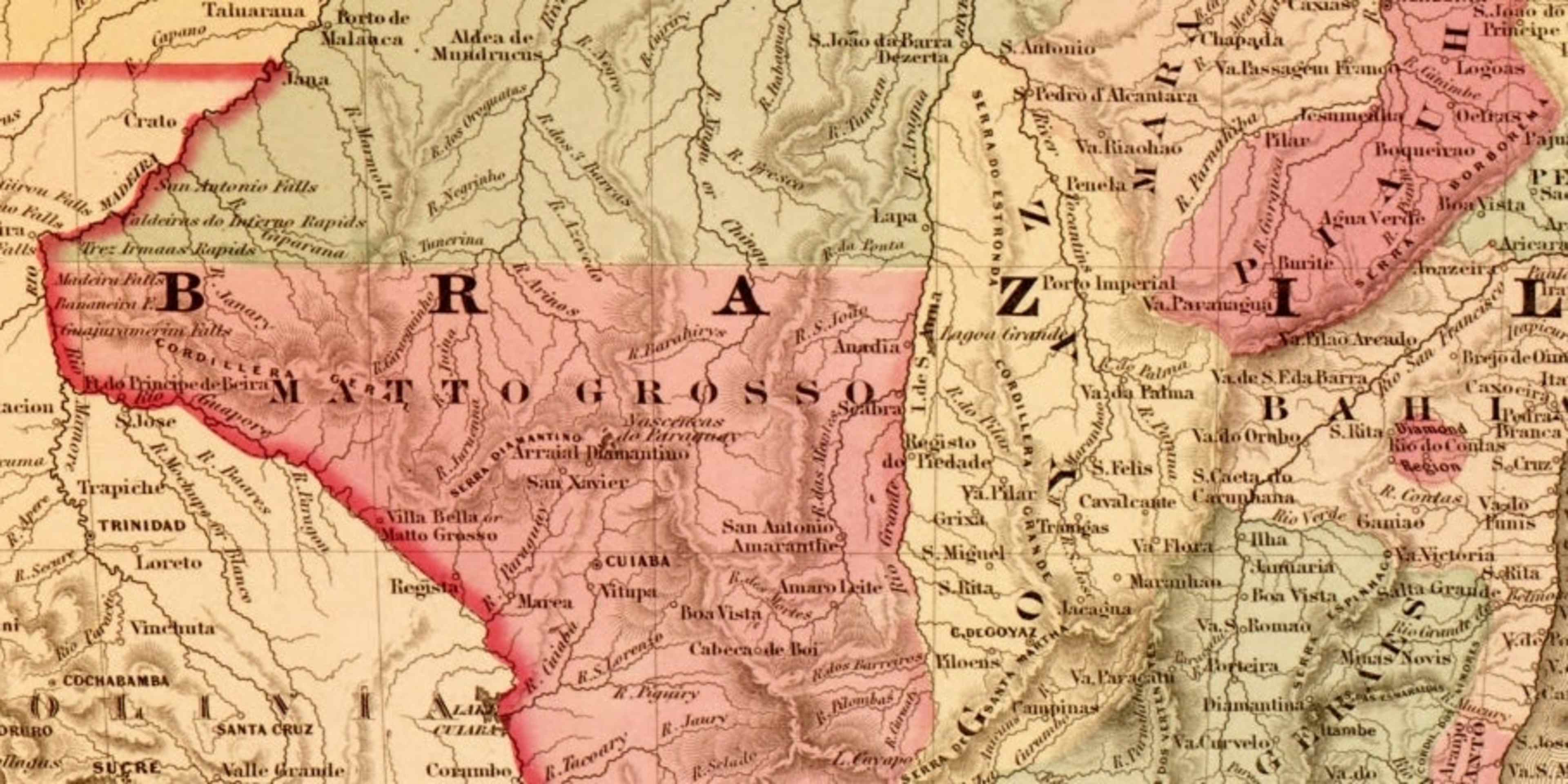
Historical Background: Reconstruction and the Great Flight
The immediate aftermath of the Civil War left the American South in utter ruin. Infrastructure was obliterated, the plantation-based economy had collapsed, and the social hierarchy had been completely upended. Under the federal government’s Reconstruction policy, former Confederate states faced military occupation and political disenfranchisement for their elite. For many staunch Southern loyalists, this environment was intolerable. They viewed the victorious Union forces not as peacekeepers, but as conquerors. Some had links to the deep historical roots of the American South, maintaining a fierce sense of regional independence, while others shared the expansionist, stubborn spirit of early Texian settlers who had previously carved out their own territory through sheer defiance.
In this atmosphere of profound despair, the idea of foreign emigration began to circulate rapidly. While some ex-Confederates fled to Mexico, Venezuela, or Egypt, the Empire of Brazil emerged as the premier destination. This massive South American nation offered a familiar subtropical climate ideal for cash-crop farming. More importantly, Brazil was ruled by Emperor Dom Pedro II, a visionary monarch who saw an opportunity to capitalize on the agricultural expertise of the American South. To entice these veteran farmers, the Brazilian government launched an aggressive recruitment campaign, taking out advertisements in Southern newspapers and offering heavily subsidized steamship fares, cheap land grants, and temporary tax exemptions.
Why Brazil? The Allure of Land and Legally Protected Slavery
Beyond cheap land and financial subsidies, Brazil possessed a darker, highly potent allure for the exiles: the continued legality of human enslavement. When the United States ratified the Thirteenth Amendment in late 1865, it permanently dismantled the institution of slavery. However, the Empire of Brazil remained one of the very few sovereign nations in the Western Hemisphere where slavery was still fully protected by law. For affluent Southern planters who could not conceive of an agricultural system operated without forced labor, Brazil represented a chance to rebuild their lost kingdoms. Although many of the emigrants who eventually sailed to South America were modest, working-class farmers, the promise of a society structured around a highly hierarchical, agrarian, and slave-owning model was undeniably attractive.
Key Events Timeline: The Journey and the Settlements
- April 1865: General Robert E. Lee surrenders the Army of Northern Virginia at Appomattox Court House, marking the effective end of the American Civil War and triggering the onset of Reconstruction.
- Late 1865: Emperor Dom Pedro II of Brazil officially begins recruiting Southern emigrants, offering land at pennies per acre and assisting with transportation costs.
- 1866: The first major waves of ex-Confederates depart from Gulf Coast ports like New Orleans and Galveston. Major settlements are attempted in various regions of Brazil, including Rio de Janeiro, Paraná, and the Amazon basin.
- 1867: Former Alabama State Senator William Hutchinson Norris arrives in São Paulo state with his son, establishing the “Norris Colony” near Santa Bárbara d’Oeste. This would become the most successful and enduring of all the settlements.
- 1875: The expansion of the Companhia Paulista railway leads to the establishment of a station near the Norris plantation. The surrounding settlement is formally named Americana.
- May 13, 1888: Brazil officially abolishes slavery with the signing of the Lei Áurea (Golden Law), forcing the Confederados to adapt to a free-labor agricultural economy.
- 1972: Future U.S. President Jimmy Carter, then serving as the Governor of Georgia, visits the American Cemetery in Santa Bárbara d’Oeste, discovering that many of the elderly residents still speak English with a distinct South Georgia accent.
Prominent Figures of the Expatriate Movement
The story of the Confederados is populated by charismatic, determined, and highly controversial historical actors who shaped the trajectory of this unique migration:
1. Emperor Dom Pedro II
The highly educated and progressive ruler of the Empire of Brazil, Dom Pedro II sought to modernize his vast nation. He recognized that the American South possessed world-class expertise in cotton cultivation, which was desperately needed to boost Brazil’s economy. By offering generous land and financial incentives, he successfully attracted thousands of skilled agriculturalists to his empire.
2. William Hutchinson Norris
A veteran of the Mexican-American War and a prominent former State Senator from Alabama, Norris was a central leader of the emigration movement. Dismayed by the post-war South, Norris sold his assets, traveled to Brazil, and purchased a massive tract of land in São Paulo. His farming success proved to other Southerners that a prosperous life could be carved out of the Brazilian frontier, acting as a powerful catalyst for subsequent waves of migrants.
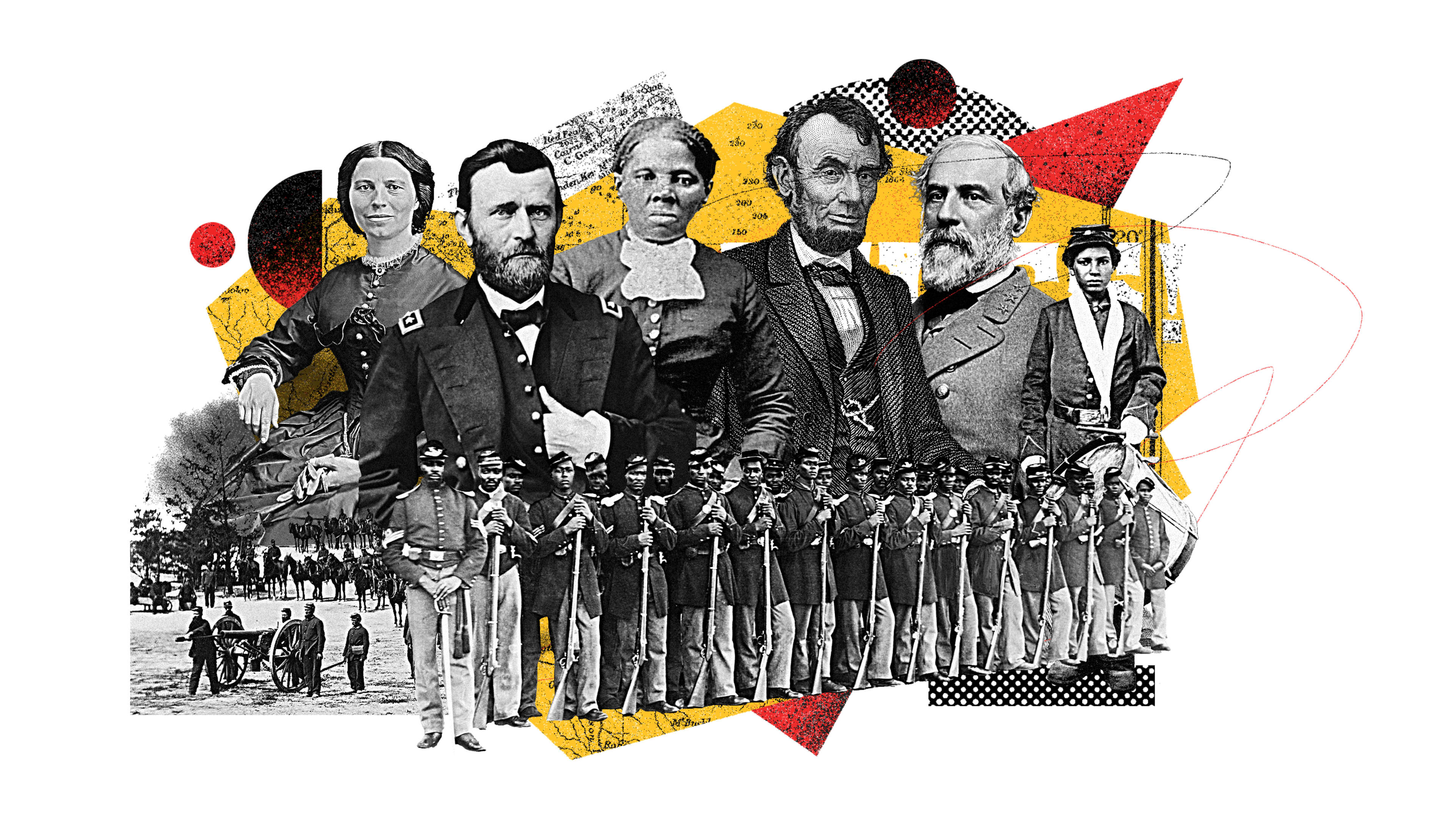
3. General Robert E. Lee and Jefferson Davis
Though they did not travel to Brazil, the top military and political leadership of the defunct Confederacy played a crucial role in the debate surrounding the exodus. Both General Robert E. Lee and former Confederate President Jefferson Davis publicly urged their fellow Southerners not to abandon their homeland. Lee wrote letters advising his former soldiers to stay, swallow their pride, and help rebuild the shattered original Southern states. Despite their immense influence, thousands of defiant individuals ignored their counsel and sailed south anyway.
Life in the “New Texas”: Struggle, Innovation, and Isolation
The transition from the American South to the Brazilian wilderness was far from easy. Of the estimated 10,000 to 20,000 Southerners who made the journey, roughly half eventually gave up and returned to the United States. They were plagued by tropical diseases like yellow fever and malaria, frustrated by primitive living conditions, and stymied by the sheer geographic isolation of the Brazilian interior. Settlements established in the dense jungles of Santarém along the Amazon River quickly collapsed due to hostile conditions and crop failures.
However, those who persevered—primarily in the state of São Paulo—left a transformative mark on Brazilian society. The Confederados introduced highly advanced agricultural techniques that had never been seen in Brazil. They imported the heavy iron plow, replaced manual labor with horse-drawn machinery, and introduced new cash crops. Most famously, they began cultivating the “Georgia Rattlesnake” watermelon, which became a national sensation. By the late 19th century, the farmers of Americana were shipping hundreds of carloads of watermelons daily to urban centers like São Paulo and Rio de Janeiro, permanently altering the country’s fruit market.
To preserve their cultural identity, the Confederados deliberately insulated themselves from local Brazilian society for several generations. They built Protestant churches, established English-language schools, and strictly married within their own community. Because the Catholic Church dominated Brazil and forbade the burial of non-Catholics in consecrated ground, the settlers established the Cemitério do Campo (American Cemetery) in Santa Bárbara d’Oeste. This peaceful, shaded graveyard became the first non-Catholic, non-indigenous cemetery in Brazil and served as the spiritual and cultural anchor of the immigrant community.
Long-Term Impact and the Turn Toward Assimilation
For decades, the Confederados existed as a cultural time capsule. Even as late as the mid-20th century, many descendants spoke Portuguese with a heavy American Southern accent, or spoke English as their primary language. However, isolation could not last forever. By the early 20th century, the younger generations of Confederados began to intermarry with Brazilians of Italian, Portuguese, and German descent. They gradually adopted the Portuguese language, converted to Catholicism in some cases, and fully integrated into the broader fabric of Brazilian life.
One of the most profound turning points for the community occurred in 1888 with the abolition of slavery in Brazil. While historical records indicate that only a minority of the wealthier Confederados actually owned slaves in Brazil (estimates suggest around 200 enslaved individuals across the entire colony), the end of the institution fundamentally altered their agrarian business model. Deprived of cheap labor, the settlers had to adapt to cooperative farming models and employ European immigrants who were pouring into the region, accelerating the community’s assimilation into the wider Brazilian melting pot.
Lesser-Known Facts About the Confederados
- The Georgia Accent of President Carter’s Visit: When future President Jimmy Carter visited Santa Bárbara d’Oeste in 1972, he was stunned to find third- and fourth-generation descendants who welcomed him in English with a distinct South Georgia drawl. His wife, Rosalynn Carter, discovered that her own great-uncle was buried in the American Cemetery, bringing a deeply personal connection to the visit.
- A Brazilian Rock Icon’s Rebel Roots: Rita Lee, one of Brazil’s most famous and beloved rock singers (often called the “Queen of Brazilian Rock”), was a direct descendant of the Confederados. Her full name was Rita Lee Jones, and her father, Charles Fenley Jones, was a descendant of the Alabama immigrants. Her middle name “Lee” was chosen specifically to honor General Robert E. Lee.
- The Festa Confederada and “History Cosplay”: Every year, descendants gather at the Campo Cemetery to host the “Festa Confederada.” The festival features traditional Southern food like fried chicken and biscuits, square dancing, and live country music. While participants wear antebellum hoop skirts and Confederate military uniforms, the event has transitioned into a highly unique, hybridized cultural festival, often described by historians as a form of “historical cosplay” that blends American Dixie imagery with modern Brazilian traditions.
Why It Still Matters Today: A Complex and Evolving Legacy
In the modern era, the legacy of the Confederados has become a subject of intense cultural debate. In the United States, the Confederate battle flag is a deeply divisive and painful symbol, widely associated with white supremacy, human bondage, and treason. In Americana and Santa Bárbara d’Oeste, however, the flag is still prominently displayed on flagpoles, clothing, and commemorative items. For many older descendants, the flag is viewed strictly as a symbol of familial heritage, representing the resilience of their ancestors who survived the harsh frontier.
However, as global conversations about race, systemic inequality, and historical representation have reached Brazil, this perspective is being increasingly challenged. A younger, more diverse generation of Brazilians and activists is raising poignant questions about whether it is appropriate to celebrate symbols tied so deeply to the defense of slavery. The annual Festa Confederada, which once passed without controversy, now faces intense scrutiny and public protests. The history of the Confederados serves as a powerful testament to how historical symbols can take on entirely different meanings across borders, highlighting the ongoing global struggle to reckon with the difficult and painful legacies of our shared past.
People Also Ask
What is Americana, Brazil?
Americana is a major city in the state of São Paulo, Brazil. It was founded in the late 19th century by Confederate refugees who fled the United States after the Civil War. The town grew around a railway station and was named “Americana” due to the high concentration of American settlers in the area.
How many Confederates moved to Brazil?
Historical estimates vary, but it is generally accepted that between 10,000 and 20,000 former Confederates emigrated from the United States to Brazil between 1865 and 1885. While many eventually returned to the U.S. due to harsh conditions, several thousand remained and permanently settled.
Is slavery still a part of the Confederados’ history?
Yes. One of the primary reasons many ex-Confederates chose Brazil was because it was one of the last countries in the Western Hemisphere where slavery was still legal (until 1888). While not all settlers owned slaves, historical records confirm that some wealthy Confederados did purchase enslaved labor in Brazil to work their plantations.
Conclusion
The migration of thousands of ex-Confederates to the subtropical fields of Brazil remains one of the most astonishing and lesser-known chapters of the post-Civil War era. Driven by a refusal to accept defeat and a desperate desire to preserve an agrarian, hierarchical way of life, these settlers transplanted a slice of the American South thousands of miles away. While many perished or returned home, those who stayed made lasting contributions to Brazilian agriculture, education, and culture, giving rise to the modern cities of Americana and Santa Bárbara d’Oeste. Today, the complex and contested legacy of the Confederados stands as a vivid reminder that the history of the American Civil War did not end at Appomattox—its reverberations were felt across oceans, carving out an unexpected, bittersweet, and deeply debated home in the heart of Brazil.


