The story of the American Revolution is often dominated by legendary figures like George Washington, Thomas Jefferson, and Benjamin Franklin. However, the monumental struggle for independence was not won by a handful of prominent statesmen alone. Instead, the heavy lifting on the battlefields was frequently performed by self-taught military minds, rugged frontiersmen, and unlikely tacticians who stepped up when the Continental Army faced near-certain defeat. Understanding these lesser-known commanders provides a deeper, more realistic look into how an amateur, underfunded force managed to defeat the global military powerhouse of Great Britain.
The Crucible of Rebellion: Historical Background and Context
In the spring of 1775, tensions between Great Britain and its thirteen North American colonies boiled over into armed conflict. For years, economic policies, colonial taxation without representation, and coercive acts had chipped away at colonial loyalty. When the first shots were fired at Lexington and Concord, the colonies did not possess a professional standing army. Instead, they relied on local militias consisting of farmers, blacksmiths, merchants, and hunters.
As the war expanded, the newly formed Continental Congress appointed George Washington to lead the Continental Army. Confronted with a massive British invasion force, Washington quickly realized that he needed a new breed of officer—men who possessed natural leadership, adaptable minds, and the courage to endure brutal conditions. This military emergency opened the door for ordinary citizens, including asthmatic booksellers, pacifist Quakers, and hard-bitten frontiersmen, to rewrite the rules of modern warfare. Furthermore, the conflict was deeply complicated by the shifting alliances of various Indigenous nations, who fought on both sides to protect their ancestral homelands amidst a rapidly changing geopolitical landscape.
Key Events Timeline of the Revolutionary War
To understand the trajectory of the war and where these unsung heroes made their marks, it is crucial to examine the chronological sequence of pivotal moments:
- April 19, 1775: The Battles of Lexington and Concord mark the outbreak of open armed conflict.
- May 10, 1775: Ethan Allen and Benedict Arnold capture Fort Ticonderoga, securing valuable heavy artillery.
- June 17, 1775: The Battle of Bunker Hill inflicts heavy casualties on British forces and proves colonial resolve.
- Winter 1775–1776: Henry Knox orchestrates the noble Noble Train of Artillery, hauling cannons over 300 miles to Boston.
- December 26, 1776: Washington crosses the Delaware River, securing a victory at Trenton with the help of Nathanael Greene.
- October 17, 1777: The American victory at the Battle of Saratoga convinces the French to form a formal alliance.
- July 16, 1779: Anthony Wayne leads a daring midnight bayonet assault on the British fort at Stony Point, New York.
- January 17, 1781: Daniel Morgan achieves a tactical masterpiece at the Battle of Cowpens in South Carolina.
- October 19, 1781: The British Army surrenders at Yorktown, effectively ending major combat operations in North America.
Six Unsung Heroes Who Shaped the Revolution
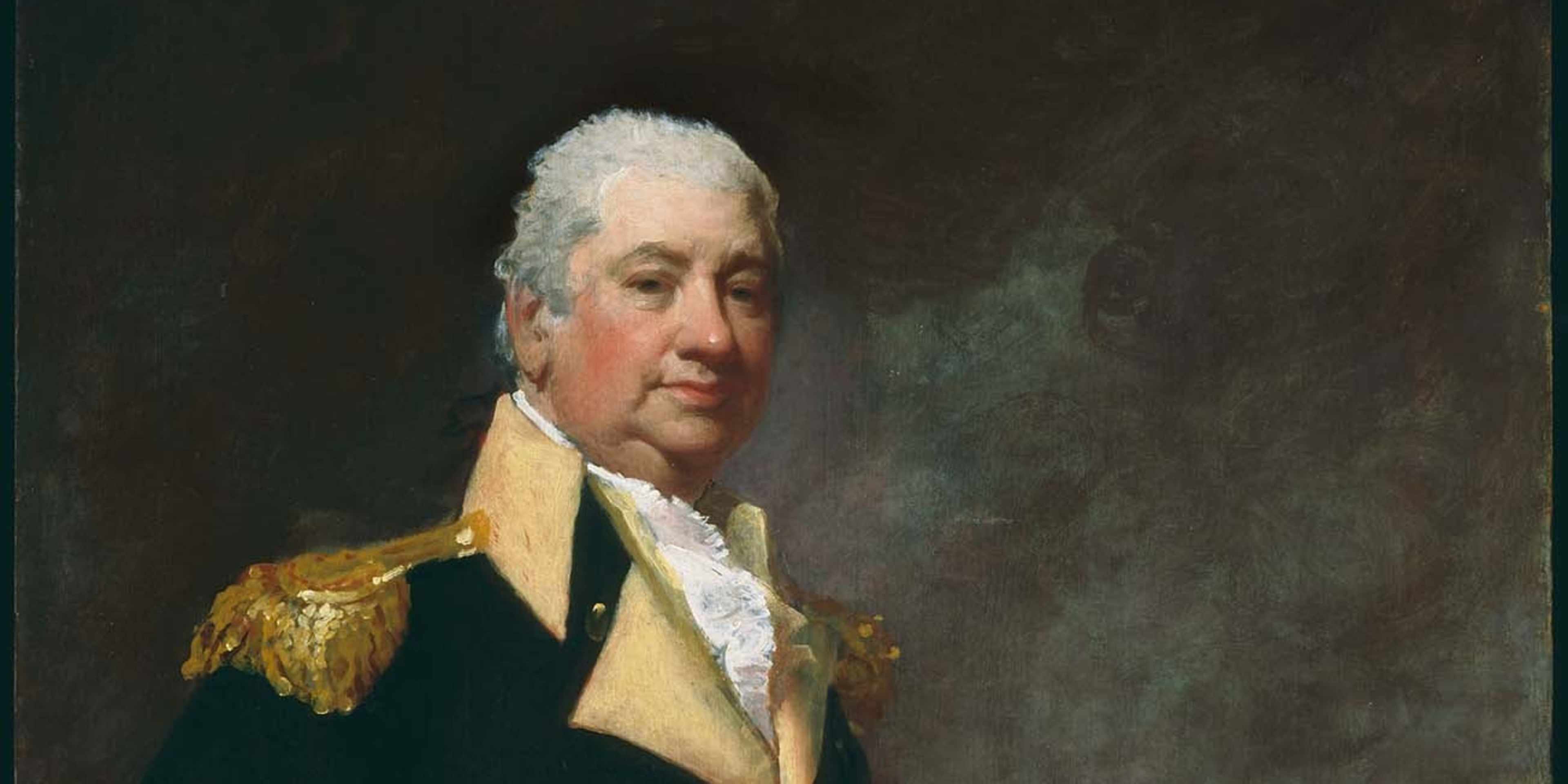
1. Henry Knox: The Self-Taught Artillery Genius
Before he was a general, Henry Knox was a 24-year-old Boston bookseller who gained his military education entirely by reading tactical treatises on his own shelves. Having lost his shop during the British occupation, Knox joined the patriot cause and quickly impressed George Washington with his intelligence and drive. His first major contribution was nothing short of miraculous: he led the expedition to transport 59 heavy cannons captured at Fort Ticonderoga across 300 miles of treacherous winter terrain using ox-drawn sleds. The placement of these cannons on Dorchester Heights forced the British to evacuate Boston without a single shot being fired. Knox went on to manage the logistics for Washington’s famous crossing of the Delaware and served as the nation’s first Secretary of War. He managed these brutal logistics with a feat of sheer determination, a survival mindset similar to what would later keep the Continental Army alive during the winter of starving soldiers at Valley Forge.
2. Nathanael Greene: The Unlikeliest Major General
Born into a strict Quaker family in Rhode Island, Nathanael Greene was raised to embrace pacifism. Furthermore, he suffered from severe asthma and walked with a pronounced, lifelong limp. Despite these physical limitations and his lack of combat experience, Greene taught himself military engineering and strategy. Washington recognized Greene’s brilliant analytical mind and promoted him to major general. Greene’s finest hour came when he took command of the shattered Southern Army in 1780. By executing a brilliant campaign of strategic retreats and guerrilla-style harassment, he wore down British forces under Lord Cornwallis, driving them toward Yorktown. Washington respected Greene so deeply that many historians believe Greene would have succeeded Washington as Commander-in-Chief had Washington fallen in battle.
3. John Stark: The Defender of Bunker Hill
A veteran of the French and Indian War, John Stark was a New Hampshire farmer and sawmill owner who did not hesitate when the war began. Upon hearing of Lexington and Concord, he immediately raised a force of 400 men and marched to Boston. At the Battle of Bunker Hill, Stark identified a critical vulnerability in the colonial defense line along a rail fence. He deployed his men there, successfully repelling repeated British flank attacks and saving the retreating American forces from a devastating rout. In 1777, Stark won another crucial victory at the Battle of Bennington, halting the British advance from Canada. Decades later, when writing to his fellow veterans, Stark penned the phrase “Live free or die,” which remains the official state motto of New Hampshire today.
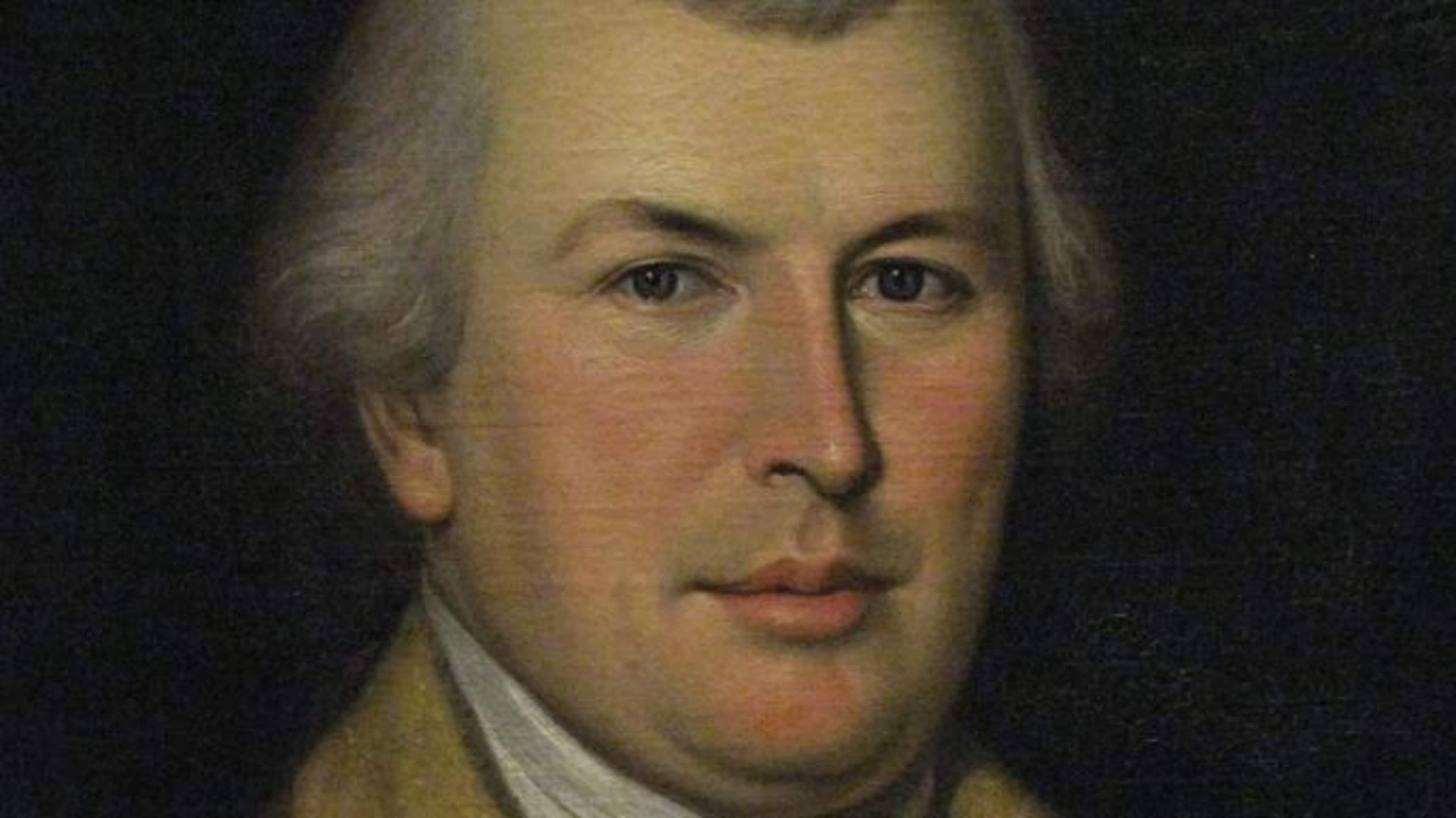
4. Daniel Morgan: The Frontier Tactician
Daniel Morgan was a rough-and-tumble Virginia wagoner who had survived a brutal flogging by the British military during the French and Indian War, leaving him with a deep-seated hatred for the Crown. Morgan commanded a elite group of backwoods sharpshooters known as “Morgan’s Riflemen,” who used long rifles to pick off British officers from a distance. His tactical masterpiece occurred at the Battle of Cowpens in 1781, where he utilized a defense-in-depth strategy to draw British forces into a deadly trap. Morgan understood the tactical value of intelligence and unconventional warfare, much like how George Washington used spies to win the American Revolution to outmaneuver a superior force.
5. “Mad” Anthony Wayne: The Daring Assault Commander
Known for his fiery temperament and bold battlefield decisions, Anthony Wayne proved that unconventional tactics could defeat disciplined British forces. In July 1779, Washington ordered Wayne to capture Stony Point, a heavily fortified British position atop a steep cliff on the Hudson River. To achieve total surprise, Wayne ordered his men to perform a midnight attack with unloaded rifles, relying strictly on bayonets to avoid accidental discharge of firearms. The daring assault succeeded in just 30 minutes, securing a vital strategic outpost and earning Wayne his famous nickname, “Mad” Anthony.
6. Benedict Arnold: The Complicated Legacy of a Defiant Hero
No discussion of the Revolutionary War’s military leaders is complete without addressing Benedict Arnold. Long before his name became synonymous with betrayal, Arnold was arguably the most aggressive and successful battlefield commander in the Continental Army. He helped capture Fort Ticonderoga, delayed a British invasion at the Battle of Valcour Island, and played a decisive role in winning the Battle of Saratoga, where he was severely wounded. However, feeling unappreciated by Congress and passed over for promotions, Arnold ultimately turned traitor in 1780, attempting to surrender the American fort at West Point to the British. To understand his fall from grace, one must examine the complex psychological and financial motives behind why Benedict Arnold betrayed America.
The Long-Term Impact on America
The achievements of these amateur soldiers left a profound structural and cultural legacy on the United States. First, they helped establish the concept of the “citizen soldier”—the idea that ordinary people have a civic duty to defend their nation in times of crisis. This principle influenced early American military policy and the construction of state militias.
Second, their victories on the battlefield paved the way for the creation of a unified nation under the Constitution. By demonstrating that a diverse coalition of colonial forces could work together, these leaders helped forge a shared American identity out of thirteen distinct colonies. Their legacy also laid the foundation for the development of a highly organized, professional United States military in the decades that followed.
Lesser-Known Historical Facts
- The Bookseller’s Library: Henry Knox learned everything he knew about artillery by studying military manuals written in French, which he translated himself while working at his bookstore in Boston.
- The Ghostly Retreat: During the Battle of Long Island, Nathanael Greene was so incapacitated by severe illness that he had to watch the near-destruction of his troops from a distance, a setback that fueled his later tactical caution.
- The Silent Attack: Anthony Wayne’s midnight raid on Stony Point was executed so silently that the British garrison did not realize they were under attack until patriot soldiers had already scaled the cliffs and entered the fort.
Why This History Still Matters Today
The stories of these unsung heroes remain highly relevant in modern times. They remind us that history is not shaped solely by political leaders and famous figures, but by ordinary individuals who possess the courage to adapt, learn, and lead under extraordinary pressure. In a world that often values formal credentials, these self-taught leaders prove that passion, resilience, and a willingness to learn are some of the most powerful tools for overcoming systemic adversity. Their legacy challenges us to look beyond the famous names in history textbooks to appreciate the diverse, complex contributors who built the foundations of modern democratic institutions.
People Also Ask (FAQ)
Who was the most successful American general of the Revolutionary War?
While George Washington was the Commander-in-Chief, major generals like Nathanael Greene and Daniel Morgan are widely considered the most brilliant tactical commanders of the war due to their highly successful campaigns in the Southern theater.
Why did some American heroes turn traitor?
Figures like Benedict Arnold turned traitor due to a combination of personal grievances, feeling passed over for well-deserved military promotions, mounting personal debt, and persuasion from loyalist family members and British agents.
How did amateur soldiers defeat the professional British Army?
Amateur soldiers succeeded by adopting unconventional tactics, such as guerrilla warfare and targeted sharpshooting, while leveraging their intimate knowledge of the local terrain to outmaneuver the rigid, traditional battle formations of the British military.
Conclusion
The triumph of the American Revolution was a collective effort forged by the resilience of everyday citizens who rose to meet an unprecedented challenge. From Henry Knox’s winter logistics to Nathanael Greene’s strategic retreats, these unsung heroes demonstrated that determination and adaptability could overcome overwhelming odds. By remembering their contributions, we gain a deeper and more accurate understanding of the sacrifices required to establish the United States, keeping the true spirit of American history alive for generations to come.


