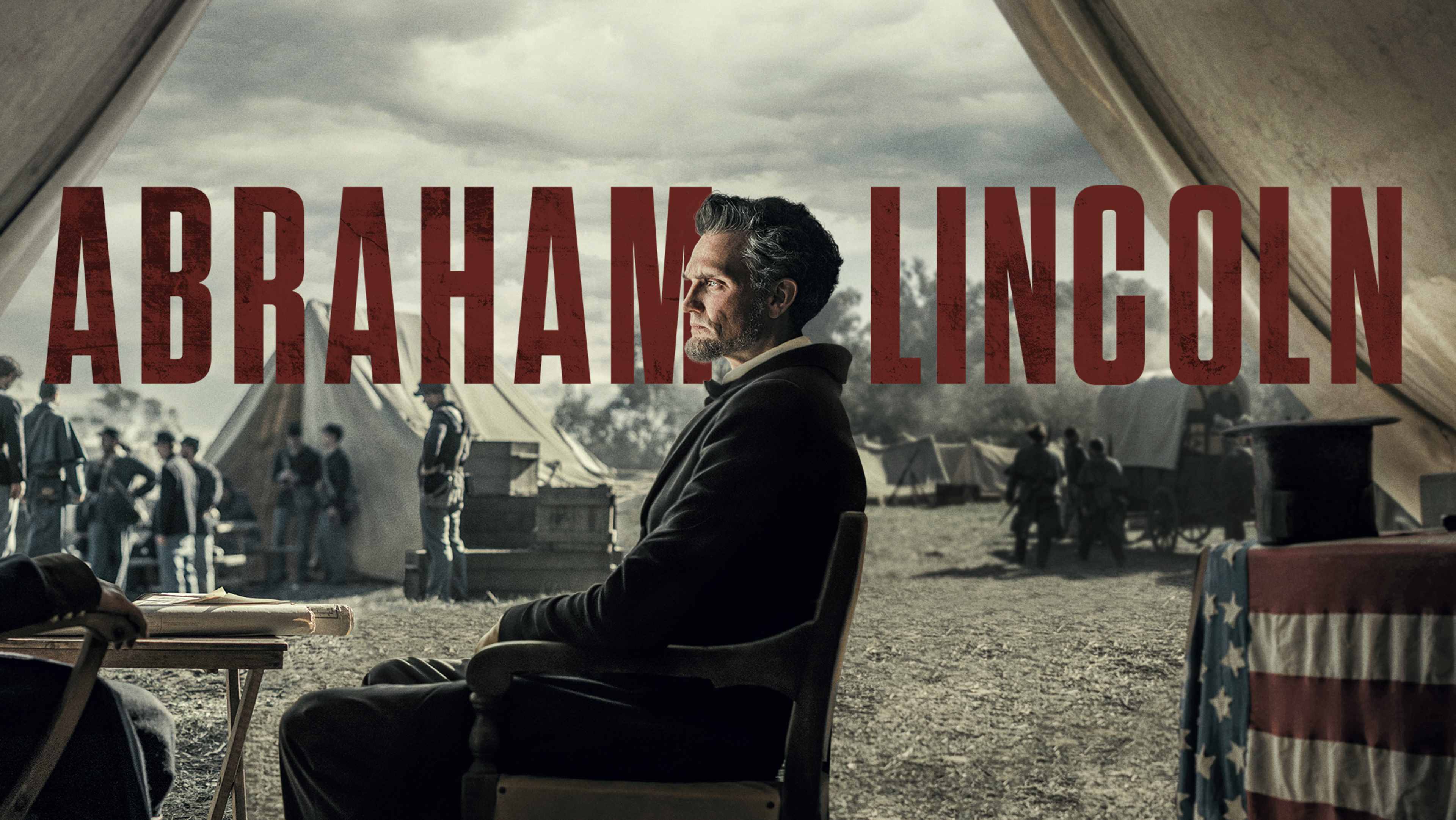
The presidential Election of 1860 stands as the most consequential political contest in the history of the United States. Occurring at a time when the nation was deeply fractured over the moral, economic, and constitutional implications of slavery, the election served as the final catalyst that pushed America over the brink and into its deadliest conflict: the American Civil War. It pitted a self-made frontier lawyer and Republican nominee, Abraham Lincoln, against a fractured field of three formidable opponents in a race that was less about party politics and more about the existential survival of the republic. By examining the context, candidates, and immediate aftermath of this monumental vote, we gain a profound understanding of how democratic institutions can both struggle under immense systemic pressure and ultimately rewrite the course of human liberty.

Historical Background: A Nation on the Brink
The road to the 1860 presidential election was paved with more than a decade of escalating tensions over the institution of slavery. Throughout the 1850s, a series of legislative compromises, judicial rulings, and violent outbursts had eroded any sense of national unity. The Compromise of 1850 had temporarily quieted the slavery debate, but the passage of the Kansas-Nebraska Act in 1854 reignited the flames by allowing territories to determine the status of slavery through the doctrine of popular sovereignty. This led to a mini-civil war in the West, infamously known as Bleeding Kansas.
The situation escalated further with the Supreme Court’s Dred Scott decision in 1857, which ruled that Congress had no authority to prohibit slavery in federal territories, rendering previous compromise laws unconstitutional. Then, in October 1859, the abolitionist John Brown launched a raid on the federal armory at Harpers Ferry, hoping to spark a massive slave rebellion. While the raid failed, it sent shockwaves through the South, where many became convinced that Northern political leaders were actively plotting the violent destruction of their society and economy.
Causes and Context: The Fractured House
By 1860, the United States was a nation divided by deeply entrenched economic and cultural differences. The Northern states had evolved into a rapidly industrializing society fueled by wage labor, immigration, and extensive infrastructure. In contrast, the Southern economy was almost entirely agrarian, heavily dependent on the export of cotton cultivated by millions of enslaved individuals. The political system struggled to bridge this divide. The rise of the Republican Party—formed in 1854 as a direct response to the Kansas-Nebraska Act—deeply alarmed Southern leaders, who viewed the party’s opposition to the expansion of slavery as an existential threat.
This struggle over human liberty was not new; rather, it was a continuation of conflicts that had plagued the nation since its founding. Despite early efforts during the Revolutionary era, the paradox of a nation built on liberty while practicing chattel slavery remained unresolved. Even during the early years of the nation, enslaved individuals had fought alongside patriots, yet the promise of freedom was often denied, as detailed in the tragic narrative of how one patriot fought for his freedom in the revolution, only to have his sons sold into slavery. By 1860, the moral and economic contradictions of this national paradox could no longer be ignored or compromised away.
The Four-Way Race: Key Candidates and Platforms
The election of 1860 was unique in that it featured four major presidential candidates, reflecting the deep geographic and political divisions of the era:
- Abraham Lincoln (Republican Party): A moderate from Illinois, Lincoln campaigned on a platform that opposed the expansion of slavery into new Western territories but promised not to interfere with the institution in states where it already existed. The Republicans also supported economic policies appealing to Northern and Western interests, such as a protective tariff, a transcontinental railroad, and free homesteads for settlers.
- Stephen A. Douglas (Northern Democratic Party): Douglas championed the concept of popular sovereignty, arguing that settlers in each territory should decide for themselves whether to allow slavery. However, this position alienated Southern Democrats, who demanded federal protection for slavery.
- John C. Breckinridge (Southern Democratic Party): Representing the radical pro-slavery faction of the South, the sitting Vice President under James Buchanan ran on a platform asserting that the federal government had a constitutional duty to protect slavery in all territories.
- John Bell (Constitutional Union Party): Composed mainly of former Whigs and moderate Know-Nothings, this party took a neutral stance on slavery. Their platform focused purely on defending the Constitution, preserving the Union, and enforcing national laws, appealing primarily to border states desperate to avoid conflict.
Timeline of Pivotal Events Leading to the Election
To fully grasp the rapid escalation of this political crisis, it is helpful to look at the timeline of key events that unfolded leading up to November 1860:
- May 1854: The Kansas-Nebraska Act is passed, effectively repealing the Missouri Compromise of 1820 and sparking political realignment.
- March 1857: The Supreme Court issues the Dred Scott decision, polarizing the North and South further.
- June–November 1858: The Lincoln-Douglas Debates for the Illinois Senate seat propel Lincoln into the national spotlight despite his eventual loss.
- October 1859: John Brown’s raid on Harpers Ferry heightens Southern fears of Northern-backed abolitionist insurrections.
- April 23, 1860: The Democratic National Convention convenes in Charleston, South Carolina, but collapses due to irreconcilable differences over the slavery platform.
- May 16, 1860: The Republican National Convention meets in Chicago, nominating Abraham Lincoln on the third ballot over frontrunner William H. Seward.
- June 1860: The fragmented Democrats split into two distinct factions, nominating Douglas (Northern) and Breckinridge (Southern) at separate conventions.
- November 6, 1860: Election Day is held across the nation, resulting in a victory for Abraham Lincoln.
Major Turning Points of the 1860 Campaign
Two critical turning points shaped the outcome of the 1860 election. The first was the complete disintegration of the Democratic Party. As the only remaining national party capable of bridging the sectional divide, its split guaranteed a Republican path to victory. When Southern delegates walked out of the Charleston convention in protest of Douglas’s refusal to endorse a federal slave code, they effectively divided the Democratic vote, destroying their chances of capturing the presidency.
The second turning point was the strategic moderation of the Republican Party at their Chicago convention. While many expected New York Senator William H. Seward to win the nomination, he was perceived as too radical on the issue of slavery. The delegates instead turned to Abraham Lincoln, who was seen as a moderate Westerner capable of carrying critical swing states like Illinois, Indiana, and Pennsylvania. This pragmatism united the party and made Lincoln an appealing candidate to Northern voters who favored free labor but feared radical abolitionism.
The Electoral Map and Immediate Aftermath
When the votes were counted on November 6, 1860, the results illustrated a stark geographical polarization. Lincoln won the presidency in an Electoral College landslide, securing 180 electoral votes. However, he won only 39.8 percent of the popular vote and did not receive a single electoral vote from a slave state. In fact, in ten Southern states, his name was not even printed on the ballot.
The North’s larger population gave it control over the Electoral College, allowing Lincoln to sweep the free states and secure the presidency without Southern support. Breckinridge swept the Deep South with 72 electoral votes, while Bell won 39 in the border states, and Douglas captured only 12 votes despite winning the second-highest share of the popular vote. This absolute regional division was a far cry from the collective unity envisioned in early founding documents, such as the initial signing of the Declaration of Independence, where regional differences were temporarily put aside to secure national sovereignty.
Long-Term Impact on America
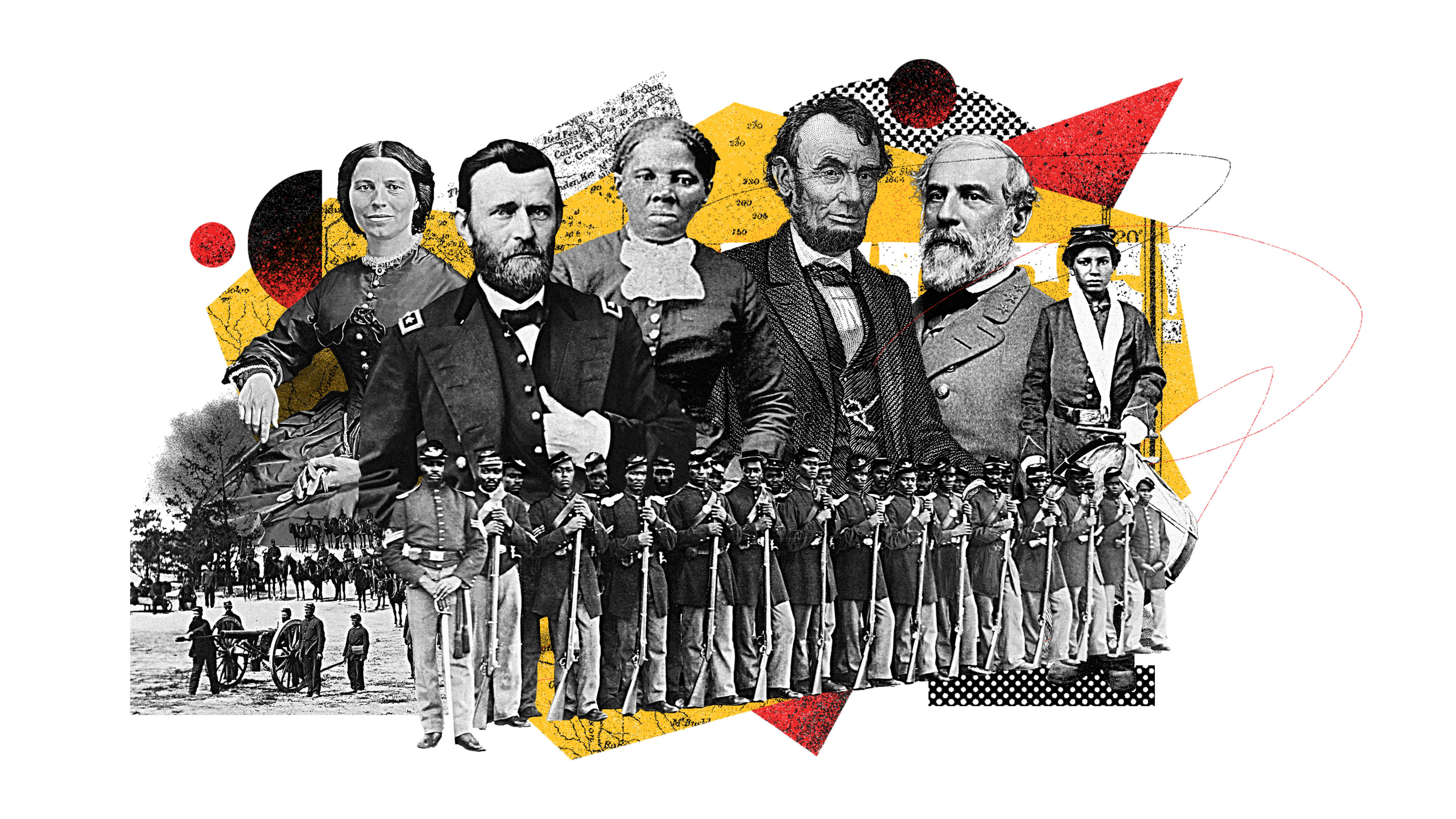
The election of Abraham Lincoln was the breaking point for the South. Viewing his victory as proof that the South no longer had a voice in the federal government, South Carolina drafted an Ordinance of Secession on December 20, 1860. By the time Lincoln was inaugurated in March 1861, six other Deep South states—Mississippi, Florida, Alabama, Georgia, Louisiana, and Texas—had joined South Carolina to form the Confederate States of America. Weeks later, Confederate forces fired on Fort Sumter, launching the American Civil War.
The ultimate long-term impact of the election was the destruction of chattel slavery and the constitutional transformation of the United States. Under Lincoln’s leadership, the Union was preserved, and the passage of the 13th, 14th, and 15th Amendments fundamentally altered American society, establishing federal protections for civil rights and citizenship that continue to shape the legal landscape today.
Lesser-Known Facts about the Election of 1860
- The Campaign of Silence: Following traditional 19th-century political customs, Lincoln did not actively campaign or give speeches during the general election. He remained in Springfield, Illinois, letting his past speeches speak for themselves, while his opponents—most notably Stephen Douglas—travelled extensively to rally voters.
- A Smear Campaign Against Hamlin: Lincoln’s running mate, Hannibal Hamlin of Maine, was subjected to a vicious smear campaign in the South. Opponents circulated rumors claiming that Hamlin possessed African ancestry, attempting to stoke racial anxieties among Southern voters.
- A Prophetic Tour: Realizing that a Lincoln victory would likely lead to Southern secession, Stephen Douglas broke tradition and embarked on a grueling national speaking tour. He spent the months leading up to the election pleading with both Northerners and Southerners to preserve the Union, sacrificing his health in a desperate bid to avert civil war.
Why It Still Matters Today
The Election of 1860 remains a crucial subject of study because it highlights the vulnerability of democratic systems during times of extreme political polarization. It raises enduring questions about the role of the Electoral College, the balance of power between state and federal governments, and how societies handle deep moral disagreements. In analyzing the breakdown of the political process in 1860, historians and citizens alike find valuable lessons on the importance of civic compromise, institutional resilience, and the ongoing pursuit of the ideals championed by the Founding Fathers’ constitutional vision.
People Also Ask
Who won the presidential election of 1860?
Abraham Lincoln, the nominee of the Republican Party, won the presidential election of 1860, defeating Stephen A. Douglas, John C. Breckinridge, and John Bell.
Why did the Democratic Party split in 1860?
The Democratic Party split over the issue of slavery. Northern Democrats supported popular sovereignty (allowing territories to decide on slavery), while Southern Democrats demanded federal protection of slavery in all U.S. territories.
What was the main issue of the 1860 election?
The primary issue was the expansion of slavery into the western territories and the balance of political power between the free states of the North and the slave states of the South.
How many Southern states did Lincoln win in 1860?
Abraham Lincoln did not win a single Southern state. In ten of those states, his name was completely left off the ballot due to intense opposition to the Republican platform.
Conclusion
Ultimately, the Election of 1860 was more than a mere political transition; it was a defining trial by fire for American democracy. By electing Abraham Lincoln, the nation chose a path that resisted the further expansion of human bondage, even though that choice came at the cost of a catastrophic civil war. The legacy of 1860 serves as a powerful reminder of how political choices can reshape constitutional values, dismantle unjust institutions, and ultimately redefine the meaning of freedom for generations to follow.


