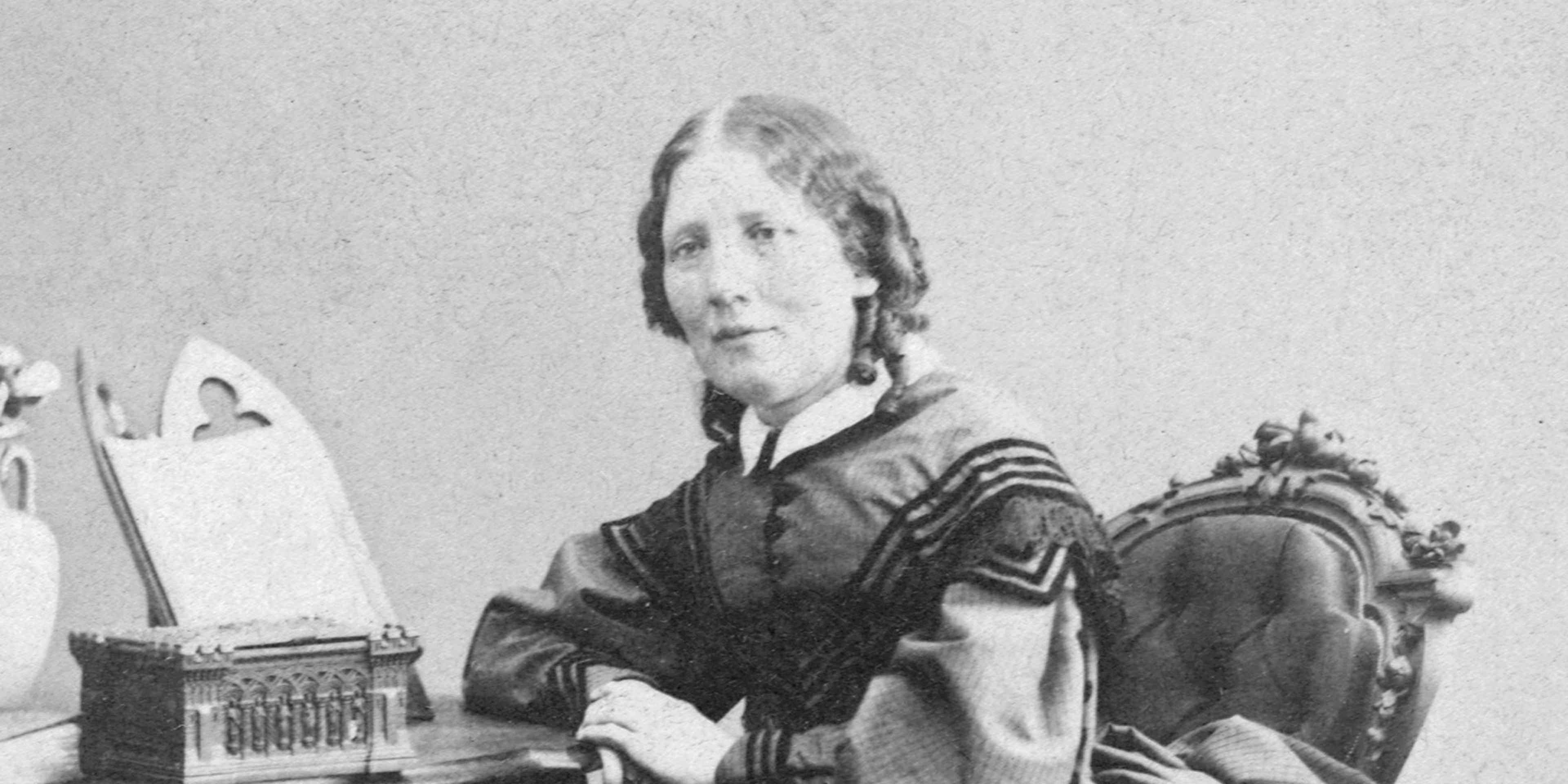
Harriet Beecher Stowe remains one of the most transformative figures in nineteenth-century American history. As a deeply religious abolitionist and a prolific writer, she wielded her pen as a weapon against the moral abomination of chattel slavery, forever shifting the national consciousness. Her seminal 1852 novel, Uncle Tom’s Cabin; or, Life Among the Lowly, did not merely entertain readers—it exposed the brutal, human-shattering reality of the ‘peculiar institution’ and catalyzed the political divisions that ultimately led to the American Civil War. By translating dry political debates into intimate, emotional narratives of family separation and moral struggle, Stowe galvanized a generation of Northern reformers and infuriated Southern slaveholders. Understanding her life, her motivations, and her profound literary legacy offers an invaluable window into the struggle for human rights, the power of protest literature, and the complex path toward American emancipation.
Historical Background and the Sociopolitical Crisis of the 1850s
To understand Harriet Beecher Stowe’s rise, one must look at the deeply fractured landscape of 1850s America. The United States was a young nation torn between two irreconcilable economic and social systems: a rapidly industrializing North built on free labor, and an agrarian South utterly dependent on the brutal enslavement of African Americans. For decades, politicians attempted to preserve peace through uneasy legislative compromises, but the systemic cruelty of slavery could not be suppressed forever. The tension peaked with the passage of the Fugitive Slave Act of 1850. This federal law required citizens in free states to assist in the capture and return of runaway enslaved people under threat of severe penalties. For many Northerners, the act brought the horrors of Southern slavery directly to their doorsteps, forcing them to confront the reality that they were legally complicit in human bondage. In this atmosphere of moral crisis, the foundational principles of the Declaration of Independence were put to the ultimate test, exposing the profound hypocrisy of a nation founded on liberty yet built on chains.
Timeline of Key Events in Stowe’s Life and Legacy
- June 14, 1811: Harriet Beecher is born in Litchfield, Connecticut, into the prominent, reform-minded Beecher family.
- 1823: Enrolls at the Hartford Female Seminary, founded by her sister Catharine, where she excels in literature and later begins her teaching career.
- 1832: Moves to Cincinnati, Ohio, where her father, Lyman Beecher, becomes president of Lane Theological Seminary. This move places her on the border of Kentucky, a slave state, exposing her to the grim realities of slavery.
- January 1836: Marries biblical scholar and fellow abolitionist Calvin Ellis Stowe. Over the next decade, they raise a large family and collaborate on intellectual endeavors.
- 1846: Publishes The Mayflower: Or, Sketches of Scenes and Characters Among the Descendants of the Pilgrims, reflecting her deep interest in New England heritage and her ancestry among Mayflower descendants.
- 1849: Her eighteen-month-old son, Samuel Charles Stowe, dies during a cholera epidemic. Her devastating grief fosters a deep empathy for enslaved mothers whose children are ripped away from them at auction.
- 1850: The family moves to Brunswick, Maine, where Calvin accepts a professorship at Bowdoin College. The passage of the Fugitive Slave Act galvanizes Harriet to write.
- 1851–1852: Uncle Tom’s Cabin is published in serial form in the anti-slavery newspaper The National Era, and then as a two-volume book. It becomes an instant global bestseller.
- 1853: Publishes A Key to Uncle Tom’s Cabin to present factual documentation, court records, and letters confirming the historical accuracy of her novel.
- 1862: Stowe meets President Abraham Lincoln at the White House during the height of the American Civil War.
- July 2, 1896: Stowe dies at age 85 in Hartford, Connecticut, leaving behind a monumental legacy.
Important Figures and Influences
Harriet Beecher Stowe’s life was shaped by an extraordinary network of thinkers, reformers, and real-world figures. Her father, Lyman Beecher, was an influential Presbyterian minister who instilled in his children a fierce sense of moral responsibility. Her sister, Catharine Beecher, was a pioneering educator who championed female education, proving to Harriet that women could hold immense intellectual and social sway. Another major influence was her husband, Calvin Ellis Stowe, who recognized her immense talent and constantly urged her to pursue her writing. Crucially, Stowe drew inspiration from real-life victims of slavery. The character of Uncle Tom was largely inspired by the autobiography of Josiah Henson, a formerly enslaved man who escaped to Canada and became an author, minister, and abolitionist. By basing her characters on actual human lives, Stowe gave her narrative a visceral authenticity that traditional anti-slavery pamphlets lacked.
The Story and Theology Behind Uncle Tom’s Cabin
At its core, Uncle Tom’s Cabin is a deeply religious text. Stowe was raised in a Calvinist household but later embraced a more compassionate, Christ-centered theology. To Stowe, slavery was not just a political issue; it was a profound sin that directly violated Christian teachings. The novel tells the heartbreaking story of Uncle Tom, a noble, devoutly Christian enslaved man who is sold away from his family in Kentucky. Despite enduring unspeakable cruelty under his final master, the sadistic Simon Legree, Tom refuses to abandon his Christian faith or betray his fellow enslaved workers, ultimately choosing death over moral capitulation.
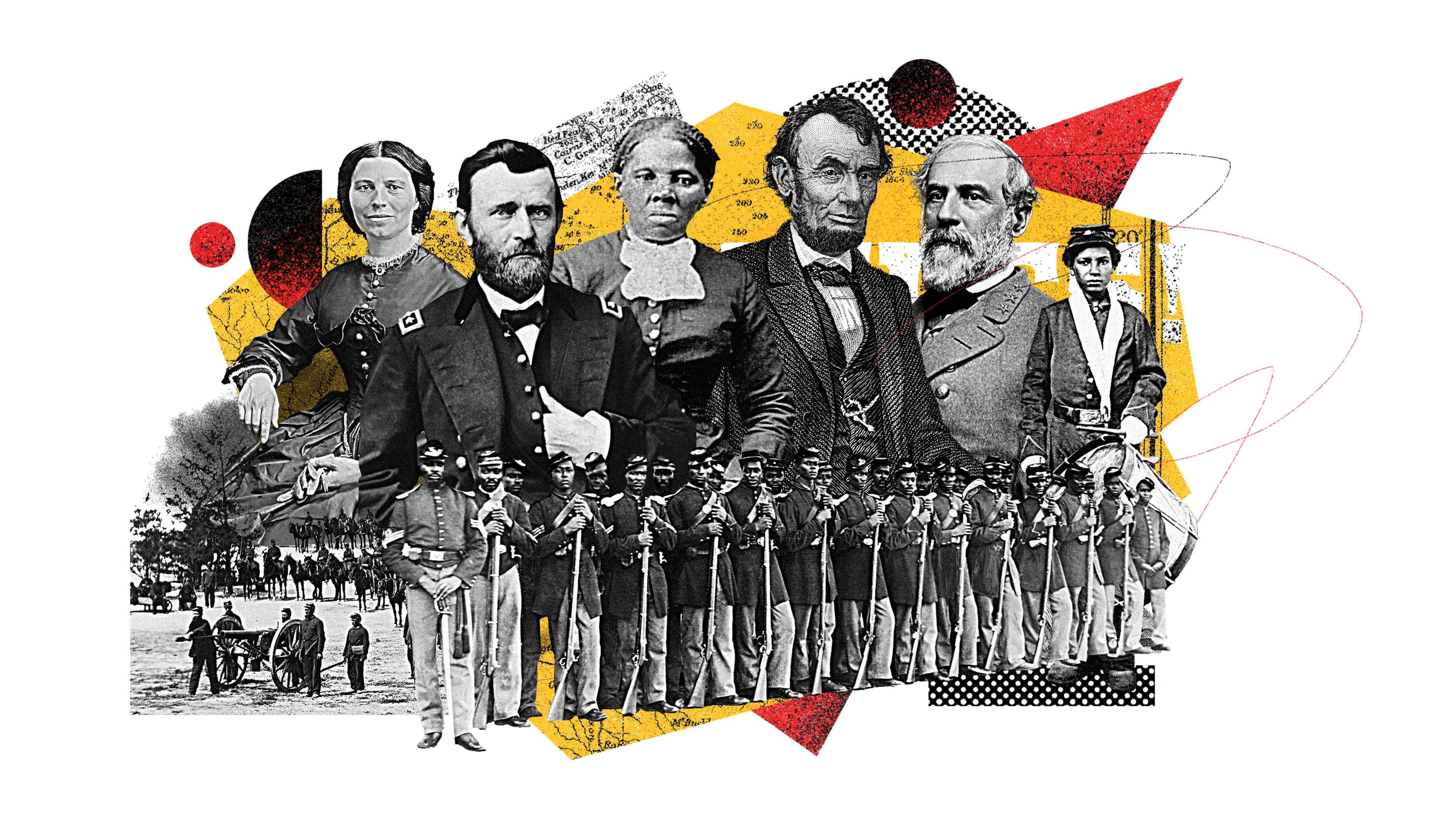
Through subplots involving the brave escape of Eliza Harris and her young son Harry, Stowe highlights the systematic destruction of families. This moral horror was a lived reality for generations, echoing historical accounts of black soldiers fighting for freedom only to see their families enslaved or broken apart. Stowe argued that no true Christian could support a system that legalized the tearing of children from their mothers’ arms, forcing Northern readers to reckon with their own spiritual complicity.
Major Turning Points and the Outbreak of the Civil War
The publication of Uncle Tom’s Cabin was a cultural earthquake. In its first year, the book sold over 300,000 copies in the United States and over one million copies in Great Britain. Its impact was so profound that it shifted the geopolitical landscape. In the American North, the book converted millions of indifferent citizens into active opponents of slavery, swelling the ranks of the abolitionist movement and directly contributing to the rise of the anti-slavery Republican Party. In the South, the book provoked immense fury. Southern legislatures banned the book, and apologists for slavery flooded the press with “Anti-Tom” novels that falsely painted plantation life as benign and paternalistic.
When President Abraham Lincoln met Stowe in the White House in 1862, he reportedly remarked, “So you’re the little woman who wrote the book that made this great war.” While the quote’s literal authenticity is debated, the sentiment remains historically accurate: Stowe’s book drew a moral line in the sand, rendering compromise impossible and setting the nation on an unavoidable path to conflict and ultimate emancipation.
Lesser-Known Facts About Harriet Beecher Stowe
- She Was Not Allowed to Speak to Her Own Audiences: Although she became an international celebrity and toured Britain to champion the abolitionist cause, nineteenth-century social norms deemed it inappropriate for women to speak publicly to mixed-gender audiences. Consequently, Stowe sat in the gallery while her husband, Calvin, or one of her brothers read her prepared speeches to the crowds.
- Her Winter Retreat and Philanthropy in Florida: Following the Civil War, Stowe and her family purchased a winter home in Mandarin, Florida. Driven by a desire to help reconstruct the South and support newly emancipated citizens, she established a cotton plantation that hired formerly enslaved workers at fair wages, demonstrating her hands-on commitment to racial progress.
- She Sparked an International Scandal Over Lord Byron: In 1869, Stowe published a highly controversial article in The Atlantic Monthly defending her late friend Lady Byron. In the article, she accused the famous British poet Lord Byron of committing incest with his half-sister. The shocking revelation outraged the British public, severely damaging Stowe’s literary standing in the United Kingdom.
Why Stowe’s Legacy Matters Today
Harriet Beecher Stowe’s work serves as an enduring testament to the power of the written word. Long before modern mass media, Stowe proved that storytelling is one of the most effective tools for building empathy and driving systemic political change. Her life reminds us that individual voices, fueled by moral courage and compassion, can challenge even the most deeply entrenched systems of oppression. In a world still wrestling with human rights abuses, racial inequality, and the struggle for dignity, Stowe’s insistence that we must truly “feel” the suffering of others to enact justice remains as urgent and necessary today as it was in 1852.
People Also Ask
Did Harriet Beecher Stowe actually meet Abraham Lincoln?
Yes, Harriet Beecher Stowe met President Abraham Lincoln at the White House in late November 1862. During this meeting, Lincoln is famously rumored to have said, “So you’re the little woman who wrote the book that made this great war.” While historians have not found contemporary written proof of this exact quote from 1862, the story was popularized by Stowe’s family and reflects the immense influence her novel had on national politics.
What inspired Uncle Tom’s Cabin?
Stowe was inspired by several factors: the passage of the Fugitive Slave Act of 1850, her firsthand experiences meeting runaway enslaved people while living in Cincinnati, and her devastating grief over losing her infant son to cholera, which helped her empathize with enslaved mothers. She also heavily drew from the 1849 autobiography of Josiah Henson, a formerly enslaved man who successfully escaped to freedom.
Why is ‘Uncle Tom’ used as a derogatory term today?
In Stowe’s original novel, Uncle Tom is a heroic, noble, and self-sacrificing Christian martyr. However, in the late 19th and early 20th centuries, popular stage adaptations known as “Tom Shows” heavily distorted the character. These shows, often featuring white actors in blackface, reduced Tom to a subservient, submissive caricature who happily served his white masters. This corrupted version of the character is what led to the term being used negatively today.
Conclusion
Harriet Beecher Stowe’s literary contributions did far more than define an era; they helped reshape the moral destiny of the United States. Through Uncle Tom’s Cabin, she bridged the gap between passive political debate and active moral outrage, giving the abolitionist movement the human stories it needed to dismantle the institution of slavery. Though her life was filled with personal tragedy and late-career controversies, her legacy as a champion of human dignity and an architect of American reform remains secure. Stowe’s work continues to serve as an inspiring blueprint for how empathy, narrative power, and unwavering moral conviction can change the course of human history.


