The American Civil War is often remembered as a binary clash between the industrial Union of the North and the slaveholding Confederacy of the South. Yet, a deeply tragic and frequently overlooked theater of this conflict unfolded on the western frontier, where the war fractured Native American nations. In Indian Territory—modern-day Oklahoma—the Civil War was not merely a distant struggle; it was an existential crisis that pitted brother against brother, ignited dormant tribal feuds, and ravaged communities already scarred by forced displacement. An estimated 20,000 Native American soldiers took up arms, navigating a complex web of shifting alliances, sovereign treaties, and internal divides. Understanding this dark chapter is crucial because it reveals how the national struggle over slavery, statehood, and federal power directly reshaped the destiny of Indigenous peoples.
Historical Background and Context: Roots of the Divide
To understand why the Civil War divided Indian Territory so violently, one must look back to the decades preceding 1861. Between 1830 and 1850, the United States government forcibly removed the Cherokee, Creek, Choctaw, Chickasaw, and Seminole nations (collectively referred to as the Five Civilized Tribes) from their ancestral homelands in the American Southeast. This forced migration, famously known as the Trail of Tears, resulted in the deaths of thousands due to exposure, disease, and starvation.
Once resettled in the designated Indian Territory, these nations worked tirelessly to rebuild their societies, governments, and economies. However, the trauma of removal left deep-seated political scars and factional rivalries. When the Civil War erupted, these old wounds reopened. The root of this tension lay in the ongoing struggle over sovereignty. Just as early American debates centered on how the Founding Fathers divided power between states and federal governments, Native nations continuously fought to preserve their independence against an encroaching federal system that repeatedly violated its own treaties.
The Catalyst: Slavery, Treaties, and Sovereignty
When hostilities broke out in 1861, Indian Territory was geographically isolated. The Union quickly abandoned its military forts in the region, leaving the tribal nations vulnerable and surrounded by Confederate states like Arkansas and Texas. This geographical reality, combined with the presence of wealthy, slave-holding elites within the tribes, drove several tribal governments to sign alliances with the Confederacy.
Slavery was a major catalyst of internal division. While the vast majority of Native Americans did not own slaves, a small but politically powerful minority of wealthy tribal members did. These elites saw their economic interests aligned with the southern plantation economy. Conversely, traditionalists, poorer tribal members, and those with abolitionist leanings strongly opposed aligning with the South. While the fight against human bondage is celebrated as one of the great strides for freedom in US history, the presence of enslaved people within Native nations added an incredibly painful layer of internal division, forcing communities to choose between supporting a slave-holding Confederacy or trusting a Union government that had previously betrayed and removed them.
Important Figures of the Civil War in Indian Territory
The conflict in Indian Territory was defined by prominent leaders who held vastly different visions for their people’s future:
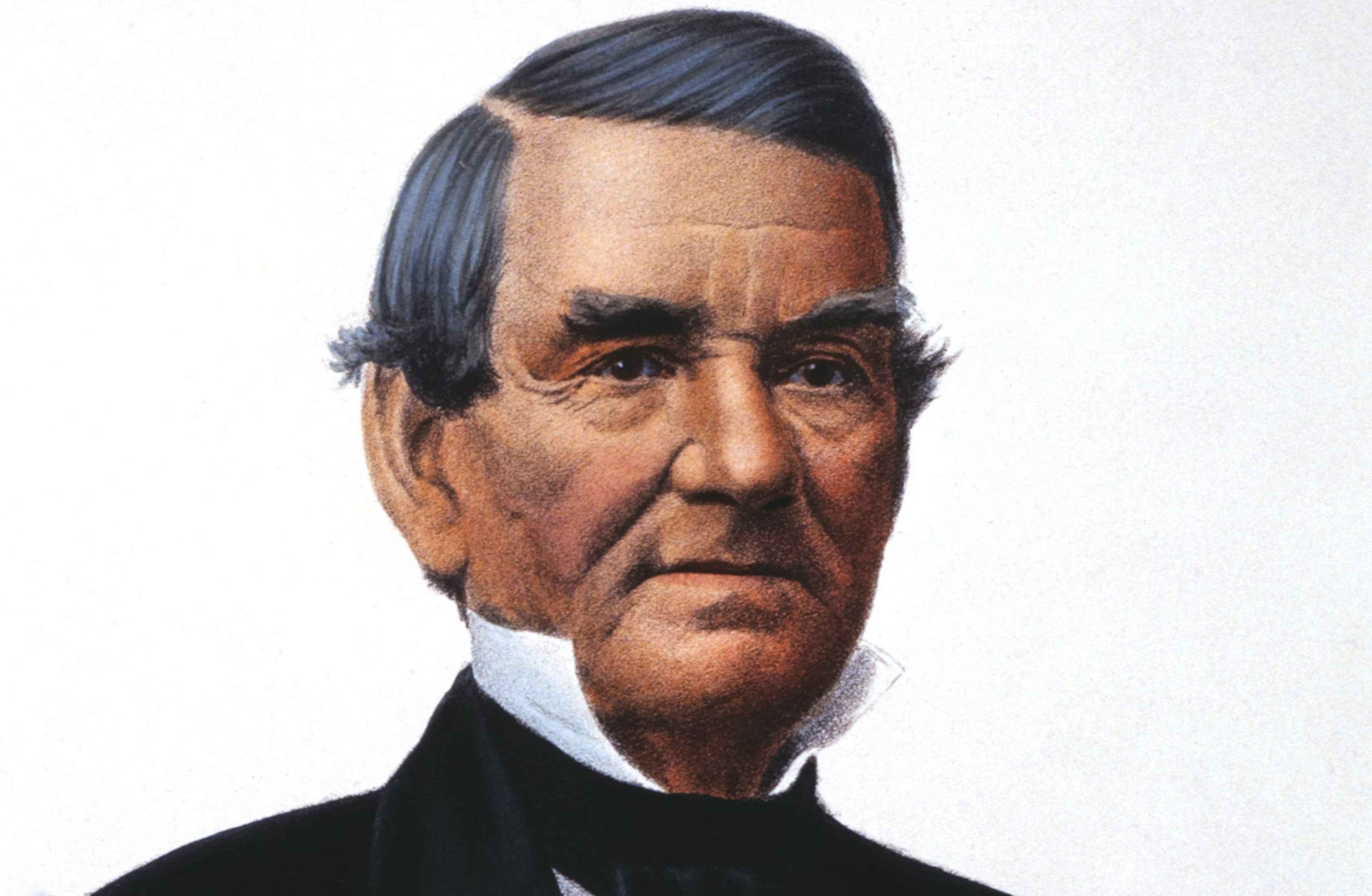
- Principal Chief John Ross: The long-time leader of the Cherokee Nation who had guided his people through the Trail of Tears. Ross initially advocated for strict neutrality, wishing to keep the Cherokee out of the “white man’s war.” Under intense pressure from Southern neighbors and internal rivals, he reluctantly signed a treaty with the Confederacy in October 1861 to preserve national unity. He later realigned with the Union.
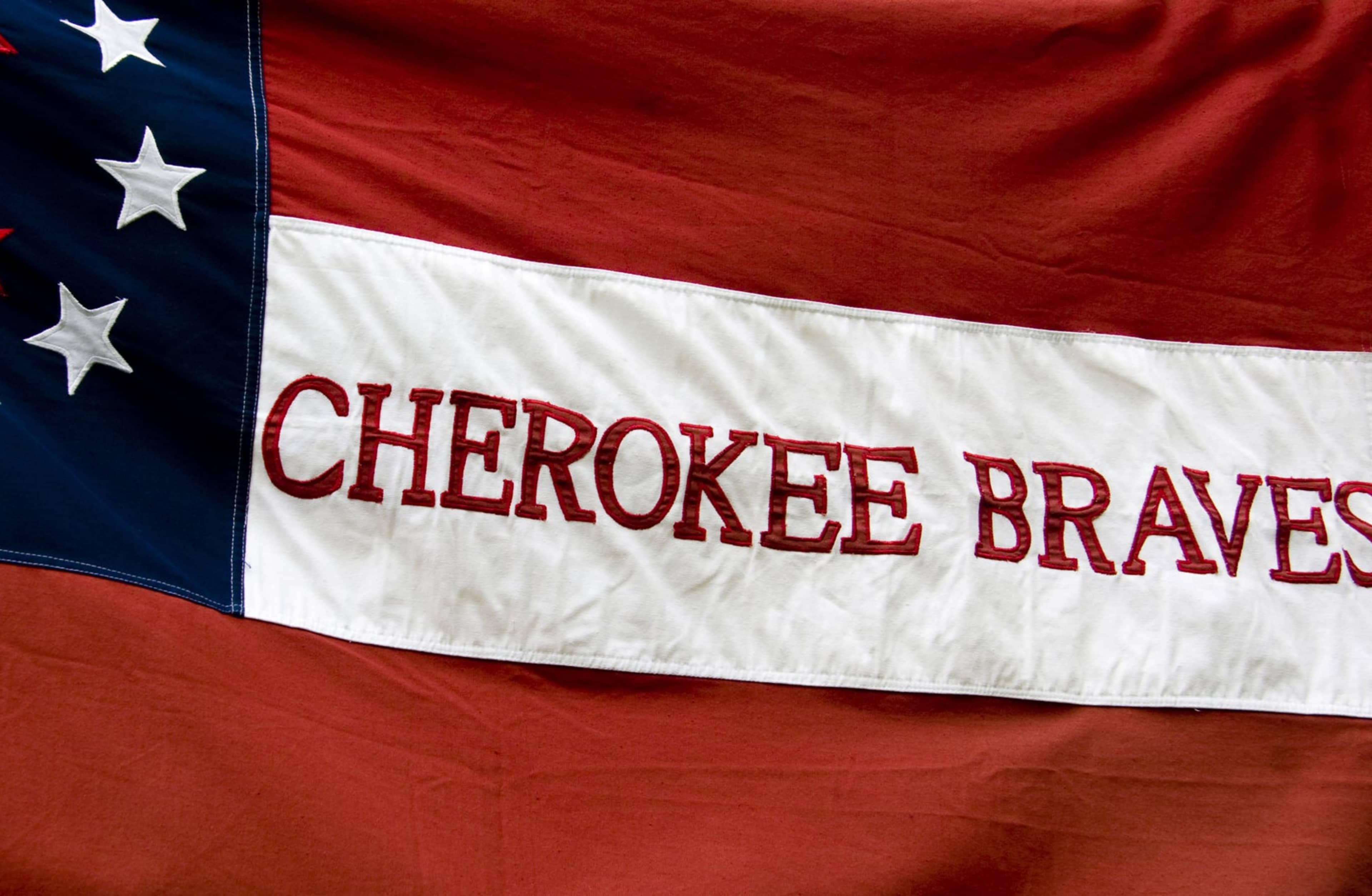
- Stand Watie: A wealthy Cherokee slaveholder and leader of the Treaty Party. Watie was a bitter rival of John Ross. He eagerly aligned with the Confederacy, raised the Cherokee Mounted Rifles, and became a highly successful guerrilla commander. Watie rose to the rank of Brigadier General in the Confederate Army.
- Opothleyoholo: A respected Creek leader and traditionalist who staunchly refused to ally with the Confederacy. He advocated for absolute neutrality and loyalty to existing federal treaties. Opothleyoholo led thousands of pro-Union and neutral tribal refugees, along with escaped slaves, on a harrowing winter exodus to Kansas to seek Union protection.
- Brigadier General James G. Blunt: A Union commander who recognized the strategic value of Indian Territory. Blunt spearheaded the recruitment of Native American refugees to form the Union’s Indian Home Guard regiments, launching successful military campaigns to reclaim the territory.
A Chronological Timeline of the Indian Territory Civil War
The progression of the war in the West shows how quickly political disagreement escalated into devastating armed conflict:
- Spring 1861: The US Civil War begins. Federal troops evacuate Indian Territory forts, leaving a vacuum that the Confederacy quickly exploits.
- Fall 1861: Opothleyoholo gathers thousands of “Loyal” Creek, Seminole, and other tribal members to flee toward Kansas. They are repeatedly attacked by Confederate forces, including Stand Watie’s cavalry, in a series of running battles known as the Trail of Blood on Ice.
- October 1861: Surrounded and pressured, Cherokee Chief John Ross signs a treaty of alliance with the Confederate States of America.
- Spring 1862: Union General James G. Blunt organizes the First Kansas Indian Home Guard regiment, composed primarily of Creek and Seminole refugees.
- Summer 1862: The Union Indian Expedition invades Indian Territory. After victories at Cowskin Prairie and the Battle of Locust Grove, Union forces capture Fort Gibson. Hundreds of Cherokee soldiers in the Confederate army desert to join the Union’s Indian Home Guard.
- July 1863: The Battle of Honey Springs takes place. This major engagement ends in a decisive Union victory, shattering the Confederate hold on the region.
- 1863–1865: The region descends into brutal guerrilla warfare. Stand Watie’s raiders burn homes, destroy crops, and terrorize Union sympathizers, turning Indian Territory into a wasteland of refugees.
- June 23, 1865: General Stand Watie becomes the last Confederate general to surrender in the field.
Major Turning Points: From Desertion to Honey Springs
The war in the West saw several critical turning points. One of the most significant was the desertion of Colonel John Drew’s regiment of Cherokee Mounted Rifles. Originally raised to support the Confederacy under Ross’s reluctant treaty, these soldiers harbored strong pro-Union and neutral sympathies. When ordered to fight against Opothleyoholo’s peaceful loyalists, many of Drew’s men refused, ultimately deserting the Confederacy to join the Union’s newly formed Indian Home Guard. This mass defection crippled the Confederate military infrastructure in the region.
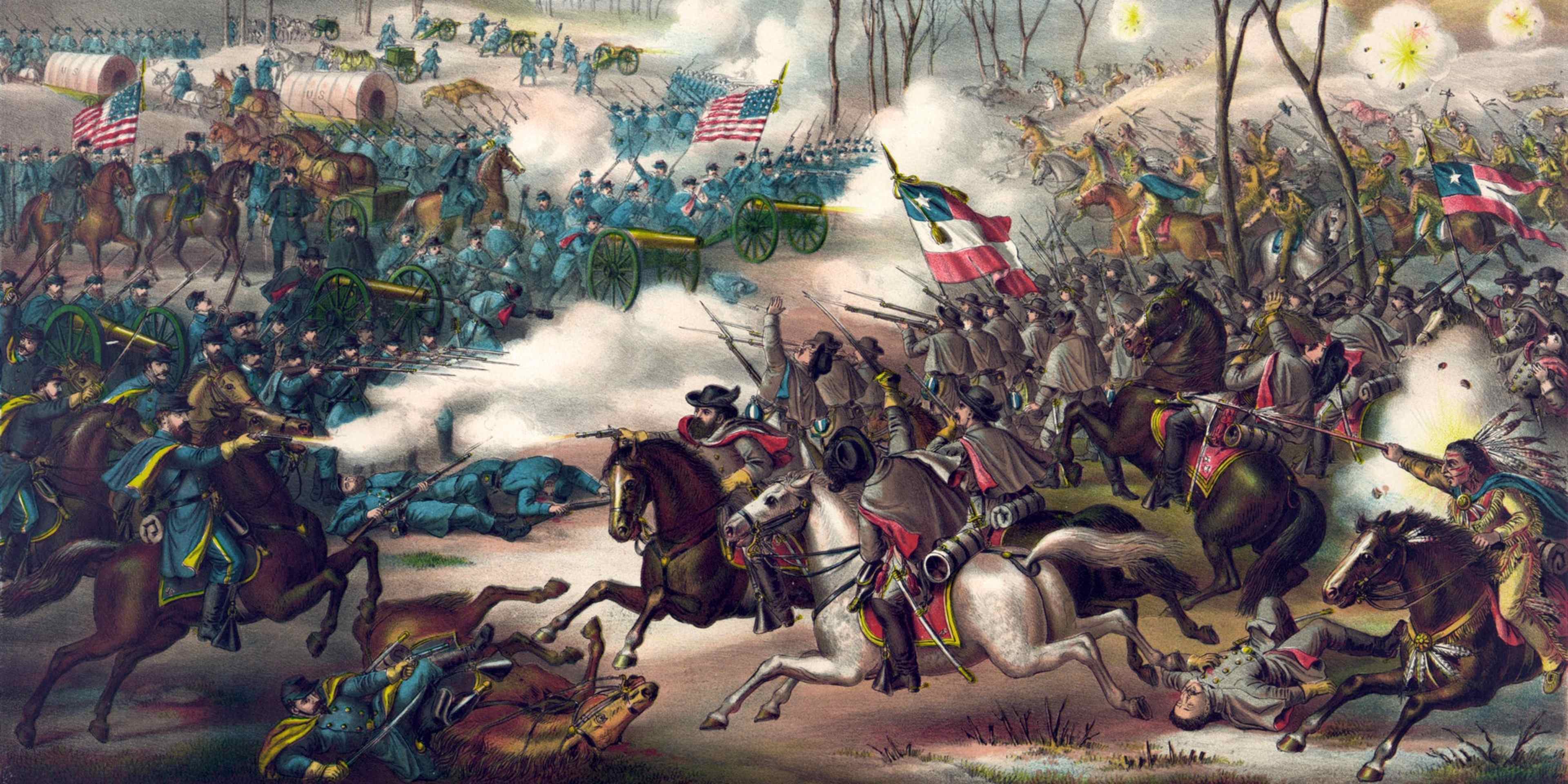
Another major turning point was the Battle of Honey Springs on July 17, 1863. Often called the “Gettysburg of Indian Territory,” this battle was culturally and socially unique. White soldiers were a distinct minority on both sides. The battle was fought predominantly by Native American regiments and the First Kansas Colored Infantry (an African American unit). The Union’s decisive victory forced Confederate forces to retreat, though it triggered a wave of Southern-sympathizing refugees fleeing south into Texas, which was heavily defended by those who were the Texians fighting to secure the western border of the Confederacy.
Long-Term Impact: Reconstruction and Dispossession
The Civil War left Indian Territory completely devastated. Homes were burned, livestock was stolen or killed, and thousands of people were displaced, living in squalid refugee camps. When the war ended, the US government used the tribes’ reluctant Confederate treaties as a pretext to nullify previous agreements.
The Reconstruction Treaties of 1866 forced the Five Civilized Tribes to cede massive portions of their western lands to the federal government. These ceded lands were later used to resettle other plains tribes and eventually opened up to white settlement, paving the way for the Oklahoma Land Runs. Furthermore, the treaties required the tribes to abolish slavery and grant full tribal citizenship and land rights to their former slaves (known as the Freedmen). This forced redistribution of land and political power created deep-seated legal and social tensions that persisted for generations.
Lesser-Known Historical Facts
- The Last to Surrender: Cherokee leader Stand Watie was the last Confederate general to lay down his arms, surrendering his forces at Doaksville on June 23, 1865—nearly two and a half months after Robert E. Lee surrendered at Appomattox.
- A War of Defections: Tribal loyalty was highly fluid during the conflict. Hundreds of soldiers switched sides mid-war. For example, the 3rd Indian Home Guard was comprised almost entirely of former Confederate soldiers who defected to the Union side.
- The Devastating Winter Exodus: Opothleyoholo’s flight to Kansas in late 1861 is one of the most heroic yet tragic stories of the war. Traveling through blizzards with limited food and clothing, hundreds of elders, women, and children froze to death, yet they successfully held off multiple Confederate attacks to reach safety.
Why This History Matters Today
The divisions of the Civil War continue to shape modern tribal politics, federal relations, and legal battles. For decades, the descendants of Cherokee, Creek, and Seminole Freedmen fought in tribal and federal courts to secure the full citizenship rights guaranteed to them by the Treaties of 1866. These legal battles highlight the enduring complexity of tribal sovereignty and civil rights.
Furthermore, the territorial boundaries and legal agreements altered during the Reconstruction era remain highly relevant. Landmark legal decisions, such as the Supreme Court’s 2020 ruling in McGirt v. Oklahoma, which reaffirmed reservation boundaries, draw directly upon the historical treaties and congressional acts established during the turbulent years of Civil War Reconstruction.
People Also Ask
Why did Native American tribes fight in the US Civil War?
Native Americans fought for a variety of reasons, including protecting their families, defending tribal sovereignty, maintaining trade relations, and honoring political alliances. While some wealthy elites fought to protect their investments in slave labor, many others fought alongside the Union to preserve their treaty-guaranteed independence and escape Confederate aggression.
Who was the last Confederate general to surrender?
Stand Watie, a Cherokee leader and brigadier general of the Confederate Army, was the last Confederate general to surrender, doing so on June 23, 1865, in Indian Territory.
What was the Indian Territory during the Civil War?
During the Civil War, Indian Territory was an unorganized territory of the United States encompassing most of modern-day Oklahoma. It was the mandated home of the Five Civilized Tribes who had been forcibly removed from their ancestral southeastern lands.
Conclusion
The US Civil War in Indian Territory was a profound tragedy that compounded the existing trauma of the Trail of Tears. It fractured families, decimated sovereign nations, and resulted in Native Americans fighting other Native Americans in a war over a constitution they had no part in drafting. Yet, despite this extreme devastation, the era also showcased incredible resilience. Through leaders like Lewis Downing, who spearheaded post-war reconciliation by uniting warring factions, tribal nations managed to rebuild their communities, leaving a legacy of survival and sovereignty that endures to this day.


