When visitors travel across the American South, they often find themselves in the shadow of stone obelisks, bronze generals on horseback, and statues of Confederate soldiers standing guard in front of county courthouses. To the casual observer, these markers might seem like immediate, grief-stricken relics erected by a war-torn region in the ashes of 1865. However, the historical reality is far more complex, deliberate, and politically charged. The vast majority of the roughly 700 Confederate monuments across the United States were not built in the immediate aftermath of the Civil War. Instead, they were constructed decades later, during a period of intense racial terror and systemic disenfranchisement. Understanding why, when, and by whom these monuments were erected is critical to unpacking modern American debates surrounding public spaces, historical memory, and civil rights.
\n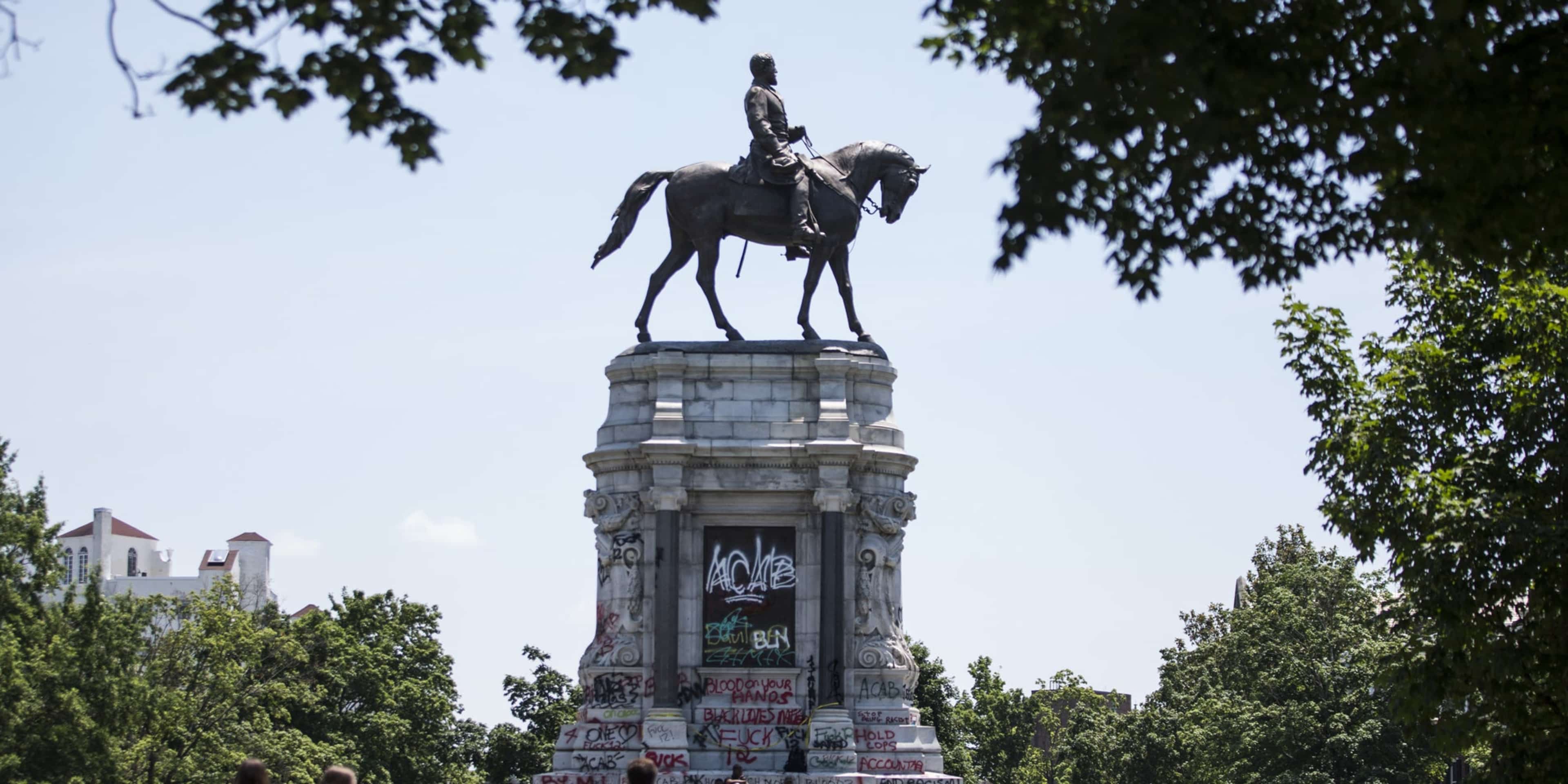
The Paradox of Post-War Mourning: 1865 to 1890
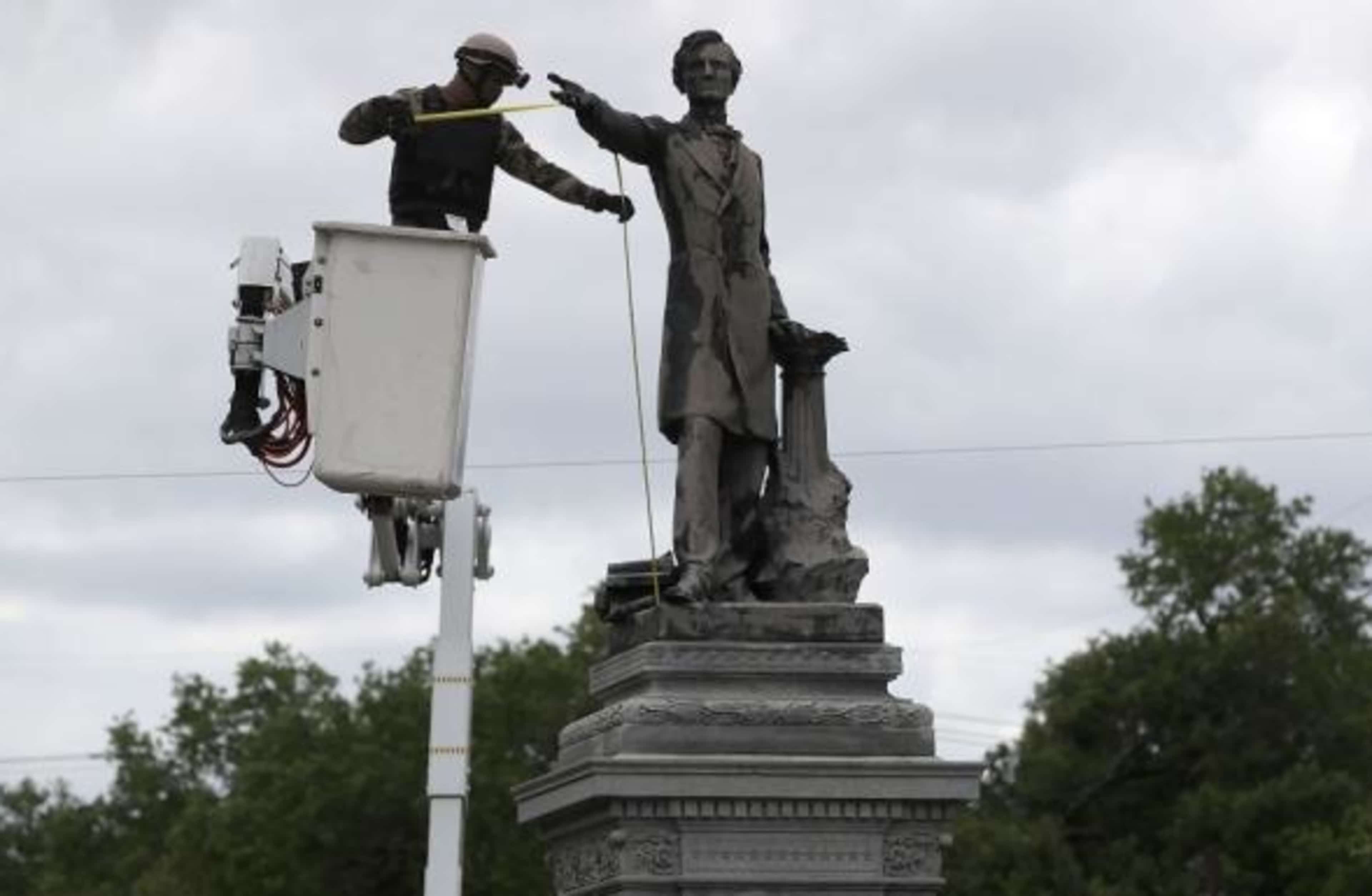
\nIn the immediate years following the surrender of Confederate General Robert E. Lee at Appomattox in 1865, the South was a devastated landscape. During this Reconstruction era, public displays of Confederate pride were legally and socially suppressed by Union occupation. Consequently, early commemorative efforts focused strictly on mourning. These early memorials were almost exclusively placed in private cemeteries rather than public squares. They were designed as local headstones and monuments to mourn dead fathers, sons, and brothers, rather than to glorify the cause of secession. Prominent historical figures like former Confederate President Jefferson Davis remained deeply controversial, and public displays of Confederate military leadership were rare.
\nThe Lost Cause Ideology and the Jim Crow Boom
\nBy the late 1880s and 1890s, Northern troops had withdrawn from the South, Reconstruction had collapsed, and Southern white elites were actively working to re-establish political dominance. To justify the implementation of Jim Crow segregation, Southern leaders popularized the Lost Cause narrative. This historical myth falsely recast the Civil War not as a violent conflict to preserve the institution of chattel slavery, but as a heroic, constitutional defense of state sovereignty. These monuments championed the Lost Cause ideology, arguing that the South fought primarily for states rights—a structural tension that traces back to how the Founding Fathers divided power between states and federal governments during the creation of the nation.
\nAs Jim Crow laws disenfranchised Black voters, public monuments became powerful tools of social intimidation and cultural education. Erecting statues of Robert E. Lee, Stonewall Jackson, and Jefferson Davis in highly visible public spaces—such as town squares and in front of state capitols—served to assert white supremacy and visually reinforce who held power in the post-Reconstruction South.
\nThe United Daughters of the Confederacy (UDC)
\nWhile male politicians wrote the laws, white women were the primary engines behind the physical construction of Confederate monuments. Founded in 1894, the United Daughters of the Confederacy (UDC) became the most influential civic organization pushing the Lost Cause narrative. They raised millions of dollars, lobbied state legislatures, and systematically vetted public school textbooks to ensure that younger generations were taught a sanitized, pro-Confederate version of history.
\nThe UDC was responsible for commissioning hundreds of monuments across the country, stretching far beyond the original 11 seceding states into places like Montana and Washington, D.C. Perhaps their most ambitious project was the creation of the monumental stone carving at Stone Mountain, Georgia. Featuring Jefferson Davis, Robert E. Lee, and Stonewall Jackson, this massive relief was conceived in the 1910s and heavily backed by the UDC, though it was not fully completed until 1972.
A Chronological Timeline of Confederate Commemoration
\n- \n
- 1865: The Civil War ends. Early memorialization is restricted to local cemeteries, focusing on individual grief and mourning. \n
- 1877: The Compromise of 1877 ends Reconstruction, allowing Southern states to implement early Jim Crow policies. \n
- 1894: The United Daughters of the Confederacy (UDC) is founded, initiating a massive fundraising and lobbying campaign for public monuments. \n
- 1896: The Supreme Court’s Plessy v. Ferguson ruling legalizes racial segregation, sparking the first major wave of monument construction. \n
- 1900–1920: The absolute peak era of Confederate monument building, coinciding with the height of racial violence and Jim Crow laws. \n
- 1950s–1960s: A secondary spike in Confederate symbols occurs as a direct backlash to the Civil Rights Movement, including Georgia redesigning its flag in 1956. \n
- 2015: The tragic shooting at the Emanuel AME Church in Charleston, South Carolina, prompts national demands to remove Confederate imagery from public spaces. \n
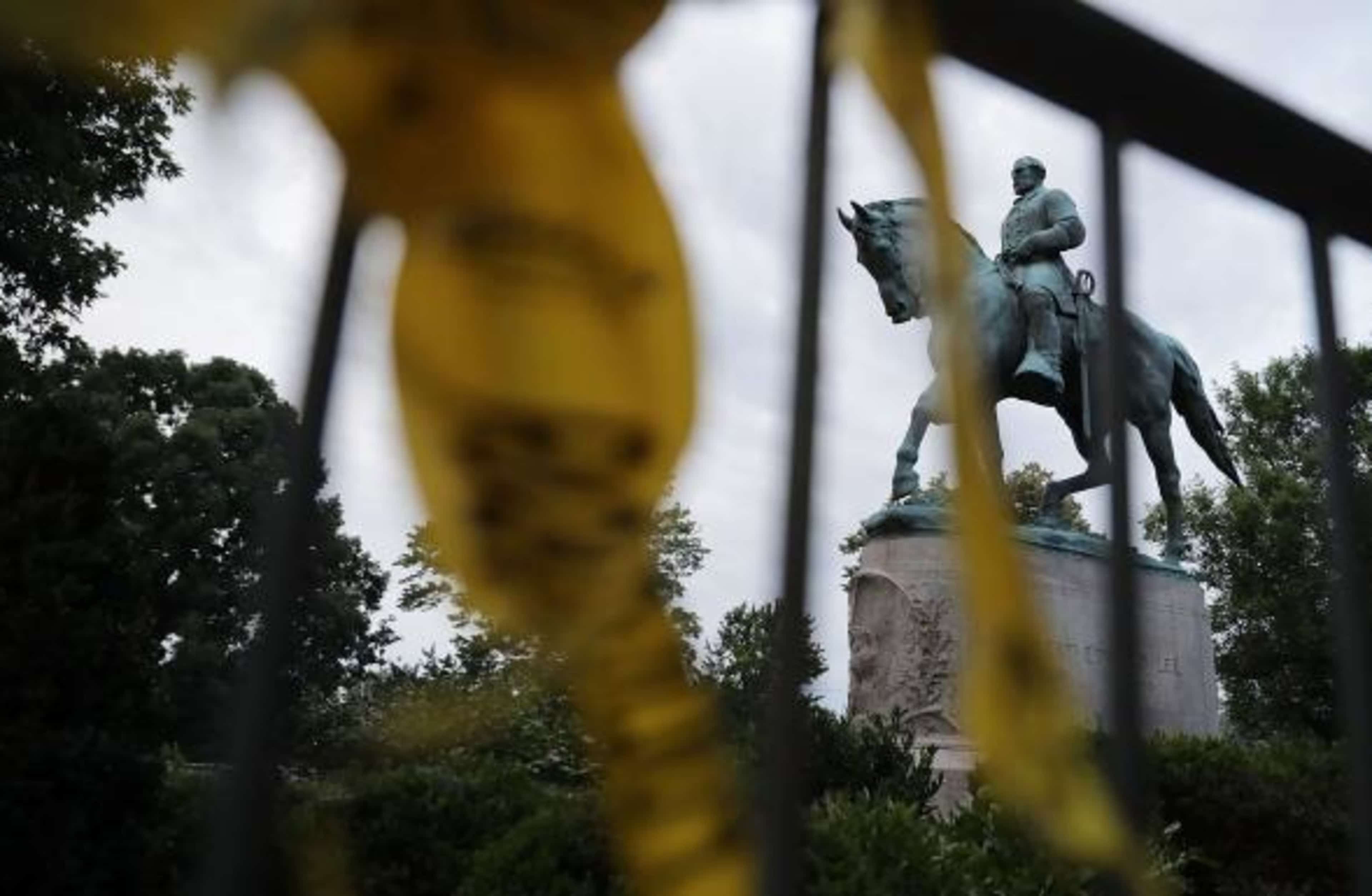
- 2017: The violent “Unite the Right” rally in Charlottesville, Virginia, centers on the proposed removal of a Robert E. Lee statue. \n
- 2020: Global protests following the murder of George Floyd trigger the removal of dozens of high-profile statues, including the 12-ton statue of Robert E. Lee in Richmond. \n
Surprising and Lesser-Known Facts
\n1. Yankee-Made Rebels
\nWhile Southern heritage organizations commissioned the statues, the vast majority of the cheap, mass-produced bronze and zinc statues of Confederate soldiers were actually manufactured in Northern factories. Companies like the Monumental Bronze Company of Bridgeport, Connecticut, did a booming business selling prefabricated “Silent Sentinel” statues. They used the same basic mold for both Union and Confederate towns, simply swapping the belt buckle from “US” to “CS” depending on the buyer.
\n2. The Rebirth of the Ku Klux Klan
\nThe monument carving at Stone Mountain, Georgia, was deeply intertwined with the resurgence of the Ku Klux Klan. In 1915, the same year the carving project was officially launched, William J. Simmons led a group to the top of Stone Mountain to burn a cross, marking the rebirth of the modern KKK. The connection between Confederate memorialization and white vigilante violence was explicit and public.
\n3. Public Funding for Private Myths
\nThough championed by private heritage groups, many Confederate monuments were heavily funded by public tax dollars. Southern state legislatures and local city councils routinely allocated tax revenues to build and maintain these statues, forcing Black taxpayers to fund monuments that celebrated their own enslavement and subjugation.
\nLong-Term Impact on America’s Cultural Landscape
\nThe proliferation of these monuments has had a deep and lasting structural impact on American society. For over a century, they succeeded in rewriting the public memory of the Civil War. By placing these statues on the lawns of courthouses, Southern states implicitly signaled that Black citizens could not expect equal justice under the law. In modern decades, challenging these statues and demanding their removal represents a continuing chapter in the great strides for freedom in US history, as communities across the nation struggle to align their public spaces with the democratic promise of liberty and justice for all.
\nWhy It Matters Today: History vs. Memorialization
\nThe modern debate over Confederate monuments is not a debate about erasing history, but rather about who and what we choose to honor in our civic spaces. Historians emphasize a critical distinction between history and memorialization. History is the objective study of the past, preserved in archives, textbooks, and museums. Memorialization, on the other hand, is a reflection of a society’s values at a specific point in time. Removing a statue from a courthouse lawn does not erase the Civil War from history; rather, it represents a conscious societal choice to no longer elevate symbols of white supremacy and rebellion against the United States.
People Also Ask
\nWhy are there Confederate monuments in states that were not part of the Confederacy?
\nMany monuments were built in Union or neutral states (like Montana, Ohio, and Maryland) during the early 20th century. This was due to the migration of white Southerners, the nationwide popularity of the Lost Cause myth, and a desire to foster political reconciliation between Northern and Southern white populations at the expense of Black civil rights.
\nWho funded the majority of these statues?
\nWhile the United Daughters of the Confederacy (UDC) led the fundraising efforts through bake sales, historical pageants, and private donations, a significant portion of the funding also came directly from state and local tax revenues allocated by sympathetic white politicians.
\nWhat is the difference between a monument built in 1870 and one built in 1910?
\nMonuments from 1870 were typically simple gravestones or obelisks located in cemeteries, meant for grieving families. Monuments built in 1910 were towering statues of military leaders located in public town squares and courthouse yards, designed to project political power and enforce social control under the Jim Crow system.
\nConclusion
\nThe history of Confederate monuments is a testament to the power of public symbols in shaping national memory. Far from being immediate post-war relics of grief, these statues were carefully deployed political tools designed to legitimize segregation, disenfranchise Black Americans, and romanticize a dark chapter of American history. As modern cities continue to evaluate these monuments, they are participating in a vital democratic dialogue about what values—equality, justice, or division—should define the public square for future generations.


